Quick Answer
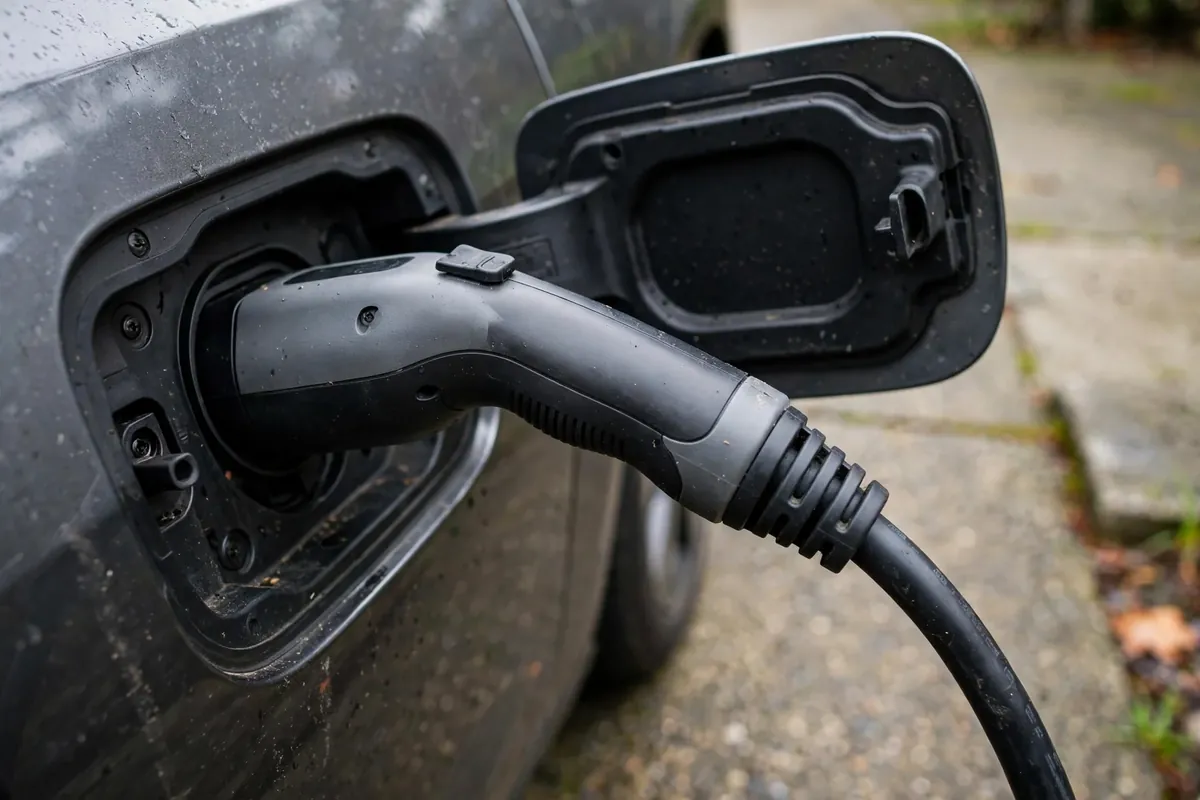
Most home chargers last many years, and age alone is not a reason to replace one. The decision turns on what has changed since the unit was installed: the hardware's condition, the household's cars and driving, and the features available on current units. A charger that is safe, reliable, and fast enough for your driving does not need replacing because a newer model exists. A charger that trips repeatedly, runs hot, shows cable or connector damage, or cannot serve the household's current cars is a different matter — some of those are repair questions, and some are replacement questions, and the line between them is the subject of this guide.
This guide is the decision companion to the site's charger lifespan guide, which covers how long chargers last and what wears first. Where that guide describes aging, this one decides: repair or replace, now or later, and what to buy when the answer is replace.
1. Safety Signals: Replace, Do Not Debate
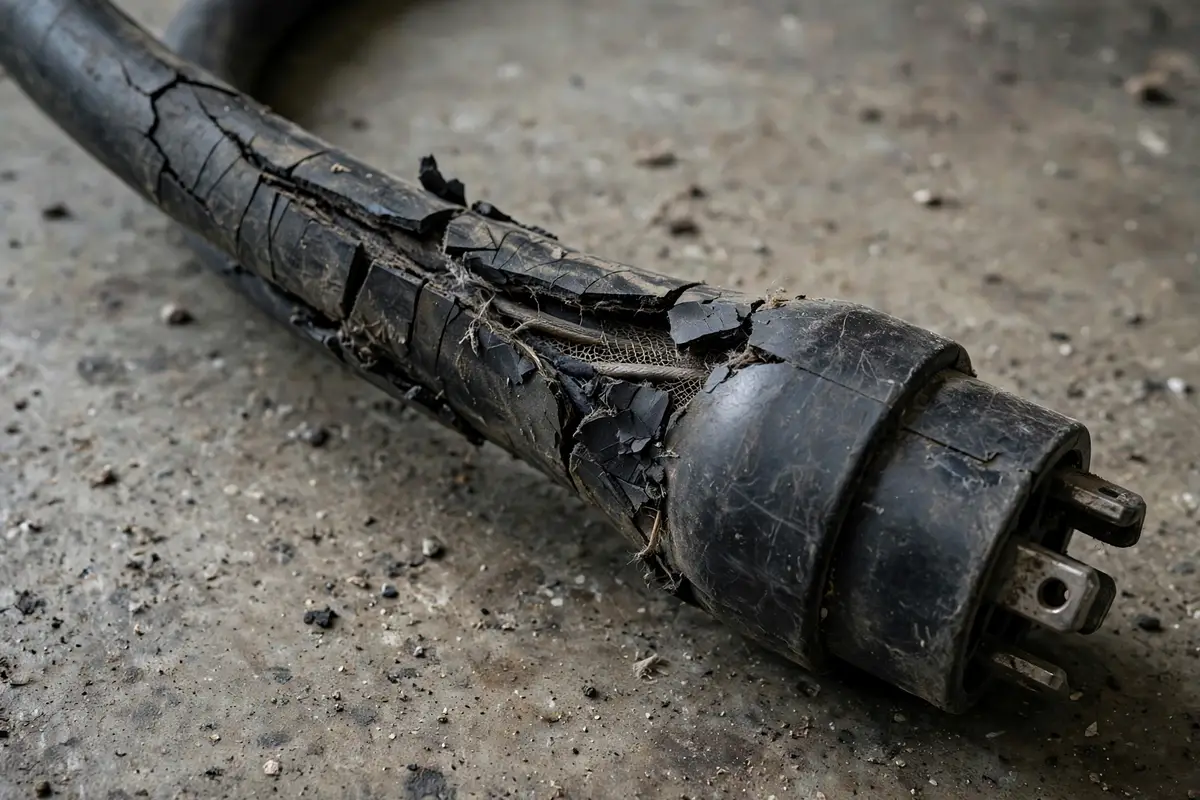
Some signs end the debate immediately, because they are safety matters rather than performance matters. Stop using the charger and have it inspected if you find any of these: a cable jacket that is cracked, cut, stiffened, or melted in any section; a connector with pitting, discoloration, loose fit, or pins that look damaged; a unit case that is cracked, warped, or shows signs of water entry; any burning smell during or after charging; a breaker that trips repeatedly on the charger circuit; or a charger, cable, or plug that runs hot beyond mild warmth. The breaker-tripping guide helps separate a one-off trip from a pattern, and the noise and heat article explains how to judge warmth versus heat, but the rule for this section is simple: a safety signal means stop, inspect, and do not charge through it while deciding.
Water and storm damage belong in this section too. An outdoor unit that sat in floodwater, took a debris hit, or shows water inside its enclosure should be inspected before any further use, even if it appears to work — the outdoor installation guide's storm section explains why appearance is not a sufficient check. The same applies after any electrical event in the home, such as a lightning strike nearby: a unit that survived visibly may have damage that only an inspection finds.
Safety signals do not automatically mean a full replacement — a damaged cable on an otherwise sound unit may be a cable replacement, and a tripping breaker may be a circuit problem rather than a charger problem. What they do mean is that the decision is now urgent and professional, not a shopping question. An electrician can tell you which part failed and whether the rest of the unit is worth keeping.
2. Performance Signals: Slower, Unreliable, or Inconsistent
Short of a safety failure, performance decline is the most common reason households consider replacement. The signs are gradual: charging sessions that slow down more often than they used to, especially in heat; sessions that stop partway through without a clear reason; a charger that drops its network connection repeatedly and loses its schedule; a connector that needs wiggling to start a session; or a unit that works in mild weather and falters in summer. Any one of these, on its own, may have a simple cause — a schedule conflict, a network change, a dirty connector — and the maintenance guide's inspection routine is the right first step. A pattern of them, across seasons and after basic checks, points to a unit reaching the end of its reliable life.
Heat-related slowing deserves a specific note, because it is the performance signal most often misread. Chargers slow their output when internal temperatures climb, which is a protective behaviour, not a fault — but a unit that slows constantly in ordinary Florida warmth, where it once held its speed, is telling you its cooling, its ventilation, or its components have degraded. Placement can contribute: a unit moved into direct sun, or boxed in by storage added later, will slow more. Before replacing for heat, check placement and ventilation; if those are sound and the slowing persists, the unit itself is the likely cause.
Reliability is the deeper test. A charger that works nine times out of ten still fails the household's real requirement, which is a car ready every morning. Two or three unexplained failed sessions in a month, after schedule and connector checks, are enough to move replacement from "someday" to "planned soon" — before the failure lands on a morning that matters.
3. Capability Gaps: When the Household Outgrows the Charger
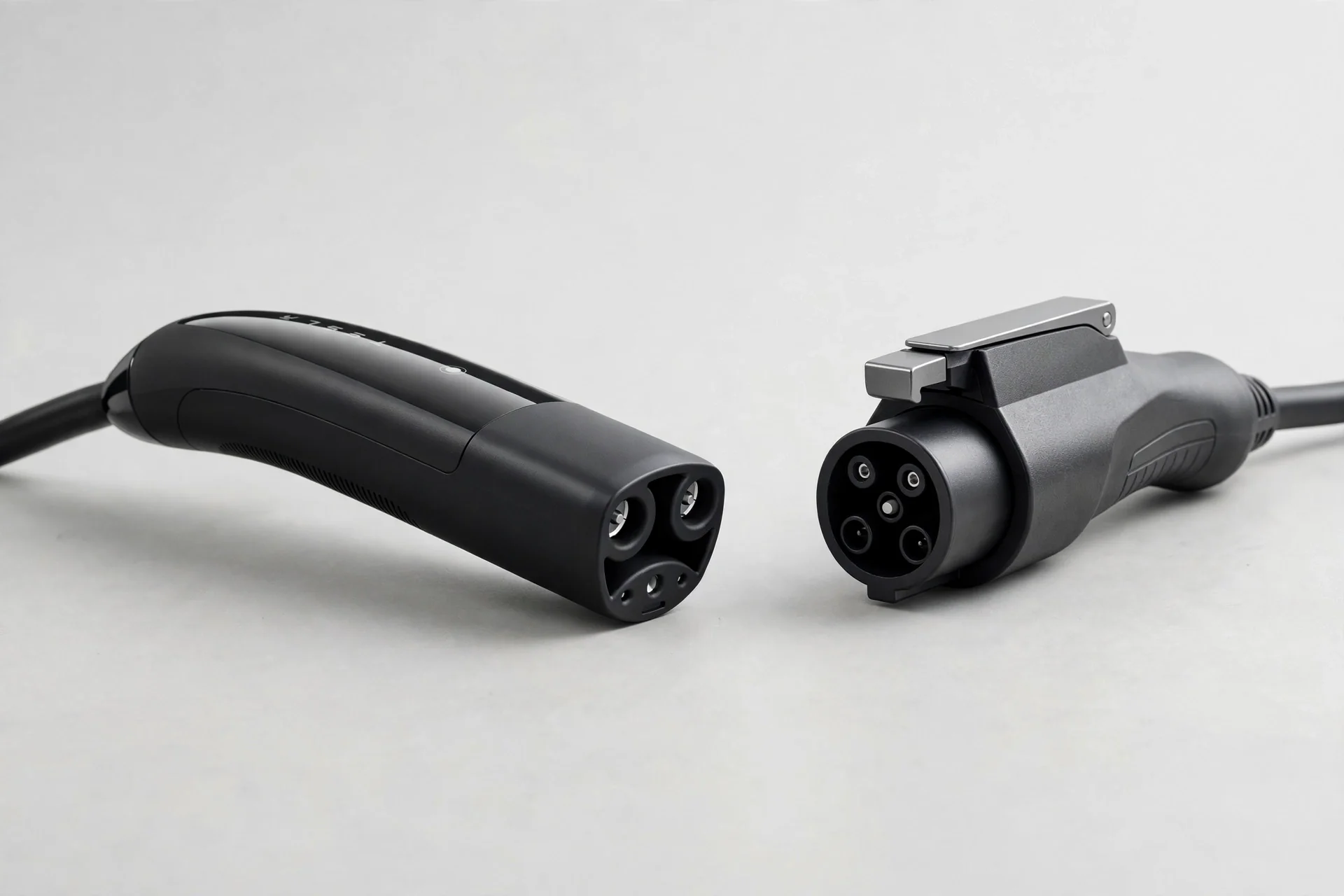
The second replacement driver has nothing to do with failure: the household changed, and the charger did not. The common versions: a second EV arrived, and a single charger without any multi-unit coordination cannot serve two cars gracefully — the two-EV guide covers the household options, including whether your current unit can join a coordinated group or must be swapped to do so. A new car arrived with a different connector, and the old unit needs an adapter for every session rather than a native connection. Daily driving grew — a longer commute, a job change — and the old unit's current setting no longer restores a day's driving overnight. Or the parking arrangement changed — a car moved outdoors, a garage converted — and the old unit is not suited to its new location, a question the outdoor installation guide answers.
Capability gaps are often solvable without a full replacement. A current setting can sometimes be raised if the panel and circuit allow it — a question for the load calculation, covered in the panel upgrade guide. A connector change may be an adapter rather than a unit. But when the gap is structural — a unit that cannot share, cannot reach the new parking spot, or cannot serve the new car's connector natively — replacement is the honest answer, and it is better made as a planned upgrade than as a reaction to a failed morning.
4. Repair or Replace: How to Decide
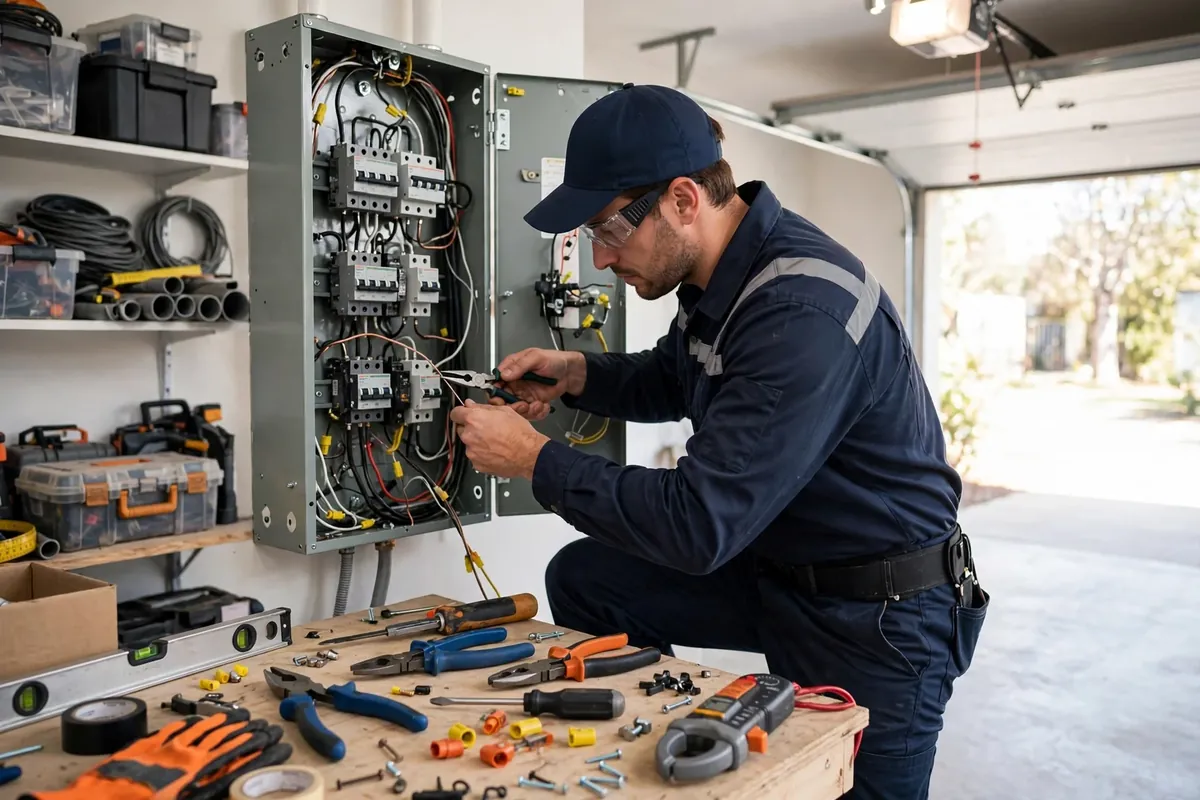
With the signals mapped, the repair-versus-replace decision comes down to four questions. First, what exactly failed? A cable, a connector, or a holster is a part; a control board, a charging module, or a case seal is closer to the unit itself. Parts that are available, affordable relative to a new unit, and installable without disturbing the rest of the system favour repair. Second, how old is the unit and what else is aging with it? A repair on a unit near the end of its expected life often buys a short extension before the next part fails; a repair on a younger unit restores years. Third, is the unit still supported — parts, firmware, app — or has the manufacturer moved on? An unsupported unit with a failed network board may be repairable in theory and impractical in practice. Fourth, does the repair restore the capability the household needs, or does it restore a unit the household has already outgrown? A repaired unit that still cannot share with a second car, or still cannot serve the new connector, solves yesterday's problem.
A useful rule: repair when the failure is a single part, the unit is otherwise sound and supported, and the household's needs have not changed. Replace when the failure is in the unit's core, when failures are recurring, when support has ended, or when the household's needs have moved past what the unit can do. And when in doubt, price both: a repair quote and a replacement survey, side by side, with the panel and circuit implications of each. A replacement sometimes reuses the existing circuit and mount, which keeps its scope modest; sometimes it needs a circuit change, which is part of the decision, not a surprise after it.
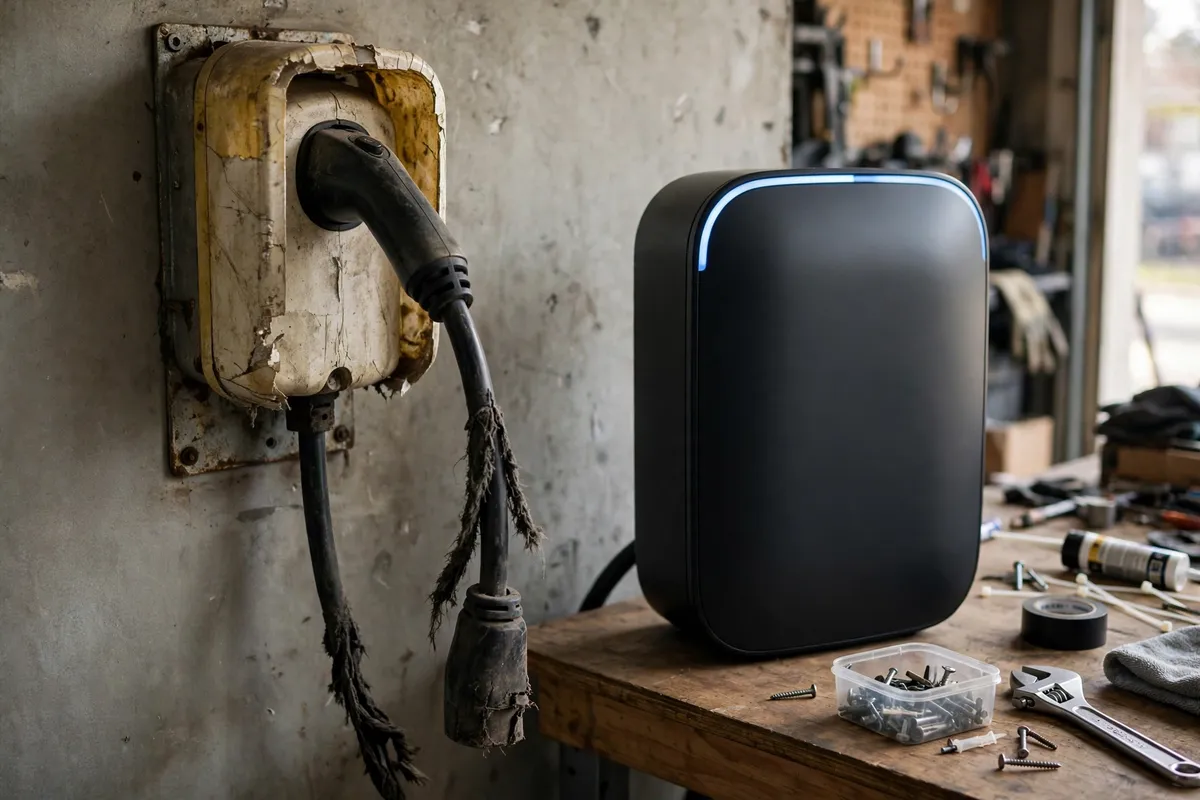
5. Features Worth Upgrading For — and Features That Are Not
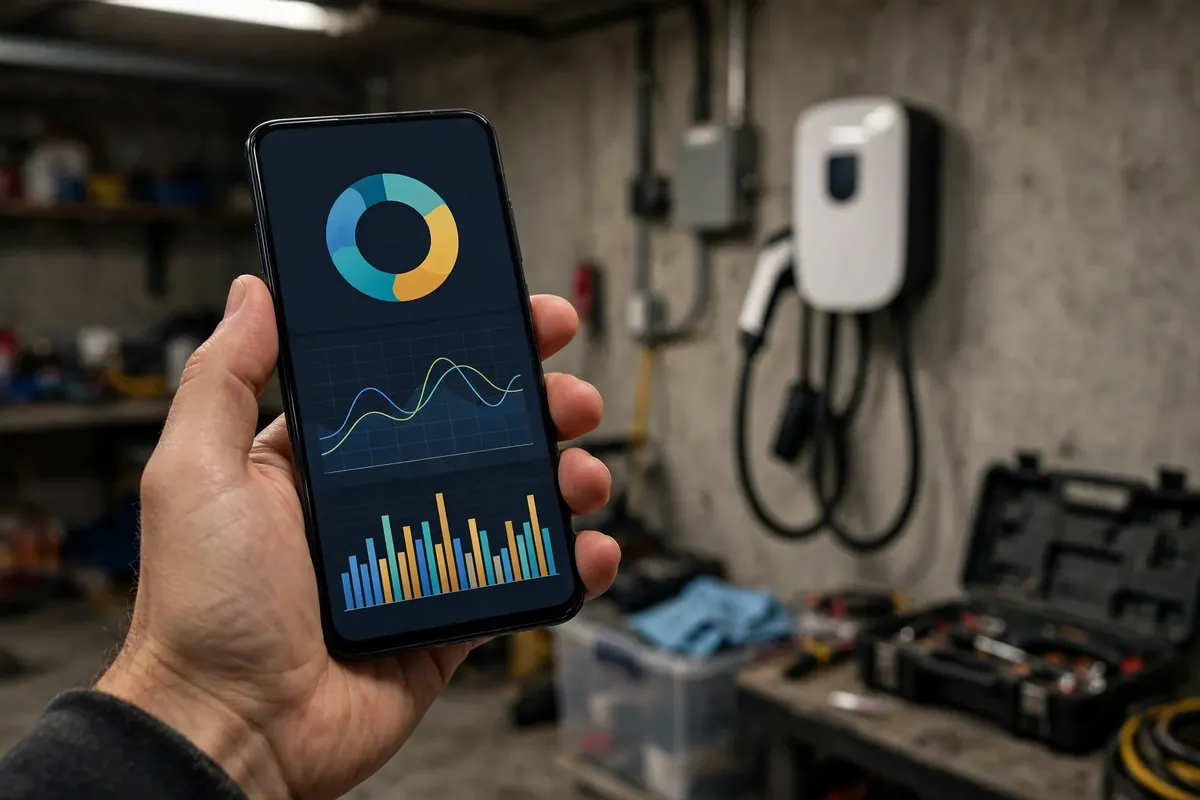
Newer chargers offer features that did not exist, or were uncommon, when older units were installed. The ones that genuinely change daily life for many households are: coordinated charging across two or more units on one circuit; vehicle restrictions for shared parking or for keeping a charger private; scheduled charging and energy monitoring in a usable app; a native connector for the household's current cars, including universal-connector models that serve both port types; and load management that coordinates the charger with the whole house's demand. For a two-car household, coordinated multi-unit charging alone can justify an upgrade. For a shared-parking household, vehicle restrictions can. For a household whose charger already does what it needs, none of them will be missed.
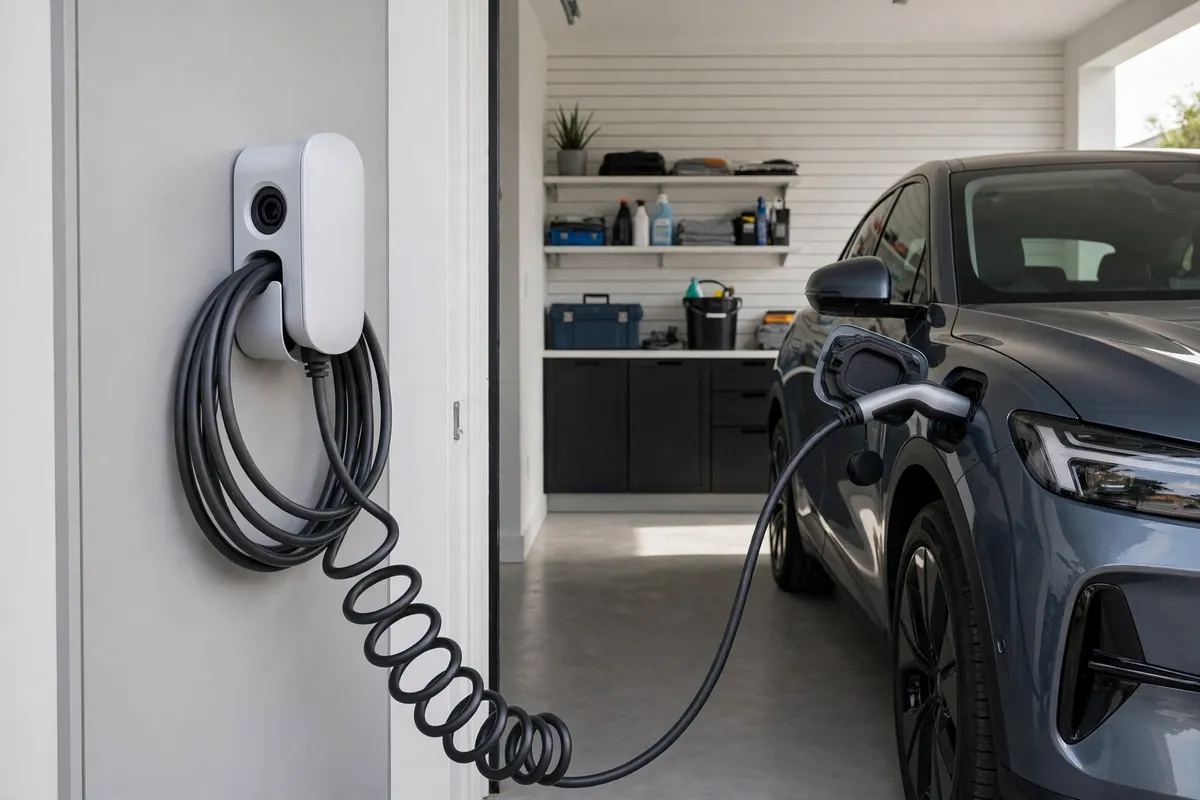
Features that rarely justify replacing a healthy unit on their own: a slightly faster maximum current the panel cannot feed anyway; a cosmetic redesign; a marginally longer cable when the current one already reaches; or an app feature that duplicates what the car's own app already does. The test is not whether a feature is nice, but whether it changes a daily friction you actually feel. If you cannot name the friction, the feature is not a reason.
Firmware and connectivity deserve a middle note. A unit that still charges reliably but has lost its app connection, or whose manufacturer no longer updates it, is not broken — charging itself does not need an app. What is lost is scheduling and monitoring through that app, which the car's own settings can often replace. Losing connectivity is a reason to check alternatives, not an automatic reason to replace, unless the household depends on the charger's own scheduling or access control.
6. What a Replacement Visit Involves
A replacement is usually simpler than a first installation, because the circuit, the route, and the panel history already exist. The visit typically runs: confirm the panel and circuit still suit the new unit, including its current setting; remove the old unit and inspect the mount, wiring, and any junction boxes for heat or water damage that the old unit may have hidden; mount the new unit, reusing the mount and circuit where they suit it; configure the new unit's settings, sharing group, access control, and schedule; and verify with a test charge. Permits and inspection apply to circuit changes the same way they apply to new work — the permit guide explains when they are triggered, and a like-for-like unit swap on an unchanged circuit is often the simplest case.
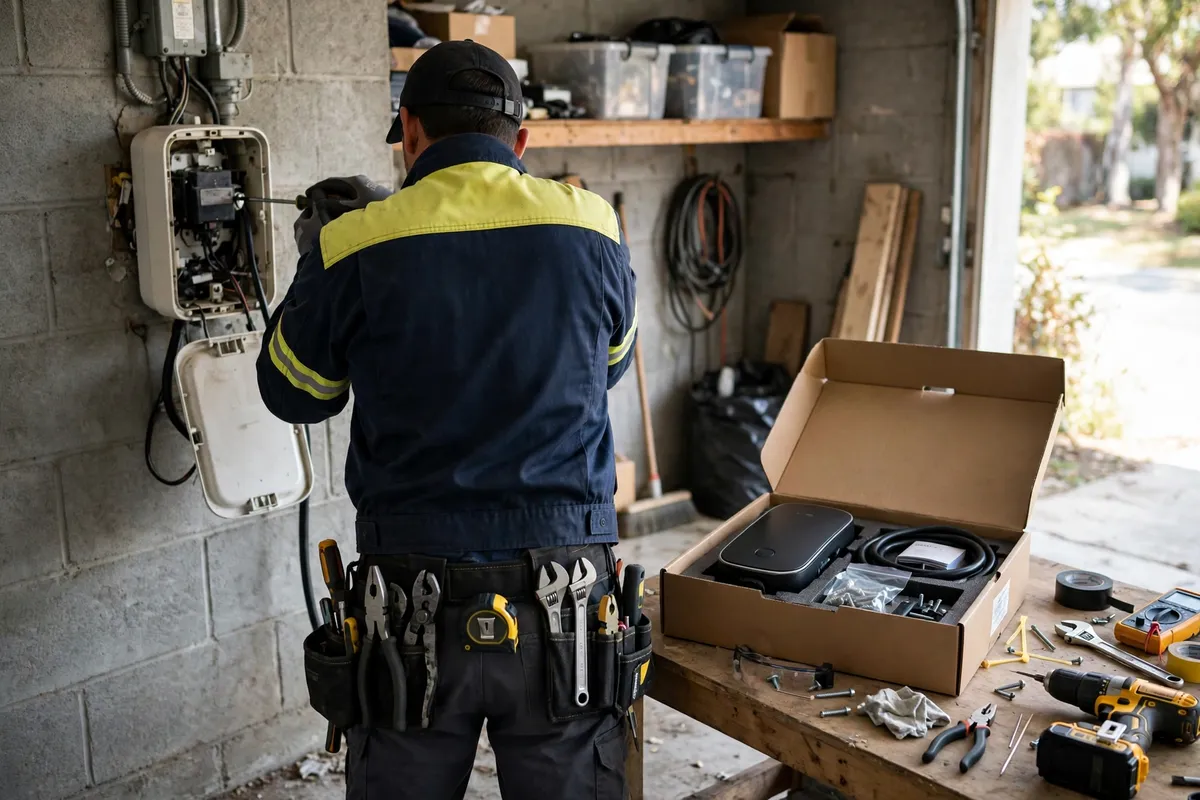
Two planning points save trouble. First, decide the new unit before the visit, or at least narrow it to units that suit the existing circuit — a unit that needs a larger circuit than the old one turns a swap into a circuit job. Second, tell the installer about the household's direction: a second EV on the way, a move to outdoor parking, a solar installation planned. A replacement chosen with the next few years in mind avoids a second replacement soon after. The solar charging guide is worth a read before a replacement if solar is on the horizon, since charger choice interacts with how solar and charging coordinate.
7. Disposal and Handover of the Old Unit
An old charger should not go to general waste, and it should not be passed on without honesty about its condition. Electronic waste handling varies by locality, and the installer or the local waste authority can advise on the route for a unit that has reached the end of its life. A unit that still works but no longer suits your household — a sound single-car charger replaced for power sharing, for example — can be a reasonable second-hand unit for someone whose needs it fits, provided its condition, age, and any known faults are stated plainly. Remove the unit from its app account and any sharing group before handing it over, and reset it to its factory state where the manual provides a reset — a charger that still carries the previous household's schedule and access settings is a small nuisance that is easy to prevent.
Key Takeaways
- Safety signals — cable or connector damage, heat, burning smell, repeated tripping, flood or debris damage — mean stop and inspect immediately, not a shopping decision.
- Performance decline (frequent slowing, dropped sessions, unreliable starts) after basic checks points to a unit near the end of its reliable life.
- Capability gaps — a second EV, a new connector, longer driving, a moved parking spot — can justify replacement even when the old unit still works.
- Repair when a single part failed on a sound, supported unit whose capabilities still fit; replace when the failure is core, recurring, unsupported, or outgrown.
- Features worth upgrading for are coordinated multi-unit charging, vehicle restrictions, usable scheduling, and a native connector; cosmetic changes and unusable extra speed are not.
- A replacement usually reuses the circuit and mount, but confirm the new unit suits the existing circuit before buying it.
- Dispose of a dead unit through electronic waste routes, and reset and honestly describe any working unit passed on.
How do I know if my charger is unsafe rather than just old?
Age alone does not make a charger unsafe. The signals that do are physical: cracked or melted cable jacketing, a pitted or loose connector, a cracked or water-damaged case, a burning smell, repeated breaker trips, or heat beyond mild warmth on the unit, cable, or plug. If any of those are present, stop using the charger and have it inspected. If none are present and the unit charges reliably, it is old, not unsafe, and the replacement question becomes one of capability and features rather than urgency.
Can a charger be repaired, or is replacement the only option when it fails?
It depends on what failed. Cables, connectors, and holsters are parts and are often replaceable on their own; a failed control board or charging module is closer to the unit itself and may be uneconomical or unsupported, especially on an older model. An electrician can identify the failed part and whether it is available, and the decision should weigh the repair against the unit's age, its support status, and whether the household's needs have changed since it was installed.
Does a new EV always need a new charger?
No. Many new cars work with an existing home charger, with or without an adapter, depending on connectors. The cases that genuinely call for a change are a connector that would need an adapter for every session, a current setting that no longer restores a day's driving overnight, or a household change such as a second EV that the old unit cannot share with. Check the new car's connector and your daily driving against the existing unit before assuming a replacement is needed.
Should I upgrade just to get a faster charger?
Only if the faster speed would actually reach your car. A higher-current charger needs a panel and circuit that can feed it, and a car that can accept it; if either limit sits below the new unit's maximum, the extra speed is never used. Check the panel's load calculation and the car's accepted charging rate first. If both allow more than your current unit delivers and your driving would benefit, an upgrade makes sense; otherwise it is a feature without a use.
What should I do with my old charger after a replacement?
If it has reached the end of its life, use the local electronic waste route rather than general waste, and ask the installer or the waste authority for the correct channel. If it still works but no longer suits your household, it can be passed on provided its age, condition, and any known faults are stated plainly. Either way, remove it from its app account and any sharing group, and reset it to factory state where the manual provides a reset.
Will a replacement charger work on my existing circuit?
Often yes, when the new unit's current setting suits the circuit that is already there — a like-for-like swap on an unchanged circuit is the simplest replacement case. It becomes a circuit job when the new unit needs a larger circuit, a different connection type, or a sharing configuration the old circuit was not built for. Confirm the new unit against the existing circuit with the installer before buying, so the scope of the visit is known in advance.
Related Posts
- How Long Does an EV Charger Last? Lifespan Guide
- EV Charger Maintenance Guide
- Charging Two EVs at Home: One Charger or Two?
- Installing an EV Charger Outdoors in Florida
Charger aging, acting up, or outgrown? Call now at (407) 555-0100 — we inspect, tell you honestly whether it is a repair or a replacement, and size the new unit to your panel across Orlando.
Sources consulted: Manufacturer service and end-of-life guidance for home charging units; NEC Article 625 EV charging system provisions; charger maintenance and inspection practice for residential units.