TL;DR
Problem: Search "Florida EV charger rebates" and you get a mess of outdated articles, programs from other states, and incentives that expired years ago. Homeowners either miss real money or chase programs that don't exist.
Solution: As of 2026, three things are real: the federal 30C tax credit for charger purchase and installation, FPL's EV programs for its customers, and occasional utility or local rebates that come and go. Florida has no statewide EV charger rebate — anyone telling you otherwise is behind the times.
When to call: Incentives reward work done right — permitted, inspected, documented. Plan the installation properly and the paperwork gets easier: Call Now.
Quick Answer
Florida EV charger incentives in 2026 come from three places: the federal Alternative Fuel Vehicle Refueling Property Credit (Section 30C), which covers a percentage of charger purchase and installation costs for homes and businesses; FPL's EV programs, including EVolution Home for FPL customers; and utility or municipal rebates that vary by provider and change over time. Florida has no statewide rebate program, so always verify current availability with your utility and a tax professional before counting on any incentive.
1. The Federal 30C Tax Credit: The Big One
The Alternative Fuel Vehicle Refueling Property Credit (Internal Revenue Code Section 30C) is the main federal incentive for home EV charger installation. It applies to a percentage of what you spend on the charger and its installation — equipment plus electrician labor.
Key facts, stated carefully:
- It covers residential and commercial installations, with different caps for each.
- The credit is claimed on IRS Form 8911 when you file your taxes.
- Eligibility rules and credit rates have changed over the years, and Congress revisits energy credits regularly — so verify the current rules for the tax year you install, not the year you read about it.
- Because it is a tax credit (not a rebate check), you need sufficient tax liability to use it. A tax professional can tell you in five minutes whether you qualify.
The practical takeaway: keep every receipt — the charger purchase, the electrician's invoice, the permit fee. If the credit applies to you, documentation is everything.
2. FPL Programs: What Florida Power & Light Offers
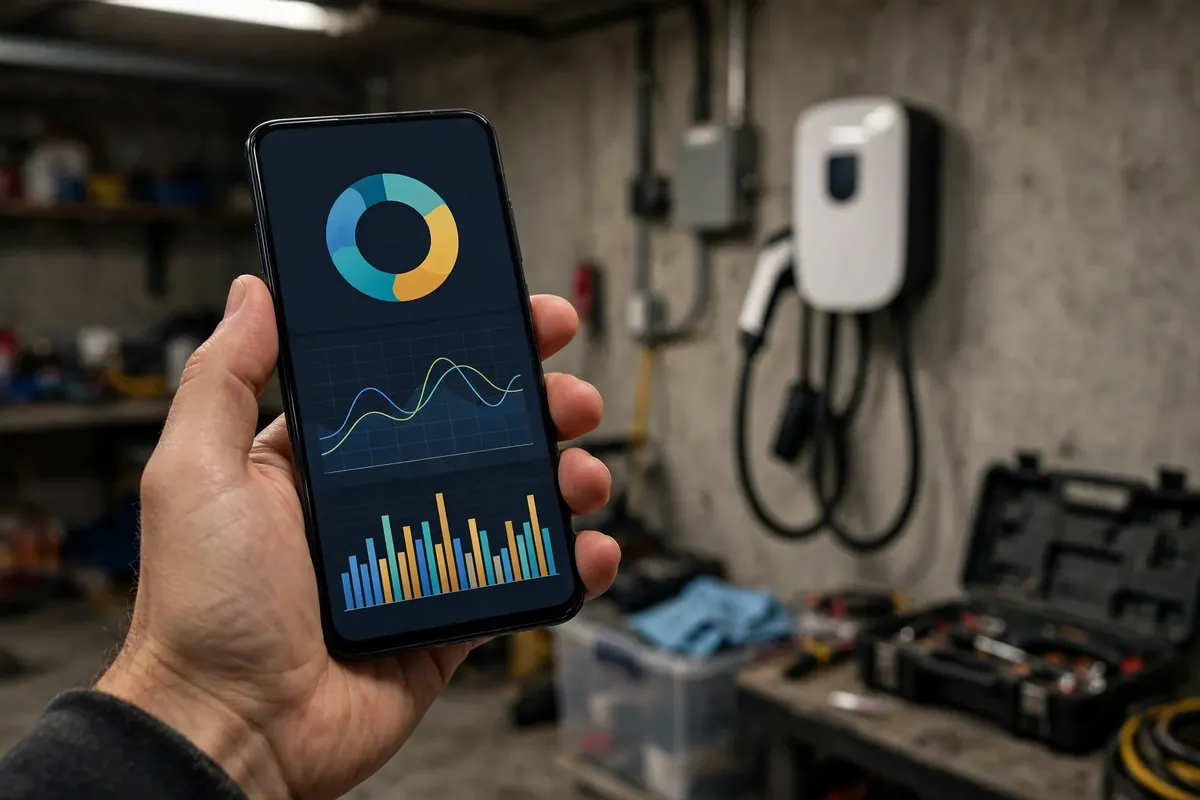
FPL (Florida Power & Light) serves much of the Orlando area's surroundings, and it runs the most-discussed EV program in Florida: EVolution Home. Here is what it is, factually:
- FPL provides the home charger, handles the installation, and bundles unlimited off-peak charging into a single monthly subscription.
- It involves a long-term commitment (on the order of a decade), so it is a decision to weigh carefully against buying your own charger outright.
- Off-peak charging is the core value: charging overnight on lower rates, managed automatically.
Whether EVolution beats buying your own charger depends on your driving, how long you'll stay in the home, and current program terms — which change. Check FPL's current program details directly before deciding. We break it down in detail in our FPL EVolution Home Program guide.
FPL also offers time-of-use and off-peak rate structures that benefit any home charger owner, not just EVolution subscribers. If you charge overnight on a standard Level 2 setup, enrolling in the right rate plan can lower what you pay per mile — ask FPL which rate options fit an EV household.
3. Other Florida Utilities: OUC, Duke Energy, and Beyond
Orlando itself is largely served by the Orlando Utilities Commission (OUC), a municipal utility — and parts of the metro area fall under Duke Energy Florida. Both have run EV-related programs over the years, including off-peak rate pilots and occasional charger rebates.
The honest truth: utility EV rebates in Florida are sporadic. A rebate that existed last year may be gone, and a new one may appear next quarter. The programs worth checking, in order:
- Your electric utility's website — search for EV, electrification, or time-of-use rates. This is the only authoritative source.
- Time-of-use rate plans — even without a rebate, the right rate plan is an ongoing incentive every month you charge.
- Municipal and county programs — occasionally cities or counties offer electrification incentives; check Orlando and Orange County sustainability pages.
If a rebate requires specific equipment (some require hardwired units, or networked/smart chargers), confirm the requirements before buying the charger.
4. What Florida Does NOT Have
Clearing this up saves people real disappointment: Florida has no statewide EV charger rebate or state tax credit for residential charger installation. Some articles still floating around reference expired programs or confuse Florida with states like California or New York that do have state-level incentives.
Similarly, be skeptical of:
- "Free charger" offers that turn out to be the FPL EVolution subscription (not free — bundled into a monthly fee with a long commitment).
- Rebate aggregators listing Florida programs that expired — always click through to the utility or agency source and check the date.
- Social media ads promising government money for EV chargers with no specifics. Real programs name the agency, the form number, and the eligibility rules.
5. Commercial and Workplace Incentives
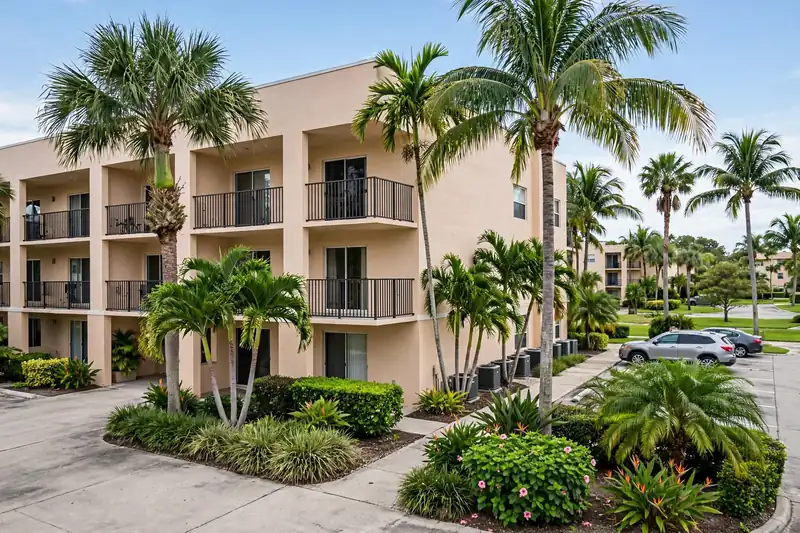
Businesses get a separate track under Section 30C with higher caps than residential — relevant for workplaces, fleets, apartment buildings, and retail sites installing charging. The commercial credit has its own eligibility requirements (including, in some cases, prevailing-wage and apprenticeship conditions), so commercial projects should involve a tax advisor early.
Beyond the federal credit, commercial sites should also check:
- Utility commercial EV programs — some Florida utilities offer make-ready incentives or special rates for commercial charging.
- NEVI formula funding — federal highway charging money flows through FDOT; it targets corridor fast charging, not private sites, but it shapes the public network your customers use.
If you're planning commercial EV charging stations, loop in your tax advisor before finalizing the project scope — incentive eligibility can affect equipment choices.
6. How to Actually Claim What's Available
A practical checklist:
- Before you buy: check your utility's current EV programs and rate plans; confirm any rebate's equipment requirements.
- During installation: use a licensed electrician, pull the permit, and keep every invoice and receipt itemized (equipment vs. labor).
- After inspection: save the permit sign-off and inspection records — some programs ask for proof the work was permitted.
- At tax time: bring your documentation to your tax preparer and ask about Form 8911 / Section 30C eligibility for your tax year.
- Ongoing: enroll in your utility's off-peak or time-of-use rate if one fits — this is the incentive that pays you every single month.
Key Takeaways
- The federal Section 30C tax credit is the main incentive — a percentage of charger + installation costs, claimed via IRS Form 8911. Verify current-year rules.
- FPL's EVolution Home bundles charger, installation, and off-peak charging into a monthly subscription with a long-term commitment — compare it against buying outright.
- Check OUC or Duke Energy (whichever serves you) for current EV rate plans and any active rebates.
- Florida has no statewide EV charger rebate — verify anything that claims otherwise.
- Keep every receipt and permit record; documentation is what makes credits and rebates claimable.
Are there federal tax credits for home EV charger installation?
Yes — the Alternative Fuel Vehicle Refueling Property Credit (Section 30C) covers a percentage of charger purchase and installation costs. It is claimed on IRS Form 8911. Rates, caps, and eligibility rules change, so confirm the rules for your installation year with a tax professional.
Does FPL offer EV charger incentives or rebates?
FPL's main offering is the EVolution Home program — charger, installation, and unlimited off-peak charging bundled into a monthly subscription with a long-term commitment — plus time-of-use rate options that benefit any home charger. Check FPL's site for current terms, as programs change.
Are there any Florida state rebates for EV chargers?
No. Florida does not currently have a statewide rebate or tax credit for residential EV charger installation. Real incentives come from the federal tax credit and individual utilities. Treat any claim of a "Florida EV charger rebate" with skepticism until you see the issuing agency named.
Do EV charger incentives apply to commercial properties?
Yes — Section 30C has a separate commercial track with higher caps, and some Florida utilities run commercial EV programs or special rates. Commercial projects may face additional requirements (such as prevailing-wage conditions), so involve a tax advisor before finalizing scope.
How do I claim the federal EV charger tax credit?
Keep itemized receipts for the charger and installation, plus your permit and inspection records. At tax time, ask your tax preparer about IRS Form 8911 and Section 30C eligibility. Because it's a credit against tax liability (not a cash rebate), confirm you have enough liability to use it.
Should I wait for new incentives before installing a charger?
Generally no. The federal credit has been the stable incentive for years, utility rebates come and go unpredictably, and every month of public fast charging while you wait is money a home charger would have saved. Install when you need it; claim what's available when you file.
Related Posts
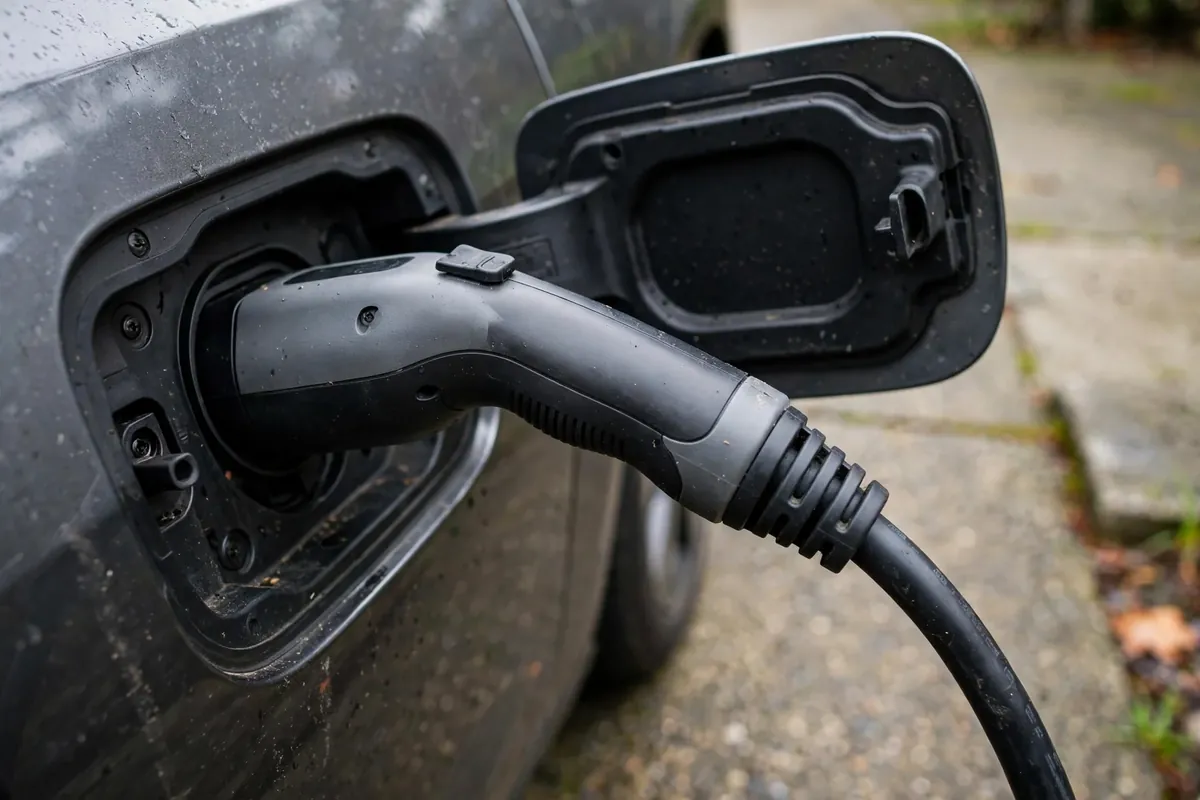
- FPL EVolution Home Program Explained
- What to Expect During EV Charger Installation in Orlando
- Level 1 vs Level 2 vs Level 3 EV Charging Explained
Planning an installation? Get it permitted, inspected, and documented right the first time: Call Now
Sources: IRS Section 30C / Form 8911 guidance; FPL EVolution program materials and coverage; OUC and Duke Energy Florida program pages; Bob Vila and installer guides on incentive stacking. Program terms change — verify current availability with the issuing utility or agency before acting.