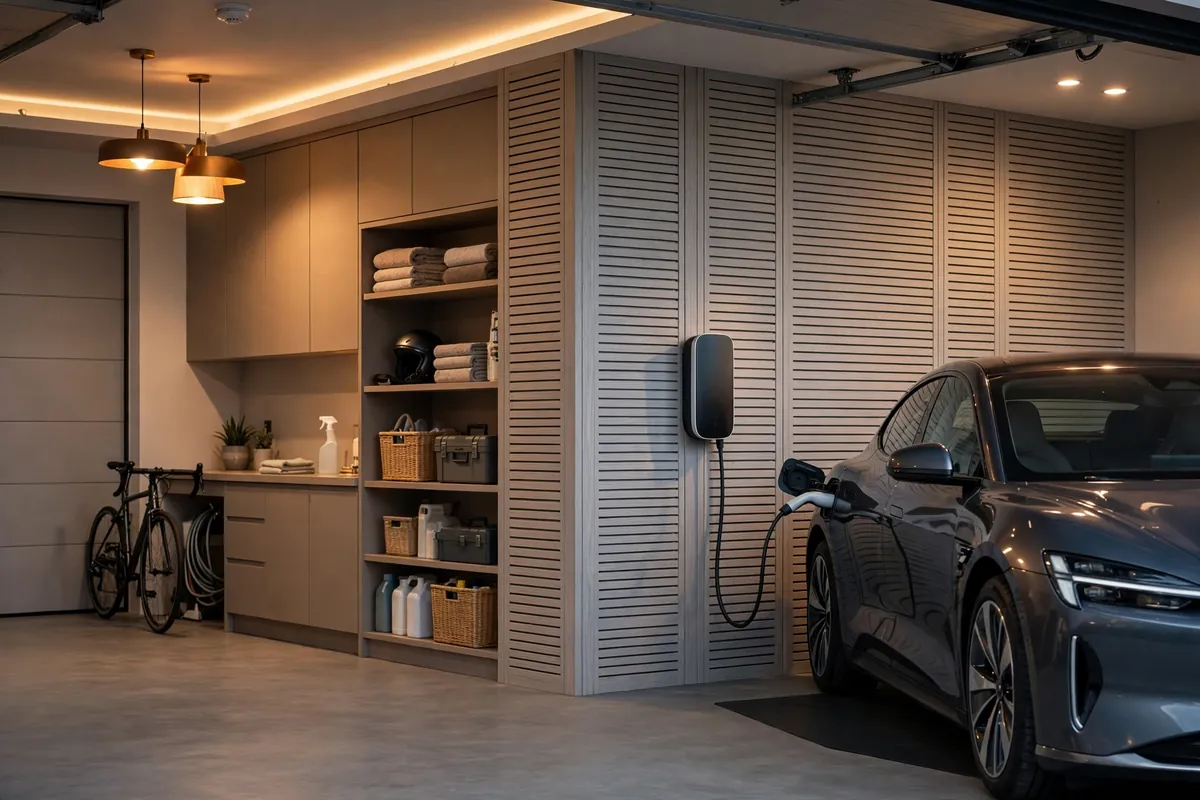
Why Orlando Drivers Call Us First
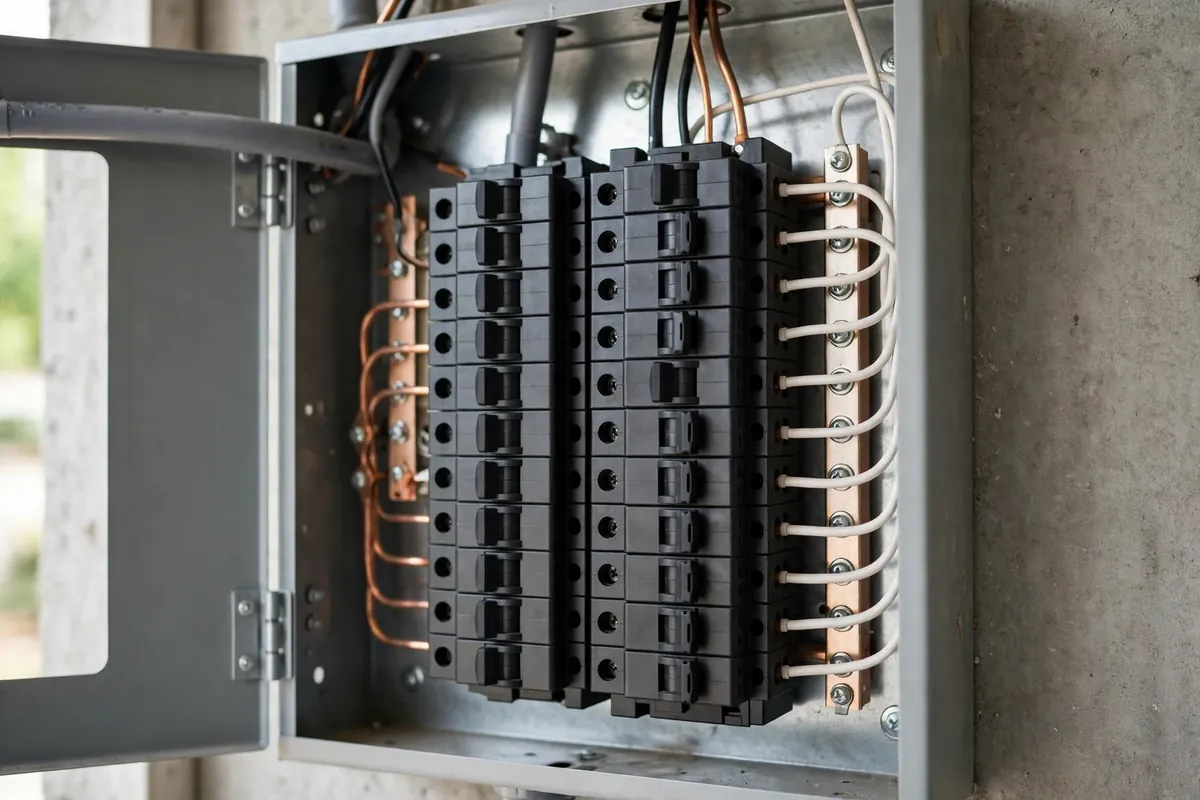
- ✅ Licensed electricians — every installer is a licensed Florida electrician, not a handyman
- ✅ Permits handled — we pull the electrical permit and schedule the inspection for you
- ✅ Load calculation before every install — we check your panel's real capacity first, so you never pay for work you don't need
- ✅ Orlando local expertise — we work in Orange, Seminole, and Osceola counties every day
- ✅ All major charger brands — Tesla, ChargePoint, Wallbox, Emporia, Grizzl-E, Ford, Rivian, and more
EV Charging Services in Orlando
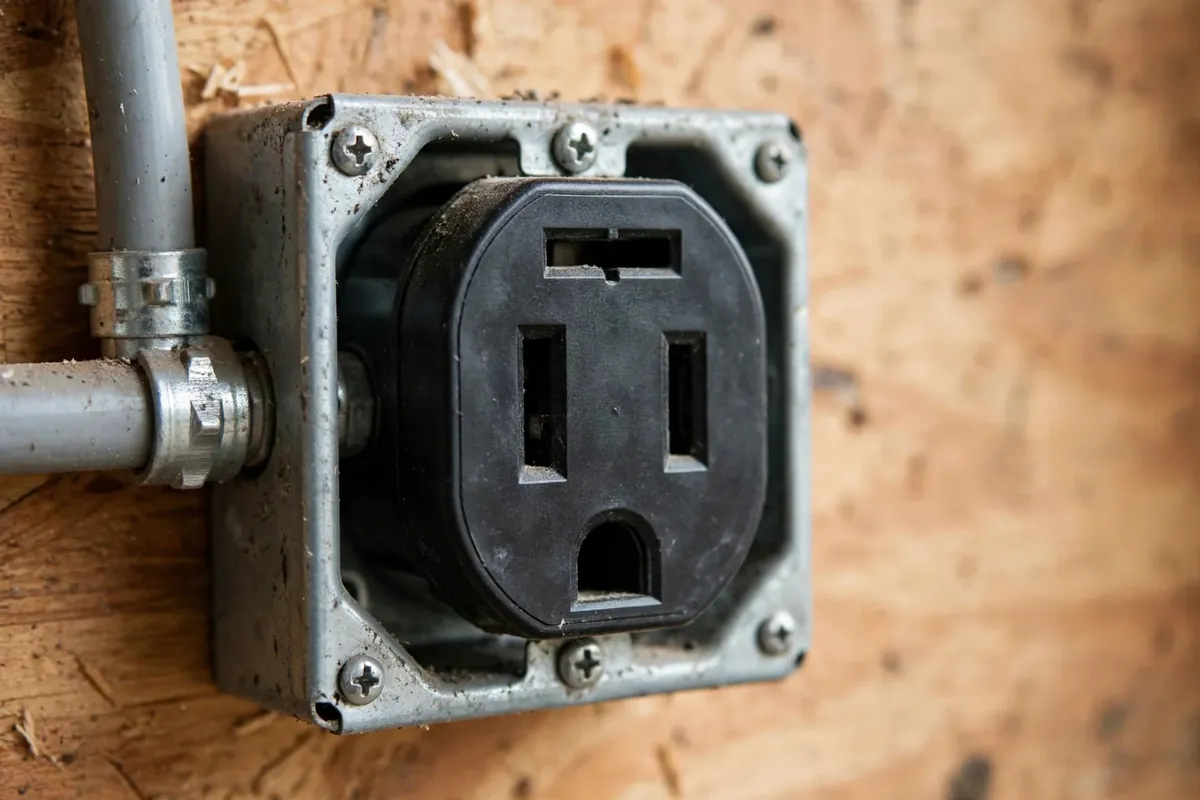
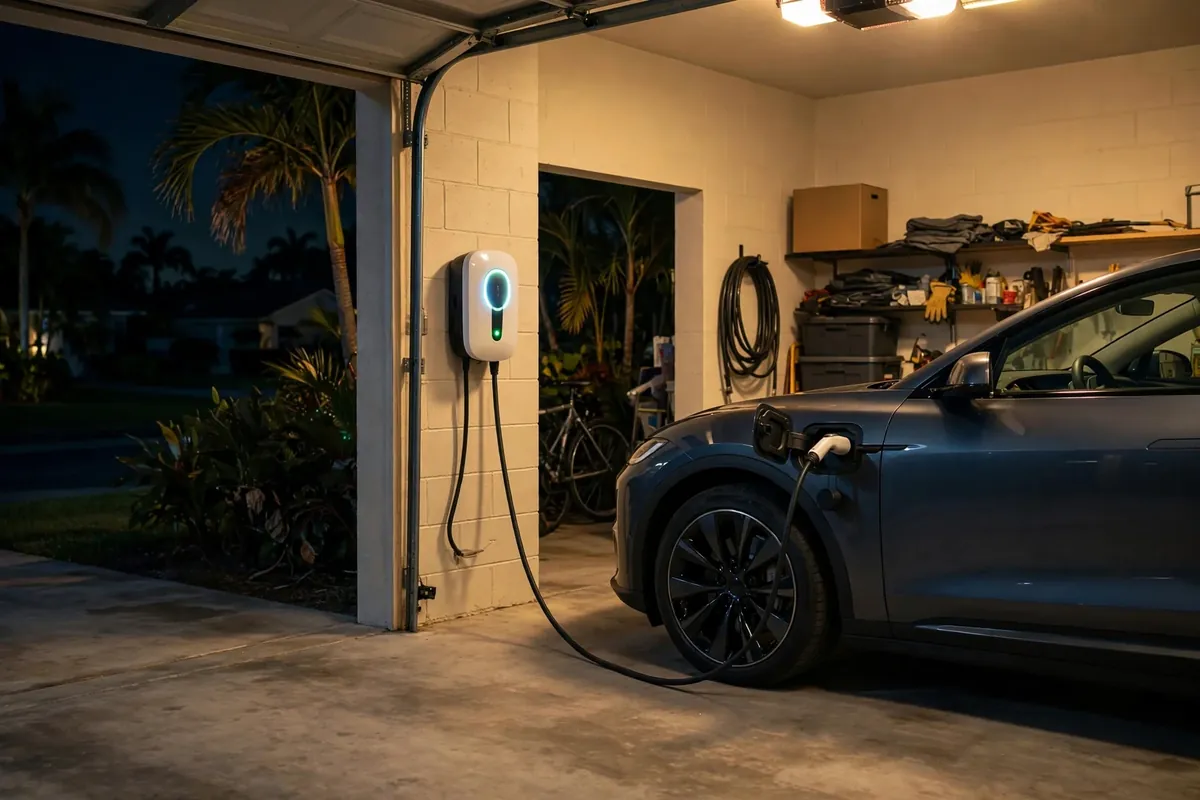
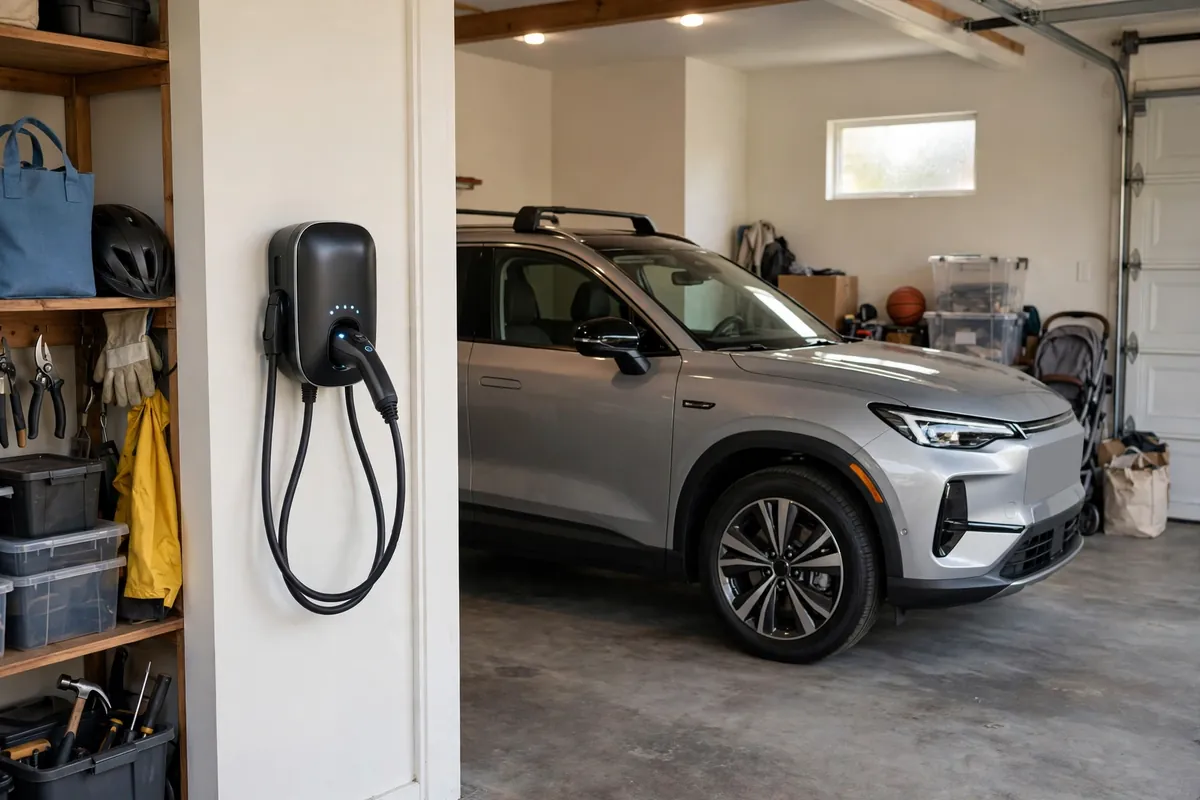 Residential EV Charger InstallationHome EV charger installation in Orlando — Level 2 chargers, NEMA 14-50 outlets, and hardwired units for garages, driveways, and carports.
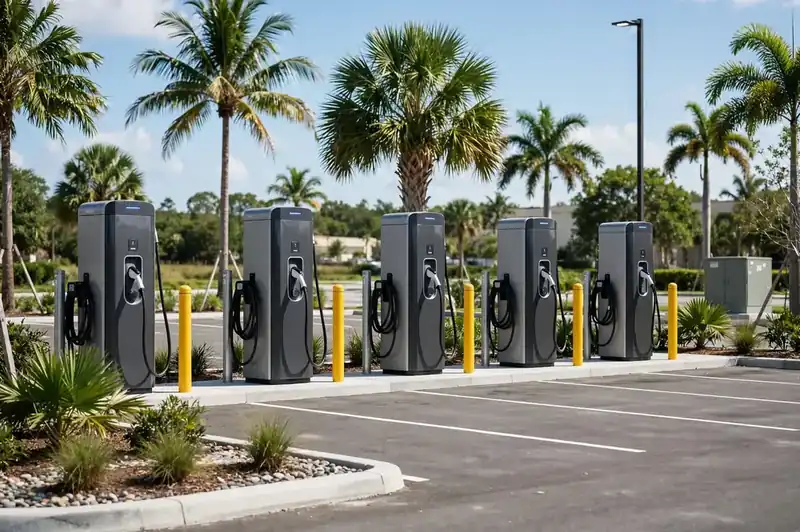
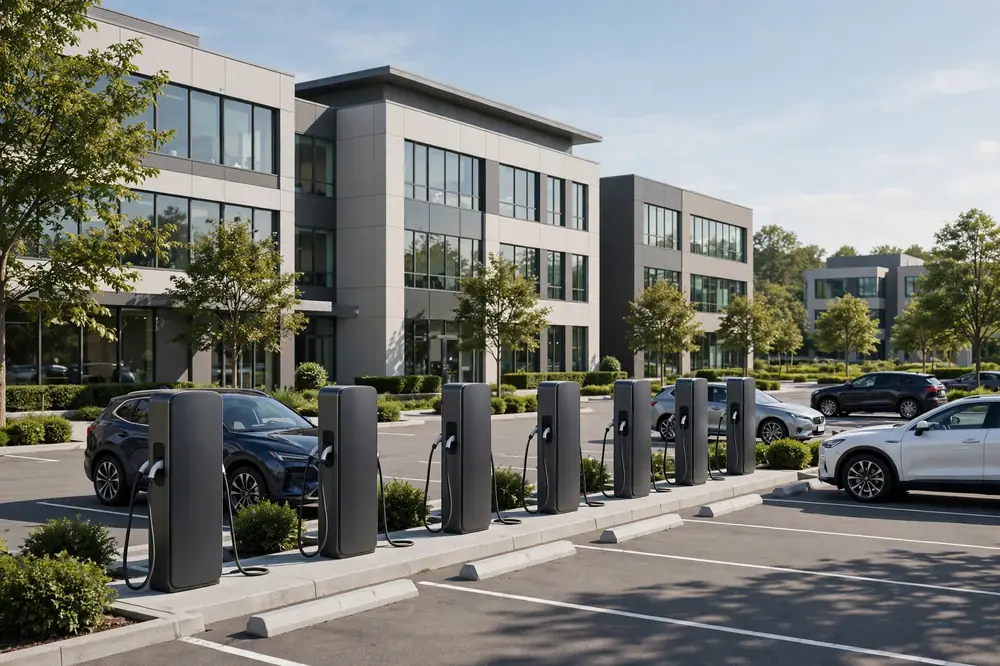 Commercial EV Charging Station InstallationWorkplace, retail, and hospitality charging stations with load management, access control, and multi-port layouts for Central Florida businesses.
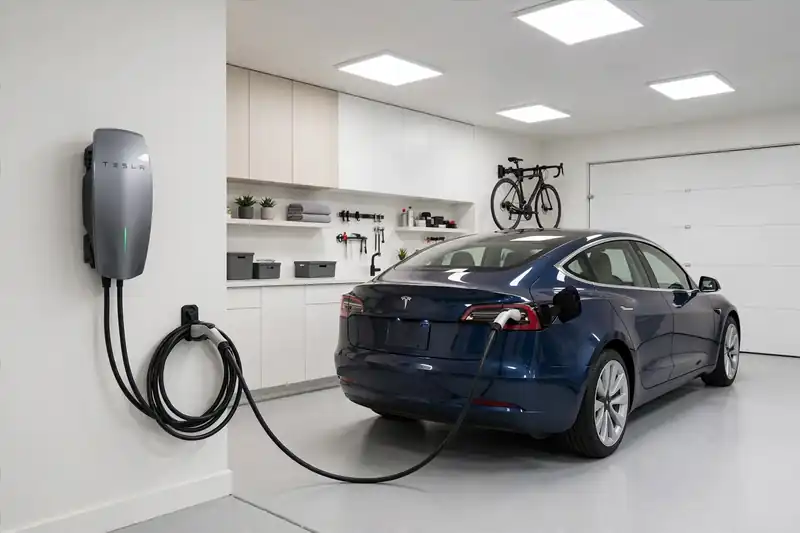
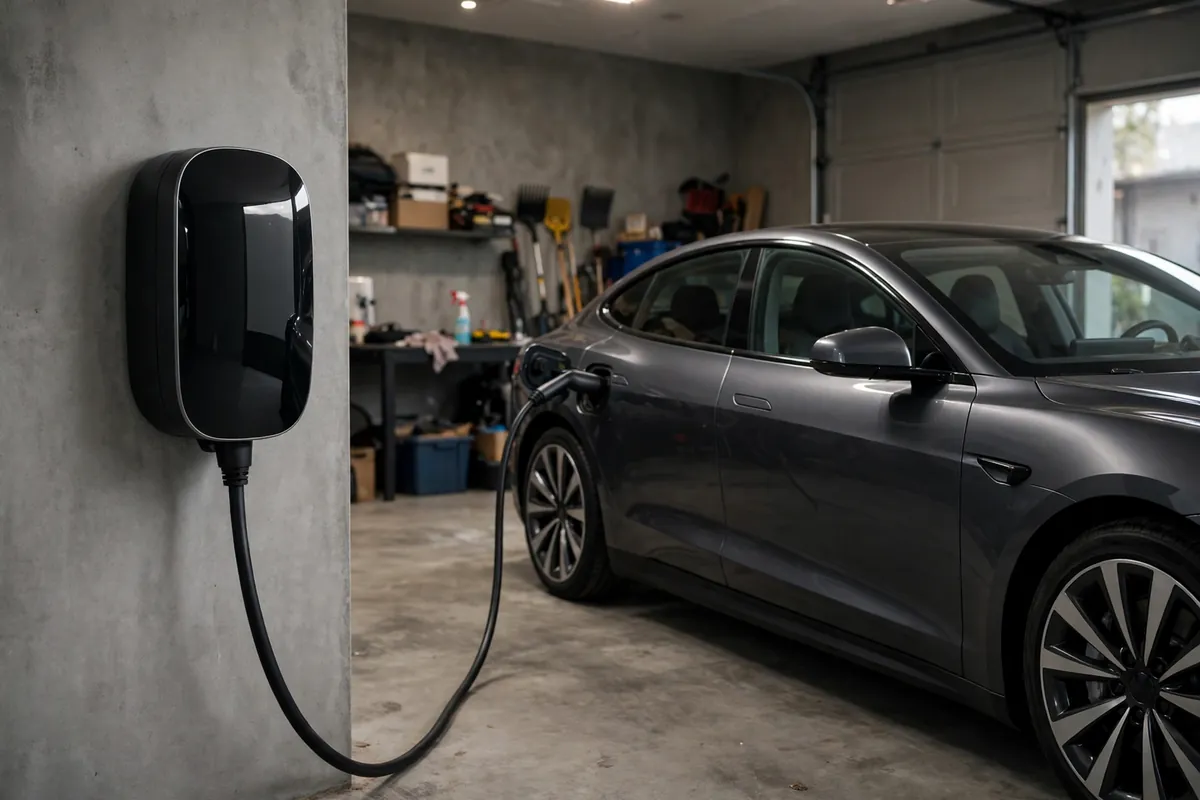 Tesla Wall Connector InstallationTesla Wall Connector and Universal Wall Connector installation for Model 3, Model Y, Model S, Model X, and Cybertruck — plus J1772/NACS charging for non-Tesla EVs.
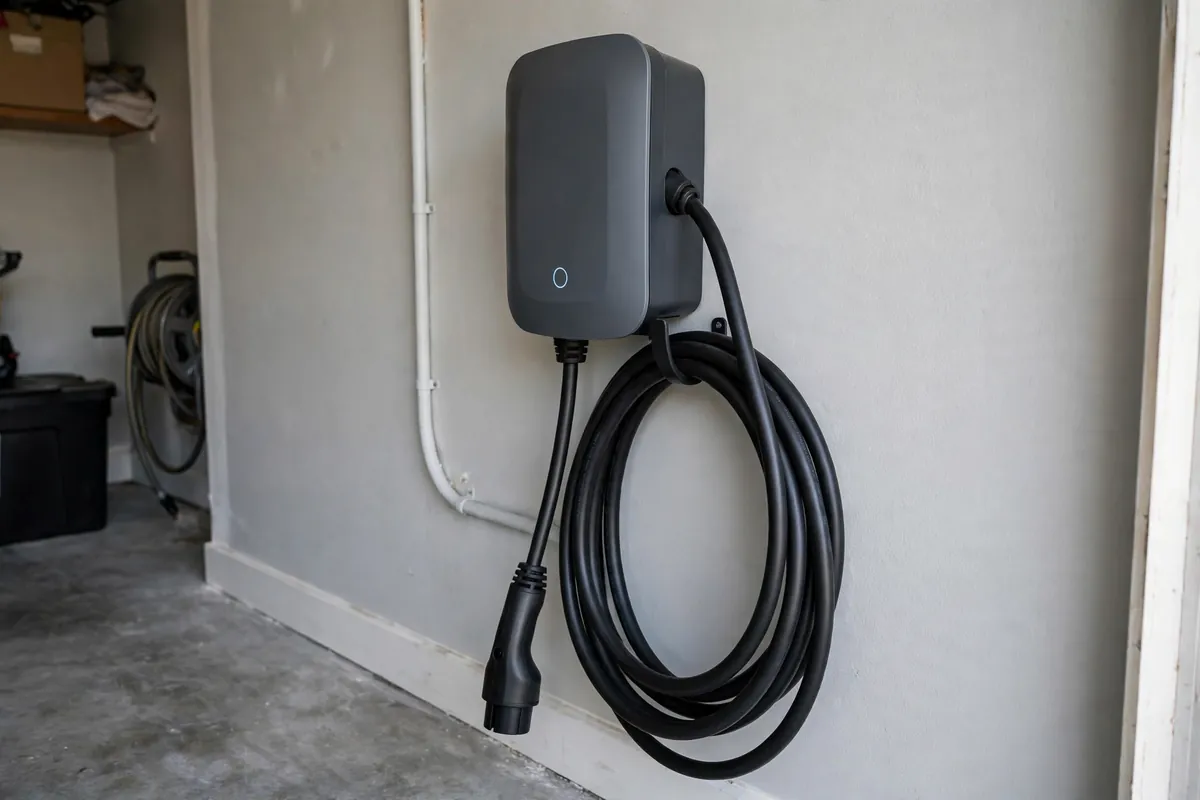 Level 2 EV Charger Installation240-volt Level 2 charger installation that adds serious miles of range per hour — the sweet spot for overnight home charging in Orlando.
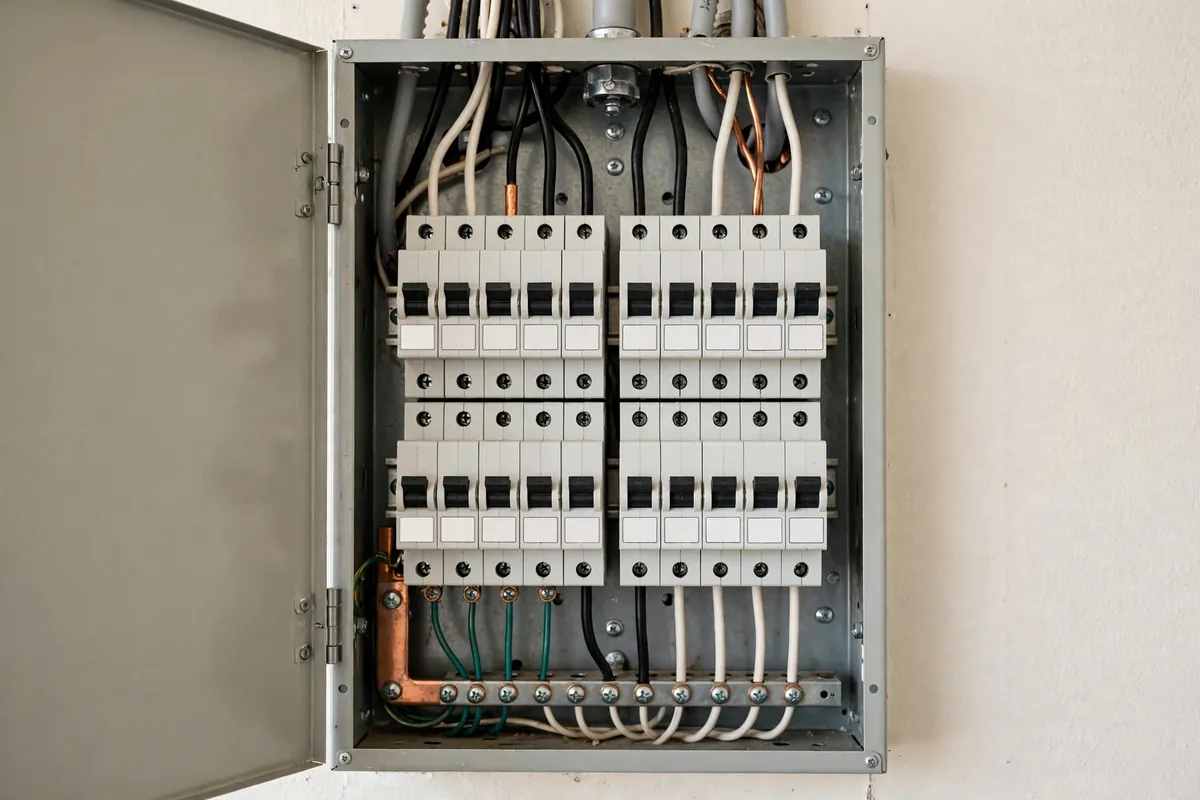 Electrical Panel Upgrade for EV ChargersPanel upgrades, subpanels, and service assessments when your existing panel can't safely support an EV charger. Load calculation included.
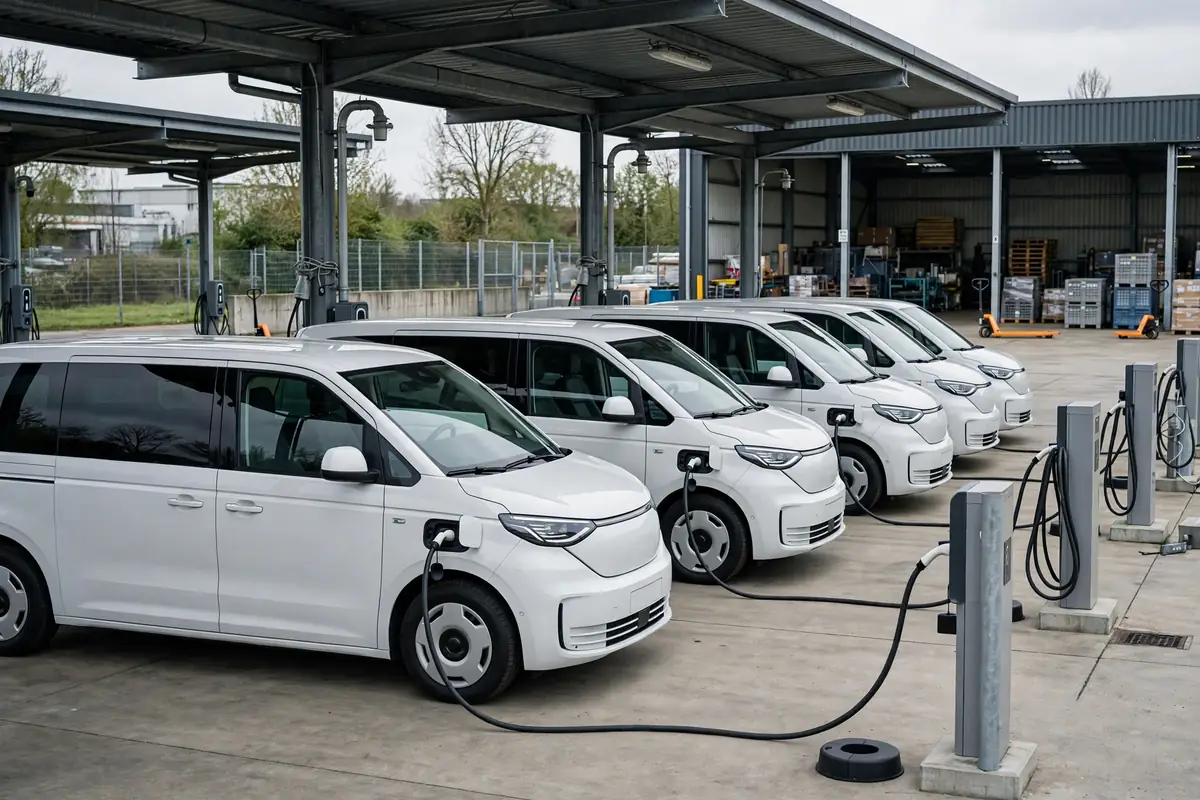 Fleet EV Charging InstallationDepot and fleet charging for delivery vans, service vehicles, and commercial fleets — scheduled charging, power sharing, and scalable layouts.
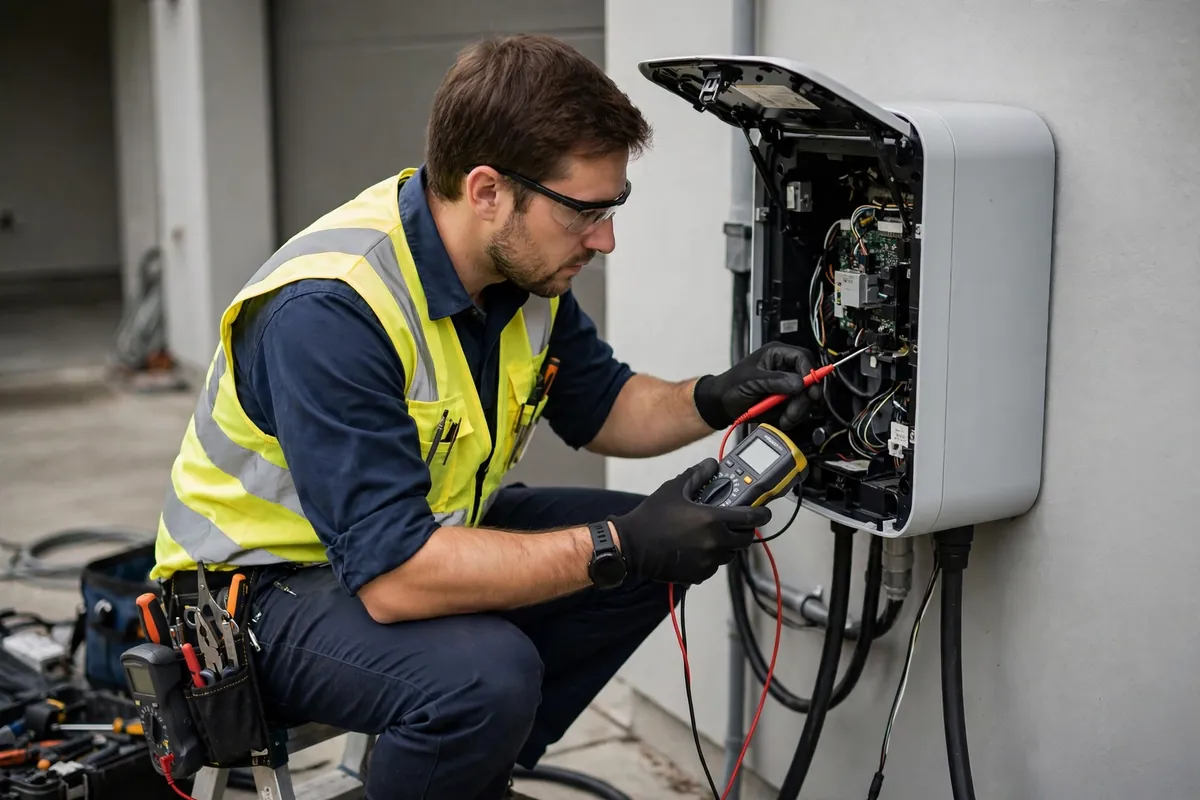 EV Charger Repair & MaintenanceTroubleshooting for chargers that won't power on, breakers that trip, slow charging speeds, and connectivity problems — for any brand.
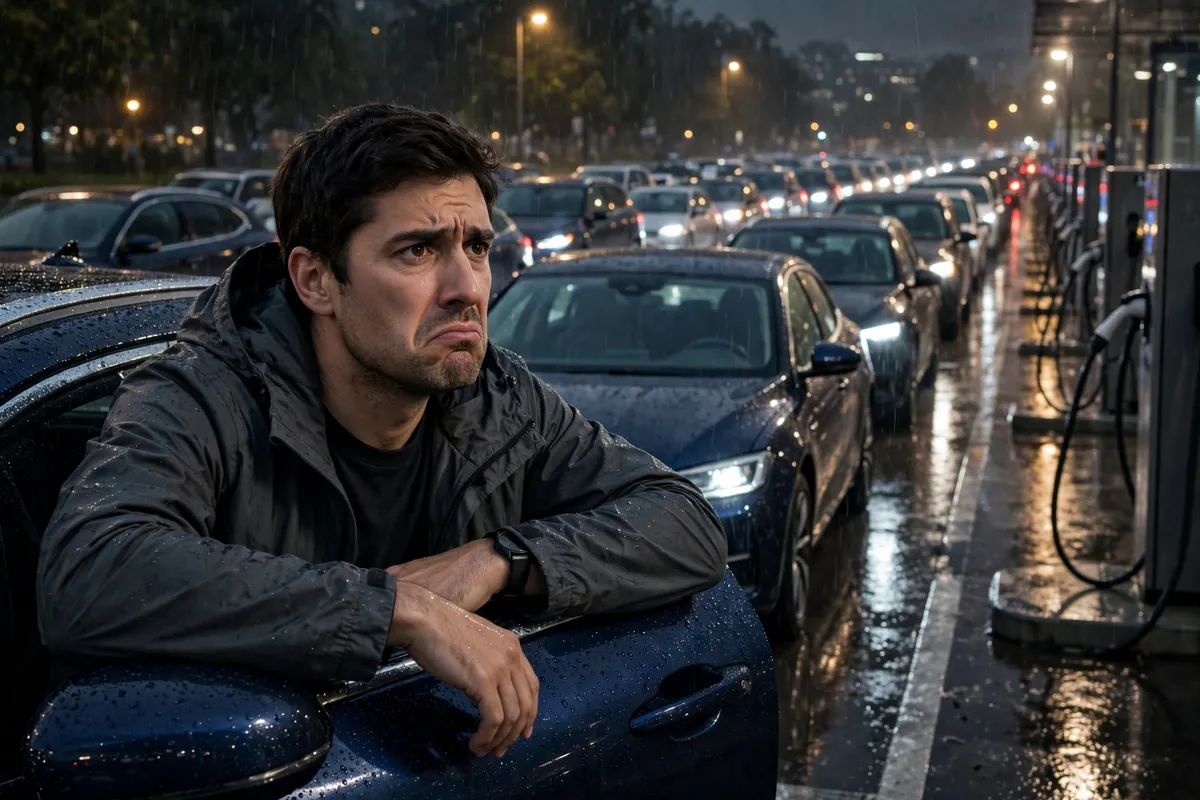
Public Charging Is Slowing You Down
Here's the reality for Orlando EV owners: public chargers cost more per kWh than home charging, they're often occupied when you need them, and driving to one eats into your day. A Level 1 trickle charger on a regular 120V outlet only adds a few miles of range per hour — fine for a plug-in hybrid, frustrating for a full EV with a real commute.
Then there's the panel question. Many Orlando homes — especially older ones in Winter Park, College Park, and parts of Kissimmee — still run on 100-amp panels. Add a 40- or 48-amp EV charger to a full panel without a proper load calculation and you'll get nuisance tripping — or worse. And in Florida, HOAs and condo boards sometimes make the approval process feel like an obstacle course.
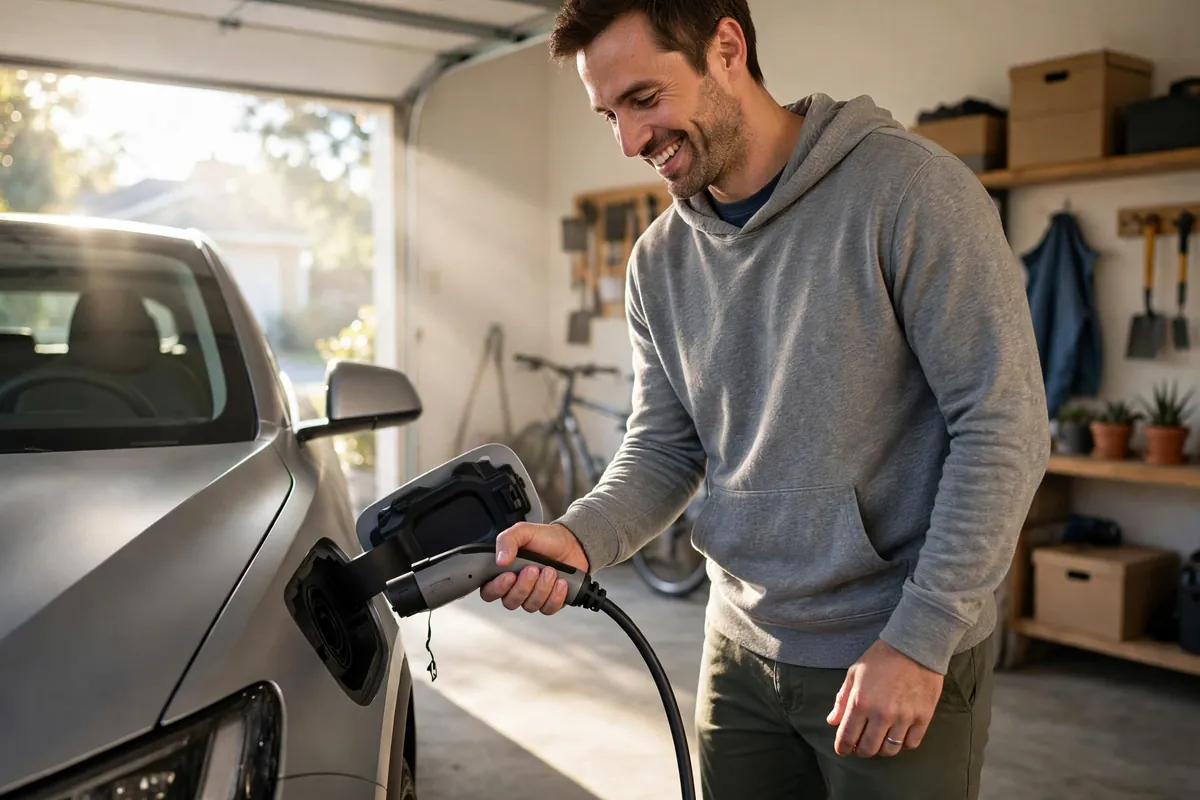
A Home Charger Installed the Right Way
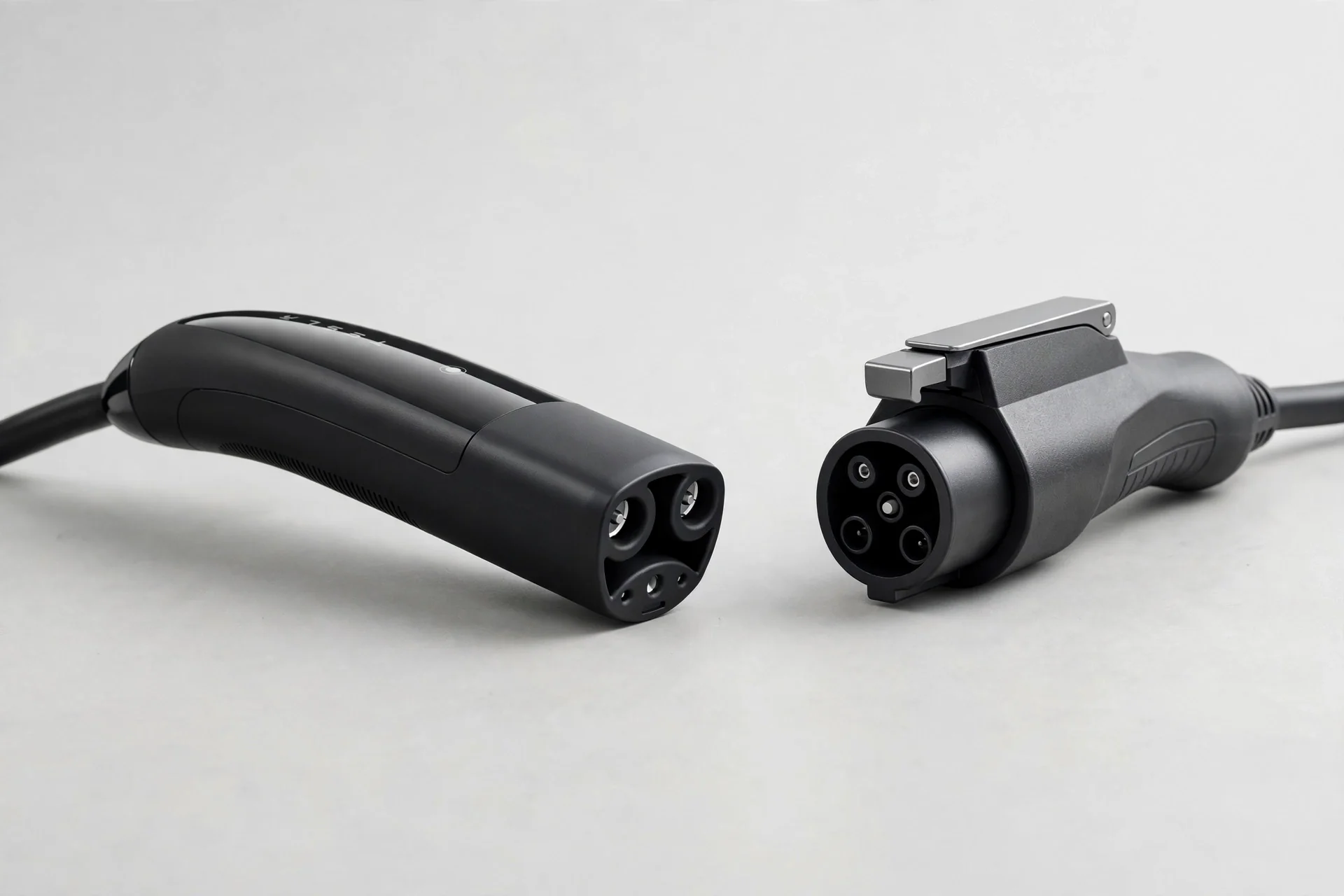
A professionally installed Level 2 charger changes everything: you plug in at night, the car charges while you sleep, and you leave with a full battery — no public-charger hunting, no waiting in line. Our process removes the guesswork:
- Load calculation first — we measure your panel's actual spare capacity, so you only upgrade if you truly need to.
- Right-sized circuit — 40A, 48A, or 60A, matched to your charger and your driving habits. No oversizing, no undersizing.
- Permitted and inspected — the City of Orlando (or your county) permit is pulled and the work passes inspection, which protects your home insurance too.
- Clean, code-compliant work — conduit run neatly, connections torqued to spec, GFCI rules followed, everything tested before we leave.
The result: home charging that just works, every single night.
How It Works
Step 1: Call and describe your setup
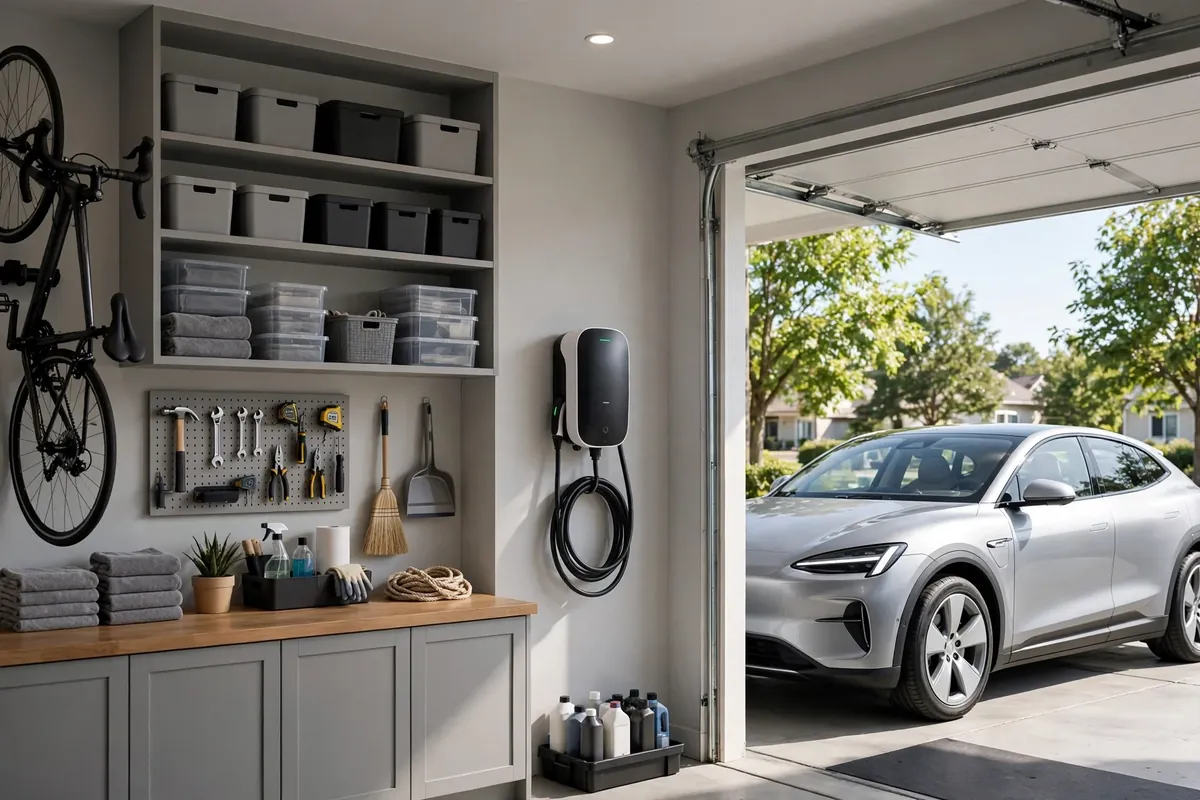
Tell us your EV model, where you want the charger (garage, driveway, carport), and where your electrical panel sits. Photos of your panel help us assess faster.
Step 2: On-site assessment and load calculation
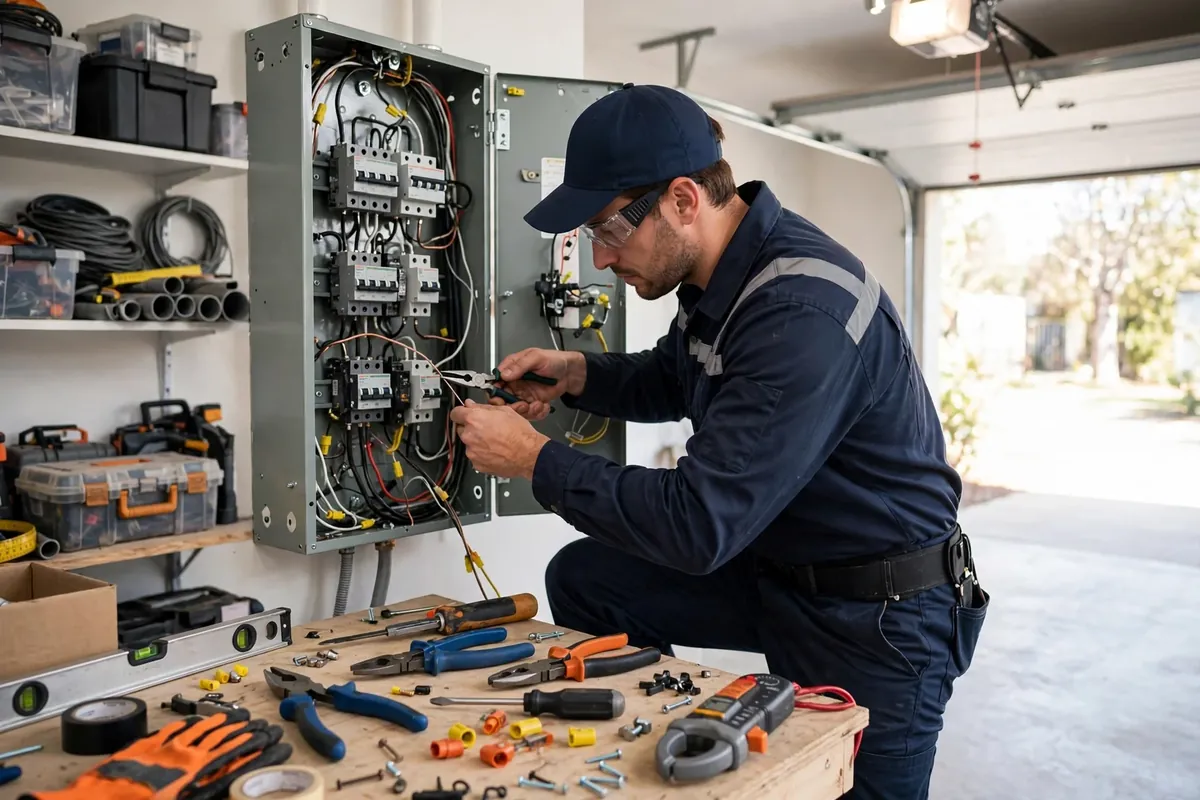
A licensed electrician visits, checks your panel capacity, measures the wire run, and confirms the right charger size and circuit for your home. You'll get a clear scope of work before anything starts.
Step 3: Permitted installation
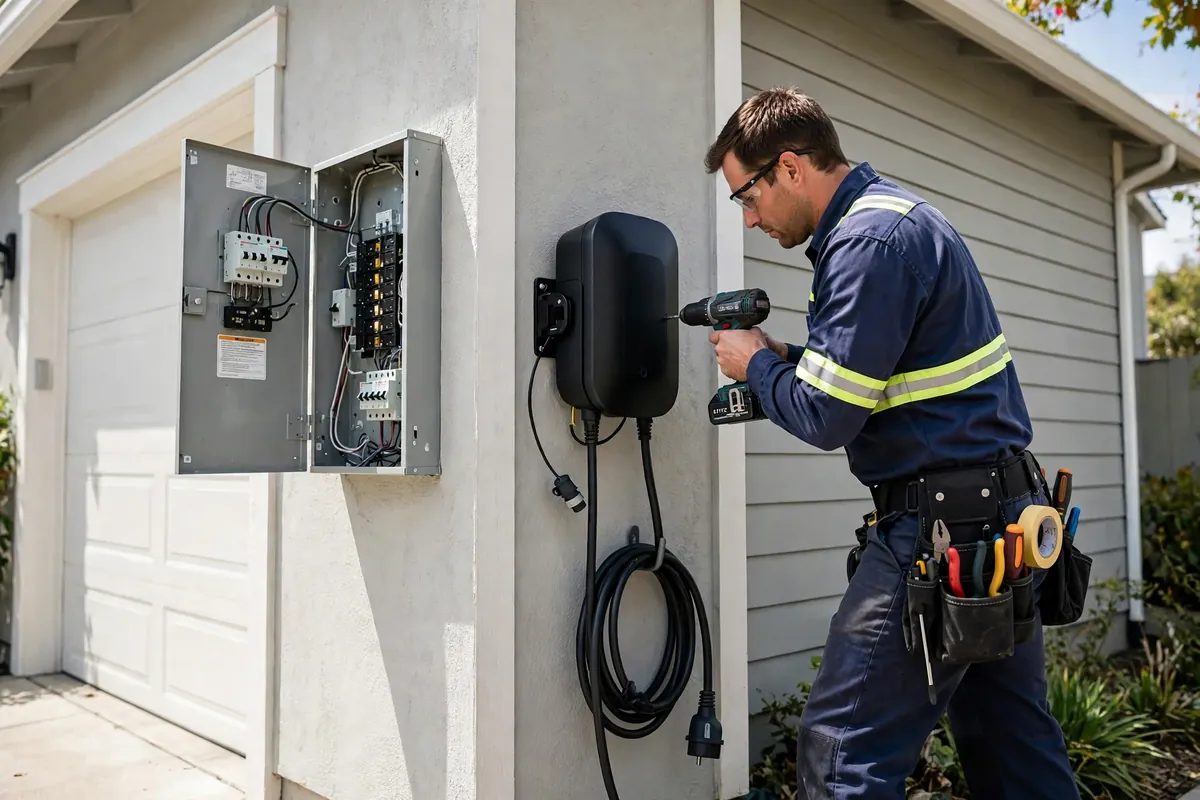
We pull the permit, run the circuit, mount the charger (hardwired or NEMA 14-50, your choice), and wire it to code. Most residential installs are completed in a single visit.
Step 4: Inspection, testing, and walkthrough
We schedule the inspection, test the charger under load, connect it to your app if it's a smart unit, and walk you through scheduling off-peak charging to take advantage of lower overnight utility rates.
Level 1 vs Level 2 vs Level 3: Which Do You Need?
| Level 1 | Level 2 | Level 3 (DC Fast) | |
|---|---|---|---|
| Voltage | 120V standard outlet | 240V dedicated circuit | 400V+ DC |
| Range per hour | ~3–5 miles | ~25–44 miles | ~100–250+ miles |
| Full charge | 24–48+ hours | 4–10 hours | 20–60 minutes |
| Where it lives | Any wall outlet | Home garage / workplace | Public stations |
| Install needed | None | Licensed electrician | Commercial only |
Our take: Level 1 works for plug-in hybrids or very short commutes. For most Orlando EV drivers, Level 2 is the right call — it fully charges overnight and handles Florida commutes (I-4, the 408, the Turnpike) with room to spare. Level 3 / DC fast charging is commercial infrastructure, not a home product — see our commercial EV charging station installation page for that.
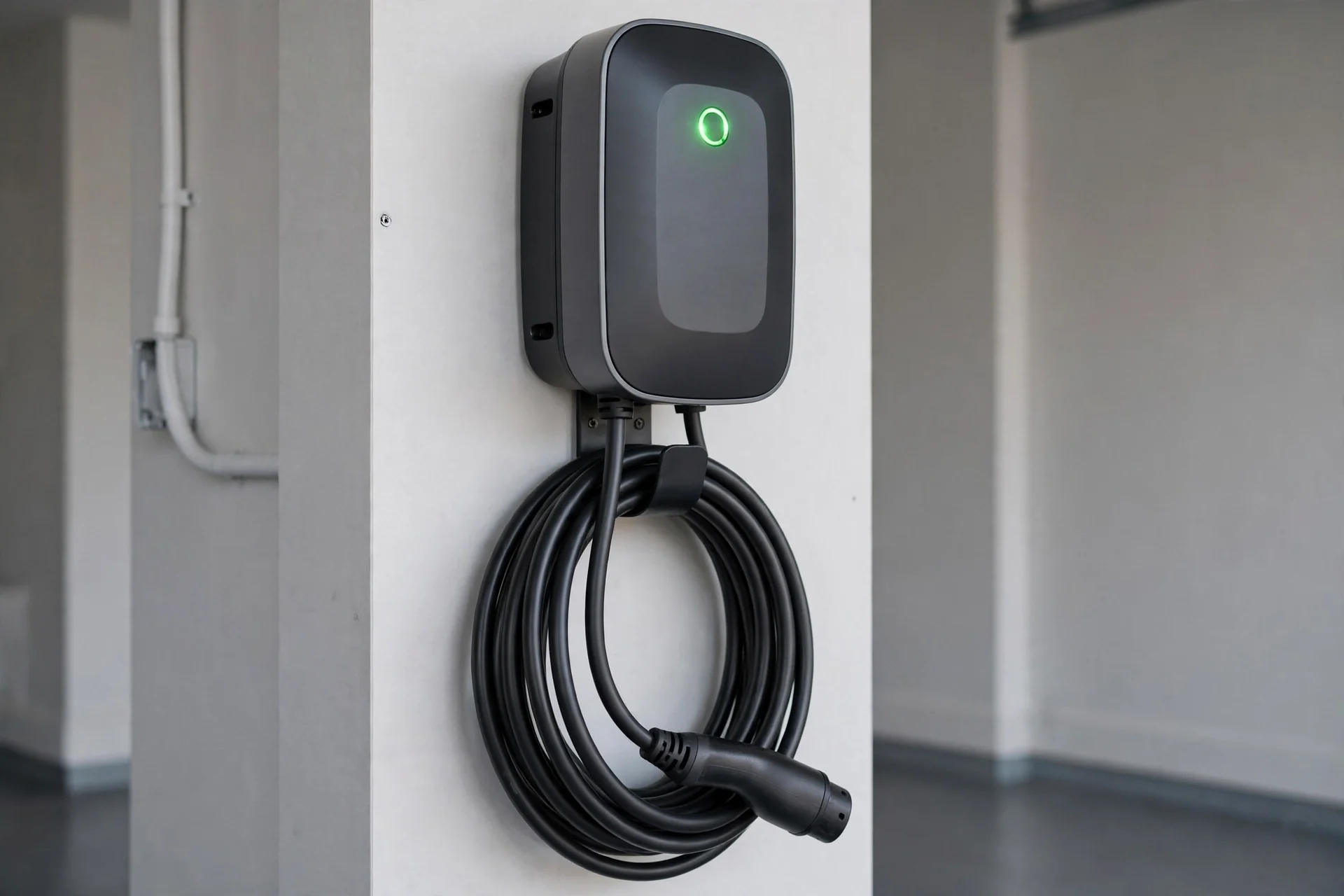
Recent EV Charger Installations in Orlando
Service Areas: EV Charger Installation Across Greater Orlando
We install EV chargers throughout Orange, Seminole, and Osceola counties:
Don't see your neighborhood? We also serve Maitland, Apopka, Sanford, Longwood, Casselberry, Ocoee, Winter Garden, Clermont, St. Cloud, and Celebration — call now to check.
Why Choose Us for EV Charger Installation in Orlando
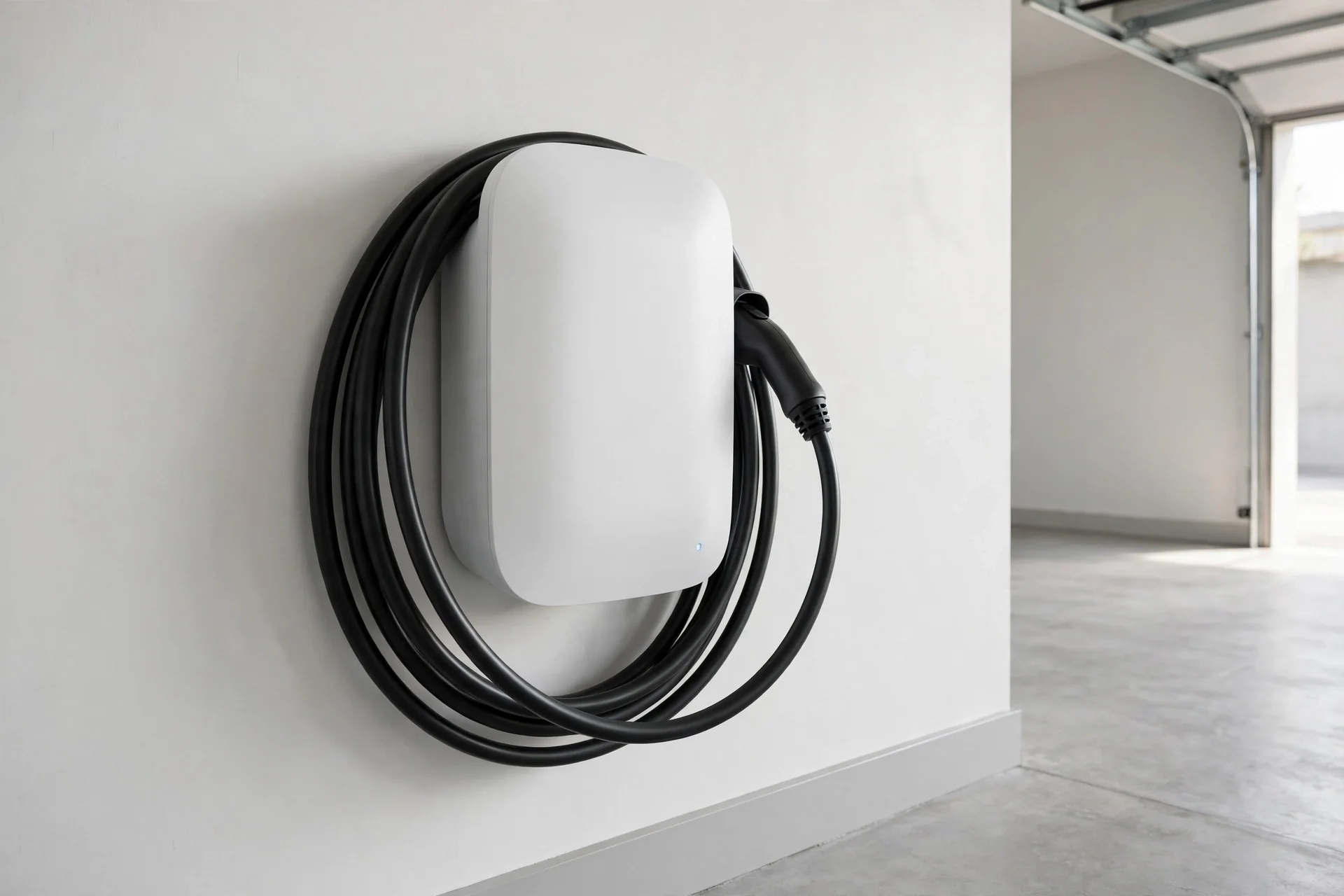
Licensed electricians, EV specialists. We're not general handymen who occasionally wire a charger. EV charging is what we do — NEMA 14-50 receptacles, hardwired Level 2 units, Tesla Wall Connectors, panel upgrades, and commercial stations.
Load calculation before every quote. Many electricians size by guesswork — and five electricians will give you five different answers. We run a real NEC load calculation on your panel first, so your circuit is sized to your home's actual capacity. If your 100-amp panel can handle a 40A circuit with room to spare, we'll tell you — no unnecessary panel upgrade.
Permits handled, inspections passed. Orlando, Orange County, Seminole, and Osceola each have their own permit process. We pull the permit, meet the inspector, and make sure the work is documented. Unpermitted electrical work can cause real problems with home insurance claims — don't skip it.
Code-compliant installations, built for Florida. Hardwired units where they make sense (fewer failure points, no GFCI-breaker nuisance tripping), properly torqued connections, and surge protection recommendations — because Central Florida is the lightning capital of the country.
Orlando local expertise. We know the housing stock: the 1960s ranch homes in Azalea Park, the new builds in Horizon West, the condos downtown, the townhomes in Lake Nona. That local knowledge means fewer surprises and a cleaner install.
All major charger brands serviced. Tesla Wall Connector and Universal Wall Connector, ChargePoint Home Flex, Wallbox Pulsar Plus, Emporia, Grizzl-E, Ford Charge Station Pro, Rivian Wall Charger — if it charges an EV, we install and service it. (We are an independent installer and are not affiliated with or endorsed by Tesla or any charger manufacturer.)
Do I need a permit for an EV charger installation in Orlando?
Yes, in most cases. Orlando, Orange County, and surrounding jurisdictions require an electrical permit for new 240V circuits and hardwired EV chargers. The permit covers the new circuit, breaker, wiring, and the charger connection. We handle the entire permit process — application, scheduling, and the inspection — so you don't deal with the paperwork.
How long does EV charger installation take?
A standard residential Level 2 install — panel with spare capacity, garage within a short wire run — is typically completed in a single visit of a few hours. Jobs that need a panel upgrade, trenching to a detached garage, or a long conduit run take longer. The permit and inspection scheduling add calendar time around the actual install day.
Will a Level 2 charger hurt my EV battery?
No. Level 2 home charging (typically 7–11 kW) is well within what modern EV batteries are designed for daily. Battery wear is far more associated with frequent DC fast charging and charging to 100% constantly. Most manufacturers recommend daily charging to 80–90% on Level 2 — check your owner's manual for your specific model.
Is my current electrical panel enough for a Level 2 charger?
Sometimes — it depends on a load calculation, not just the panel's label. Many Orlando homes with 100-amp service can support a 32A or 40A EV circuit if the rest of the home's loads are modest. Others are already near capacity and need a panel upgrade or a load-management device. That's exactly why we run the calculation before recommending anything.
Can my Florida HOA or condo board stop me from installing an EV charger?
For condos, Florida law (Statute 718.113(8)) says an association cannot prohibit a unit owner from installing an EV charger in their own designated parking area — though they can set reasonable requirements for safety and insurance. For single-family HOAs, the rules vary by community; most approve with an architectural review application. We help with the documentation HOAs typically ask for.
Should my home charger be hardwired or plugged into a NEMA 14-50 outlet?
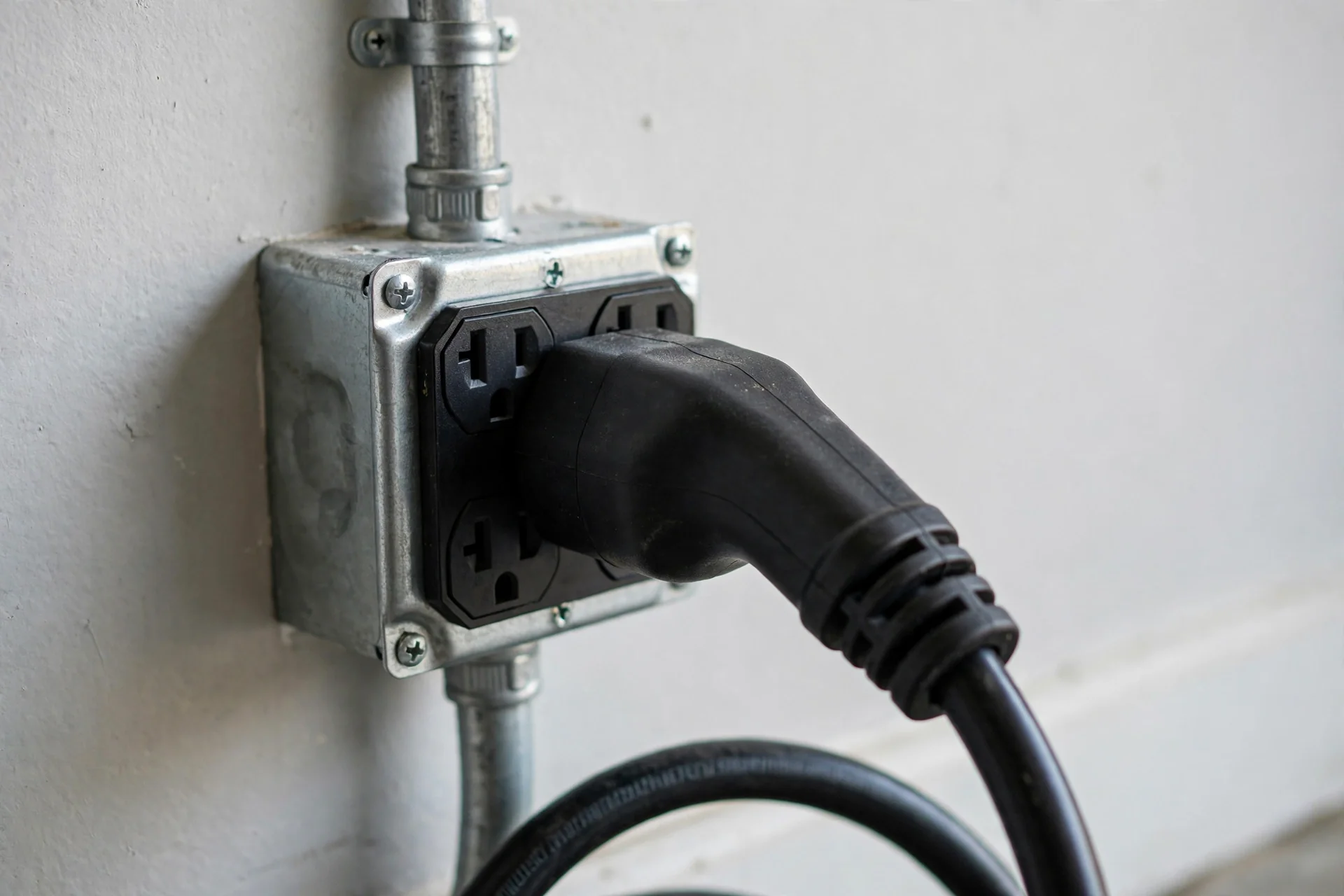
Both work, but electricians increasingly recommend hardwiring. A hardwired charger has two fewer connection points to fail, avoids the GFCI-breaker nuisance tripping that plagues 50A receptacles, supports higher amperage (up to 48A/60A circuit), and some utility rebate programs only cover hardwired units. A NEMA 14-50 keeps the charger portable if you move. We'll recommend based on your panel and plans.
Can I install an EV charger myself in Florida?
Florida requires electrical work to be performed by a licensed electrician, and EV charger circuits involve 240V wiring, load calculations, and permits that DIY installs typically skip. Beyond the legal side, mistakes with high-amperage circuits are a genuine fire risk, and unpermitted work can void home insurance coverage. This is one job to leave to a licensed pro.
Does Florida's weather affect outdoor EV charger installations?
Yes — and it's worth planning for. Central Florida gets intense sun, driving rain, and more lightning strikes than anywhere else in the US. We recommend outdoor-rated (NEMA 3R or better) enclosures, proper weatherproof conduit fittings, and whole-home or panel-level surge protection. A charger mounted on a shaded garage wall fares far better than one baking in direct afternoon sun.
Ready for Home Charging That Just Works?
Stop planning your week around public chargers. Get a Level 2 charger installed by licensed Orlando electricians — permitted, inspected, and tested before we leave.
Serving Orlando, Winter Park, Lake Nona, Windermere, Dr. Phillips, Altamonte Springs, Kissimmee, Oviedo, and all of Orange, Seminole & Osceola counties.