TL;DR
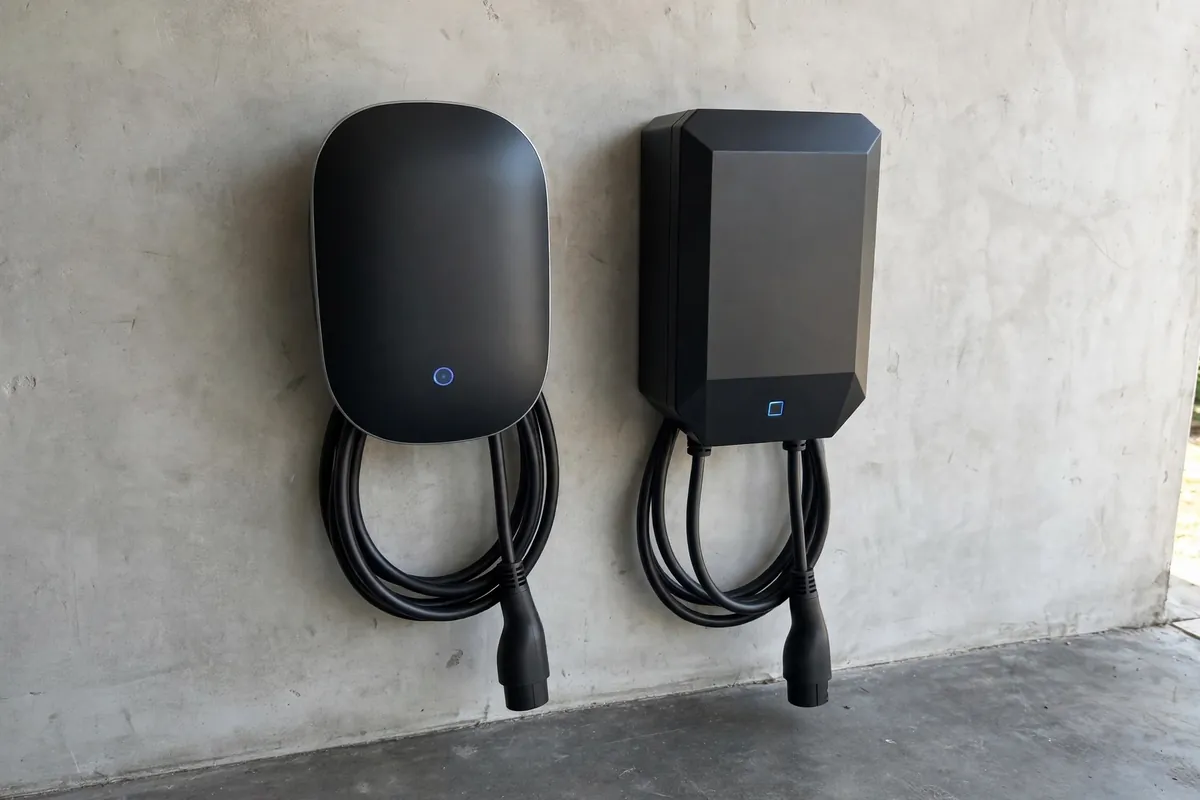
Problem: These are the two names that come up in almost every Orlando EV forum thread — and the debates rarely settle anything, because the right answer depends on your cars, not the chargers' spec sheets.
Solution: Tesla Wall Connector fits Tesla-centered households with its 48-amp hardwired setup, Tesla-app integration, and multi-unit power sharing. ChargePoint Home Flex fits mixed-EV households with adjustable amperage (16–50A), hardwired or plug-in options, and NACS or J1772 plug choices. Neither is "better" — they are built for different garages.
When to call: Whichever you lean toward, confirm your panel can feed it before you buy. A site survey settles the question in one visit: Call Now.
Quick Answer
The Tesla Wall Connector is a 48-amp hardwired charger designed around the Tesla ecosystem — ideal for Tesla households, with power sharing across multiple units. The ChargePoint Home Flex offers adjustable amperage from 16 to 50 amps in hardwired or NEMA 14-50 plug-in versions, with NACS and J1772 plug options — ideal for mixed-EV households or homes with uncertain panel capacity. Choose based on your cars and your electrical panel, not brand loyalty.
1. Charging Speed and Amperage
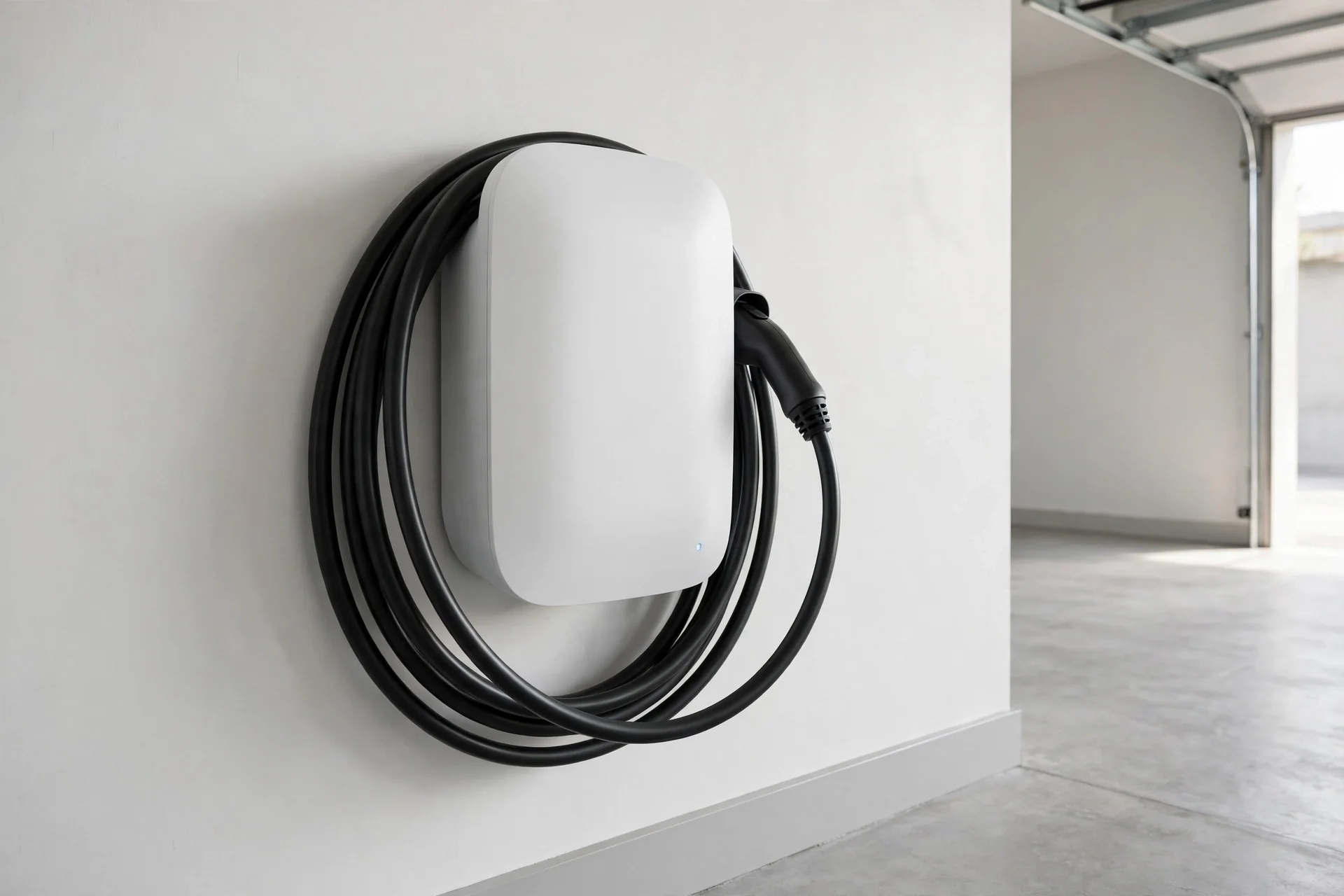
This is the most concrete difference. The Tesla Wall Connector delivers up to 48 amps on a 60-amp circuit — the practical maximum for residential AC charging, adding roughly 30–37 miles of range per hour depending on the car.
The ChargePoint Home Flex is adjustable from 16 to 50 amps, set by the installer to match the circuit. At its top setting on a 60-amp circuit it matches the Wall Connector's pace; at lower settings it steps down gracefully for panels with less room to spare.
Why this matters in Orlando: many local homes have 100-amp services where a load calculation only leaves room for a 40-amp (or smaller) EV circuit. The Home Flex adapts to that reality — the installer dials in whatever the panel supports. The Wall Connector is configurable too, but its headline strength is maximum speed on a full 60-amp circuit.
2. Plug Types: NACS, J1772, and Universal
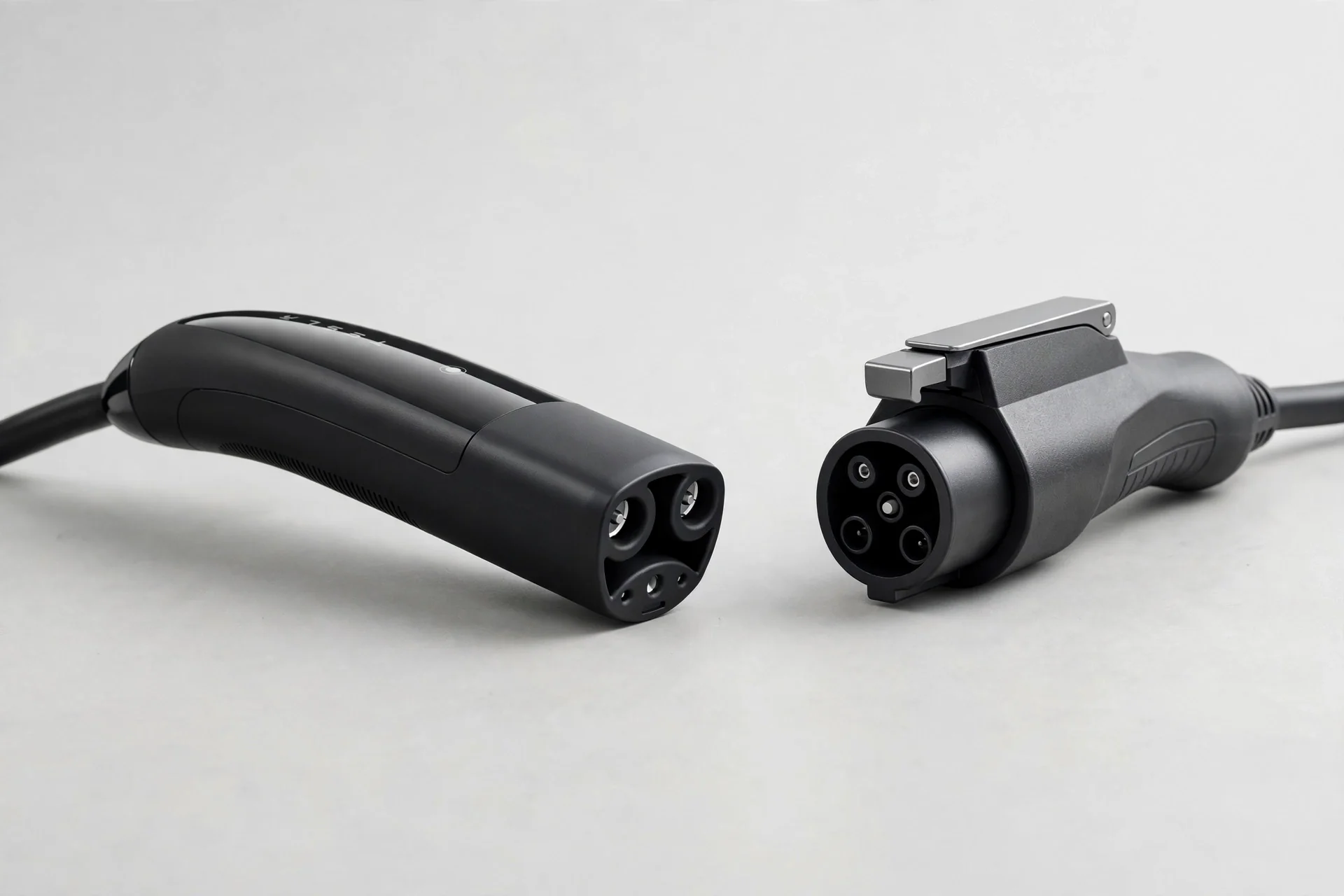
- Tesla Wall Connector comes in a native NACS version and a Universal version with a built-in docked J1772 adapter that charges any EV — Tesla or not — from the same unit.
- ChargePoint Home Flex is sold in NACS and J1772 versions, so you pick the plug that matches your cars.
For an all-Tesla household, the standard Wall Connector is the tidy choice. For a household with a Tesla and a non-Tesla (or a future non-Tesla), the Universal Wall Connector or either Home Flex version covers both. The Universal Wall Connector's built-in adapter is genuinely convenient — no loose adapter to lose, and guests with any EV can plug in.
3. Hardwired vs Plug-In
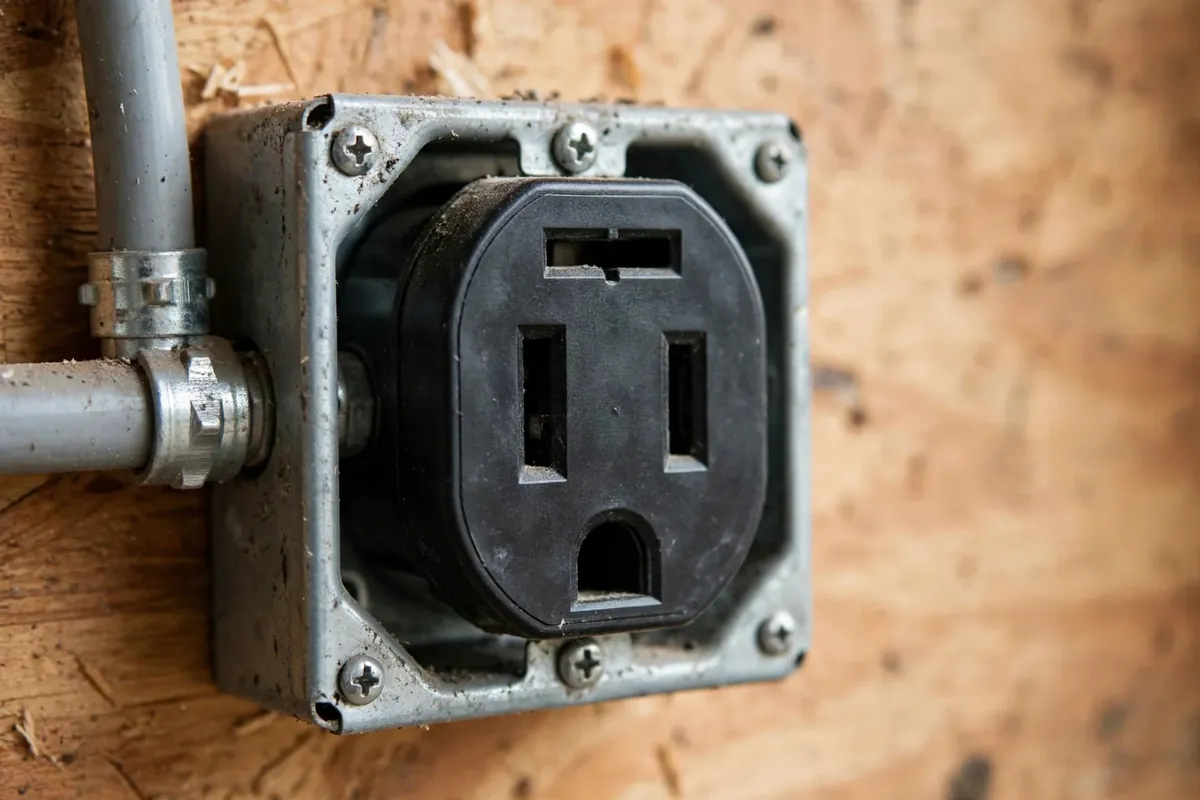
The Wall Connector is hardwired only — it wires directly into the circuit, which suits its 48-amp maximum and follows the pro consensus that hardwired means fewer failure points.
The Home Flex offers both: a hardwired version (up to 50 amps) and a NEMA 14-50 plug-in version (up to 40 amps). The plug-in option appeals to renters, people who may move, or anyone who already has a properly wired 240V receptacle in the garage. Remember the trade-offs from our Level 1 vs 2 vs 3 guide: plug-in tops out at lower amperage and needs GFCI protection on the receptacle.
4. Apps and Smart Features
- Tesla Wall Connector is managed through the Tesla app — scheduling, monitoring, and power-sharing settings live alongside the car itself. If you already live in the Tesla app, this is seamless. If you don't own a Tesla, it's irrelevant.
- ChargePoint Home Flex uses the ChargePoint app, with scheduled charging, energy tracking, charging reminders, and integration with many utility time-of-use programs. It also ties into the broader ChargePoint public network account if you use public chargers.
For off-peak charging in Florida — the feature that actually saves money month to month — both handle scheduling well. The difference is ecosystem: Tesla app vs ChargePoint app.
5. Two-EV Households: Power Sharing
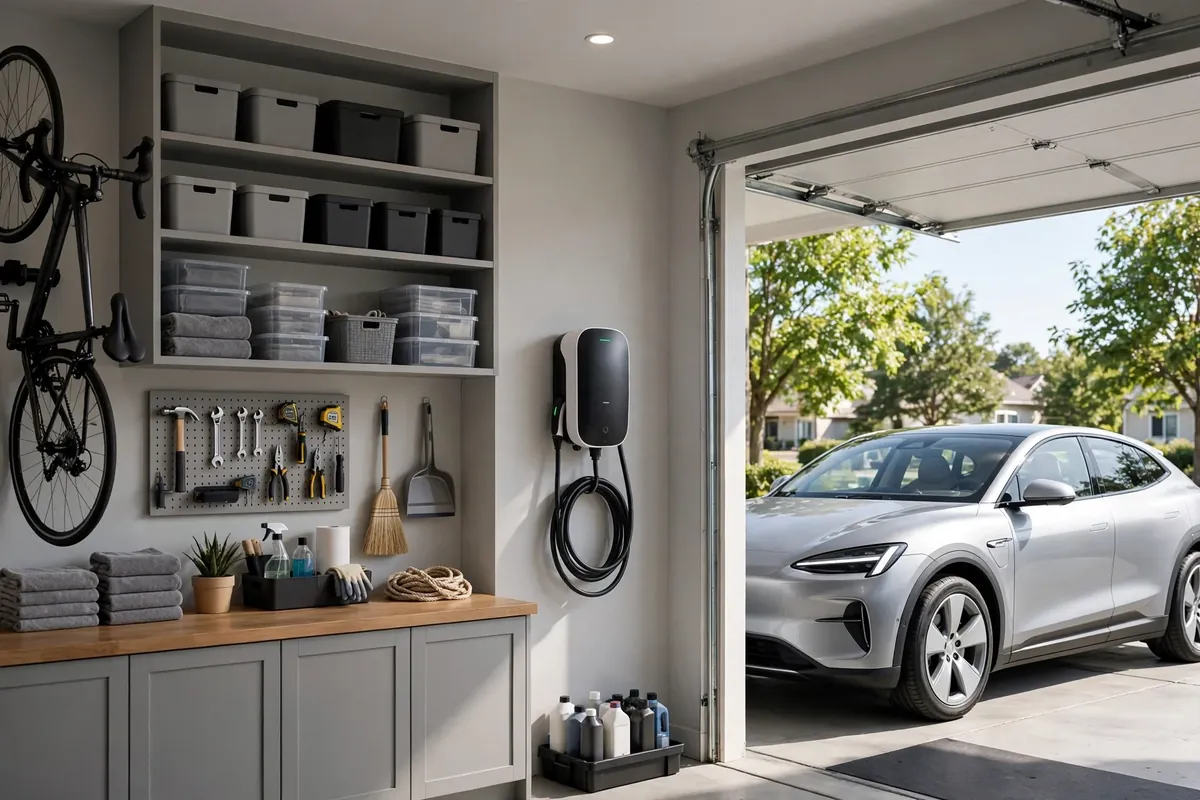
Both handle the two-car garage, differently:
- Tesla Wall Connector supports power sharing across multiple Wall Connectors on a single circuit — they communicate and split available power intelligently. Clean, purpose-built, Tesla-only.
- ChargePoint Home Flex doesn't natively daisy-chain the same way, but its adjustable amperage means two units can be set to share a panel's capacity conservatively — and for many households, one flexible charger plus scheduled overnight charging covers two cars without any sharing hardware at all.
If both cars are Teslas and you want the elegant solution, Wall Connector power sharing is hard to beat. For mixed fleets, the Home Flex's flexibility usually wins on practicality.
6. Installation and Electrical Requirements

Both need a licensed electrician, a dedicated circuit, and a permit in Orlando — no difference there. The practical distinctions:
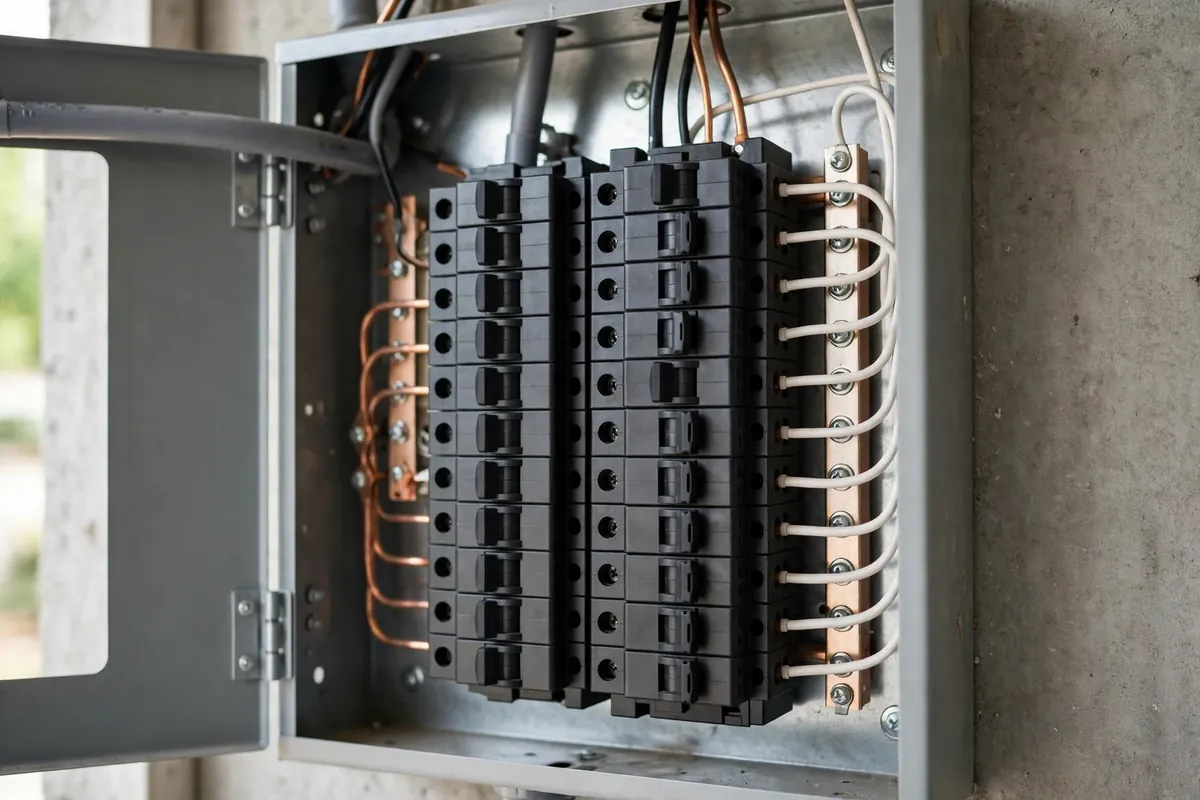
- Wall Connector: 60-amp circuit for full 48-amp output; hardwired, so the install is one clean run from panel to unit.
- Home Flex: circuit sized to the chosen amperage setting (a 20-amp circuit for a 16-amp setting, up to 60-amp for the max). The adjustability is the point — the electrician sizes the circuit to what your panel actually has.
This is where the site survey earns its keep. The "right" charger is the one your panel can feed without a fight, and only a load calculation tells you that.
7. Outdoor and Florida-Weather Suitability
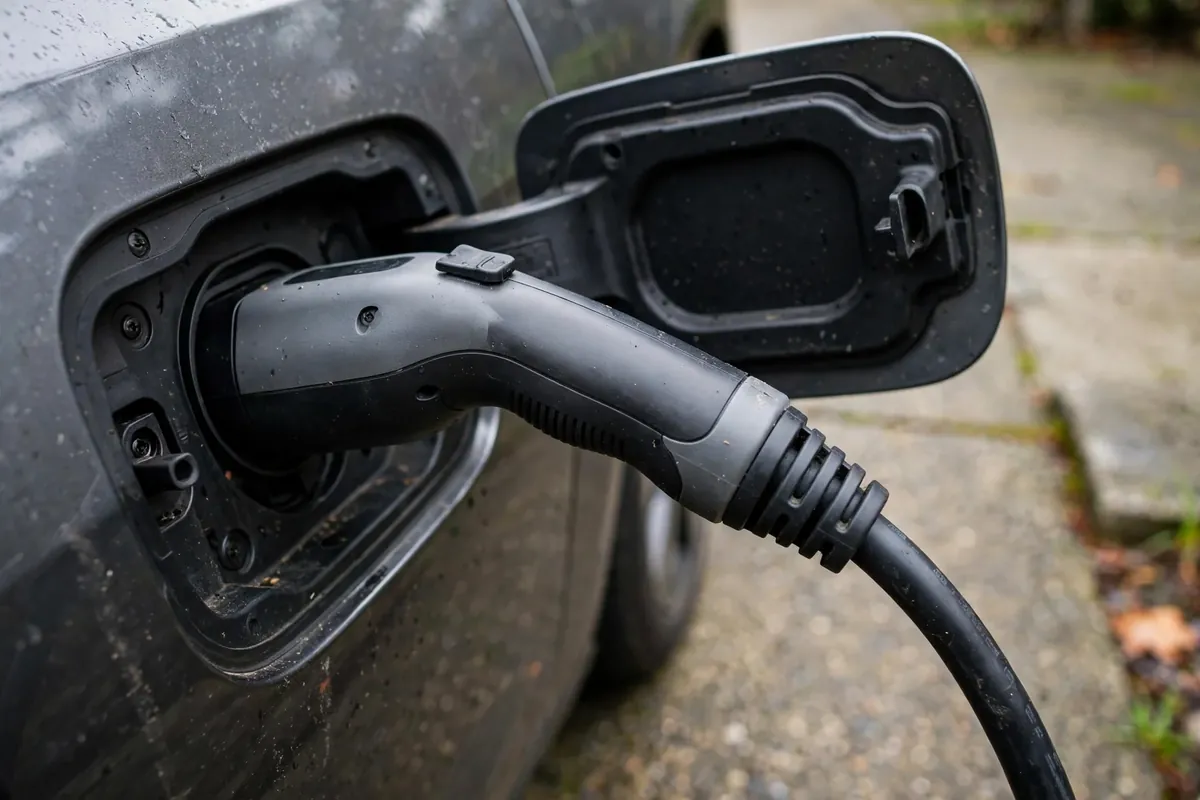
Both units are rated for indoor/outdoor installation — important in Florida, where many chargers live on exterior garage walls or carports. Standard advice applies to both: mount out of direct afternoon sun, keep the cable off the ground, and confirm the WiFi signal reaches the mounting spot for smart features.
8. Which Should You Buy? A Decision Framework
- Buy the Tesla Wall Connector if: your household is all-Tesla, you want maximum 48-amp home charging, you like the Tesla app, or you want multi-unit power sharing for two+ Teslas. Get the Universal version if a non-Tesla might ever charge there.
- Buy the ChargePoint Home Flex if: you have mixed EV brands, your panel capacity is uncertain (the adjustable amperage is forgiving), you want a plug-in option, or you prefer the ChargePoint app and its utility integrations.
- Either way: confirm the pick with your installer before ordering. Amperage, plug type, and hardwired-vs-plug-in all interact with your panel and your parking — a five-minute conversation prevents a return shipment.
Key Takeaways
- Tesla Wall Connector: 48A hardwired, Tesla-app managed, multi-unit power sharing — built for Tesla households.
- ChargePoint Home Flex: 16–50A adjustable, hardwired or plug-in, NACS or J1772 — built for flexibility and mixed-EV homes.
- The Universal Wall Connector (built-in J1772 adapter) is the bridge pick for Tesla homes that host other EVs.
- Panel capacity decides more than brand preference — get the load calculation first.
- Both handle scheduled off-peak charging; both are outdoor-rated for Florida installs.
Tesla Wall Connector vs ChargePoint Home Flex — which is better?
Neither — they serve different households. The Wall Connector suits Tesla-centered garages with its 48-amp output and Tesla-app integration. The Home Flex suits mixed-EV households or uncertain panels with adjustable amperage and plug options. Match the charger to your cars and your electrical panel.
Wall Connector or universal charger — which suits a multi-EV home?
A Wall Connector (or any hardwired Level 2 charger) charges faster — up to 48 amps vs ~40 for a plug-in — with fewer failure points and cleaner code compliance. A NEMA 14-50 receptacle with a plug-in charger is portable and useful if you already have the outlet. For a fresh installation, hardwired is the pro consensus.
Do non-Tesla EVs need an adapter for a Wall Connector?
Yes. The Tesla Universal Wall Connector has a built-in J1772 adapter that charges any EV. The standard NACS Wall Connector charges non-Tesla EVs with NACS ports directly, and older J1772-port EVs with an adapter.
What size breaker does a Tesla Wall Connector installation use?
Yes. Like every Level 2 charger, it requires a dedicated circuit — no sharing with the dryer or other large loads. For full 48-amp output it needs a 60-amp breaker under the NEC 80% continuous-load rule.
40A vs 48A — which charging speed do I actually need?
Check your car's onboard charger first — many EVs cap out below 48 amps, in which case the extra headroom buys nothing today. If you drive modest daily miles, 40 amps (roughly 25–30 miles/hour) finishes overnight with room to spare. Choose 48 amps for large-battery EVs or maximum future-proofing.
Can I install two chargers in one garage on a single circuit?
Sometimes. Tesla Wall Connectors can power-share on one circuit by design. Other setups need the panel capacity for two circuits or a load-management approach. An installer can tell you which option your panel supports — this is a common question during site surveys for two-EV households.
Related Posts
- Best Home EV Chargers for 2026
- Level 1 vs Level 2 vs Level 3 EV Charging Explained
- Do You Need a Panel Upgrade for an EV Charger?
Decided on a charger? Get it installed right — permitted, inspected, commissioned: Call Now
Sources: Tesla Wall Connector and ChargePoint Home Flex product documentation; Tesla Motors Club and Reddit owner comparison threads; ElectricianTalk pro forum on hardwired vs receptacle installs; NEC 80% continuous-load rule; AnswerThePublic-style PAA research on charger comparison questions.