Quick Answer
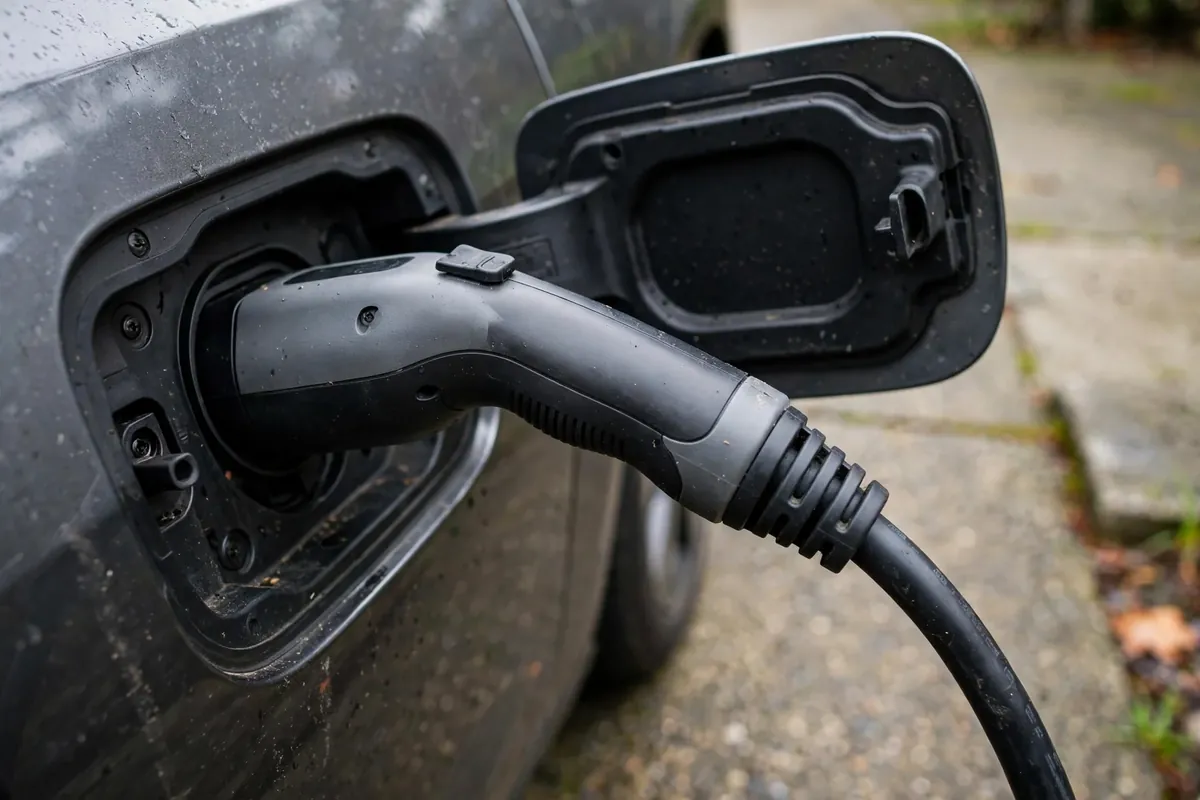
A home Level 2 EV charger typically lasts around ten years, and well-installed units in protected locations often serve noticeably longer. Unlike a car, a charger has no engine, no fluids, and almost no moving parts, so its lifespan is set mostly by three things: the daily wear on its cable and connector, the heat and weather it lives in, and the quality of the original installation. Portable Level 1 cordsets tend to live harder lives — coiled in trunks, run over, used outdoors — and usually wear out sooner than a fixed wall unit.
1. The Honest Lifespan Numbers
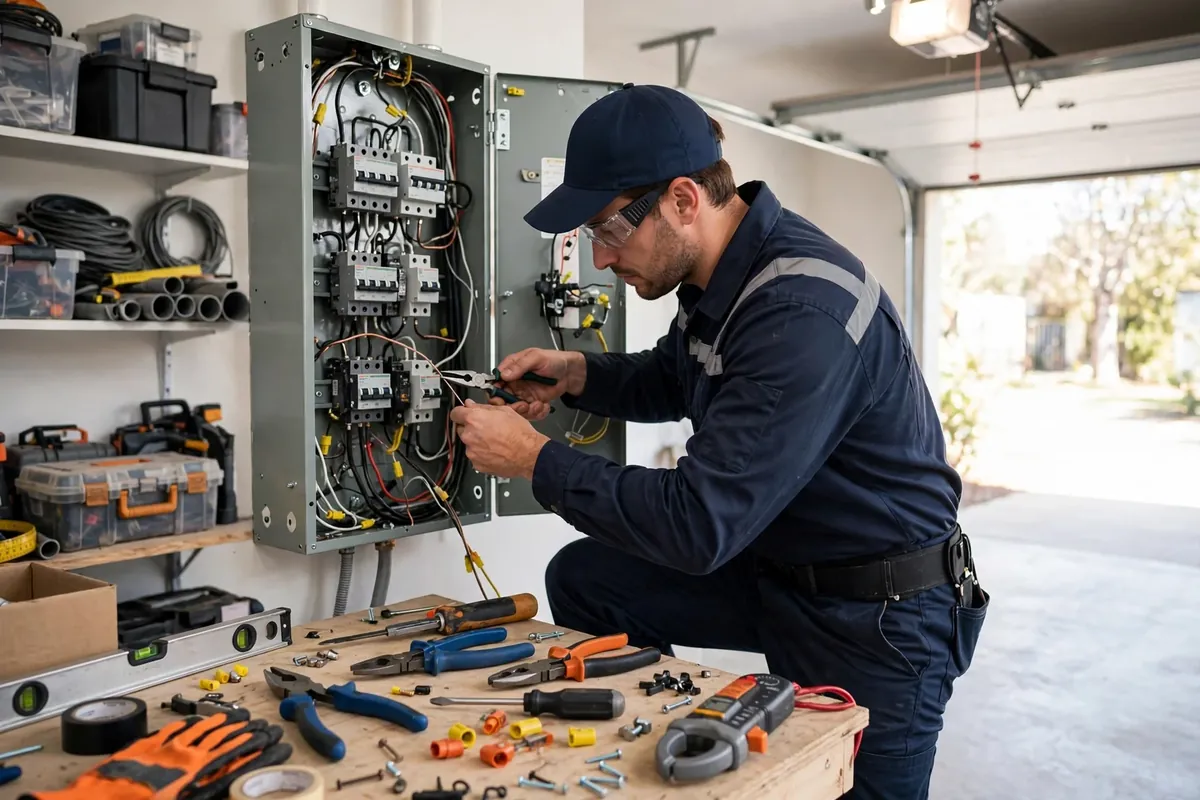
When people ask how long an EV charger lasts, they usually want a number, so here is the fairest version of it. Field experience from installers and charging researchers points to roughly a decade of service as a normal expectation for a residential wall-mounted charger, with many units running 10 to 15 years when they are installed correctly and not abused. Portable charging cords are at the shorter end of the range. Commercial equipment works far harder and follows a different pattern, which is why public-charger stories do not predict your garage.
Treat those figures as planning horizons, not expiration dates. There is no built-in timer that switches a charger off at year ten. Age matters mostly because it travels with other things: more years of sun on the cable jacket, more thousands of plug-in cycles on the connector, more chances for a mounting screw to loosen or a seal to dry out. A nine-year-old charger that has lived in a shaded garage and passes inspection is a better bet than a four-year-old unit that has baked on a south-facing wall and been run over weekly.
It also helps to separate two questions that get tangled together. "Will it still work?" is the durability question. "Will it still do what I need?" is the usefulness question. Many chargers are replaced while still functional because the household changed — a faster car, a second EV, a different connector standard, a desire for smarter scheduling. Both are legitimate reasons; just do not confuse an upgrade with a failure.
2. What Wears Out First
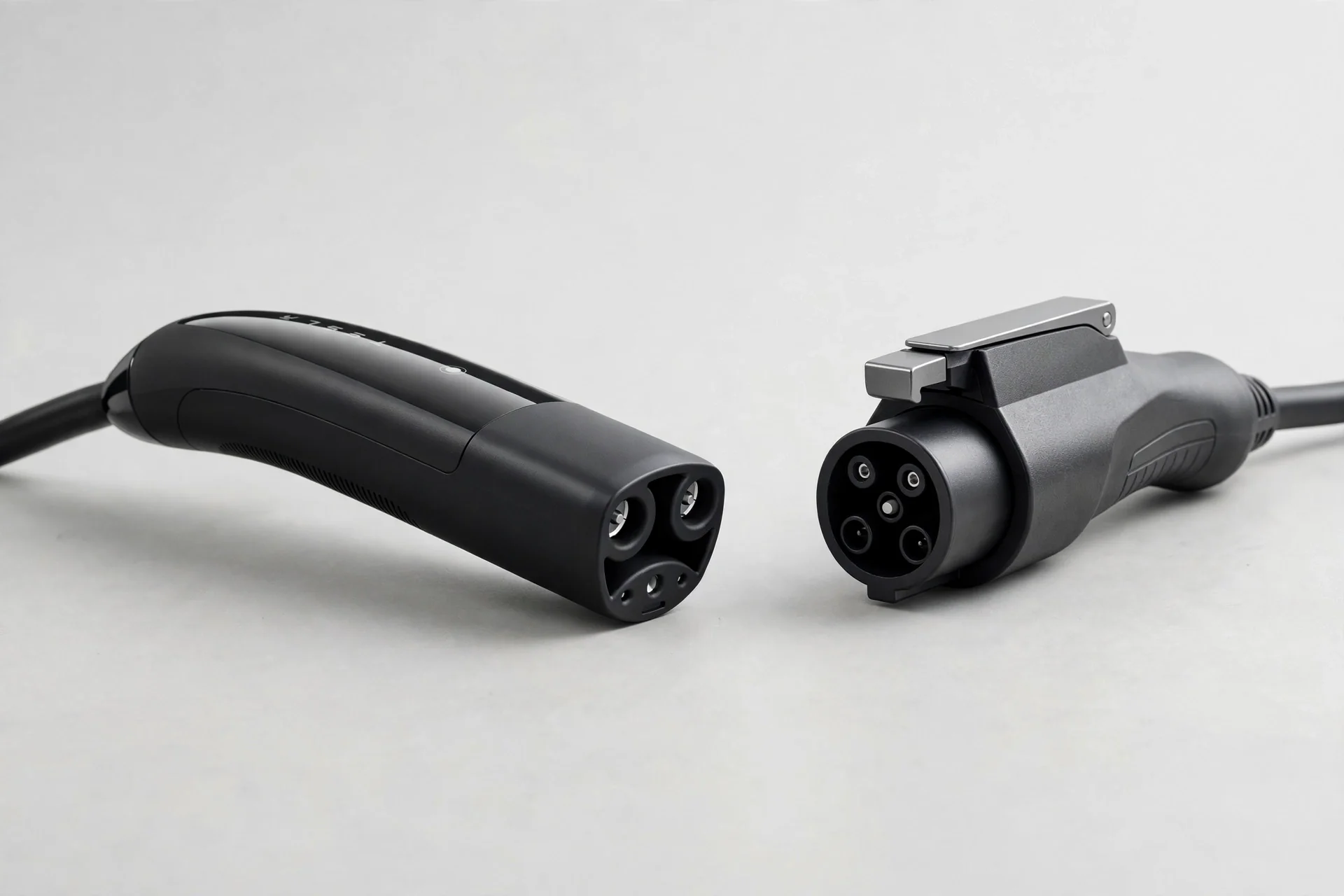
A home charger is really four things bolted together: the wall unit's electronics, the cable, the connector that plugs into the car, and the circuit feeding it. They age at very different speeds.
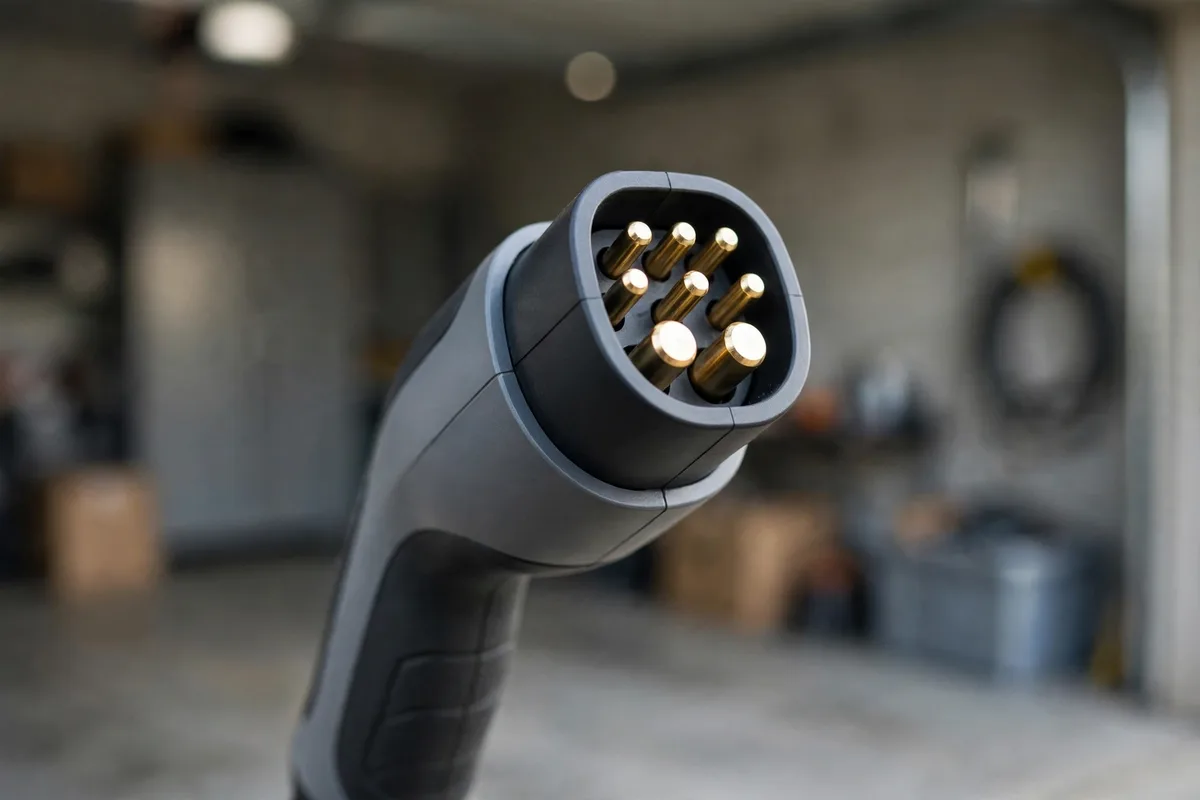
The connector. This is the hardest-working part of the system. It is gripped, twisted, dropped, dragged, and inserted thousands of times. Its spring-loaded latch takes mechanical stress, its pins face friction and pocket grit every session, and its handle takes the falls. A connector that starts to feel loose in the car's port, needs wiggling to start a charge, or shows pitting on its pins is usually the first genuinely worn component.
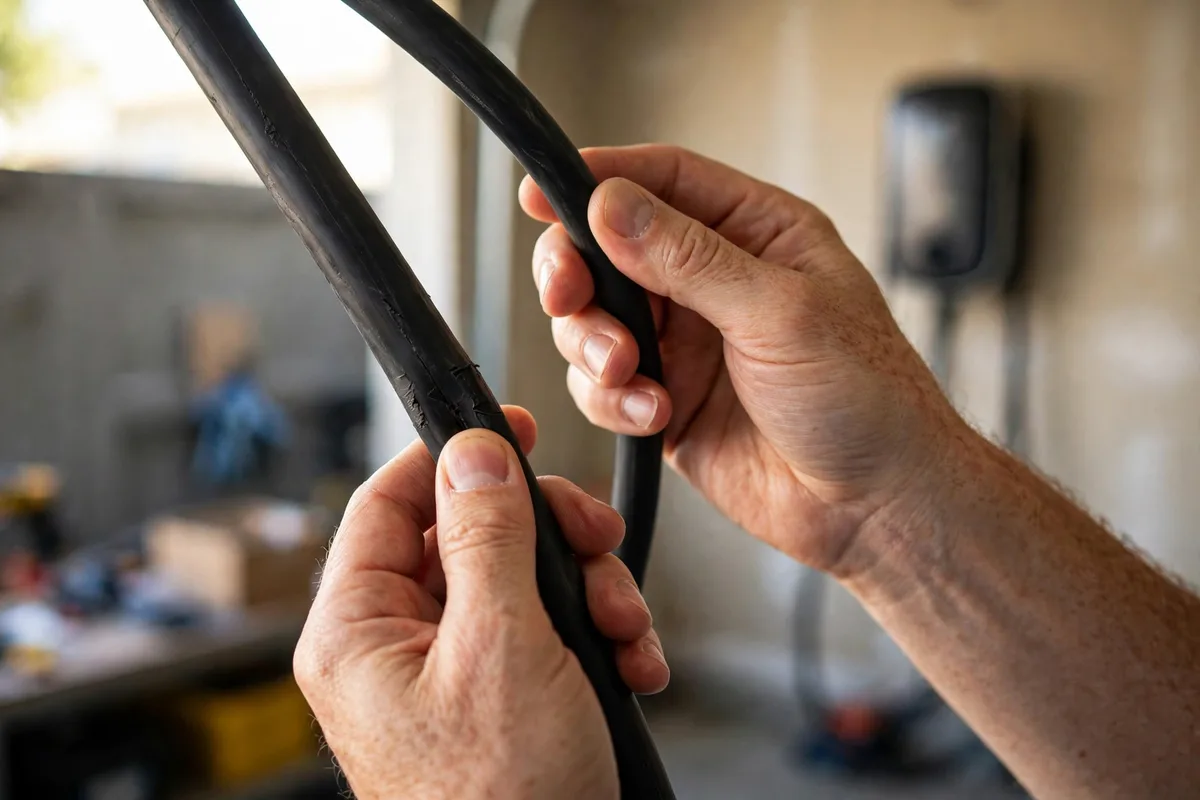
The cable. Cable jackets crack from UV exposure, go stiff or soft from heat cycles, and suffer crushing damage from tires. Internal conductors can fatigue at the strain relief where the cable exits the unit or the connector — the two spots that bend the most. Most cable damage is visible long before it is dangerous, which is why monthly eyes-on checks matter.
The wall unit. The electronics inside — the contactor that switches power, the ground-fault protection, the control board — have no scheduled wear-out, and a quality unit can run for many years. Its enemies are heat, moisture intrusion, power surges, and insects or geckos in outdoor enclosures, all of which Central Florida supplies generously.
The circuit. Breakers weaken with age and repeated trips, receptacles loosen their grip on plug blades, and connections inside junction boxes relax with thermal cycling. Sometimes the "charger problem" is actually the circuit reaching its own old age — one reason a proper diagnosis looks at the whole run, not just the box on the wall. If trips are part of the picture, our guide to why an EV charger keeps tripping the breaker walks through the causes.
3. The Factors That Decide Your Charger's Lifespan
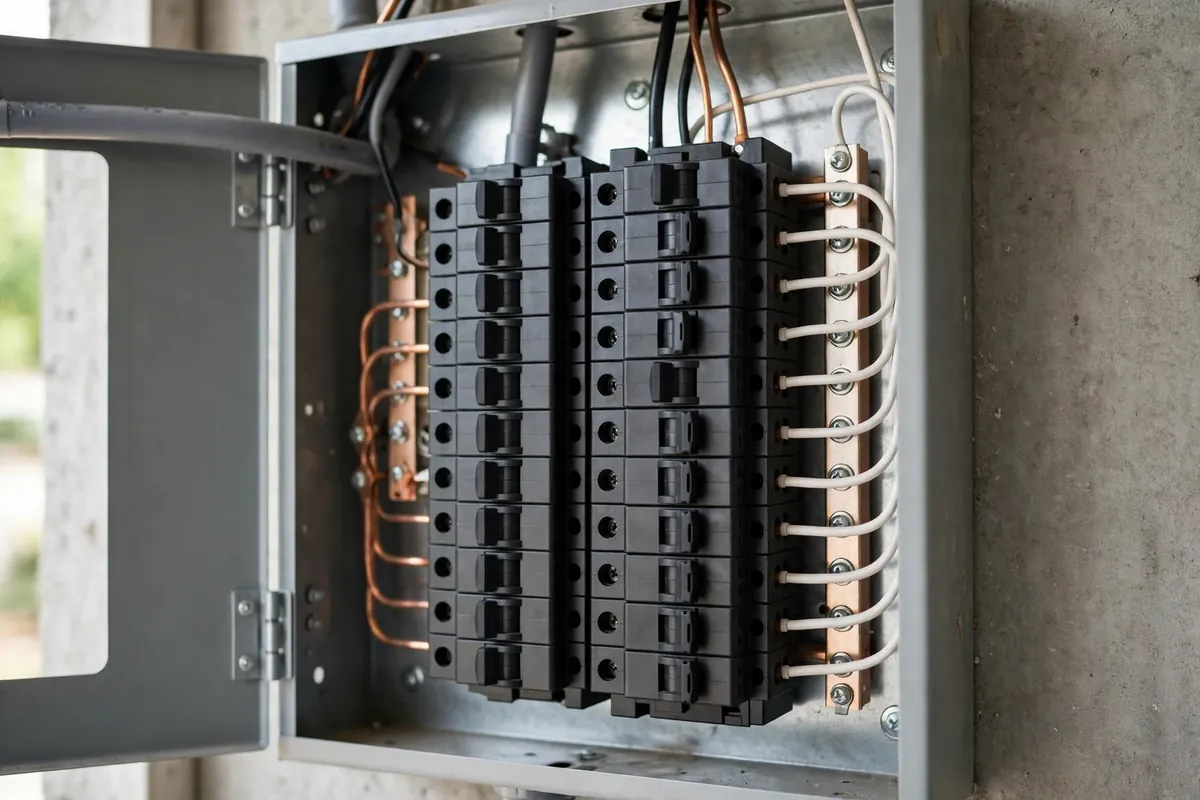
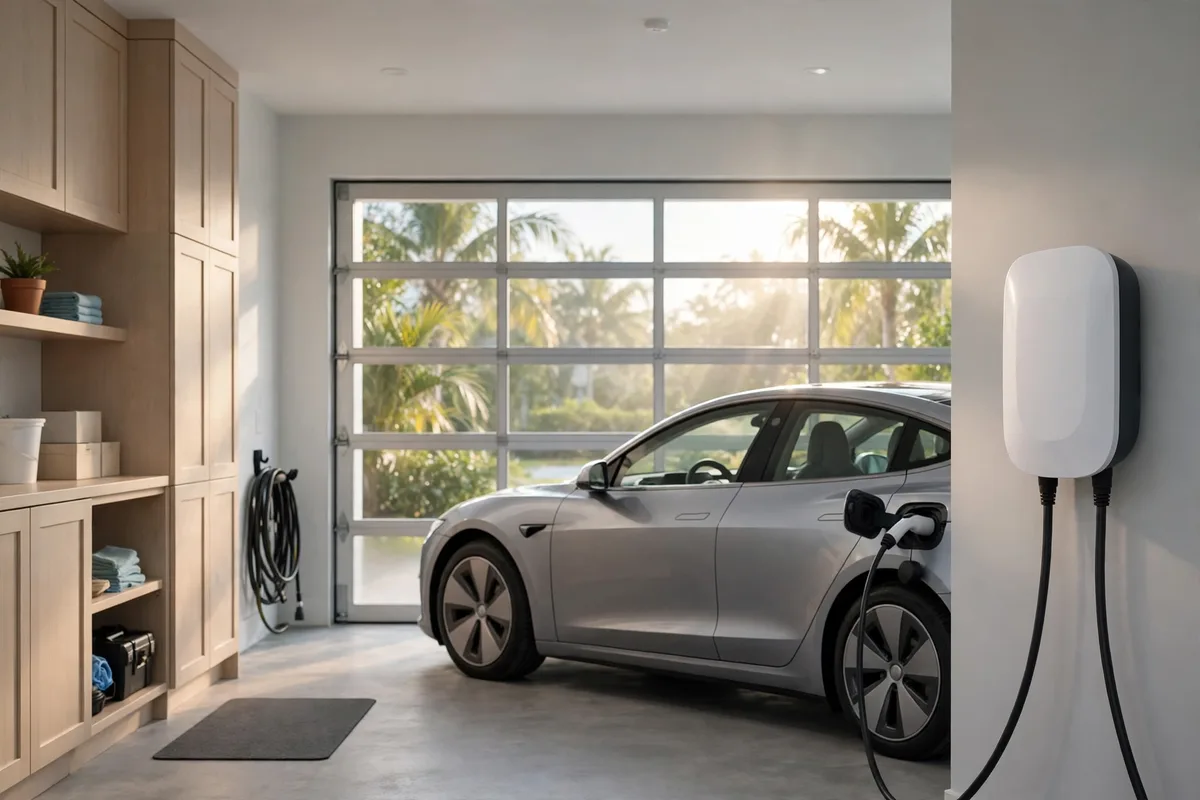
Installation quality. This is the single biggest lever, and it is set on day one. Correctly torqued connections stay tight; undertorqued ones heat-cycle loose. A properly sized circuit runs cool; a marginal one bakes its breaker nightly. Outdoor units mounted with sealed penetrations keep water out for years, while a sloppy install invites it in the first summer. A charger installed by a licensed electrician to the manufacturer's specification starts life with a longer clock than one hung by guesswork.
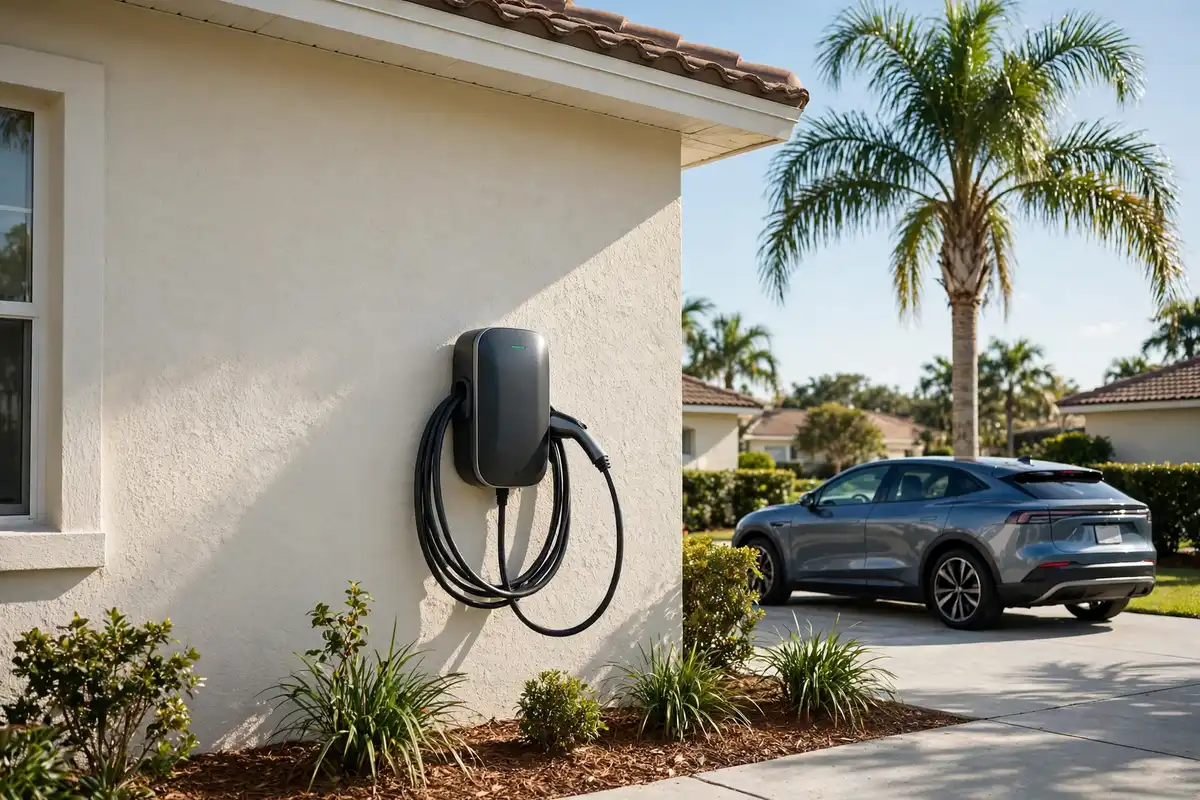
Environment. A charger in a shaded, ventilated garage lives an easy life. The same unit on an unshaded exterior wall in Orlando gets afternoon sun, summer downpours, humidity that never fully leaves, and hurricane-season drama. Weather-resistant ratings handle rain; they do not stop UV from aging plastic or heat from stressing electronics. Where the charger lives can easily mean a difference of years.
Usage intensity. A charger that tops up one commuter car for two hours a night accumulates wear slowly. A charger feeding two EVs back-to-back, running six or seven hours nightly at full amperage, cycles its contactor more, heats its cable more, and works its connector twice as often. High use is not misuse — the equipment is built for it — but the odometer, so to speak, climbs faster. Households running two cars should read our guide to charging two EVs at home for the load-sharing setups that reduce strain on a single unit.
Electrical conditions. Voltage surges from lightning and grid switching are a quiet killer of charger electronics in Florida. Whole-home surge protection does not make a charger immortal, but it removes one of the most common sudden-death causes in this state.
4. Signs Your Charger Is Aging
Chargers rarely fail without warning. The warning signs, in rough order of seriousness:
- Slower or interrupted sessions. Charging stops mid-session, restarts, or delivers noticeably less speed than it used to, with the car's settings unchanged.
- Connector fit changes. The plug feels sloppy in the port, the latch does not click home positively, or you have to hold the connector at an angle to start charging.
- Visible cable damage. Cracks in the jacket, flattened sections, exposed inner layers, or a cable that has gone unusually stiff.
- Heat where it should not be. A connector or plug that is hot — not warm — to the touch during charging. Our article on EV charger noises and heat explains the line between normal warmth and a problem.
- Discoloration or smell. Yellowing or browning around plug blades or the receptacle, or any acrid, electrical odor near the unit.
- Error patterns. Fault lights or app errors that recur after the manufacturer's reset procedure, especially ground-fault errors.
- Breaker behavior. Trips that cluster around charging sessions, or a breaker that feels warm after a session.
Any single item on the heat, smell, or damage lines means stop using the charger until it is checked. The rest mean schedule an inspection rather than waiting for a no-charge morning.
5. Habits That Add Years
None of this is elaborate, and most of it overlaps with basic care. The difference between a charger that fades at year seven and one that is still going at year thirteen is usually these habits:
- Dock the connector every time. The holster keeps the pins clean, dry, and off the floor where tires and boots find them.
- Treat the cable gently. Loose loops, no kinks, no driving over it, no yanking it out by the cord. Cable damage is the most preventable wear there is.
- Keep outdoor units shaded where possible. A simple cover or a mounting spot out of direct afternoon sun slows UV and heat aging. Do not wrap the unit in anything that traps heat around it while charging.
- Keep firmware updated. Support matters to lifespan in a modern way: a charger whose maker still ships updates stays compatible with newer cars and fixes faults before they strand you. An abandoned app is an early sign a platform is aging out.
- Mind the circuit too. Tight connections and a healthy breaker protect the charger. An electrician checking terminal torque and breaker condition during any other panel work extends the whole system's life.
- Fix small things early. A worn holster, a tired latch, a fraying cable end — small repairs and part replacements are cheap compared with a neglected failure.
Our full EV charger maintenance guide turns these habits into a monthly routine.
6. Repair, Replace, or Upgrade: Deciding at the End of the Road
When an aging charger starts acting up, the right move depends on which part is failing and what the household needs now.
Repair usually makes sense when the fault is isolated — a damaged cable or connector on a unit the manufacturer still supports, a failed breaker on the circuit, a receptacle that has loosened. The wall unit's core electronics are healthy, and parts are available.
Replacement makes sense when the unit shows heat damage, its maker no longer supports it, repairs approach the practical value of the unit, or faults keep moving around — a sign of general decline rather than one bad part.
Upgrade makes sense when the charger works but life changed: a second EV joined the household, the new car can charge much faster than the old unit delivers, the household added solar and wants a charger that can follow it, or the connector standard changed under you. Plenty of ten-year-old chargers get retired for this reason alone, still working fine.
Whichever direction you go, the circuit deserves a fresh look at the same time. Putting a new charger on a tired breaker and a heat-cycled receptacle just moves the problem. A professional EV charger installation visit for a replacement normally includes that circuit check, which is part of why replacements done properly tend to outlast the original install.
7. A Florida Reality Check
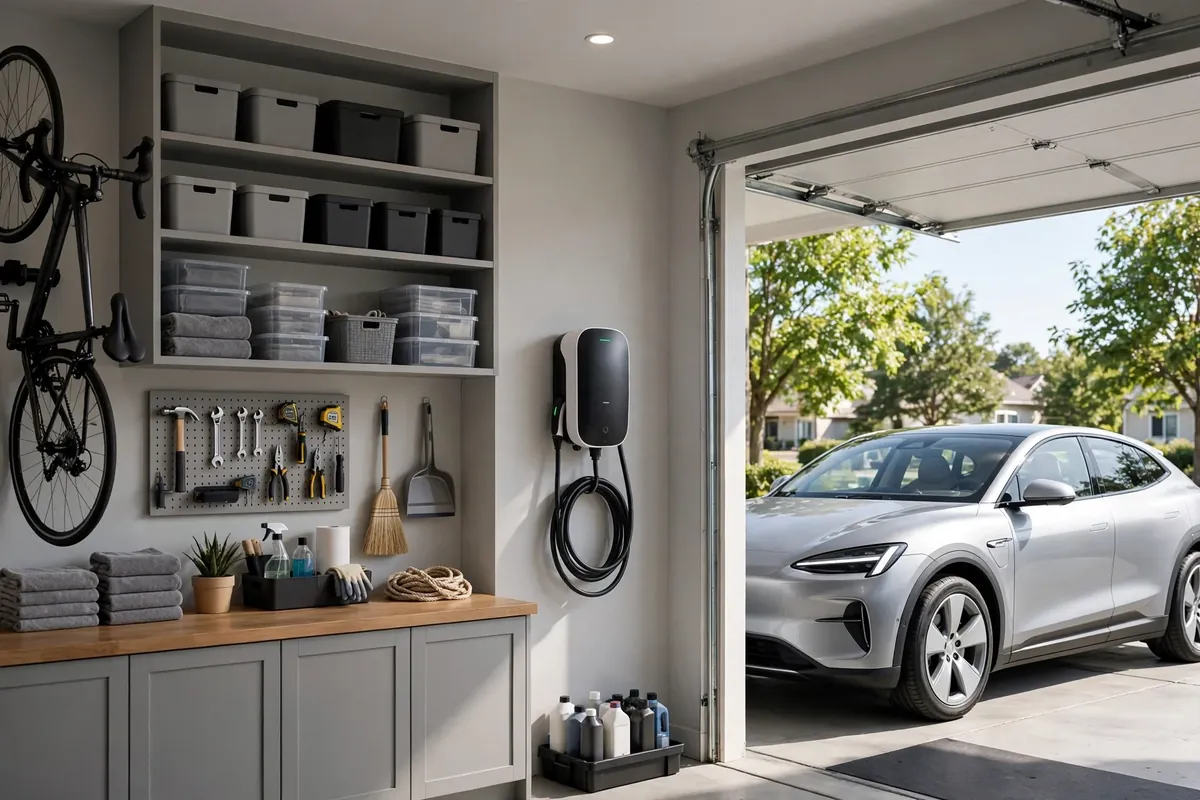
Orlando is a demanding hometown for outdoor electrical equipment, and charger lifespans here bend toward the shorter end unless the install accounts for it. Summer garage temperatures push electronics hard. Afternoon storms test every seal. Lightning season tests every surge defense. Salt air is a coastal issue more than a Central Florida one, but humidity is universal here.
The practical takeaways: favor shaded mounting, insist on sealed and properly flashed outdoor penetrations, take surge protection seriously, and inspect outdoor units after major storms. Do those things and a Florida charger has every chance of reaching the same decade-plus service as one in a mild climate. Skip them, and the environment will collect its toll early.
Key Takeaways
- Expect around a decade of service from a quality home charger; many units run 10 to 15 years, and there is no fixed expiration date.
- The connector and cable wear out first; the wall unit's electronics usually outlast both.
- Installation quality, environment, and usage intensity decide lifespan more than brand or age alone.
- Heat damage, jacket cracks, loose connector fit, recurring faults, and clustered breaker trips are the aging signs that matter.
- Gentle cable handling, docking the connector, shade for outdoor units, current firmware, and a healthy circuit are the habits that add years.
- Repair isolated faults, replace declining or unsupported units, and treat a working-but-outgrown charger as an upgrade decision, not a failure.
What wears out first on a home EV charger?
The connector and the cable, almost always. The connector absorbs thousands of insertions, drops, and twists, so its latch and pins loosen and pit over time, and the cable suffers UV cracking, crushing, and fatigue at its bend points. The wall unit's electronics have no comparable mechanical wear, which is why a charger with a tired connector often still has a healthy core — and why replacing a worn cable assembly can give an older unit a second life.
Does charging every night shorten my charger's life?
Not in any way worth changing your routine over. Nightly charging is exactly the duty these units are designed for. Total hours and heat matter more than session count: a charger running at full amperage for seven hours nightly ages its cable and contactor faster than one topping up for ninety minutes, but both are within design limits. What genuinely shortens life is abuse — cable damage, water intrusion, chronic overheating — not regular use.
Can a home EV charger last longer than the car it charges?
Yes, and it happens often. Cars get traded on three-to-eight-year cycles for reasons that have nothing to do with the charger, while a wall unit can serve a decade or more. The practical catch is compatibility, not durability: a charger installed for an older car generally still serves a newer one, though connector standards and charging speeds evolve. When you change cars, the charger usually stays — it is the new car that adapts.
Is it worth repairing a charger that is eight years old?
It depends on the fault and on manufacturer support. Replacing a worn cable, connector, breaker, or receptacle on a supported unit is usually sensible — those are wear parts, and the core electronics commonly have years left. Repair stops making sense when the fault is inside aging electronics the maker no longer supports, when heat damage is involved, or when the household's needs have outgrown the unit anyway, making replacement money better spent on the upgrade.
Does an outdoor charger wear out faster than a garage charger?
Generally yes, especially in Florida. Outdoor units face UV that ages cable jackets and housings, driving rain that tests every seal, and heat that stresses electronics — while a garage unit lives in shade, out of the weather, at gentler temperatures. Good mounting choices close most of the gap: shade where possible, sealed penetrations, sound drainage, and post-storm inspections. A well-installed outdoor charger can still reach a decade; a neglected one often will not.
What happens when a charger reaches the end of its life — does it just stop?
Sometimes, but usually decline is gradual. The common pattern is a drumbeat of small faults first: intermittent sessions, error codes that return after resets, slower charging, a connector that needs jiggling. Ground-fault protection may start tripping as insulation ages. A sudden total failure does happen — usually a surge or a board failure — but owners who watch for the early signs rarely get stranded without warning. When the small faults start clustering, plan the replacement on your schedule instead of the charger's.
Related Posts
- EV Charger Maintenance Guide: Keep Your Home Charger Running for Years
- EV Charger Keeps Tripping the Breaker? Causes and Fixes
- EV Charger Noises and Heat: What Is Normal and What Is Not
Charger showing its age? Call now at (407) 555-0100 — we inspect, repair, and replace home EV chargers across Orlando, and we will tell you honestly whether yours has years left or it is time. See our EV charger repair page for what an inspection covers.
Sources consulted: EV charger lifespan field reporting (evchargingstations.com, incl. Argonne National Laboratory EVSE research commentary); manufacturer service-life guidance (Tesla, ChargePoint, Emporia); EV owner longevity and replacement threads (r/evcharging, Tesla Motors Club).