Quick Answer
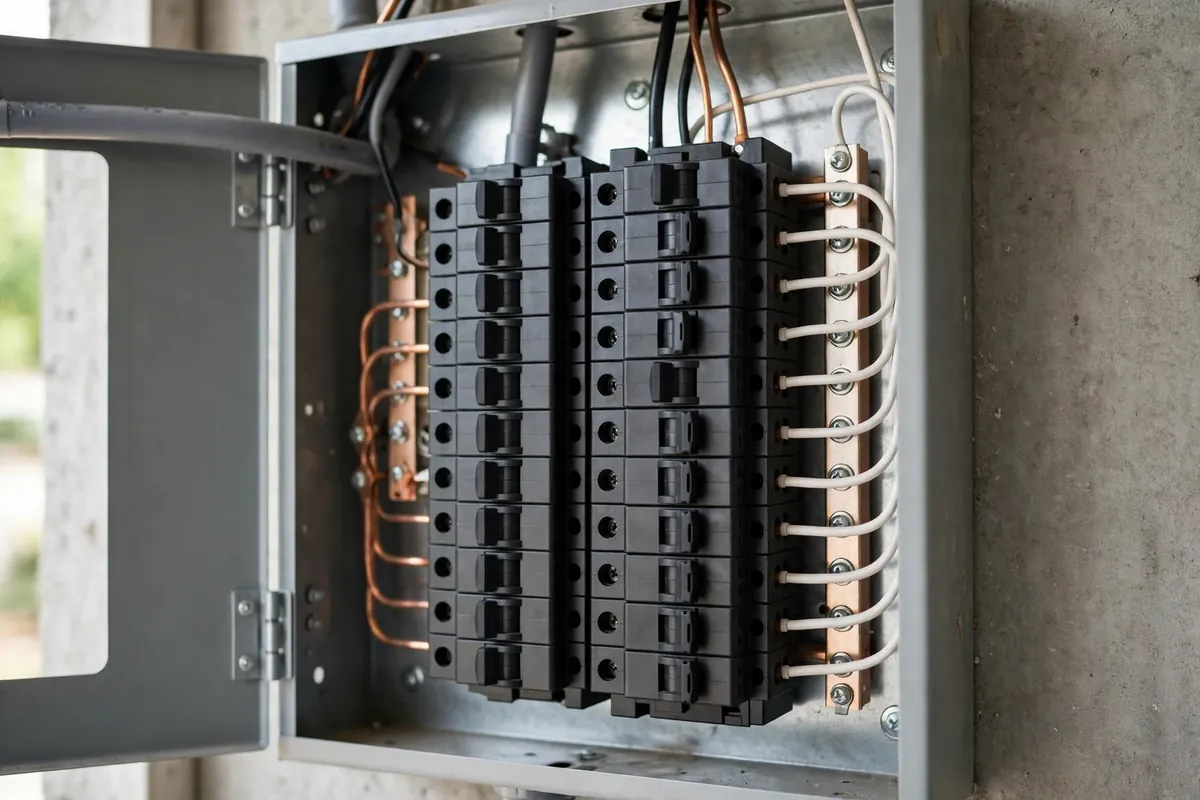
There is no single answer, because an EV charger project has several phases: assessment, permitting, the installation visit, and inspection. A straightforward installation where the panel is near the garage moves through these phases quickly, while panel upgrades, trenching, HOA approvals, or inspection backlogs add days or weeks. No installer can promise an exact timeline before seeing your electrical panel.
1. The Project Has Four Phases, Not One
When owners ask "how long does installation take," they usually picture the electrician working in their garage. But that is only phase three. A complete project looks like this:
- Assessment and quote — an electrician evaluates your panel, measures the wire run, and prices the job.
- Permitting — the electrical permit is submitted to your city or county and approved.
- Installation visit — the physical work: mounting the charger, running wire, installing the breaker, testing.
- Inspection — the local building department verifies the work meets code.
Each phase has its own timeline, and different phases are controlled by different people — you, the electrician, the permit office, and the inspector. Understanding that split is the key to setting realistic expectations.
2. Phase 1: Assessment and Quote
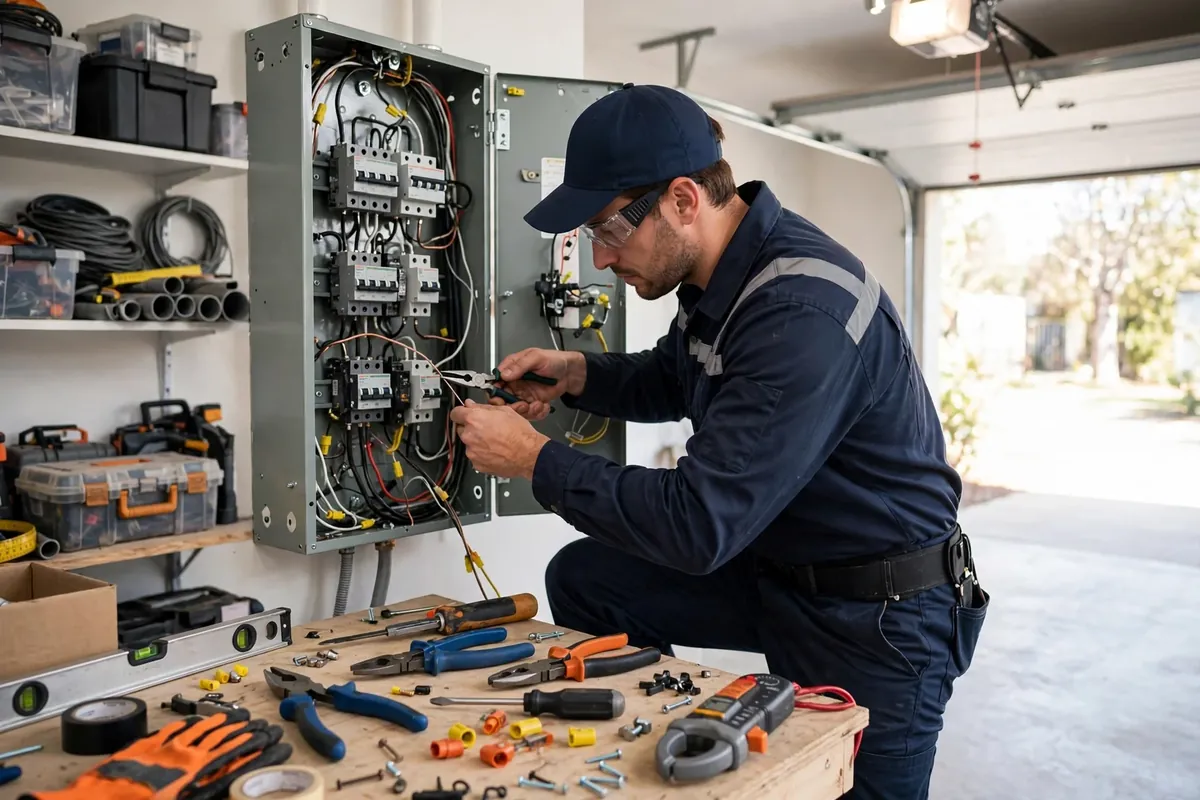
This phase is mostly about scheduling. A site assessment — in person or sometimes from detailed photos — typically takes under an hour of your time. The variable is how quickly you can get an electrician out. During busy stretches, reputable electricians book assessments days out; in slower periods, you might get someone the next day.
What the electrician is checking: your panel's capacity and available breaker spaces, the distance from the panel to the proposed charger location, the path the wire will take (through attic, along exterior wall, underground), and whether your setup triggers extras like a panel upgrade or trenching. A thorough assessment here prevents surprises later — be wary of quotes given sight-unseen over the phone with no questions asked.
3. Phase 2: Permits
EV charger installations are permitted electrical work in Orlando and throughout Florida. The permit phase is the one most outside anyone's control: timelines depend on your municipality's workload, not your electrician's effort.
Some jurisdictions turn around a straightforward residential electrical permit quickly; others take longer, especially if the application needs corrections. If your project includes a panel upgrade or service change, the permit review may involve additional scrutiny. Your installer should handle the submission — that is part of what you are paying a professional for — and should be able to tell you what the current turnaround looks like in your city based on recent jobs.
One thing to avoid: anyone who suggests skipping the permit to save time. Unpermitted electrical work can create problems with your homeowner's insurance and becomes a disclosure headache when you sell the house. The permit exists to protect you.
4. Phase 3: The Installation Visit
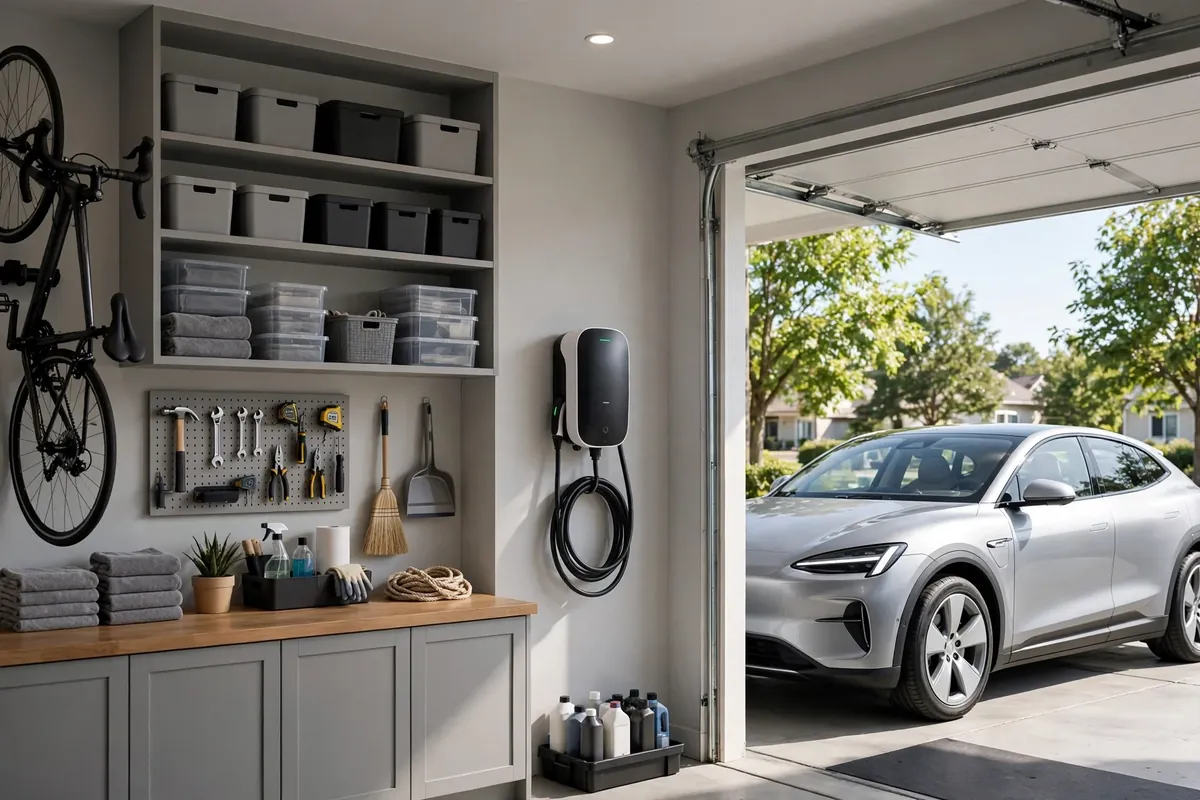
This is the phase owners picture, and for a straightforward job it is the shortest part of the project. When the panel is in or near the garage and the wire run is short and simple, the on-site work is typically completed within a single scheduled visit — mounting the charger, running the circuit, landing the breaker, configuring the charger, and testing the first charge.
The visit gets longer when the job gets more complex:
- Long wire runs — every foot of conduit takes time to mount and pull.
- Attic or crawlspace work — fishing wire through finished spaces is slow, careful labor, especially in a Florida summer attic.
- Trenching — running power to a detached garage or carport means digging, conduit, and restoration.
- Panel upgrades — replacing or upgrading a panel is essentially a second project nested inside the first.
- Drywall repair — opening walls to route wire means patching and finishing afterward.
None of these are problems — they are normal electrical work. They just mean the visit is a full day rather than a few hours, or occasionally scheduled across more than one day.
5. Phase 4: Inspection
After installation, the local building department inspects the work. Scheduling the inspection depends on the inspector's availability, and if the inspector flags anything, corrections and re-inspection add another round. Quality installers pass inspection the first time in the large majority of cases — another reason to hire someone who does EV chargers regularly rather than a generalist doing their first one.
Once the inspection passes, you are done: charge your car.
6. What Stretches the Timeline Most
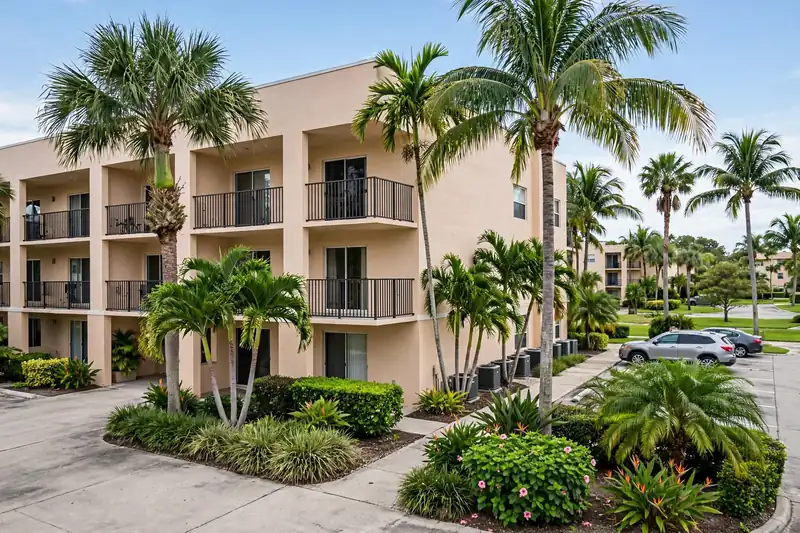
If your project is taking longer than expected, it is almost always one of these:
- Panel upgrades. The single biggest timeline adder. A service upgrade involves the permit, the utility company (for meter and service coordination), the panel work itself, and inspection — each with its own scheduling.
- HOA or condo approval. As we cover in our Florida HOA and condo EV charger rights guide, board review can add weeks if the board meets monthly and your application arrives the day after a meeting.
- Trenching and underground runs. Weather, soil, and restoration all add time.
- Charger availability. Most popular chargers are readily available, but supply hiccups happen — confirm your unit is in hand before the installation date.
- Inspection backlogs. After storms or during construction booms, municipal inspection queues grow.
- Decision delays. Owners who take weeks to choose a charger model or approve a quote add more calendar time than any technical factor.
7. How to Keep Your Project Moving
- Get the assessment done early, even if you have not bought the charger yet. Knowing your panel situation drives every other decision.
- Respond to your HOA or board promptly with a complete application — see our HOA guide for what to include.
- Decide on your charger model before permit submission, since the permit references the equipment.
- Ask your installer for a written sequence — assessment date, permit submission, installation window, inspection scheduling — so you can see where things stand.
- Be home (or have someone available) for the installation visit so questions about placement and routing get answered on the spot instead of pausing the work.
A realistic expectation for a straightforward Orlando installation: the process moves from first call to first charge in a matter of weeks, with the permit and inspection phases accounting for most of the calendar time. Complex projects — panel upgrades, trenching, HOA review — run longer. Anyone who promises you an exact date before seeing your panel is guessing.
Key Takeaways
- An EV charger project has four phases: assessment, permitting, installation, and inspection.
- The on-site installation is often the shortest phase; permits and inspections add most of the calendar time.
- Panel upgrades, long wire runs, trenching, and HOA approvals are the biggest timeline stretchers.
- Skipping permits to save time is a false economy — it risks insurance and resale problems.
- No installer can honestly promise an exact timeline before evaluating your panel and layout.
How long does the actual installation appointment take?
It depends on complexity. A straightforward installation with the panel near the charger location is typically finished within one scheduled visit. Longer wire runs, attic or crawlspace fishing, trenching, or panel work extend the on-site time. Your electrician should give you a realistic expectation after seeing your panel and the wire path — not before.
Do I need to be home during the installation?
It is strongly recommended. The electrician may need decisions about exact charger placement, conduit routing, and Wi-Fi setup for smart chargers. Being available keeps the work moving instead of pausing for callbacks. You will also want to see the first test charge yourself.
What can delay an EV charger installation?
The most common delays are panel upgrades (which involve the utility company and extra permitting), HOA or condo board approval cycles, trenching for detached structures, inspection scheduling backlogs, and waiting on charger equipment. Homeowner decision delays — slow quote approvals or model changes mid-project — add more time than most people expect.
Does the permit process add time to the project?
Yes — permitting is a normal phase of the project, and the timeline depends on your municipality's review queue. Straightforward residential electrical permits move faster than projects involving service upgrades. Your installer submits the permit and should be able to describe current turnaround times in your city from recent experience.
How long does the inspection take after installation?
The inspection itself is a short visit, but scheduling depends on the local building department's availability. If the work was done to code, it passes on the first visit and the project is complete. Corrections and re-inspections add another scheduling round, which is one more reason to hire an installer who does EV chargers regularly.
Can I use my EV charger before the inspection passes?
You should wait until the installation is complete, tested, and inspected. Energizing new electrical work before it has been verified is not worth the risk. A professional installer will test the charger with your vehicle during the installation visit, so you will know it works — the inspection is the formal sign-off.
Related Posts
- Can You Install a Level 2 Charger on a 100-Amp Panel?
- Florida HOA and Condo EV Charger Rights
- Do You Need a Permit for an EV Charger in Florida?
Want a realistic timeline for your home? Call now at (407) 974-7188 — we will assess your panel and layout and give you a straight answer about what your EV charger installation in Orlando actually involves.
Sources consulted: Orlando-area installer process descriptions (Epic Electric FL 5-step process); Florida Building Code residential electrical permit provisions; owner timeline discussions (Tesla Motors Club, Macheforum install threads).