Quick Answer
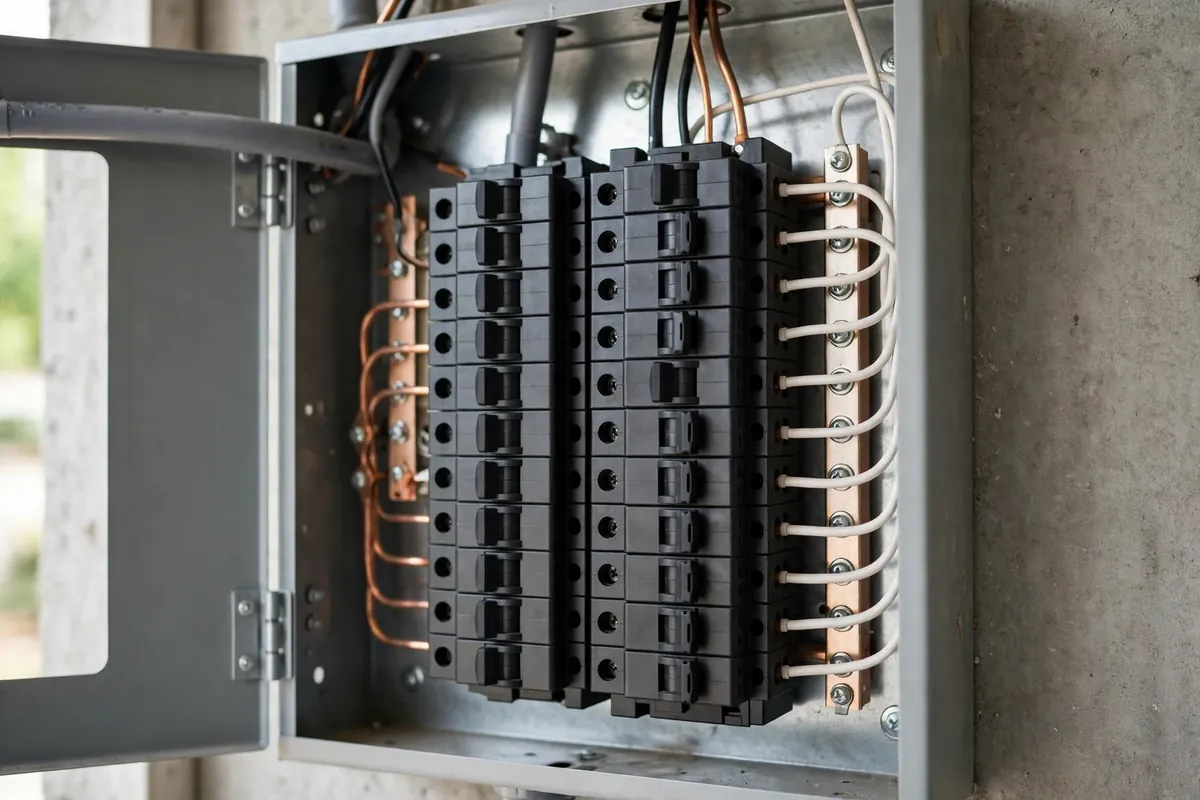
Some parts of an EV charger project are reasonable for a handy homeowner — choosing the location, mounting cable organizers, and preparing the garage. But the electrical work itself — sizing the circuit, running 240-volt wiring, landing breakers, and pulling permits — should be done by a licensed electrician. EV charging is a continuous high-current load, and mistakes create fire and shock hazards that may not show up until months later.
1. Why So Many Owners Consider DIY
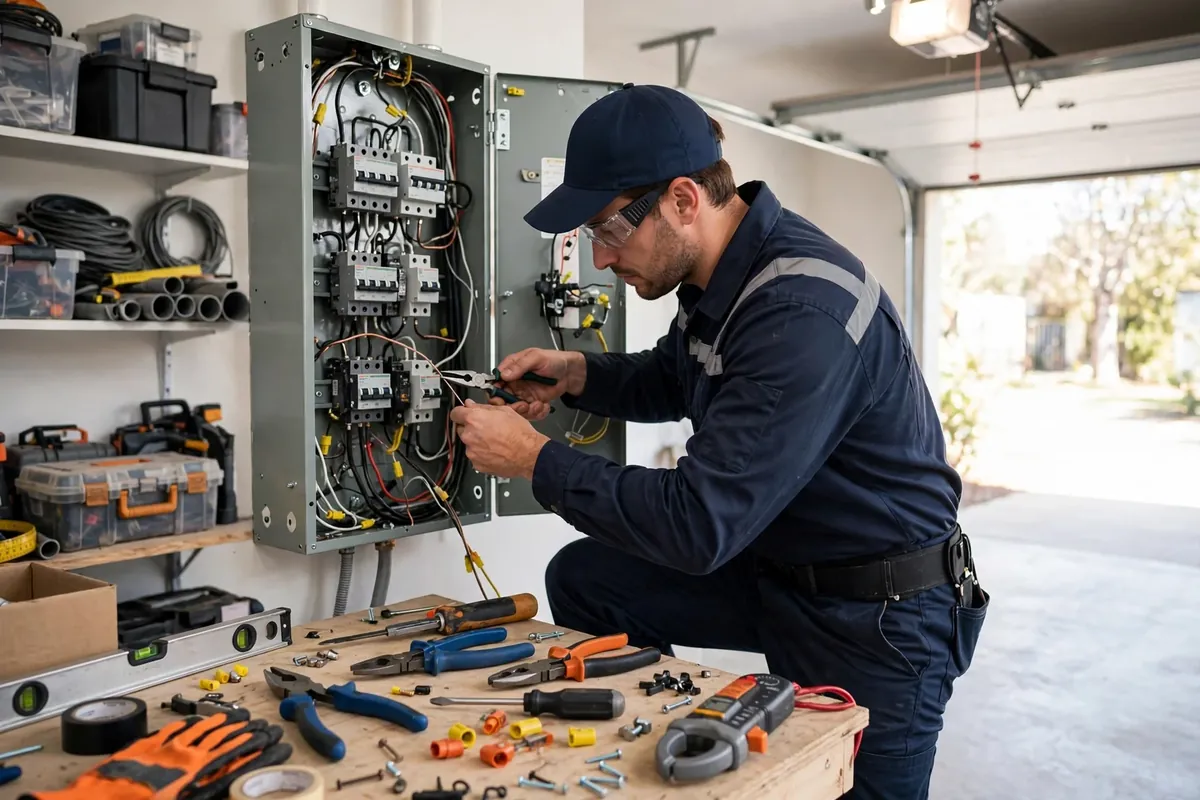
It is easy to see the appeal. Installation videos make the process look straightforward: mount the unit, run some wire, connect a breaker, done. Online forums are full of owners describing their self-installed setups. And after getting multiple quotes that vary widely for what looks like the same work, the DIY route feels like taking control.
Those instincts are understandable. But installation videos skip the parts that matter most: the load calculation that determines whether your panel can handle the charger at all, the code requirements that vary by jurisdiction, and the permit and inspection process that protects your home. What looks like a two-hour video is often the visible tip of a much more technical job.
2. What Is Reasonable DIY Territory
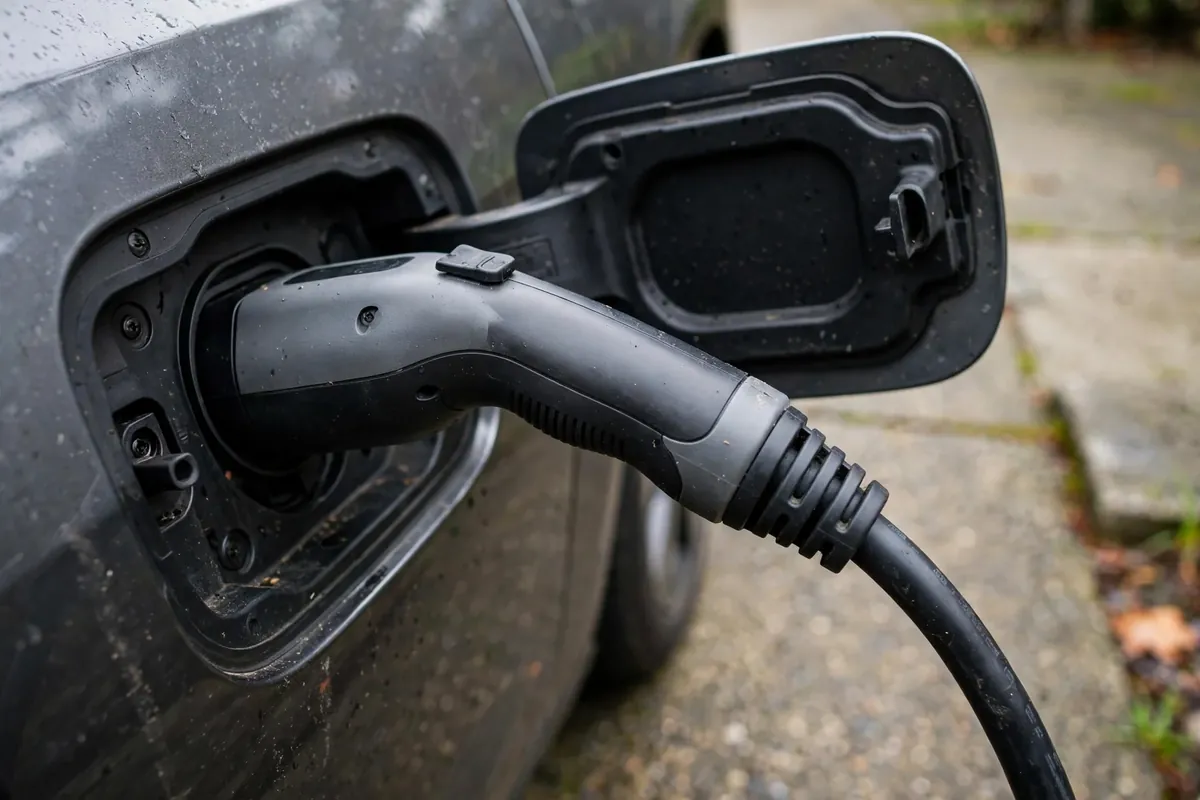
To be clear, there are genuinely useful things you can do yourself — the non-electrical parts of the project:
- Choose and prepare the location. Decide where the charger goes based on where you park, clear the wall area, and make sure the spot stays dry and accessible.
- Mount cable management. Holsters, cable hooks, and organizers are simple mechanical mounting — no wiring involved.
- Document your setup. Take clear photos of your electrical panel (with the door open, showing breaker labels), the proposed wire path, and the parking area. Good photos make a professional's assessment faster and more accurate.
- Research your charger. Comparing models, reading manuals, and understanding scheduling features is homework anyone can do.
- Prepare for the electrician's visit. Clear access to the panel, attic, and garage so the work is not slowed down.
Notice what is not on this list: opening the panel, sizing wire, or connecting anything to a breaker.
3. Why Panel Work Is Different From Other DIY
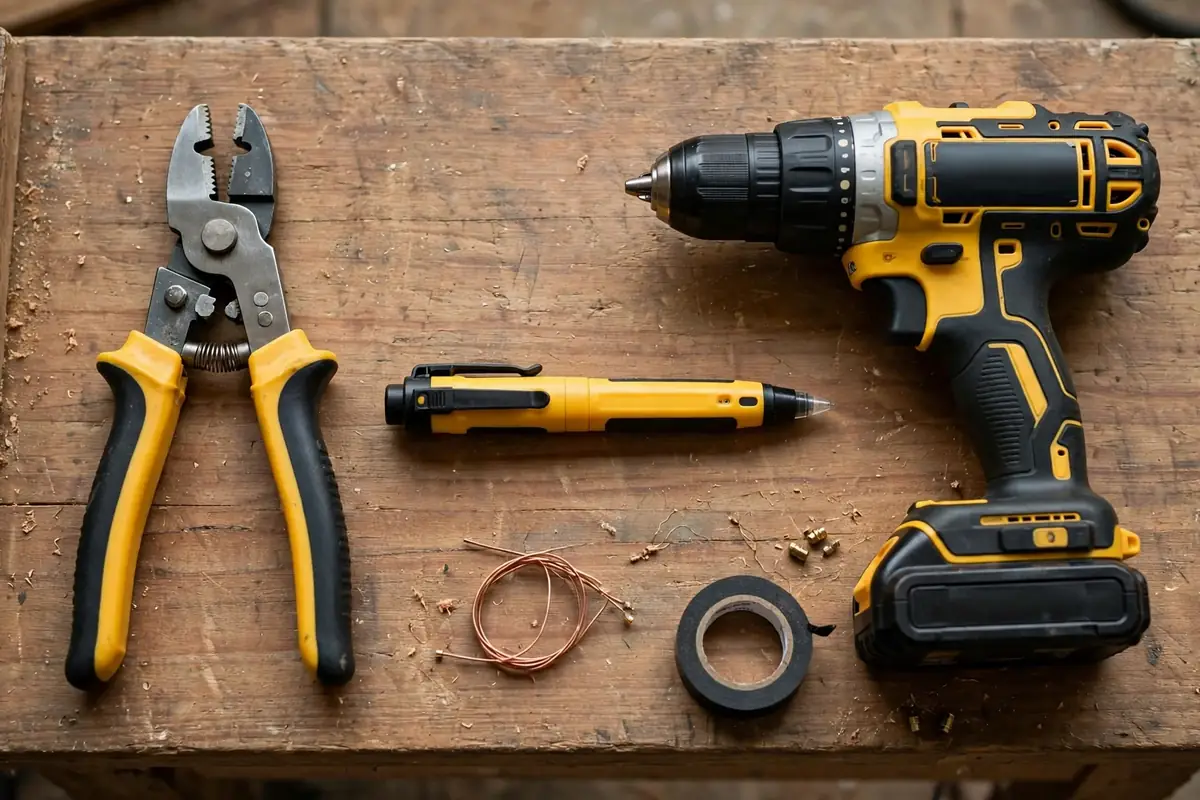
EV charger installation is not like swapping a light fixture or installing a ceiling fan. Here is what makes it different:
- 240 volts at high current, for hours. A Level 2 charger pulls 32 to 48 amps continuously for hours every night. That is an enormous sustained load compared to typical household circuits, and connections must be torqued, sized, and terminated correctly to handle it night after night without overheating.
- Continuous-load rules. Code treats EV charging as a continuous load, which changes how circuits are sized (the 80% rule) compared to intermittent loads. Getting this wrong means a circuit that works fine for weeks and then overheats a connection.
- Arc flash and shock hazard. Opening a live panel exposes you to arc flash — an explosive release of energy that can cause severe burns — and to bus bars carrying the full service current of your home. This is not a theoretical risk; it injures DIYers every year.
- Problems hide. A loose 240V connection does not always fail immediately. It can heat and cool through hundreds of cycles before failing — sometimes as a melted receptacle, sometimes worse. Professional work is torqued to spec and inspected.
"When in doubt, always hire a professional" is the standard disclaimer on DIY electrical videos for a reason — including from the creators filming them.
4. Permits, Code, and Insurance: The Paperwork That Protects You
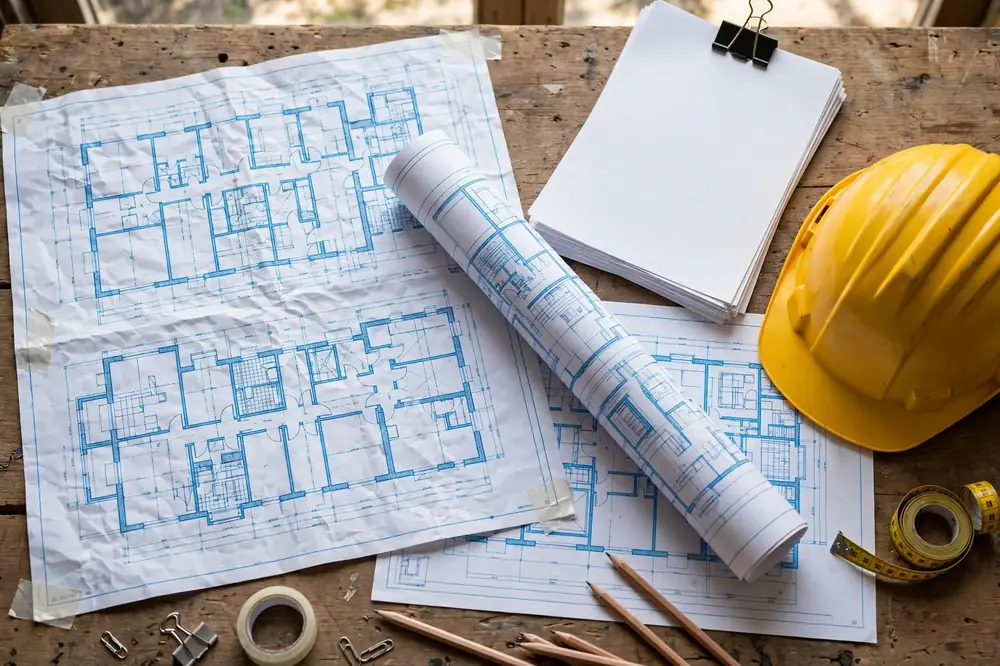
In Orlando and throughout Florida, EV charger installations are permitted electrical work. The permit triggers an inspection that verifies wire sizing, breaker selection, GFCI protection, and workmanship. That inspection is your independent quality check.
Skipping the permit — or doing unpermitted work yourself — creates real downstream risk:
- Insurance. If an electrical fire or incident traces back to unpermitted work, your homeowner's insurance claim can be denied or contested. Insurers ask about permits for a reason.
- Resale. Unpermitted electrical modifications surface during buyer inspections and can delay or derail a sale.
- Liability. If faulty work harms someone, the person who did the work owns the liability. Licensed electricians carry insurance for exactly this reason.
A licensed electrician pulls the permit as a matter of course, and the inspection record becomes part of your home's history — an asset, not a burden.
5. The Dryer Outlet Question
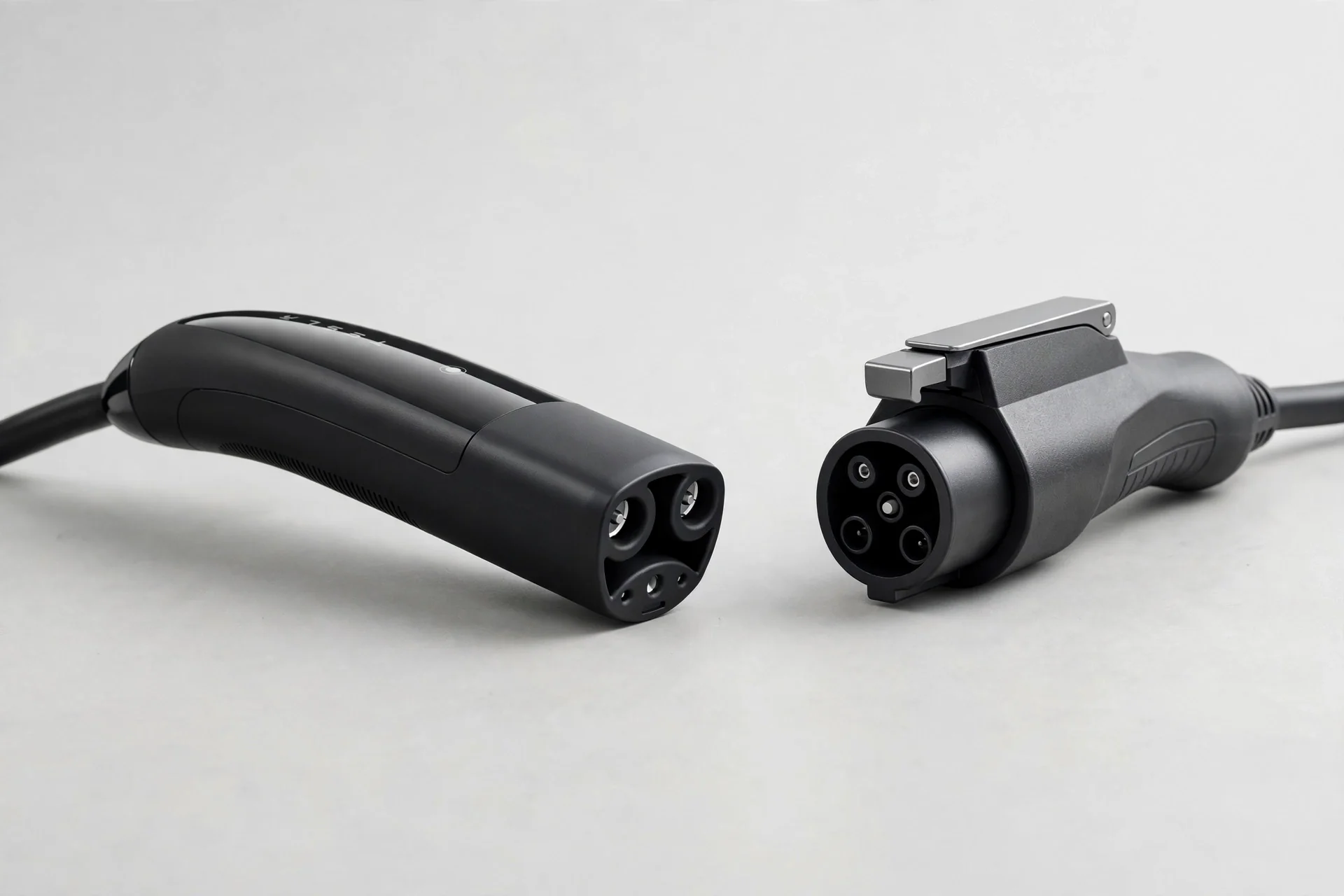
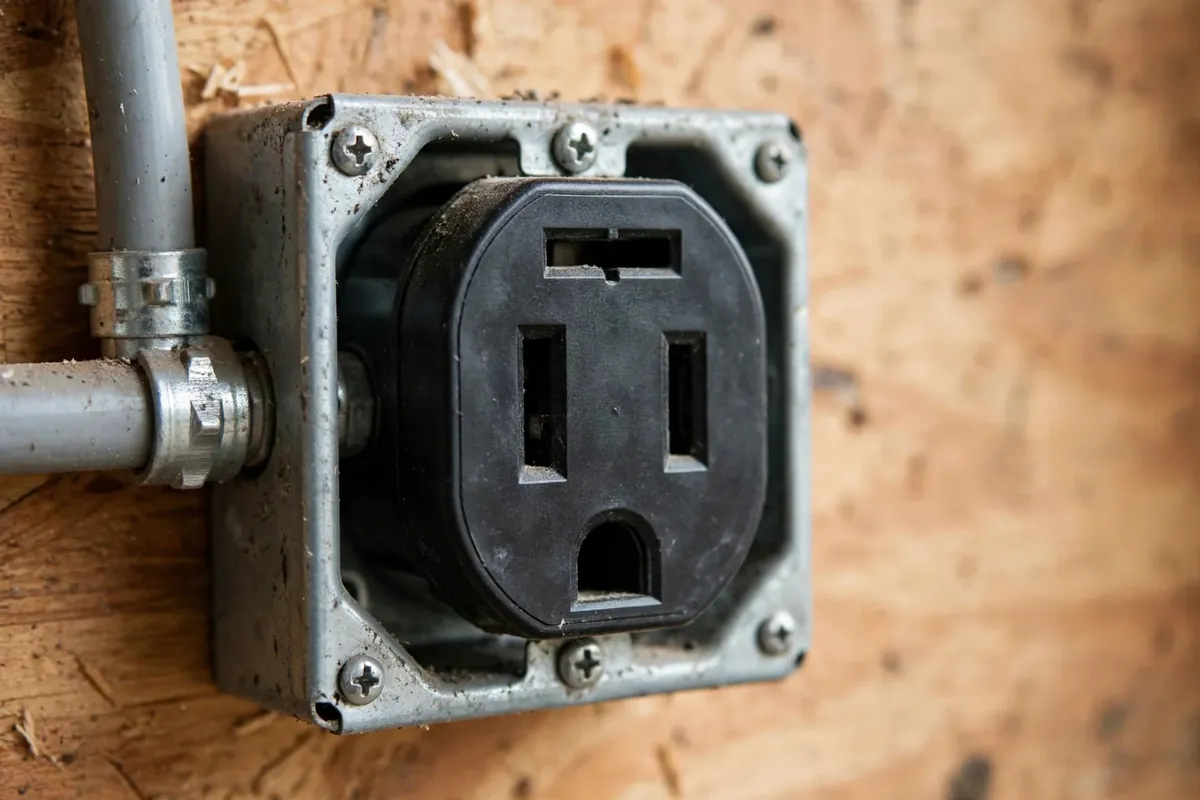
"Can I just plug my EV charger into my dryer outlet?" is one of the most asked questions in EV forums, and it deserves a careful answer. Technically, adapters exist. Practically, it is a bad idea as anything beyond the most temporary measure:
- Dryer outlets were not designed for nightly EV charging. They are built for intermittent dryer loads, and older receptacles in particular can overheat under hours of continuous EV current.
- Circuit sharing is dangerous. Unless you use a properly listed smart splitter that ensures the dryer and car never draw simultaneously, you risk overloading the circuit.
- Wear and location. Dryer outlets are often behind the dryer, hard to inspect, and their condition is unknown.
If your laundry setup is the only 240V access you have, treat it as a stopgap while you get a proper dedicated circuit installed — not as the plan.
6. What a Professional Installation Actually Includes
When you hire a licensed electrician for an EV charger, you are buying more than labor. A proper professional installation includes:
- Load calculation. A formal NEC load calculation determines whether your panel can support the charger or needs an upgrade first. This is engineering, not guesswork.
- Correct circuit design. Wire gauge, breaker size, and charger amperage setting matched to each other and to your panel's capacity.
- Code-compliant installation. Proper conduit or cable routing, GFCI protection where required, disconnect placement, and workmanship that passes inspection.
- Permit and inspection handling. The electrician submits the permit, coordinates the inspection, and addresses any corrections.
- Configuration and testing. Setting the charger's amperage correctly, connecting it to Wi-Fi, enabling scheduled charging, and testing a live charge with your vehicle.
- Documentation. A record of permitted, inspected work for your files.
That is the difference between "it works" and "it works safely, legally, and for the next fifteen years."
7. How to Prepare Before the Electrician Arrives
You can make the professional's job faster and your quote more accurate:
- Photograph your panel with the door open, plus the labels on the door.
- Note the distance from the panel to where you want the charger.
- Know your charger's model (or your shortlist) — amperage requirements differ.
- Clear access to the panel, the wire path, and the charger location.
- If you are in a condo or HOA, have your approval documentation ready — see our Florida HOA and condo EV charger rights guide.
- Ask whether the quote includes the permit, and confirm the installer is a licensed electrical contractor.
For more on what the project involves, see How Long Does EV Charger Installation Take? and NEMA 14-50 Outlet vs Hardwired EV Charger.
Key Takeaways
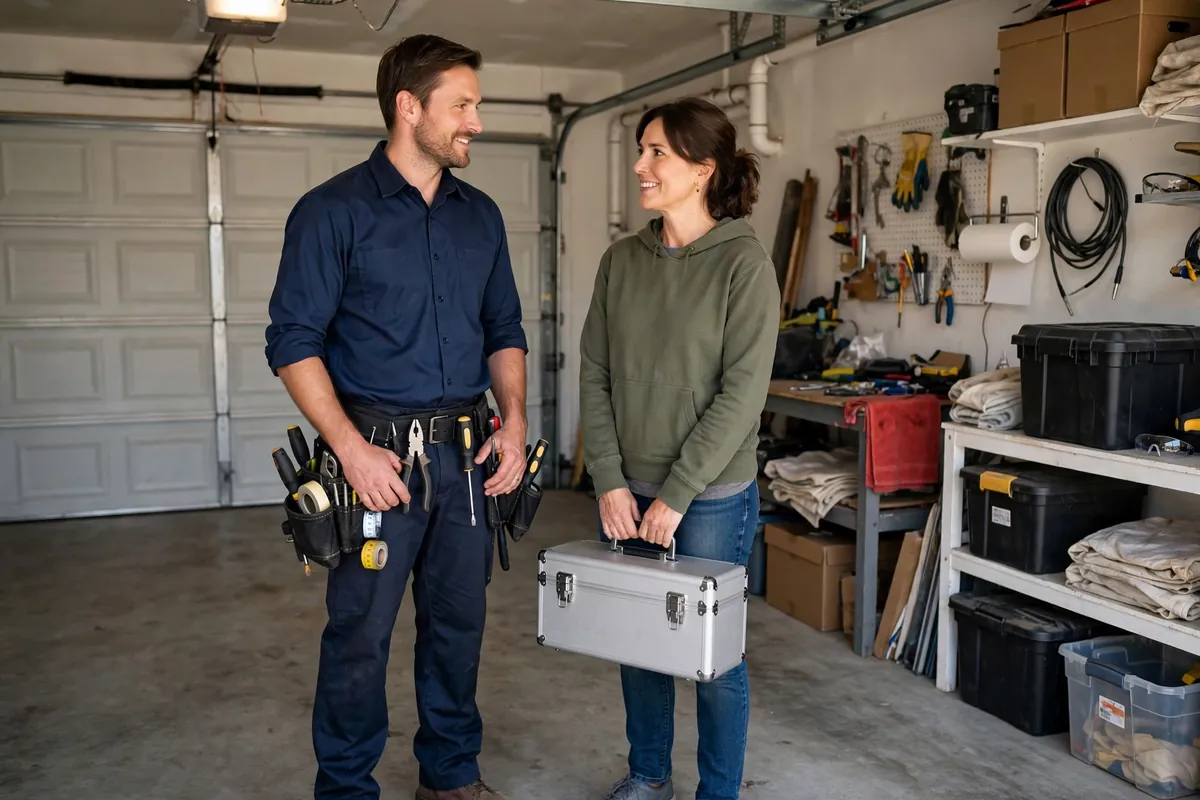
- DIY is fine for non-electrical prep: location planning, cable organizers, photos, and research.
- All 240-volt electrical work — circuit sizing, wiring, breaker connections — belongs to a licensed electrician.
- EV charging is a continuous high-current load; mistakes create fire and shock hazards that can hide for months.
- Permits and inspections protect your insurance coverage and your home's resale value.
- Dryer outlets are not a substitute for a dedicated EV circuit.
- A professional installation includes load calculation, code compliance, permits, inspection, and testing — not just labor.
Can I install a Tesla Wall Connector on my own?
The physical mounting is straightforward, but the electrical work — running the 240-volt circuit, sizing wire and breaker, landing connections in the panel, and pulling permits — should be done by a licensed electrician. Tesla's own guidance and every installation manual assume qualified electrical work. An incorrect installation can create fire hazards and void equipment warranties.
Can I install a Level 2 charger myself in Florida?
Florida requires electrical work to comply with the Florida Building Code, and EV charger installations are permitted work that must be inspected. While the law has limited provisions for homeowners doing their own work in some cases, 240-volt EV circuits are not a good candidate for learning as you go. Hire a licensed electrical contractor — the permit, inspection, and workmanship protections are worth it.
What parts of an EV charger install require a licensed electrician?
Everything electrical: the load calculation, circuit design, wire and conduit runs, breaker installation, charger wiring or hardwiring, GFCI and disconnect requirements, permit submission, and inspection coordination. What does not require an electrician: choosing the location, mounting cable organizers, clearing access, and researching charger models.
Can I plug my EV charger into my dryer outlet temporarily?
It is physically possible with an adapter, but it is not recommended beyond a brief stopgap. Dryer outlets were designed for intermittent loads, not hours of continuous EV charging current, and sharing the circuit with the dryer risks overloads. If you go this route at all, use only a properly listed smart splitter — never a simple Y-adapter — and get a dedicated circuit installed promptly.
Does DIY electrical work affect my homeowner's insurance?
Yes — this is one of the strongest reasons to hire a licensed electrician. If an electrical fire or incident traces back to unpermitted or non-professional work, your insurer can contest or deny the claim. Insurers expect major electrical work to be permitted, inspected, and performed by licensed contractors. A DIY install that saves money upfront can become enormously expensive the day you need to file a claim.
How should I vet an electrician for EV charger installation?
Confirm they are a licensed electrical contractor in Florida, ask how many EV chargers they install regularly, ask whether the quote includes permits and inspection, and ask them to explain their load-calculation approach for your panel. Installers who do EV chargers routinely will answer these questions fluently; hesitation is a red flag.
Related Posts
- NEMA 14-50 Outlet vs Hardwired EV Charger: Which Is Right for You?
- Can You Install a Level 2 Charger on a 100-Amp Panel?
- Florida HOA and Condo EV Charger Rights
Leave the panel work to a licensed pro. Call now at (407) 974-7188 for code-compliant EV charger installation in Orlando — permitted, inspected, and tested.
Sources consulted: ElectricianTalk and Mike Holt pro forums on DIY electrical risks; Tesla Wall Connector installation manual guidance; Florida Building Code residential electrical provisions; owner DIY discussion threads (Tesla Motors Club).