Quick Answer
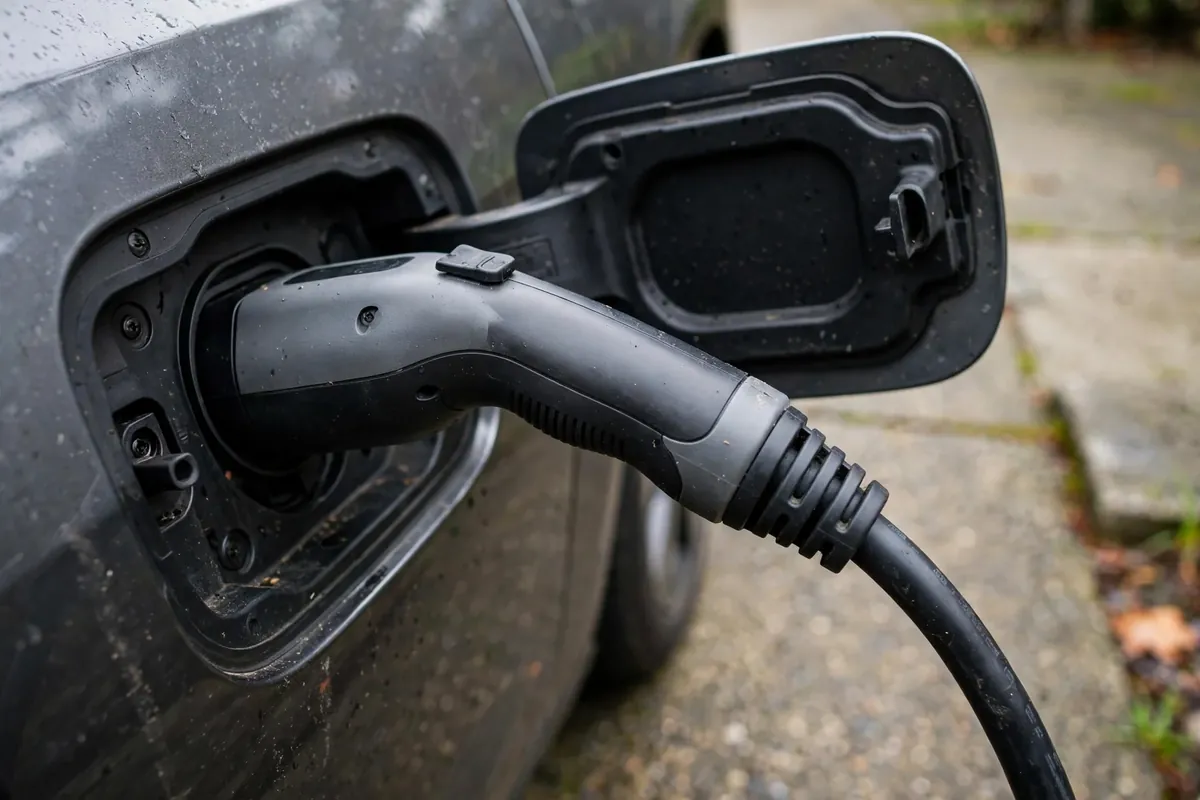
A home EV charger is an electrical device moving serious current for hours, and a completely silent, completely cool charger would be the strange one. Normal: a firm click when charging starts and stops (the contactor), a faint hum or buzz from the unit while it works, occasional fan noise on models that have one, and a cable and connector that feel mildly warm. Not normal: buzzing you can hear across the garage, crackling or sizzling, a connector that is hot rather than warm, warmth concentrated at the plug or receptacle, any burning smell, or a charger that keeps slowing itself down for heat. The sections below sort every common sound and temperature into the right list.
1. The Normal Sounds, One by One
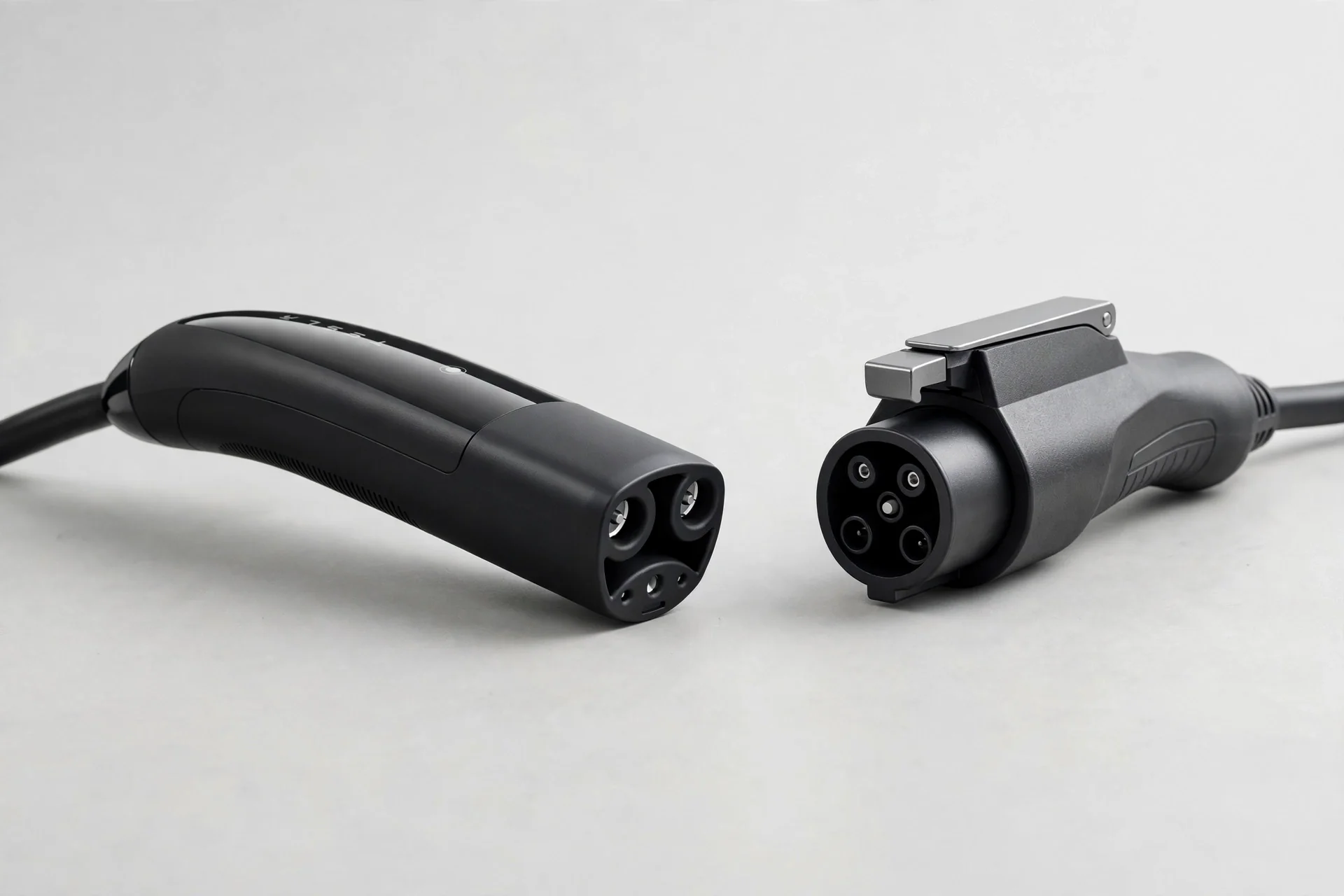
The click. When you plug in and charging begins, the charger closes an internal switch called a contactor to send power to the car. It makes a single, confident click or clunk. You will hear the same click when the session ends. This is the sound of the main safety switch doing exactly its job — a charger that never clicks may not be starting at all.
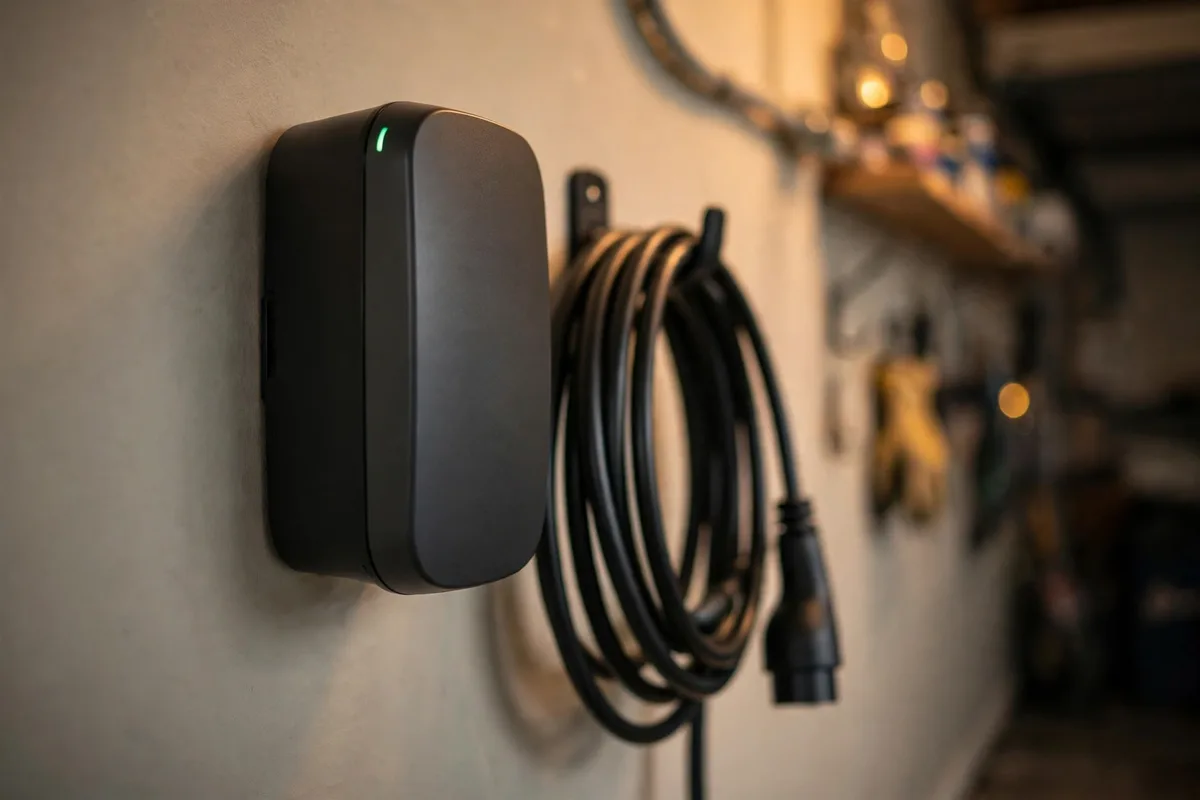
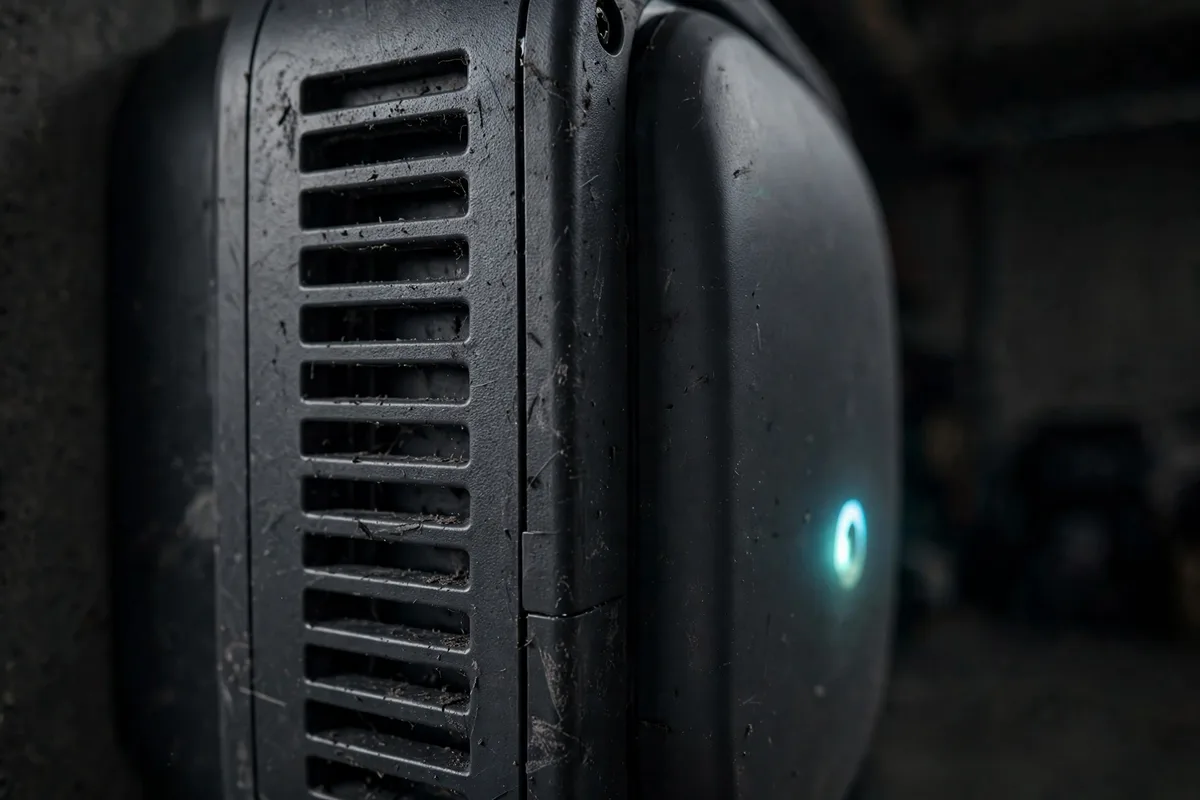
The hum. While current flows, many chargers emit a low, steady hum or soft buzz from the unit, caused by the electronics and magnetics inside responding to alternating current. Volume varies by model and mounting: a unit on a hollow wall can sound louder than one on masonry, because the wall acts like a speaker. A hum that has sounded the same since installation day is a fingerprint, not a symptom.
The fan. Some chargers — more often higher-power or compact models — run a small internal fan during sessions, especially in warm surroundings. It may cycle on and off, and speed up on summer afternoons. Fan noise that matches the weather and the session is the cooling system working as designed.
The car's sounds. Do not convict the charger for noises the car makes. EVs click relays, run coolant pumps, and spin their own fans during charging, particularly in heat. If a sound continues with the charger idle but the car awake, or moves when you stand by the car rather than the wall, the source is the vehicle — and usually normal for it too.
Occasional relay chatter at start-up — a couple of clicks in the first seconds as charger and car negotiate — is also ordinary. Chatter that repeats through the session is not; see section 3.
2. Warm Is Normal: The Temperatures of a Healthy Session
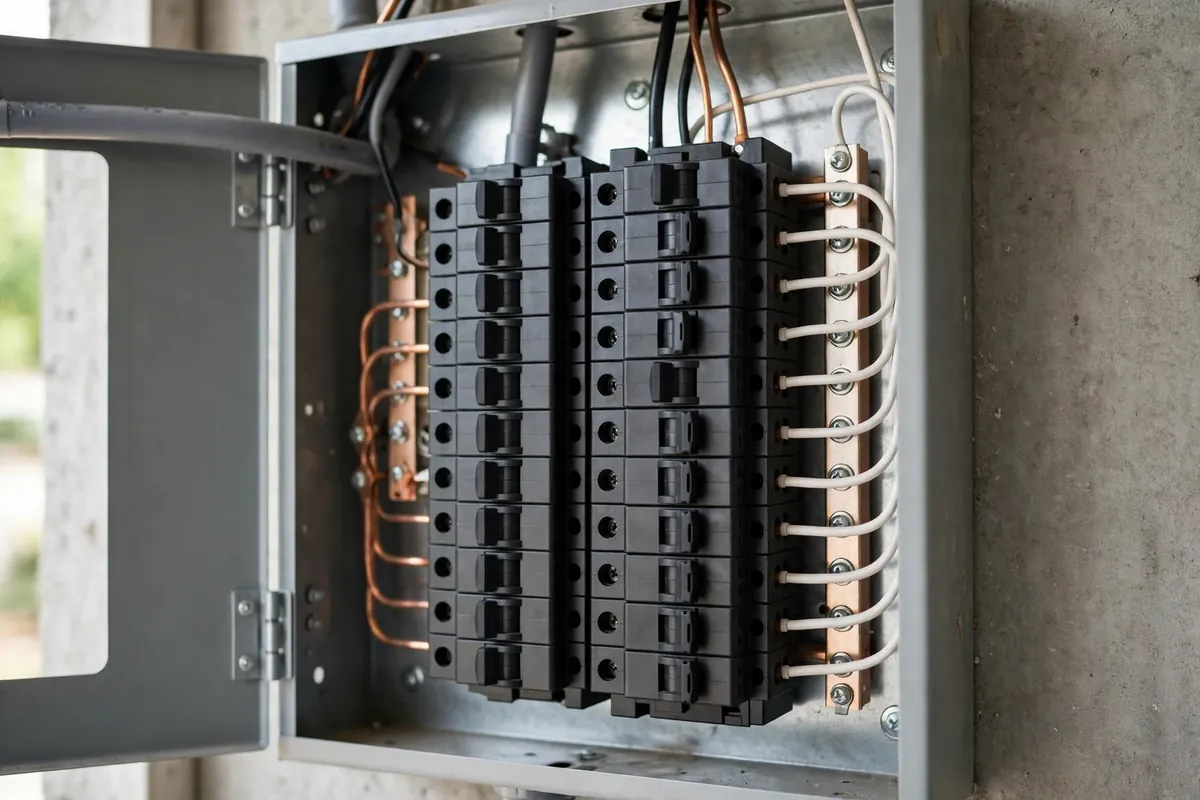
Everything in the charging path warms up somewhat under load. Electricity through resistance makes heat, and a Level 2 session pushes hours of high current through the breaker, the wire, the charger, the cable, and the connector. Mild, evenly distributed warmth is physics, not failure.
The cable along its length may feel gently warm, similar to a laptop power brick's cord after heavy use. Uniform mild warmth along the run is fine. The connector at the car warms slightly where its pins carry current. The wall unit's case may feel warm to the touch on its face after hours of charging, more so in a hot garage. The breaker for the circuit may be faintly warm after a long session.
What healthy warmth has in common: it is mild (you can rest your palm on it indefinitely), it is spread out rather than concentrated at one point, it builds slowly and plateaus, and it is the same as it was last month. Problems announce themselves by breaking one of those four patterns — too hot, too localized, still climbing, or newly changed. Duration matters too: a charger that gets warm in hour one should feel about the same in hour four. One that keeps getting hotter has something evolving, and evolving heat near electrical connections deserves respect — it is the same phenomenon behind the mid-session trips described in our guide to why an EV charger keeps tripping the breaker.
3. The Red Flags: Sounds That Mean Stop
Crackling, sizzling, or popping from the charger, the receptacle, or the panel. These are the sounds of arcing — electricity jumping a gap it should not cross — and they are never normal, at any volume. Stop the session, switch off the breaker if you can do so calmly, and do not use the equipment until an electrician has found the cause.
Loud or growing buzzing. A buzz that is new, louder than the unit's historical hum, or that changes pitch as the session progresses suggests a component under abnormal stress or a connection vibrating loose under load. Note whether it comes from the charger or the breaker — a buzzing breaker is its own call-now finding.
Repeated clicking during a session. The contactor cycling on and off mid-charge means something keeps interrupting the session: a ground fault being detected, a thermal limit being hit, a negotiation problem between car and charger. Once is a hiccup; a pattern of it is a diagnosis waiting to happen, and it overlaps with the fault behavior in our charger maintenance guide.
Silence where there should be life — no click, no lights, no session starting — belongs in this section too. A charger that has gone quiet and dead after working normally has failed, lost its circuit, or tripped its breaker, in ascending order of investigation difficulty.
4. The Red Flags: Heat That Means Stop
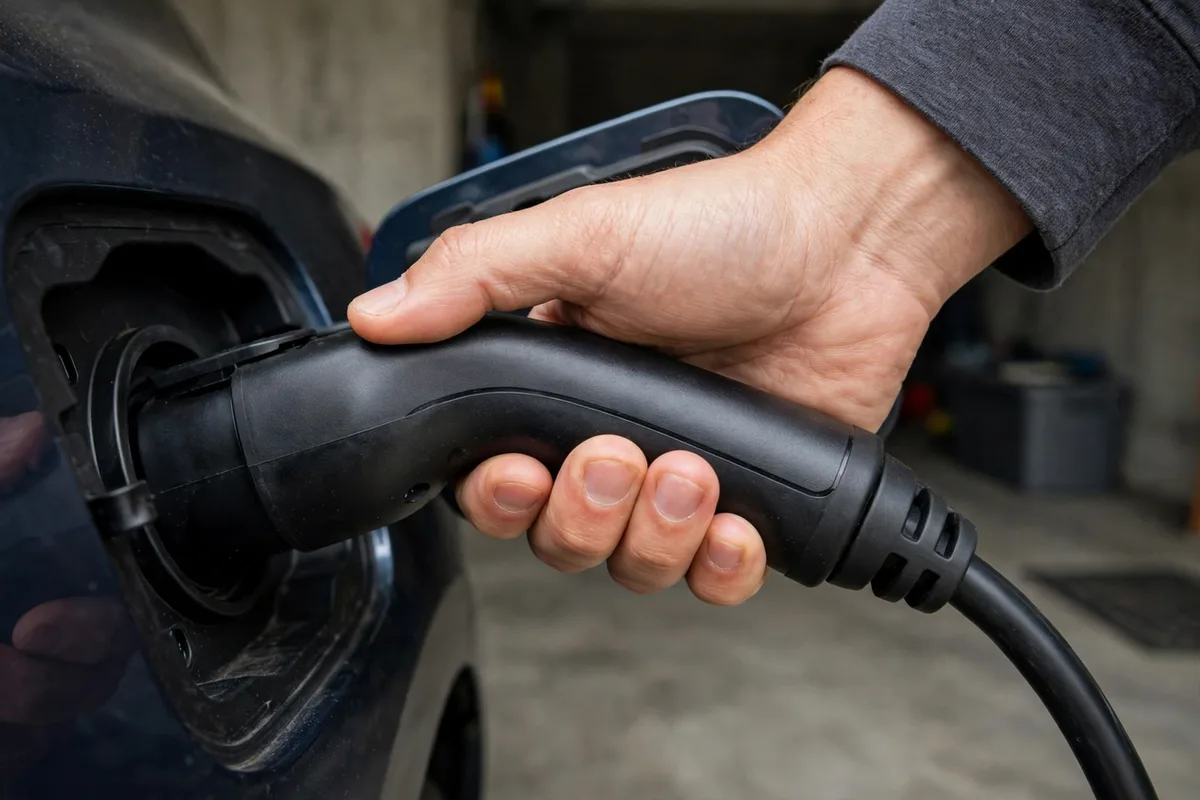
A hot connector. The handle you plug into the car should never be more than warm. A connector that feels genuinely hot — uncomfortable to keep holding — signals resistance at its pins: wear, dirt, damage, or a poor fit in the car's port concentrating heat at the contact points. Our lifespan guide lists connector wear as the earliest aging failure for good reason; heat at the connector is how that wear announces itself. Stop using it and have it inspected; connector heat does not heal.
A hot plug or receptacle on a plug-in setup. Same logic, earlier in the chain. A receptacle whose face is hot, or a plug that comes out with warm blades, points to a loosening connection inside the receptacle — a known wear pattern as receptacles age under heavy continuous loads. Discoloration around the slots is the late-stage version of the same finding.
Heat plus smell. An acrid, hot-plastic, or burning odor anywhere near the charger, receptacle, or panel ends the analysis. Stop the session, turn off the breaker if safe, and call. Smell is heat that has already started changing materials.
A charger that keeps slowing itself down for heat. Many chargers protect themselves by slowing down when internal temperatures climb, then resuming. An occasional slowdown on the hottest afternoon of the year is the feature working. A charger that derates daily, or in mild weather, is telling you its cooling is compromised — blocked vents, failing fan, internal fault — or that it is installed somewhere too hot for what it is rated to handle.
5. Why Florida Garages Push Chargers Toward the Line

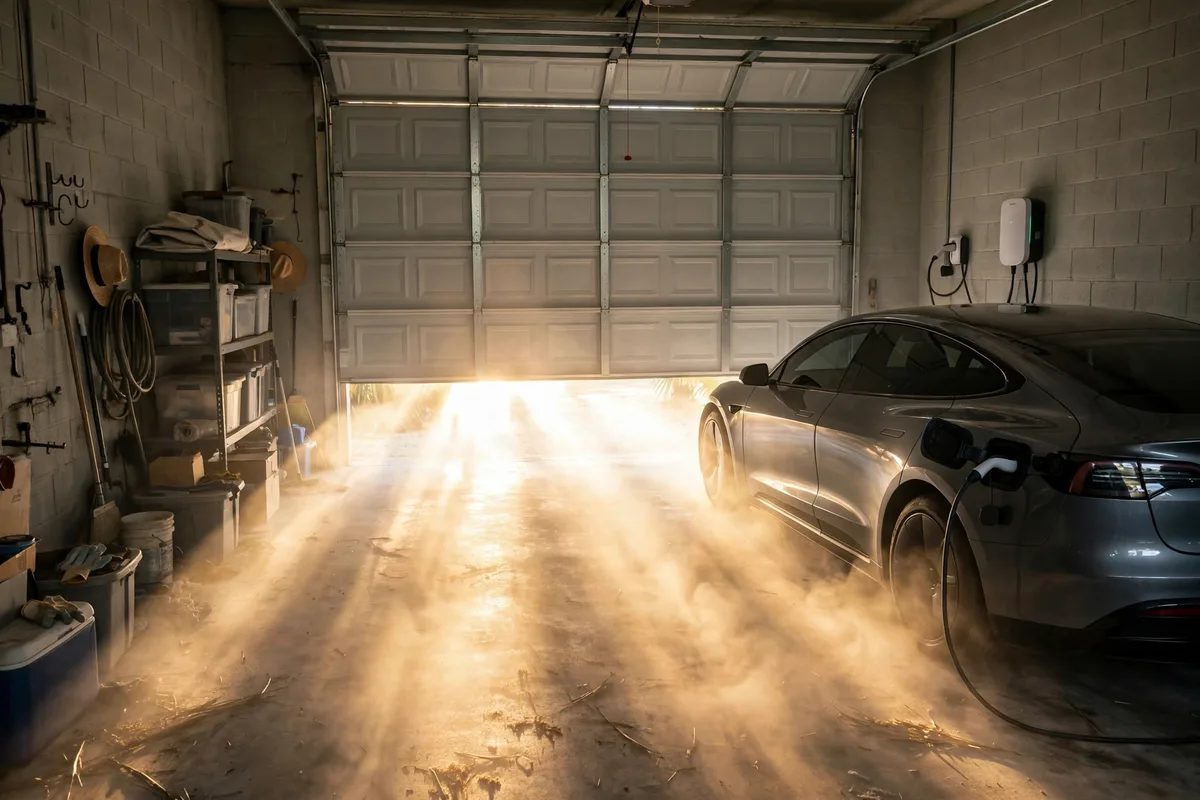
An Orlando garage in August is one of the harder rooms in America for electrical equipment: air temperatures can sit far above the comfort range for hours, the sun loads the door and walls, and humidity is constant. Chargers carry ambient temperature ratings, and a session that starts in a very hot garage begins closer to the unit's thermal limits than the same session in a mild climate. Cars behave similarly — battery cooling runs harder, sessions can taper sooner — which owners sometimes misread as a charger fault.
Practical mitigations are simple. Charge overnight in summer when the garage is coolest, which also suits the off-peak discussion in our electric bill article. Keep the charger's vents and surroundings clear of stored clutter. If the unit mounts on a wall that takes direct afternoon sun through the door, mention it at installation — placement inside the garage, out of the sun path, keeps the unit's baseline temperature down. And if you are adding solar to the picture, our solar EV charging guide covers how heat trims midday charging at the edges without changing the overall value.
6. A Two-Minute Check You Can Do Tonight
During your next session, once the car has been charging for at least half an hour:
- Listen at the charger. Note the hum — its volume and steadiness. This is your baseline; save it mentally.
- Listen at the panel. The charger breaker should be silent. Any buzz earns a call.
- Rest your palm on the cable at a few points along its length. Mild, even warmth: good. One hot section: not good.
- Grip the connector handle as you would to unplug it. Warm is fine; uncomfortable is a stop-and-inspect.
- Touch the wall unit's case. Warm is expected after a long session. Too hot to rest your hand on is not.
- Sniff. Seriously — your nose detects overheating insulation earlier than most electronics do. Any acrid note is a finding.
If everything matches the healthy description, your charger is doing its job and tonight's sounds are just its voice. If anything lands on a red-flag line, our EV charger repair service exists for exactly that inspection — and catching heat early, at the "warm connector" stage, is the difference between a small repair and a replacement.
Key Takeaways
- A click at start and stop, a low steady hum, occasional fan noise, and mild even warmth are the normal signatures of a working charger.
- Know your unit's baseline: normal is defined as "the same as it has always sounded," and change is the signal.
- Crackling or sizzling, a loud or growing buzz, and repeated mid-session clicking are stop-and-call sounds.
- A connector or plug that is hot rather than warm, heat concentrated at one point, any burning smell, or daily thermal slowdowns are stop-and-call heat.
- Florida garages start chargers closer to their thermal limits in summer; overnight charging and clear vents keep sessions in the comfortable zone.
- The two-minute listen-and-touch check catches developing problems while they are still small repairs.
Why does my EV charger hum while charging?
The hum comes from the charger's internal electronics and magnetic components responding to alternating current as it switches and regulates power to the car — it is the working sound of the machine, present in most models to some degree. Wall material amplifies it; a charger on a hollow stud wall hums louder than the identical unit on concrete. A hum that has been consistent since installation is normal. A hum that is new, noticeably louder, or changes pitch during sessions is worth having checked, because it suggests a component or connection under changing stress.
Is a clicking sound from my EV charger normal?
Single clicks are not only normal, they are reassuring: that is the contactor — the main safety switch — closing when a session starts and opening when it ends, and you may hear a couple of relay clicks during the initial handshake between car and charger. What is not normal is clicking that repeats through the session, which means charging keeps interrupting and restarting. That pattern points to a fault being detected, a thermal limit, or a communication problem, and it should be diagnosed rather than lived with.
How warm should my EV charging cable get?
Gently warm, evenly, along its length — comparable to a hard-working laptop charger cord — is normal and expected under a Level 2 load. The warning pattern is different: warmth concentrated at one spot, especially near either end where the cable meets the unit or the connector, or a cable that feels hot rather than warm. Concentrated heat means concentrated resistance, usually at a connection, and connections that heat up get worse, not better. Check it with the session running at least half an hour; a cold cable at minute two tells you nothing.
Why does my charger slow down on very hot days?
Because it is protecting itself and your car. Chargers monitor their internal temperature and reduce charging rate when they approach their limits — and on a 100-degree Florida afternoon, a session may start with the unit already near the top of its comfort range. Cars do the same on their side. An occasional hot-day slowdown is the system working as designed. Slowing down every day, or in mild weather, suggests blocked ventilation, a failing fan, an installation spot that traps heat, or an internal problem, and deserves an inspection.
My charger feels hot — should I unplug it?
Distinguish warm from hot. A case that is warm to the touch after hours of charging, where you can rest your palm comfortably and indefinitely, is normal operation in a warm garage. A case — or worse, a connector or plug — that is too hot to keep your hand on is not. In that case, stop the session (unplug the car first, then switch off the breaker if the plug itself is the hot part and you can do so safely), let everything cool, and do not charge again until an electrician has inspected it. Heat at that level means resistance somewhere it should not be.
Can heat damage my EV charger over time?
Yes — heat is one of the main aging forces in any charger. Sustained high temperatures age electronic components, dry out seals, soften and embrittle cable jackets, and accelerate the loosening of connections through repeated thermal expansion and contraction. A single hot afternoon does no meaningful harm; a charger that lives its whole life overheating in a sun-baked, unventilated corner will reach the end of its life noticeably sooner than the same unit in a shaded, airy spot. Placement, ventilation, and fixing heat faults early are how you keep heat as weather rather than as wear.
Related Posts

- EV Charger Keeps Tripping the Breaker? Causes and Fixes
- How Long Does an EV Charger Last? Lifespan, Wear Signs, and Making Yours Last
- EV Charger Maintenance Guide: Keep Your Home Charger Running for Years
Charger making a sound you do not trust? Call now at (407) 555-0100 — we inspect chargers, connectors, and circuits across Orlando, and we will tell you plainly whether what you are hearing is normal or the start of a repair.
Sources consulted: EV charger manufacturer owner guidance on normal operating sounds and thermal behavior (Tesla, ChargePoint, Emporia); NEC Article 625 equipment provisions; owner noise-and-heat reports and resolutions (r/evcharging, Tesla Motors Club).