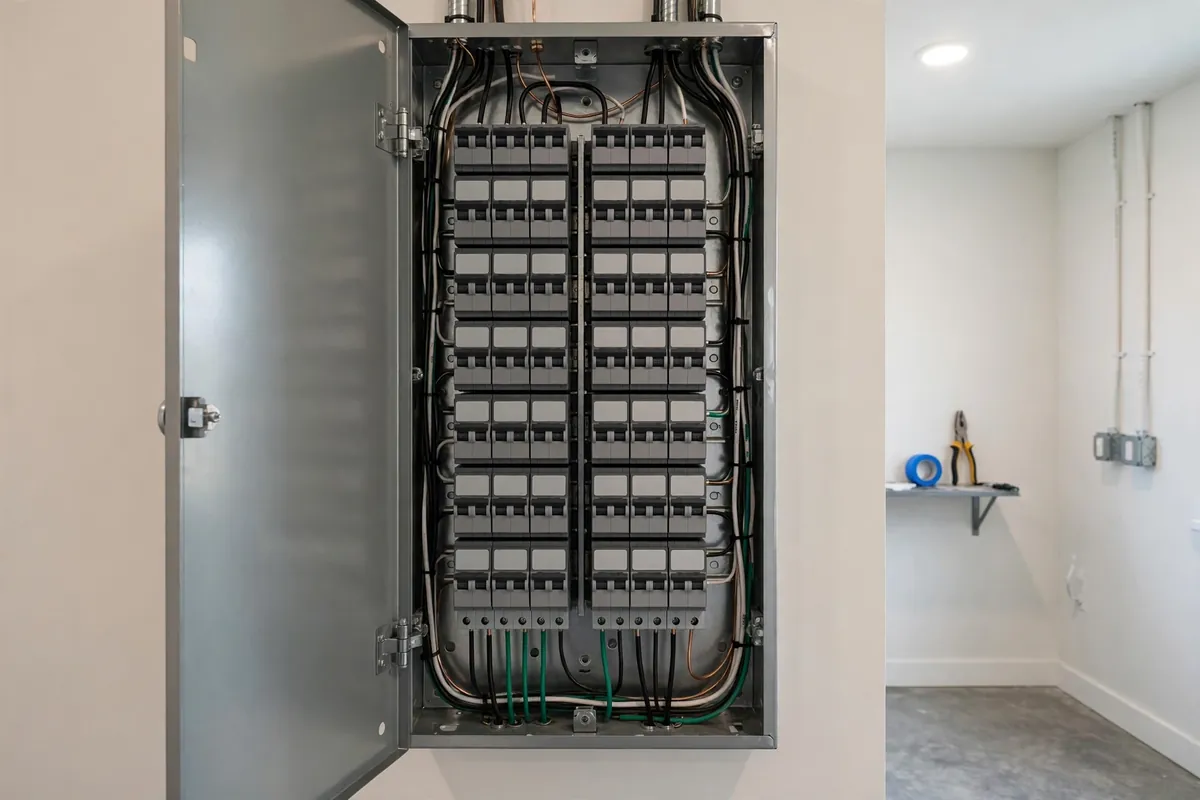
What Is an Electrical Panel Upgrade for EV Charging?
It's increasing your home's electrical capacity so a new EV charger circuit can be added safely and legally. That can mean several things: swapping a 100-amp main panel for a 200-amp panel, adding a subpanel near the garage to create breaker space, replacing an outdated or damaged panel (Federal Pacific and Zinsco panels are common in older Florida homes and are safety concerns on their own), or installing a load-management device that lets the charger share capacity dynamically without a full upgrade.
Every option starts the same way: an NEC Article 220 load calculation. This is the code-mandated math that totals your home's existing loads — square footage, AC tonnage, water heater, dryer, oven, pool equipment — and compares it against your service size. Only then can anyone honestly say whether you need an upgrade. Any electrician who quotes a panel upgrade without running this calculation is guessing.
Orlando's Older Panels Weren't Built for EVs
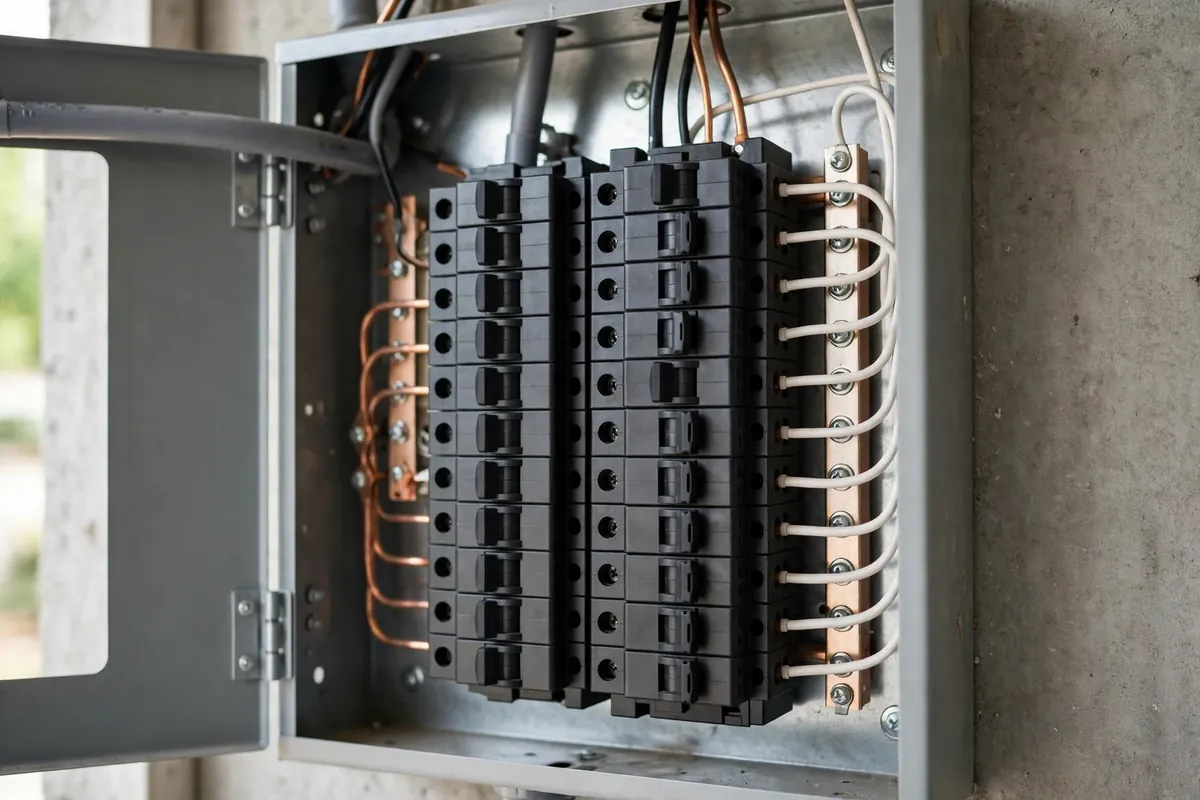
Central Florida's housing stock tells the story. The block ranch homes in Azalea Park and Pine Hills, the bungalows in College Park, the 1970s–80s subdivisions across Kissimmee and Altamonte Springs — most were wired when a home's biggest loads were the AC and the dryer. A 100-amp service was plenty. Then you add a 48-amp continuous EV charger — the single largest load in most modern homes — and the math breaks.
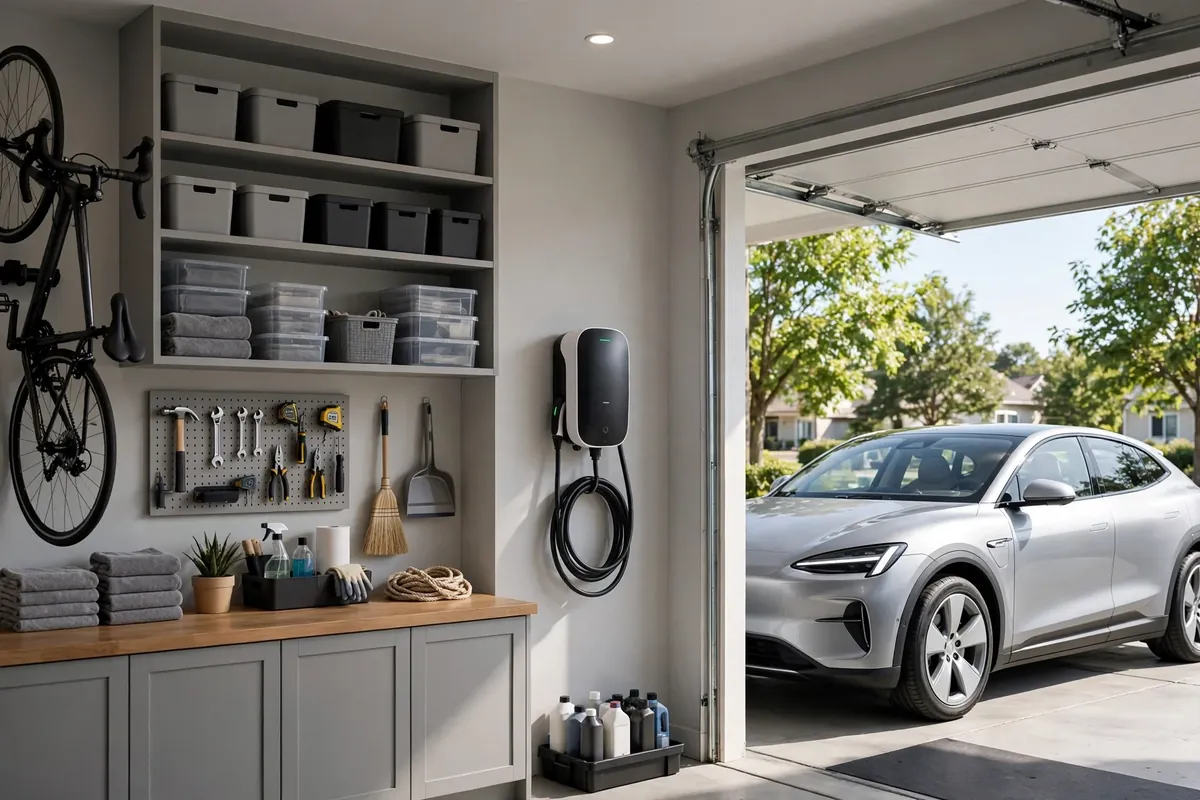
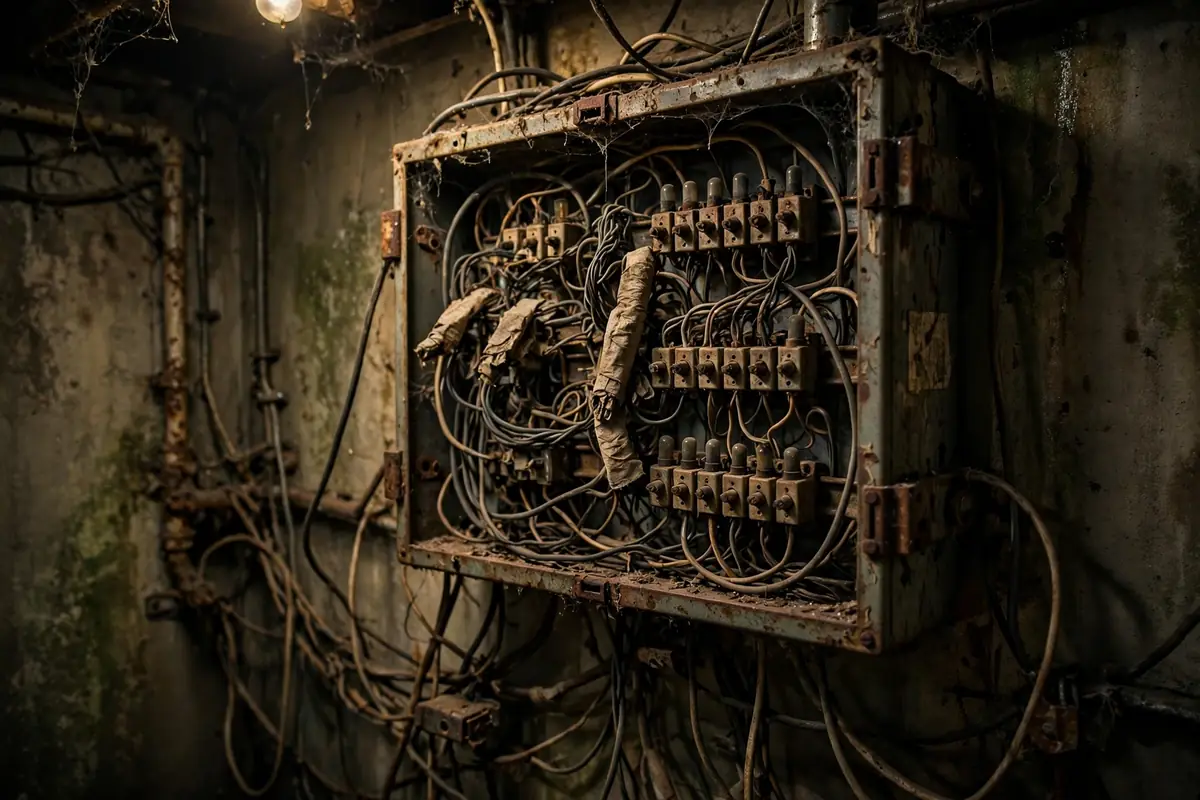
The symptoms are familiar: the main breaker trips on summer afternoons when the AC, pool pump, and car all run. There's no physical space left for a two-pole breaker. The panel is a discontinued brand with no replacement breakers available. Or the panel "works" but the bus bars show heat damage — something only an electrician opening the panel would catch.
The worst outcome isn't inconvenience — it's an installer who skips the calculation, lands a 60A breaker on a maxed-out 100A service, and leaves you with a setup that can't pass inspection and creates a genuine overload risk.
Capacity Verified, Then Built Right
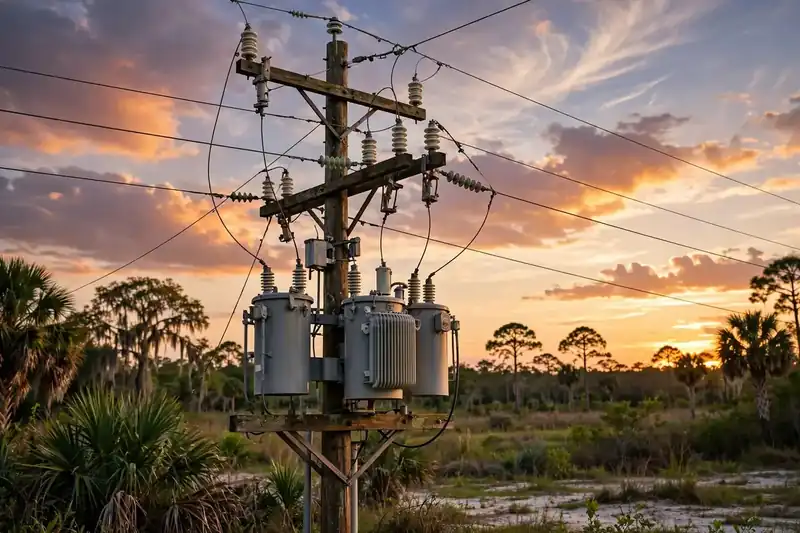
Our process is calculation-first. If the math shows your 100-amp panel can carry a 32A or 40A EV circuit with margin, we'll tell you — no upgrade sold. If you're close, a load-management device (a CT-clamp system that pauses or throttles charging when the house peaks) can often avoid a full service upgrade entirely. If you genuinely need more service, we handle the full upgrade: utility coordination for the service-entrance work, new meter can and mast if required, panel swap, re-labeling, permit, and inspection.
Either way, the EV charger circuit gets installed on a panel that was verified to handle it — permitted, inspected, and documented.
How It Works
1. Panel inspection and load calculation
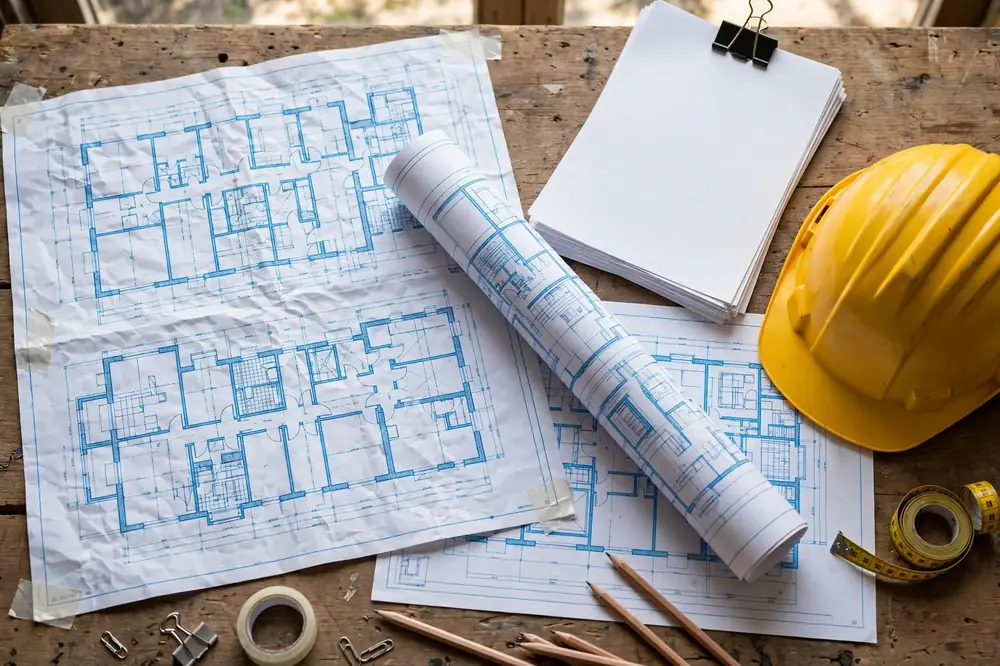
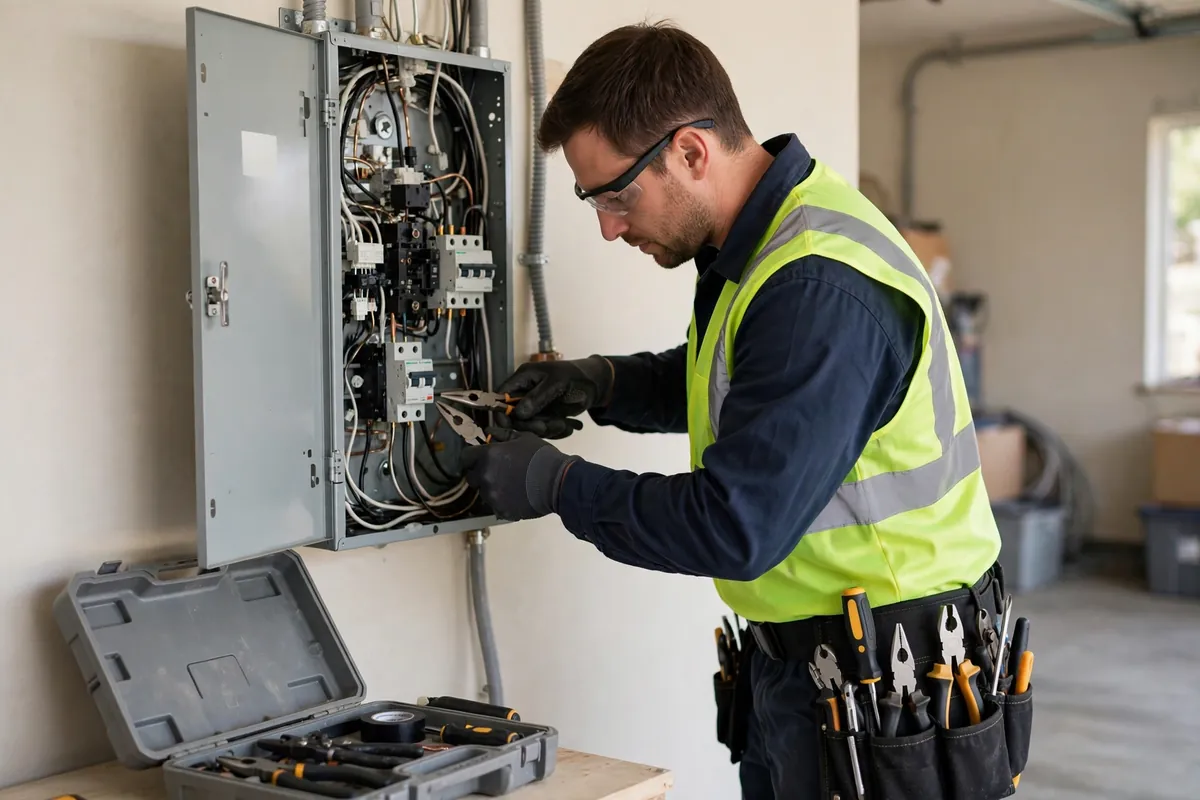
A licensed electrician opens your panel, documents breaker layout, wire sizes, and panel condition, then runs the NEC load calculation against your service size. You get a straight answer: fits, fits with load management, or needs an upgrade.
2. Upgrade plan and utility coordination
If an upgrade is needed, we plan the new service size (typically 200A), coordinate with your utility (OUC, Duke Energy, or FPL) for the service-entrance disconnect/reconnect, and pull the permit.
3. Panel upgrade or subpanel install
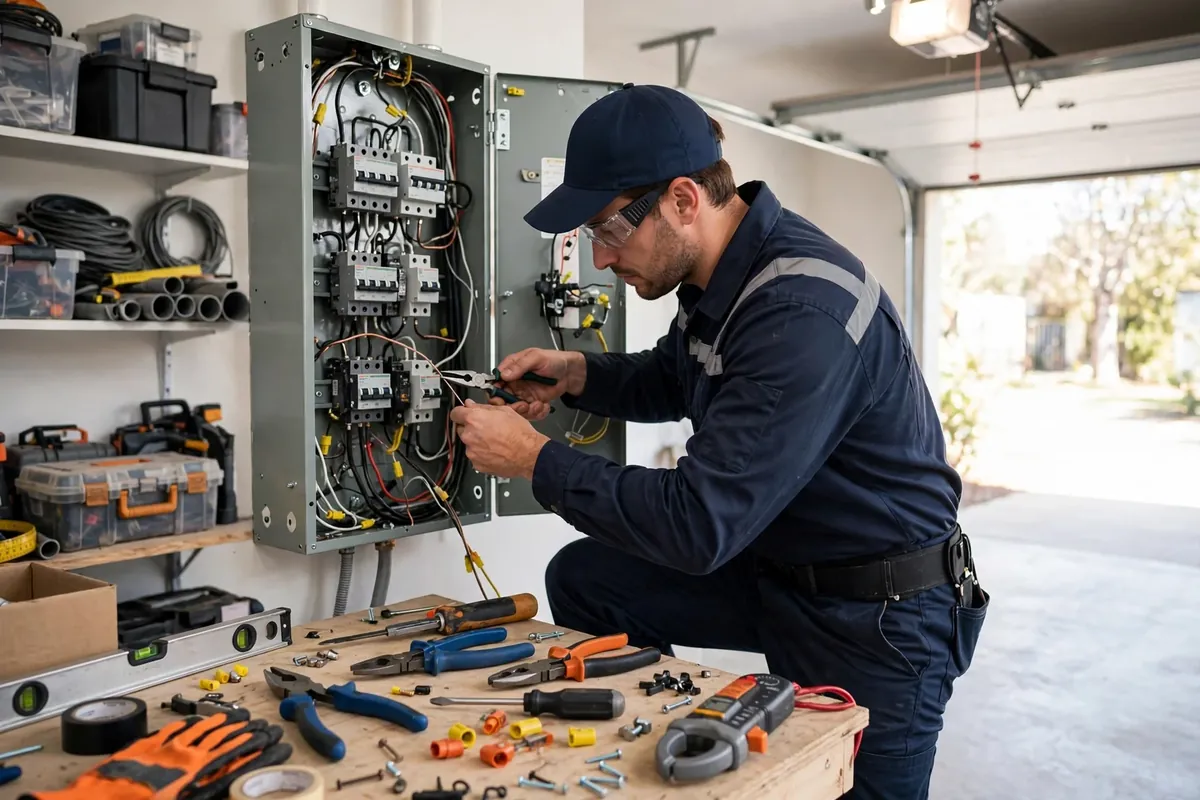
We swap the panel (or add the subpanel), upgrade grounding to current code, install whole-home surge protection on request — strongly recommended in lightning-prone Central Florida — and label every circuit clearly.
4. EV charger circuit and inspection
With capacity confirmed, we run the EV charger circuit, schedule the inspection, and test everything under full load.
Your Options, Compared
| Load-Management Device | Subpanel | Full Service Upgrade (100A→200A) | |
|---|---|---|---|
| What it does | Throttles EV charging when house peaks | Adds breaker space near the garage | Increases total home capacity |
| Ideal when | Panel nearly full but service is adequate | Main panel is full or far from garage | Service itself is undersized |
| Permit/inspection | Yes | Yes | Yes + utility coordination |
| Disruption | Minimal — small device at panel | Half-day panel work | Full-day with planned power outage |
Our approach: we recommend the smallest intervention the calculation supports. Plenty of Orlando homes get by with load management or a subpanel; we only recommend a full service upgrade when the math demands it.
Why Choose Us for Panel Upgrades
- Licensed electricians — panel and service-entrance work is strictly licensed trade work in Florida, and we do it daily
- Load calculation before every recommendation — upgrades are prescribed by NEC math, never by upsell
- Permits and utility coordination handled — we manage the utility disconnect/reconnect scheduling
- Code-compliant work — proper grounding, arc-fault and GFCI protection where required, labeled directories
- Orlando local expertise — we know OUC, Duke, and FPL service territories and each utility's process
- EV-aware sizing — we size the new service with your charger (and a possible second EV) in mind, not just today's loads
Panel Upgrade Service Areas
Winter Park 32789 · Kissimmee 34741 · Altamonte Springs 32714 · Downtown Orlando 32801 · Lake Nona 32827 · Windermere 34786 · Dr. Phillips 32819 · Oviedo 32765
Will my home's electrical panel handle a Level 2 charger?
It depends on the load calculation — not the panel's age or a visual guess. We total your home's existing loads per NEC Article 220 and compare against your service size. Many 100-amp Orlando homes can support a 32A or 40A EV circuit; some need load management or an upgrade. The calculation takes the argument out of it.
How do I know if my panel needs an upgrade before the charger goes in?
Four things: (1) service size and spare capacity via load calculation, (2) physical breaker space in the panel, (3) the panel's brand, age, and condition — damaged bus bars or obsolete panels are red flags, and (4) the wire route from panel to parking spot. That assessment determines the circuit size, whether an upgrade is needed, and the full scope of work.
What size circuit should I run for future EV charging in a new build?
Run a 60A circuit (for 48A charging) to the garage at minimum — wire is inexpensive during construction and costly to add later. If the budget allows, run conduit for a second future circuit or size for two-EV power sharing. New Lake Nona and Horizon West builds are often pre-wired; we verify and complete those rough-ins too.
Can load-management devices avoid a full panel upgrade?
Often, yes. A load-management device monitors your home's total draw with current-transformer clamps and automatically reduces EV charging when the house approaches its service limit — then restores full charging overnight when loads drop. It's a code-recognized approach that costs far less than a service upgrade and works well for households whose peak loads (AC, dryer, oven) rarely coincide with overnight charging.
Should I add surge protection when upgrading my panel?
In Central Florida, yes — strongly. The Orlando area sees more lightning than anywhere else in the US, and a panel upgrade is the ideal moment to add whole-home surge protection at the service entrance. It protects the EV charger, the car's onboard electronics, and every other appliance in the house. We recommend it on every upgrade we do.
What happens during an electrical panel inspection in Orlando?
The inspector verifies the permit matches the work: correct panel and breaker ratings, proper wire sizing, grounding and bonding to code, labeled circuits, required clearances in front of the panel, and GFCI/arc-fault protection where the code requires it. We schedule the inspection, meet the inspector, and correct any notes — you don't need to be involved.
Find Out What Your Panel Can Handle
A load calculation gives you the real answer — not a guess, not an upsell.
Back to EV Charger Installation Orlando