Quick Answer
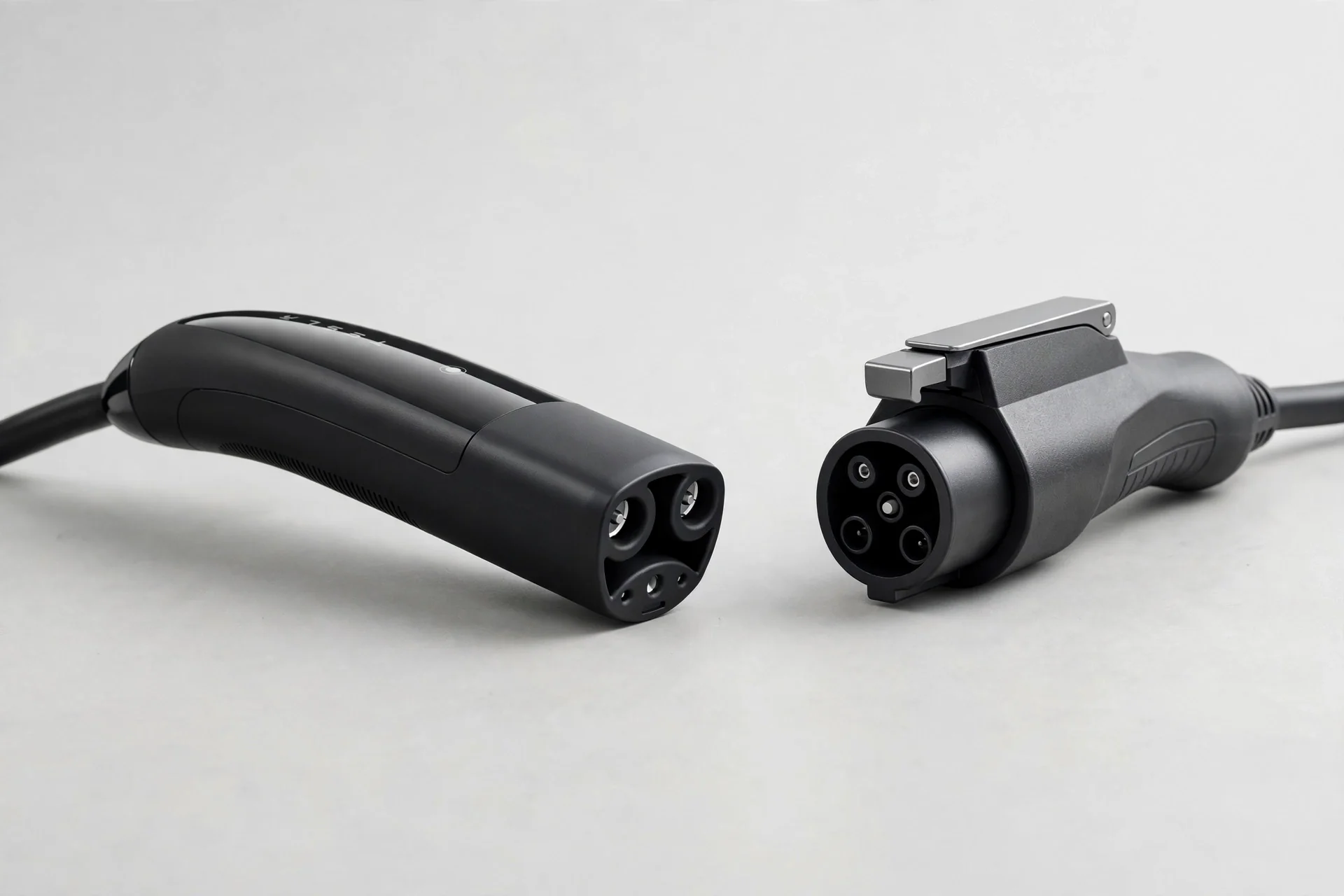
Charging an electric car at home is closer to charging a phone than to visiting a fuel station: you plug in at home, the car charges while you do other things, and you unplug when you leave. The differences that matter for a beginner are speed, timing, and habit. Speed depends on the charger level: a standard household outlet (Level 1) restores a small number of miles per hour of charging, while a dedicated Level 2 home charger restores many times that and comfortably refills a typical day's driving overnight. Timing is handled by schedules in the car or the charger, which can hold charging to overnight hours. Habit is the part people underestimate: the drivers who enjoy home charging most are the ones who plug in every evening without thinking about it, the way they lock the front door.
This guide assumes you are starting from the beginning. It explains the levels in plain terms, the first-week setup, the daily routine, scheduling, battery care basics, and the mistakes beginners most often make. For the deeper technical comparisons, the site's Level 1 versus Level 2 versus Level 3 article covers the levels in detail, and the what to expect during installation article describes getting a Level 2 charger installed.
1. The Three Levels, in Plain Terms
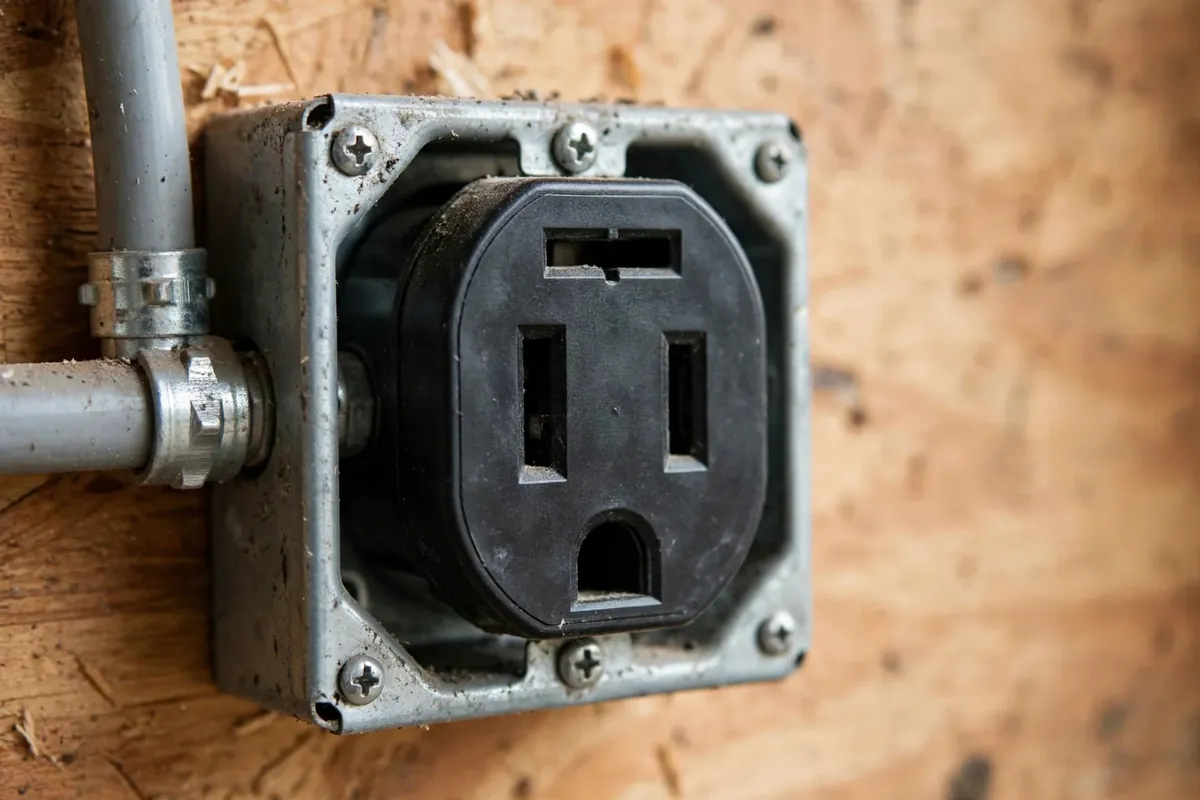
Level 1 is a standard household outlet. It needs no installation beyond the outlet itself, and it works for drivers with short daily trips who can leave the car plugged in for long stretches. Its limit is speed: an overnight session on Level 1 restores only a modest slice of a battery, so a longer-than-usual day can leave the car short the next morning, and catching up takes more than one night.
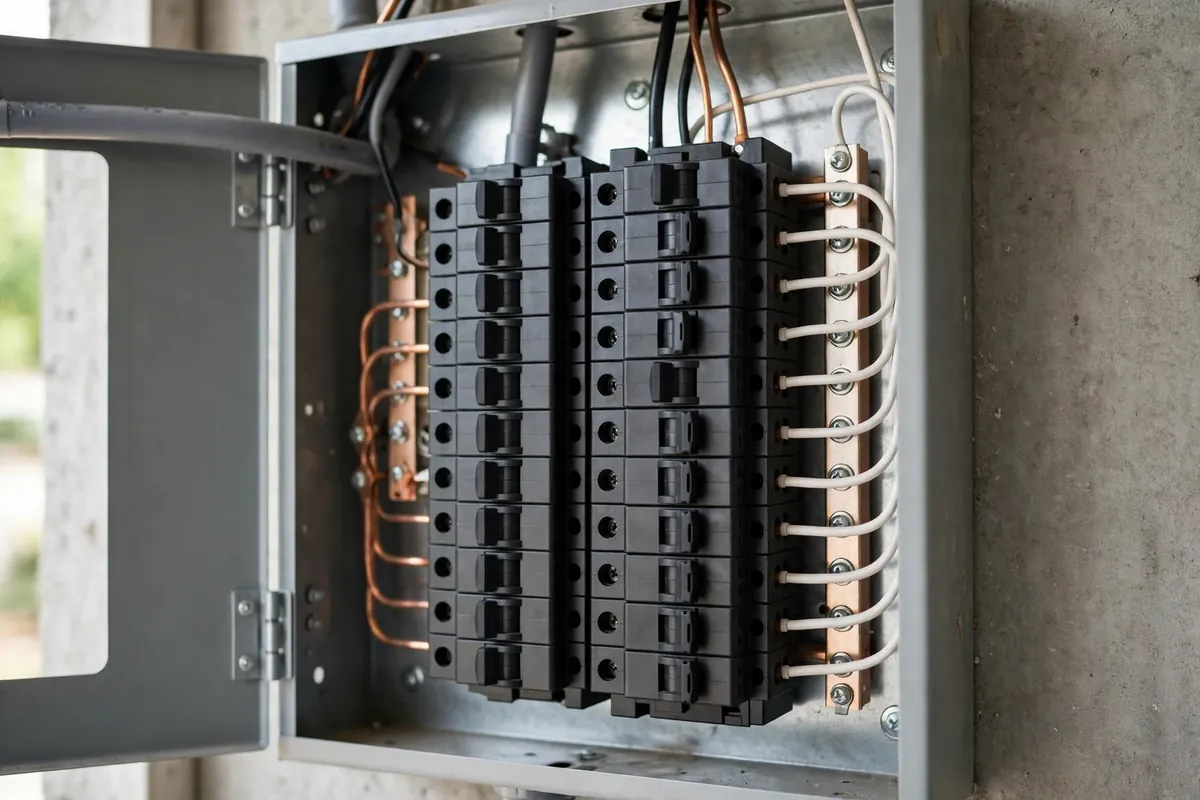
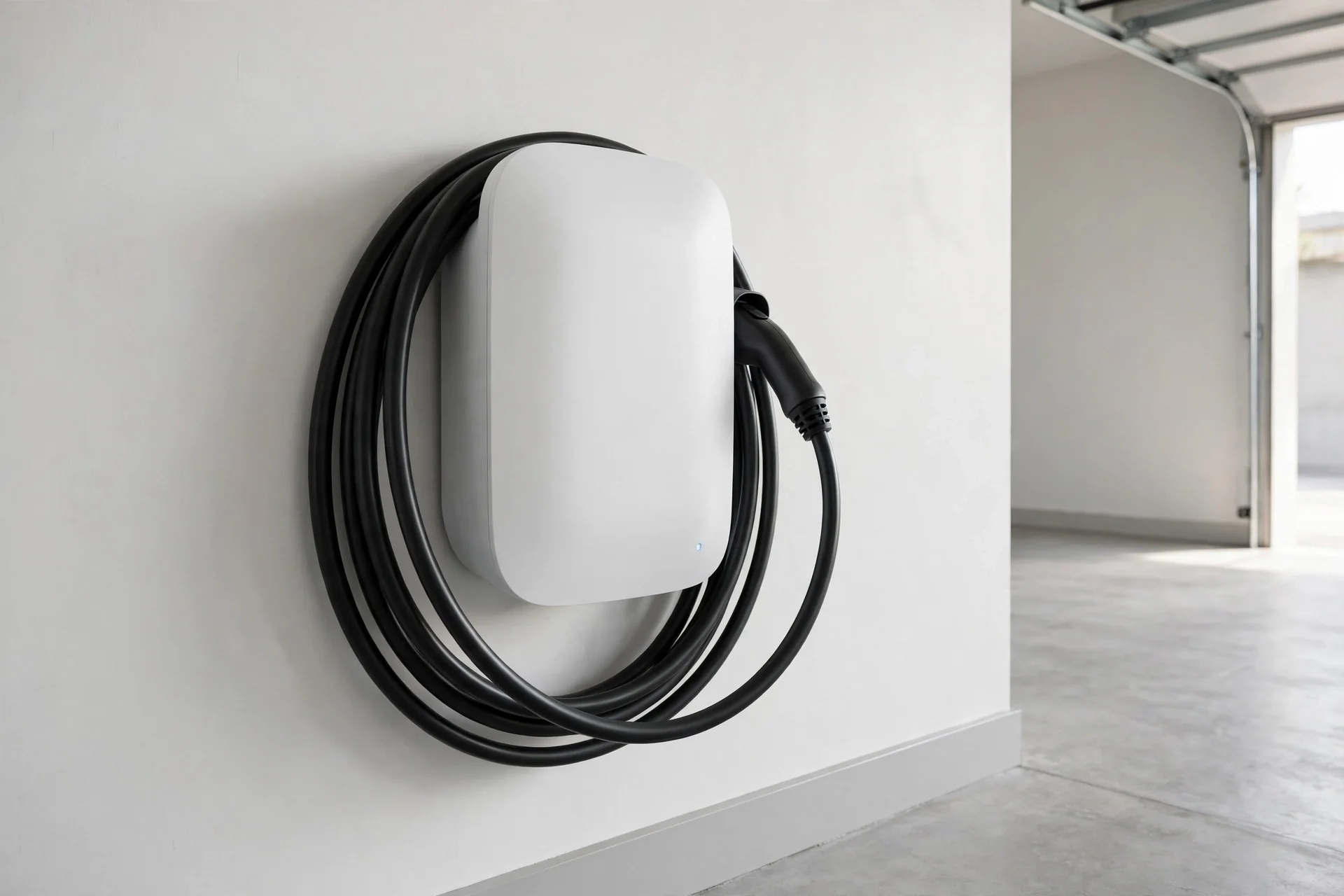
Level 2 is a dedicated home charger on its own circuit, usually wall-mounted in a garage or outdoors. It restores a typical day's driving in a few hours overnight, which is why it is the standard recommendation for most households. It requires an installation visit — panel check, dedicated circuit, mounting — but once it is in, the daily routine is simply plugging in. If you are deciding whether your home can support one, the panel upgrade guide and the 100-amp panel article cover the panel question honestly.
Level 3, also called DC fast charging, is public infrastructure — the fast chargers along highways and at charging stations. It is not a home installation for ordinary houses, and you do not need it at home. Its role in a beginner's life is road trips and the occasional fast top-up, not the daily routine. Home charging is Level 1 or Level 2; everything else is travel charging.
The practical takeaway for a first-time owner: if you drive a typical commute and park at home overnight, Level 2 removes charging from your list of things to think about. If your driving is very light and your car sits plugged in for most of the day and night, Level 1 can be a reasonable starting point, with Level 2 as the upgrade when the routine starts to feel tight.
2. Your First Week: Setup Before Habit
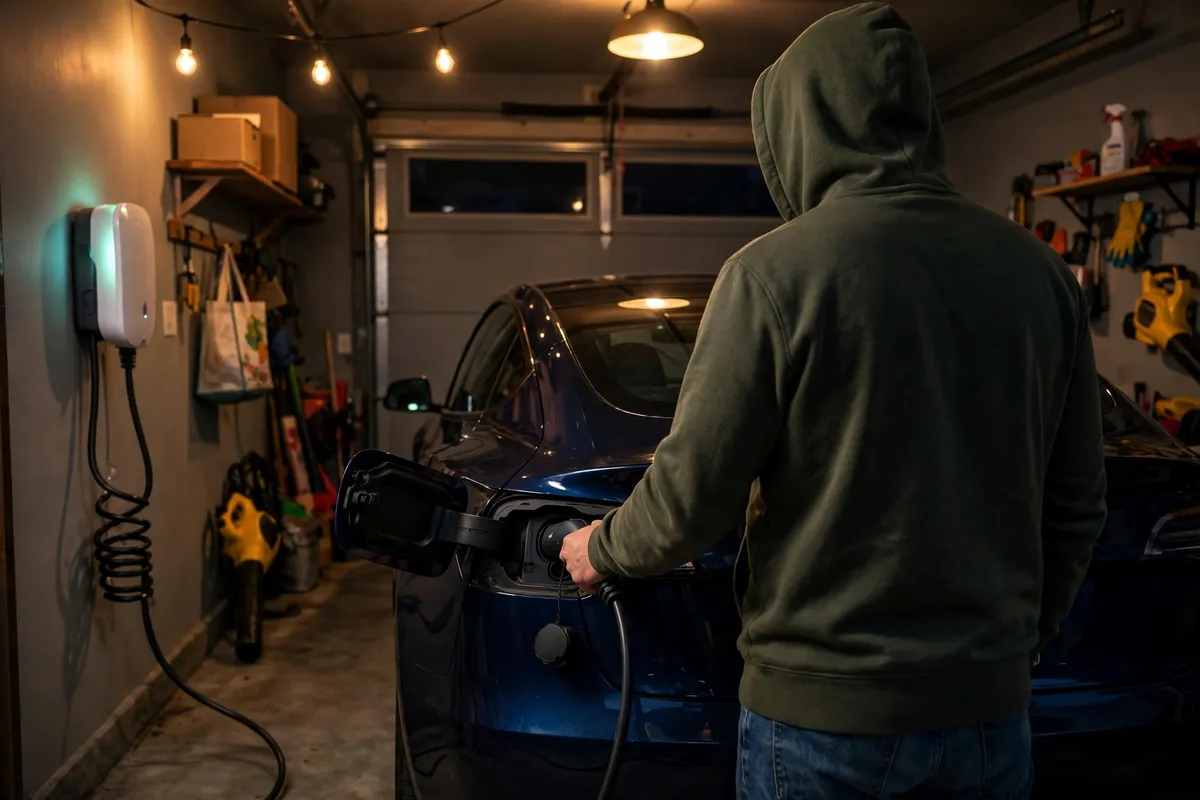
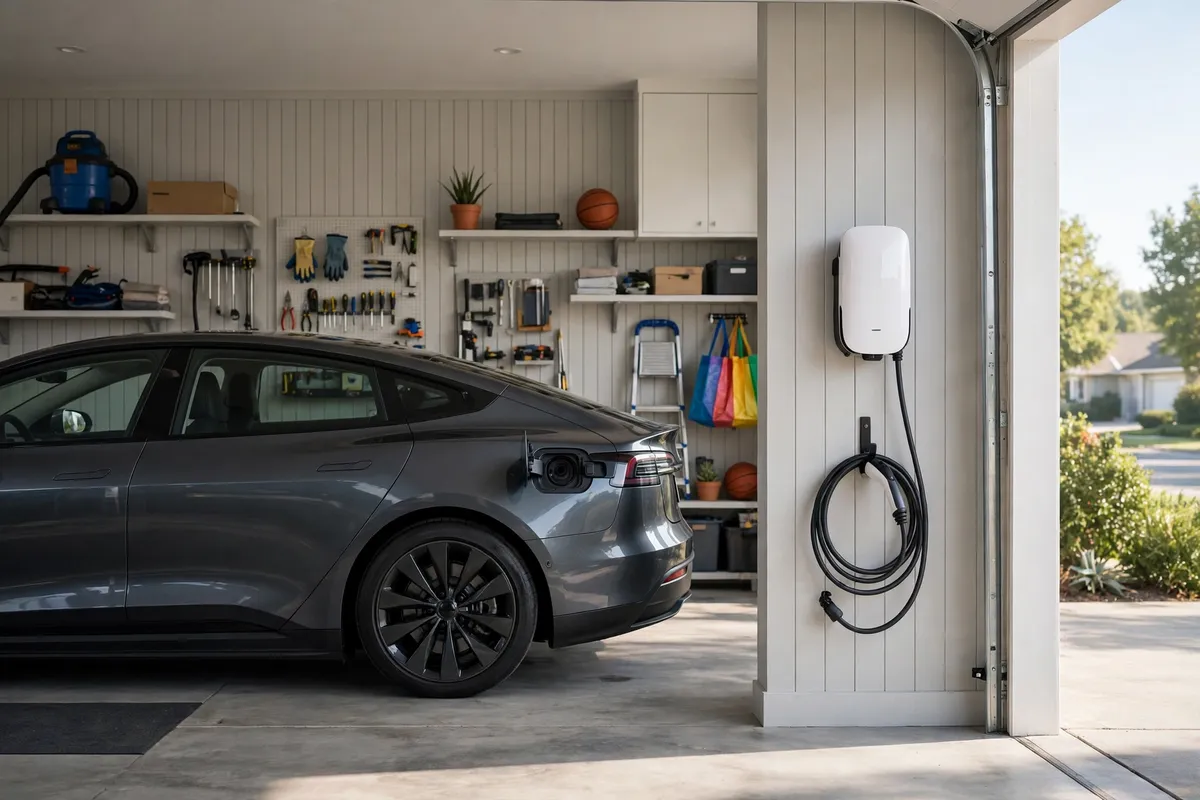
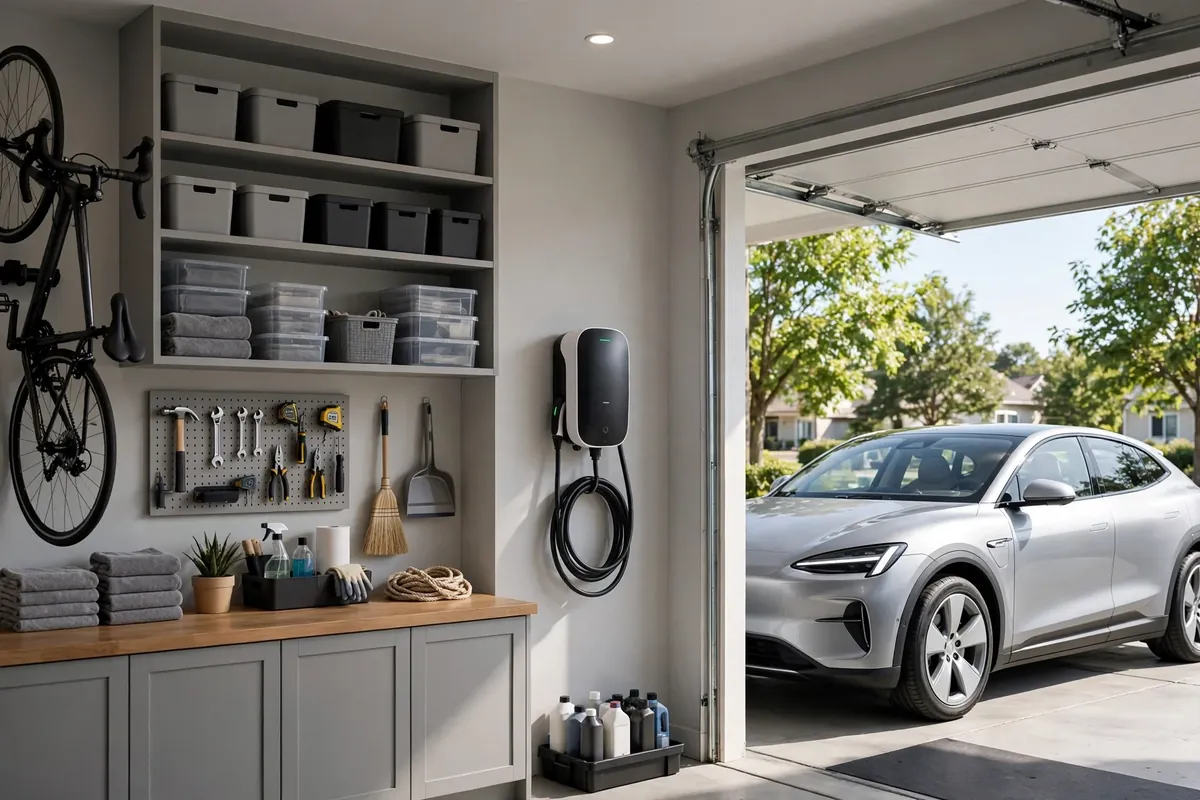
The first week with a new EV is the time to set things up once, properly, rather than improvising daily. Start with the physical setup: the charger mounted where the cable reaches the car's charge port without stretching or dragging, the cable stored on its holster, and the breaker location known. Walk the plug-in motion a few times — port location, connector orientation, the click or latch that confirms it is seated — until it is muscle memory. Most beginner frustration comes from fumbling a new connector in the dark, not from anything electrical.
Next, set up the car's charging settings. Almost every EV lets you set a charge limit for daily use — a ceiling the car normally charges to, below a full charge — and a departure or scheduled charging time. Set the daily limit to the level your car's manual recommends for everyday driving, and set a schedule that finishes charging before your usual departure rather than starting the moment you plug in. The schedule section below explains why. If the charger has its own app, connect it during the first week too, and confirm the charger and the car agree: one schedule should be in charge, not two competing ones. When both the car and the charger try to schedule the same session, the result is usually a car that did not charge when expected, and the fix is to let one of them own the schedule.
Finally, do one full, observed session in the first week: plug in, confirm charging starts, check the car's display or app for the expected charging speed and estimated finish time, and confirm the session completes. A session watched once teaches more than a manual read twice, and it surfaces any issue — a schedule set wrong, a connector not seated, a breaker concern — while it is still a small problem. If anything trips or behaves unexpectedly, the breaker-tripping guide helps separate a simple cause from one that needs an electrician.
3. The Daily Routine: Plug In, Forget, Unplug
The routine that works is boring, and that is the point. When you get home, plug in. Every evening, whether the battery is low or not. Do not wait for a low battery the way you waited for a low fuel tank — that habit belongs to fuel stations, and it creates exactly the anxiety home charging removes. A car plugged in nightly starts every morning with the previous day's driving restored and more, and the occasional long day is absorbed by the same routine without any special planning.
Unplug in the morning, stow the cable on its holster, and go. The whole interaction takes seconds. The drivers who struggle with home charging are almost always the ones who treat it as an event — waiting, watching the percentage, deciding each night whether tonight is a charging night — rather than as a habit. Make it automatic and the car simply stays ready.
Two small habits support the routine. First, keep the connector clean and dry, especially for outdoor chargers: shake out rain, wipe grit, and seat it firmly. Second, glance at the car's expected finish time when you plug in on an unusual day — after a long trip, or when tomorrow starts early — so a surprise in the morning is caught the night before. The charger maintenance guide sets out a simple monthly check that keeps the routine reliable.
4. Scheduling: Why, and How to Set It
Scheduling is the feature beginners most often ignore and most often benefit from. A schedule tells the car or charger when to charge, and the usual reasons are: to finish charging shortly before departure, so the battery does not sit at a high charge for hours; to keep charging inside overnight hours, when the house's other loads are quiet and the electrical system is least stressed; and, where the utility offers time-varying rates, to place charging in the hours the household prefers. Our article on home charging and the electric bill discusses the usage side of timing in more detail.
Set the schedule in one place — the car or the charger, not both — and set it to finish by your departure time rather than to start at a fixed hour, if your system offers a finish-by option. A finish-by schedule adapts to how much charge is needed: a light day finishes quickly, a heavy day starts earlier, and both end ready. If your system only offers a start time, choose one that leaves enough hours before departure for a full overnight session, and test it for a few nights before trusting it.
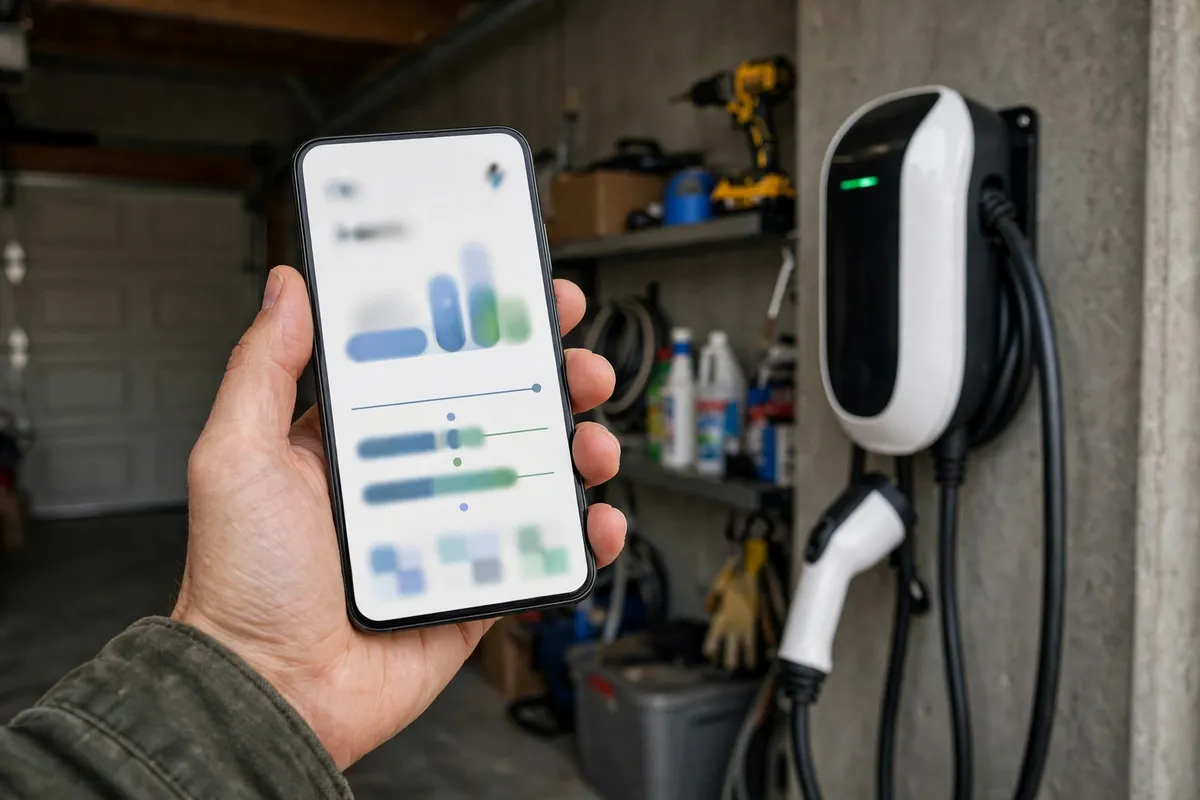
The common scheduling mistake is a double schedule: the car set to charge at midnight and the charger set to charge at 2 AM, or a departure timer fighting a charger timer, leaving the car uncharged in the morning. If a scheduled session ever fails to run, check for a second schedule first — it is the most common cause and the easiest fix. The second most common cause is a schedule set in the wrong time zone or with daylight saving confusion after a clock change, worth a check twice a year.
5. Battery Care Basics: What Actually Matters
Battery care advice for EVs is full of strong opinions, and most of them matter less than the basics. The battery in your car is managed by the car's own systems — thermal management, charge control, and cell balancing run without your involvement — and the owner's job is to avoid the handful of habits that genuinely wear a battery faster, not to micromanage every percentage point.
The basics that are worth following: for daily driving, use the charge limit your car's manual recommends rather than charging to full every night; full charges are for long trips, not for Tuesdays. Avoid letting the battery sit at a very low charge for days, and avoid leaving it at a full charge for days either — both extremes, sustained, age a battery faster than the middle range it spends most of its life in. On very hot days, the car manages its own temperature while charging, but parking in shade and charging overnight rather than in the afternoon heat is kinder to the battery and to the charger, as the noise and heat article explains. And do not worry about plugging in daily: frequent, shallow charging sessions are normal for a home routine and are not harmful in the way a fuel-tank analogy might suggest.
What does not matter much: unplugging the moment charging finishes, counting charging sessions, or avoiding public fast charging entirely. Fast charging on road trips is what that infrastructure is for; using it occasionally on a trip is normal use, not abuse. The pattern that wears batteries is sustained extremes — always full, always empty, always fast, always hot — not the ordinary mix of home charging and occasional travel charging that most owners actually do.
6. Charging Away From Home: The Occasional Supplement
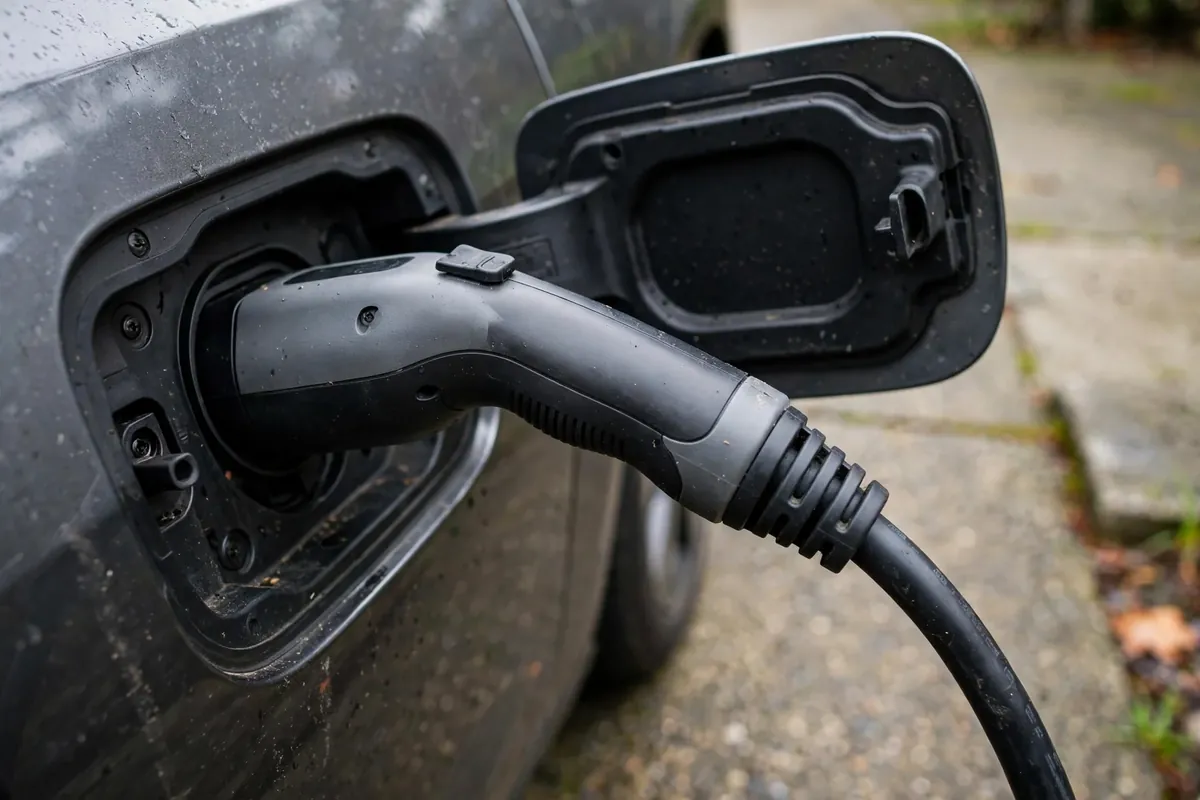
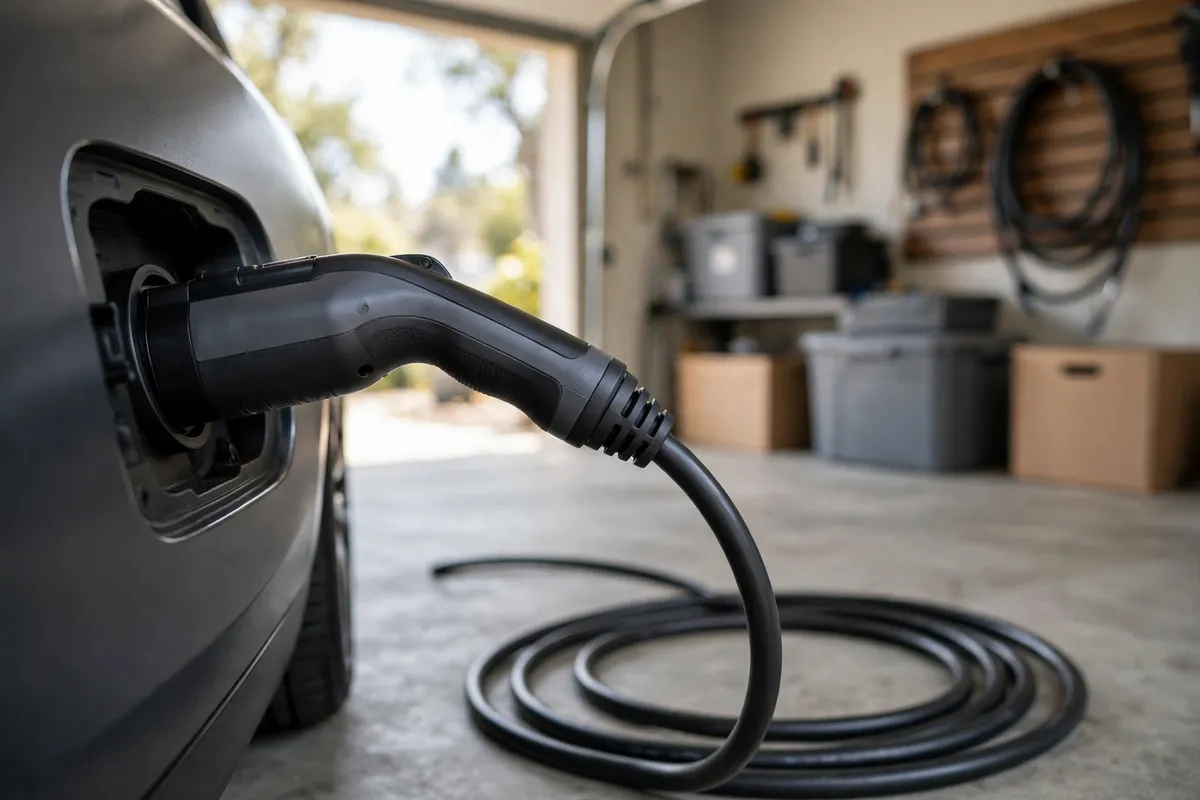
Home charging covers the daily routine, but a beginner should know the public side exists and how it differs. Public chargers are found through the car's navigation or a charging app, and they vary in speed, connector type, and payment method. The first public session feels unfamiliar — an app, an account, a connector that may differ from the home one — so doing one deliberately, near home and without time pressure, is better than learning it on a road trip with a low battery. <!-- IMAGE: Close-up of an electric vehicle charging connector plugged into a car's charge port in a home garage -->
Note the connector your car uses and whether an adapter is part of your kit, and keep the adapter in the car, not in the garage.
For Orlando drivers, the practical pattern is: home charging for everything local, public charging for trips beyond a comfortable round trip, and a small buffer of charge kept in reserve on unfamiliar routes. Plan the first trip's charging stop in advance, with a backup stop in mind, and the trip will feel as routine as home charging does after a month.
7. Beginner Mistakes Worth Skipping
A few mistakes recur with first-time owners, and all are easy to skip once named. Waiting for a low battery before plugging in, as with a fuel tank, instead of plugging in nightly. Running two competing schedules in the car and the charger. Using an extension cord or an adapter to reach a farther outlet — never a solution, and dangerous outdoors or at sustained load. Ignoring the charge limit setting and charging to full every night out of habit. And buying a second charger, a longer cable, or accessories before living with the basic setup for a month — the first month teaches what is actually missing, and most households find the basic setup is already enough. The two-EV guide is there for the day a second car arrives, and the solar charging guide for the day rooftop solar enters the picture, but neither needs deciding in the first week.
8. When to Ask for Help
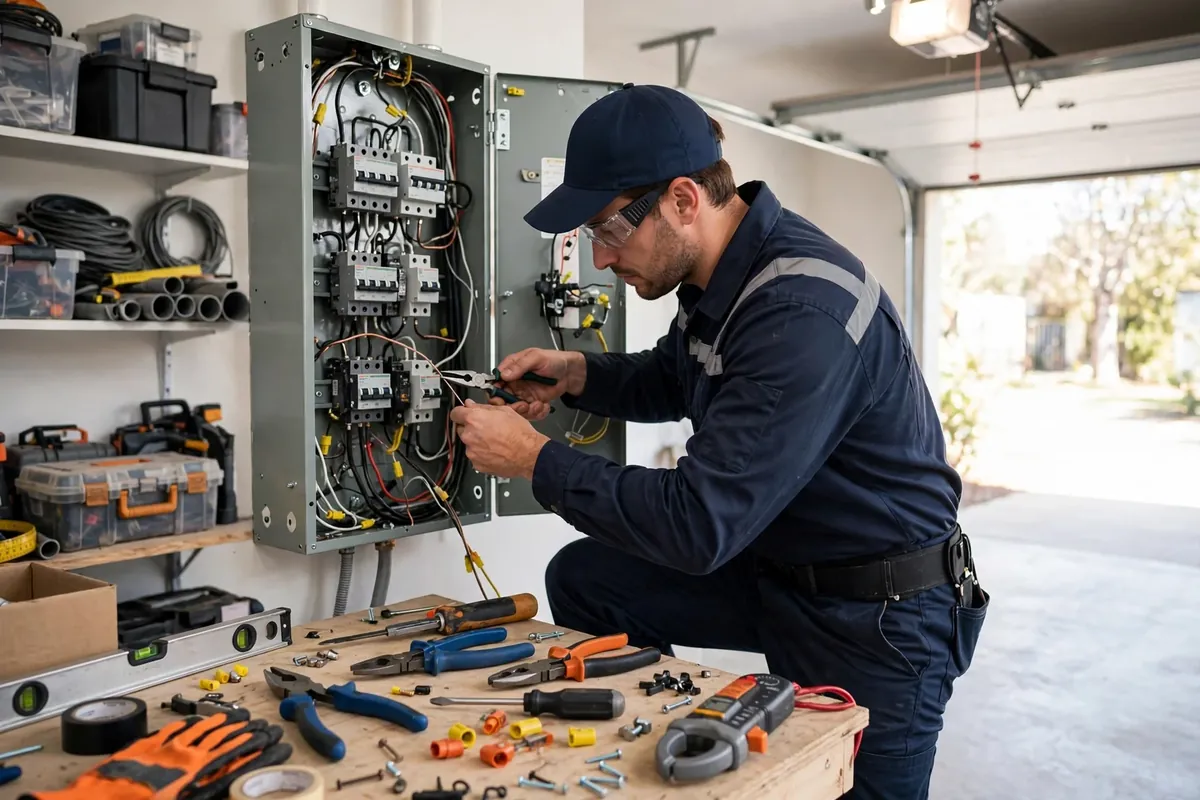
Most home charging questions resolve with the manual and a schedule check, but some deserve a professional. Call an electrician if the breaker trips repeatedly, if the charger, cable, or outlet feels hot beyond mild warmth, if there is any sign of burning smell, discoloration, or damaged insulation, or if the charger behaves differently after a storm or a power outage. These are the same warning signs the maintenance guide lists, and they are worth acting on promptly rather than living with. For questions about the car's own settings, battery behaviour, or a warning light on the dashboard, the car's manufacturer support is the right first call — the charger installer and the carmaker each own a different half of the system, and knowing which half a problem belongs to saves a wasted visit.
Key Takeaways
- Home charging is a routine, not an event: plug in every evening, unplug in the morning, and the car stays ready.
- Level 2 is the comfortable standard for most households; Level 1 suits light driving with long parking hours; Level 3 is for travel, not home.
- Set up once in the first week: mount and cable reach, charge limit, and a single schedule owned by the car or the charger, then observe one full session.
- Schedule charging to finish by departure, and never run two competing schedules in the car and the charger.
- Battery care basics: daily charge limit per the manual, avoid sustained full or empty storage, prefer overnight charging in hot weather, and do not fear daily plug-ins or occasional fast charging.
- Skip the classic beginner mistakes: waiting for a low battery, extension cords, and buying accessories before a month of living with the setup.
- Tripping breakers, heat beyond mild warmth, or damage after a storm are electrician questions, not wait-and-see questions.
How often should a first-time EV owner plug in at home?
Every evening, as a habit, regardless of the battery level. Home charging works best as a nightly routine rather than a response to a low battery: the car restores the day's driving overnight and starts each morning ready, and the occasional long day is absorbed without special planning. Waiting for a low battery recreates fuel-station anxiety for no benefit, and it is the single most common habit beginners need to unlearn.
What charge level should I set for everyday home charging?
Use the daily charge limit your car's manual recommends for everyday driving, which for many cars sits below a full charge. A full charge is for long trips, not for ordinary days. Set the limit once in the car's charging settings during the first week, and change it only for a trip that genuinely needs the extra range. The car holds the setting from then on, so this is a one-time decision, not a nightly one.
Why did my scheduled charging session not run overnight?
The most common cause is a second schedule competing with the first — the car set to one time and the charger set to another, so neither window actually runs. Check that only one device owns the schedule, and confirm the time, time zone, and any daylight saving setting after a clock change. If the schedule is clean and the session still fails, check the connector seating and the breaker, and then the tripping guide for the electrical causes.
Is it bad to leave my EV plugged in all night after it finishes charging?
No. Once the car reaches its set charge limit, it stops drawing charging current and simply remains connected, and the car's systems manage the battery from there. Leaving it plugged in overnight is the normal routine, and it is how scheduled charging and pre-conditioning are meant to work. Unplugging the moment charging finishes gains nothing and breaks the habit that keeps the car ready.
Can a beginner manage with just a standard wall outlet?
It depends on daily driving and parking hours. A standard outlet restores only a small number of miles per hour of charging, so it suits light driving with long overnight parking, and it struggles after long days or when two heavy days follow each other. Most first-time owners who start on an outlet and later move to Level 2 do so because the routine felt tight, not because anything failed. If your commute is modest and the car sits plugged in for most of the night, an outlet is a fair starting point; otherwise, plan for Level 2.
What should I check before my first long trip in a new EV?
Plan the charging stop in advance, with a backup stop in mind, and confirm the connector your car uses and that any adapter you need is in the car. Do one public charging session near home first, without time pressure, so the app, payment, and connector are familiar before they matter. Leave home with a full charge for the trip, keep a buffer of charge in reserve on unfamiliar routes, and remember that home charging resumes the routine the moment you return.
Related Posts
- Level 1 vs Level 2 vs Level 3 EV Charging Explained
- What to Expect During EV Charger Installation in Orlando
- EV Charger Keeps Tripping the Breaker? Causes and Fixes
- Charging Your EV with Solar Power in Florida
First EV on the way? Call now at (407) 555-0100 — we check the panel, set up the charger and the schedule, and walk you through the first session across Orlando.
Sources consulted: Vehicle manufacturer owner-manual guidance on daily charge limits and scheduled charging; NEC Article 625 EV charging system provisions; Orlando-area home charging practice for first-time owners.