Quick Answer
You can charge an EV with solar power in Florida in two senses. Literally: if the car is home and plugged in while your panels are producing more than the house is using, that excess solar electricity flows into the car — it is the load your system serves first. Economically: through net metering, solar you export at noon earns credit that offsets the grid electricity your car draws at night. Most solar EV households use a blend of both. The setup needs no exotic equipment — a standard Level 2 charger works — though chargers with solar-aware modes automate the timing game.
1. How Solar Power Actually Reaches Your Car
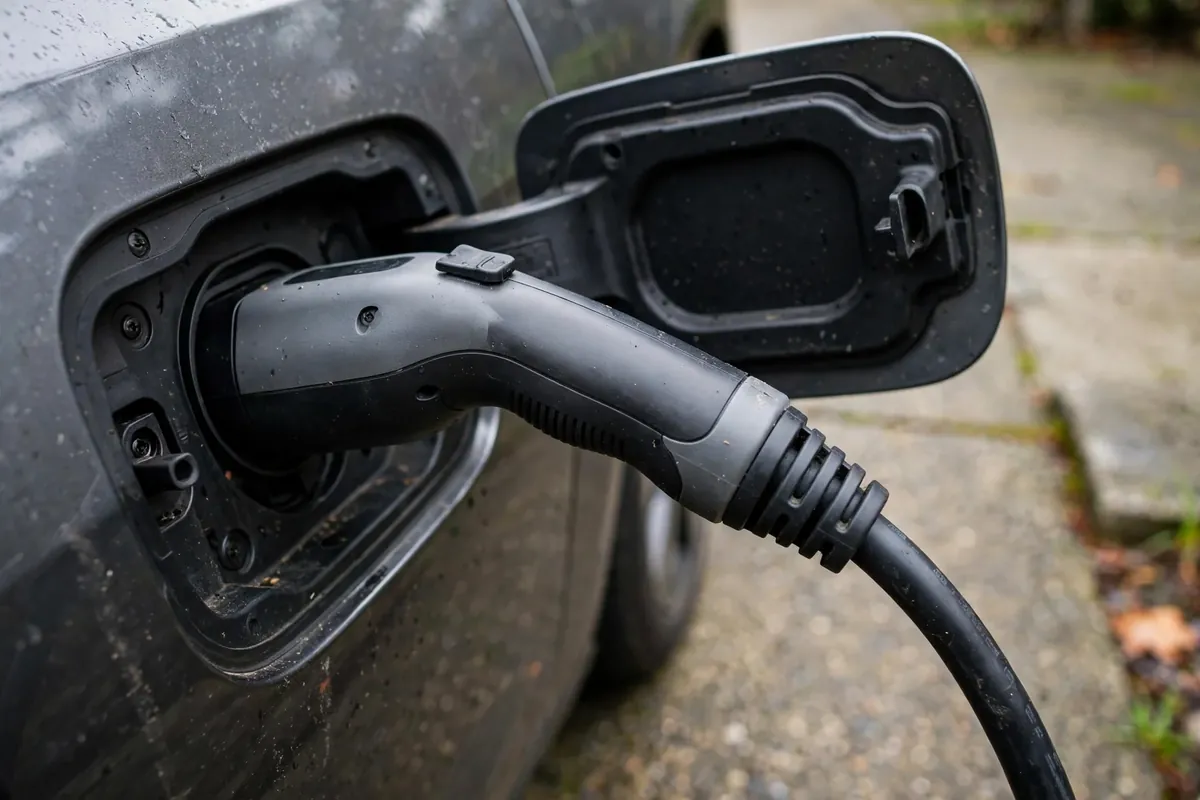
Forget the image of a cable running from the roof to the car. The real chain is simpler and more flexible. Your panels produce direct-current electricity, an inverter converts it to the alternating current your home runs on, and that power flows into your home's electrical panel, where it serves whatever is asking for electricity at that moment — refrigerator, air conditioner, water heater, and your EV charger. If the panels produce more than the home is using, the surplus flows out to the grid through your meter. If the home needs more than the panels are making, the grid supplies the difference, instantly and invisibly.
Your charger sits in that system as one more load, indistinguishable from the dryer. So "charging on solar" is really about the balance at any given moment: when the charger runs during strong production and the house's other loads are modest, the car is effectively drinking the sunshine. When the charger runs at midnight, it is drinking grid power that your midday exports have, in billing terms, already paid for. Both are legitimate solar charging; they just work through different mechanics.
This is also why a home battery is optional rather than required. The grid, through net metering, plays the storage role for most households — less perfectly than a battery in some respects, far more cheaply in every respect.
2. Timing: The Whole Game
A typical Florida rooftop system produces its surplus in the middle of the day — late morning through mid-afternoon, after the house's morning peak and before the evening air-conditioning and cooking peak. A car parked at home during those hours can absorb a large share of that surplus. A car that leaves at 7 AM and returns at 6 PM cannot, no matter what equipment it has; for that household, net metering does the work and the physical electrons come at night.
Households with a car home during the day — remote workers, retirees, a second car, shift workers on the right rotation — have the most to gain from deliberate timing:
- Schedule charging for the solar window. Most EVs and chargers let you set a charging schedule. Aim the session at late morning and early afternoon rather than the moment you plug in.
- Match charging speed to production. A charger pulling modest amperage for five sunny hours can absorb more total solar than one pulling maximum amperage for ninety minutes and then sitting full while panels keep producing. Slower, in the solar window, is often better.
- Let the car be the battery. Arriving at Monday with a half-full battery is a feature on a solar home: the car has room to soak up the week's midday surplus.
Our article on whether an EV charger raises your electric bill covers the bill mechanics; solar changes the source side of that same equation.
3. Chargers That Follow the Sun
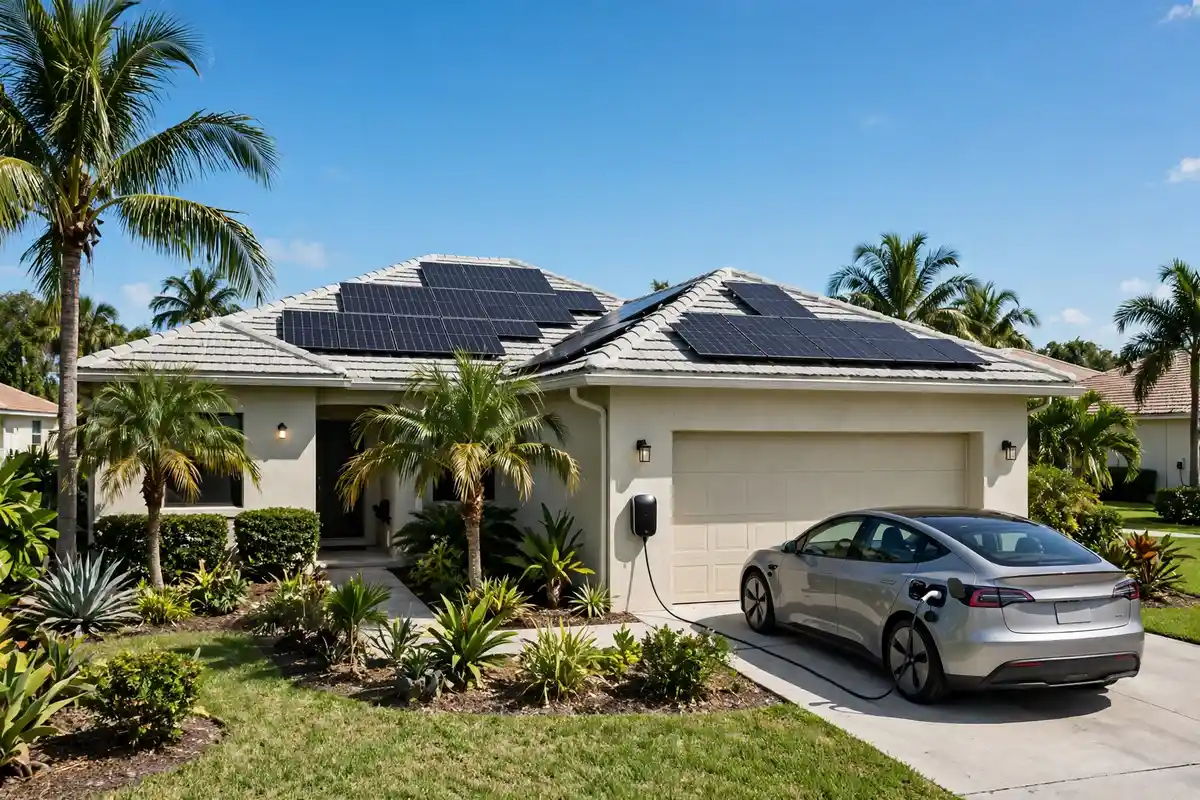
A standard charger charges at its set rate whenever the car allows. A solar-aware charger adds a sensor — a current clamp on your home's main feed — that watches your solar production and your home's consumption in real time, and adjusts the car to drink only the surplus, or a chosen blend of surplus and grid. As clouds pass, the car slows; as the sun strengthens, it speeds up. Manufacturers describe these modes with names like solar-only, eco, or surplus charging; the underlying trick is the same.
Is the feature necessary? No. Manual scheduling captures much of the benefit for a car that is predictably home midday. The solar-following mode earns its keep when schedules are irregular, when the household wants the car to take whatever surplus exists without thinking about it, and when a second EV joins later — our guide to charging two EVs at home explains the load choreography that follows. If you are buying a charger for a solar home anyway, choosing one with a solar mode (and confirming it supports a current sensor) is the forward-looking move.
One compatibility caution: solar modes live inside a brand's ecosystem of charger plus sensor plus app. Confirm the specific charger model supports it before purchase rather than assuming the product line does.
4. Net Metering: The Night Shift for Your Sunshine
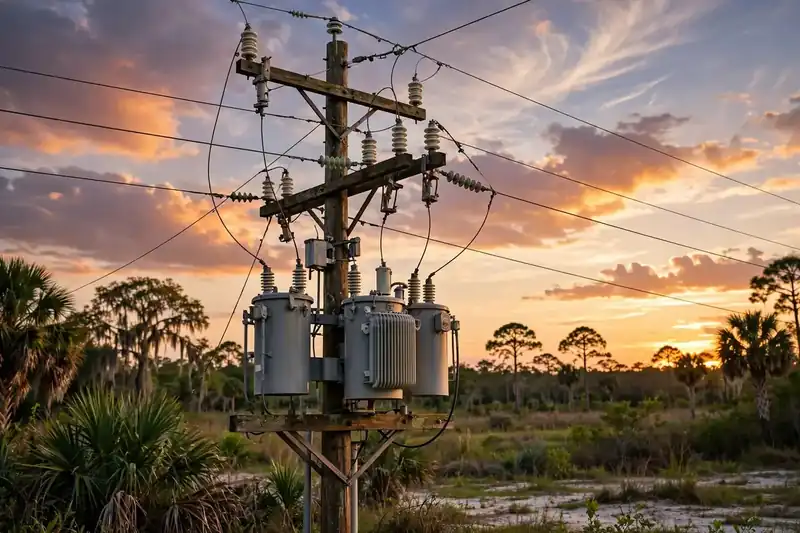
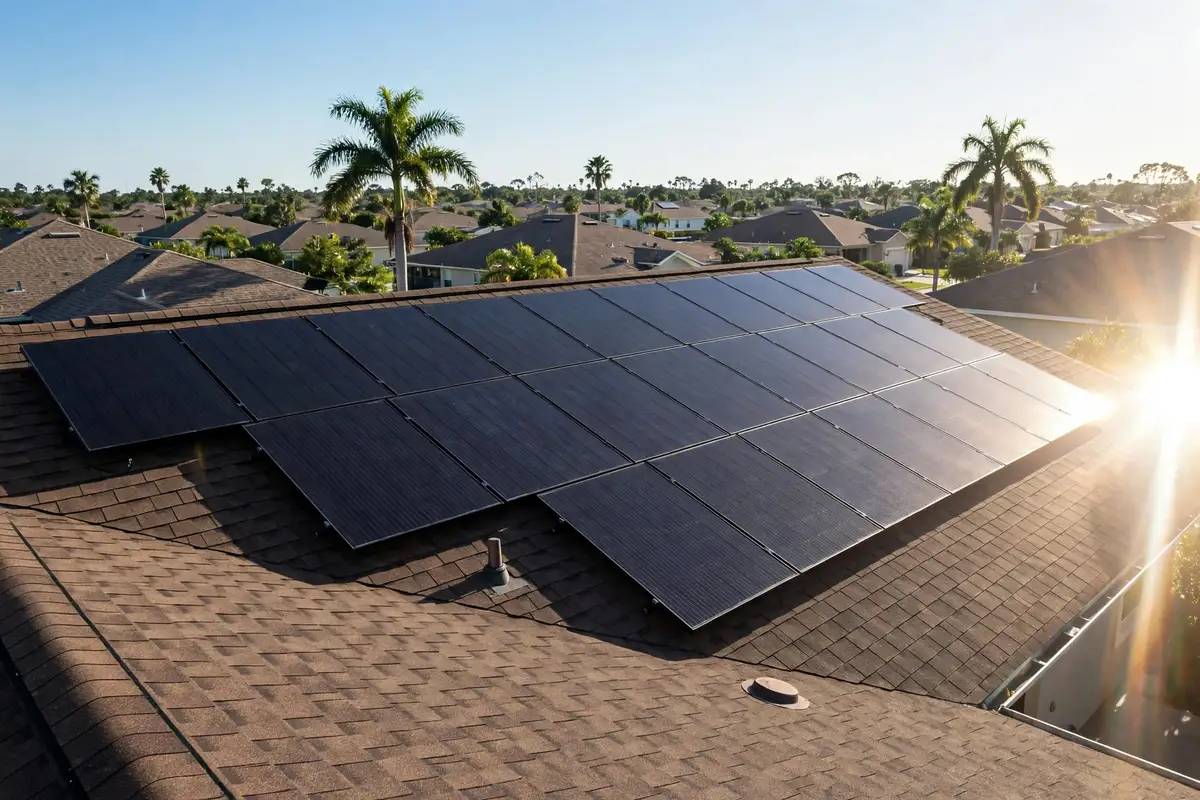
Florida utilities, including FPL — whose EV program our FPL EVolution guide covers from the charger side — operate net metering arrangements for solar customers: the meter tracks energy flowing both ways, exports credit against imports, and the bill settles the difference over the billing period. Program details and credit terms are set by each utility and change over time, so treat your own utility's current terms as the authority rather than any article, including this one.
What net metering means practically for an EV household:
- A commuting car that can never charge midday still ends up solar-balanced on paper: its nighttime charging is offset by daytime exports.
- The value of an exported unit versus an imported unit depends on your utility's credit structure, which is why charging during production — consuming your own power directly — is generally the more valuable pattern where schedules allow.
- Adding an EV after solar is installed increases home consumption, which changes the balance the solar system was sized for. Many households find the car finally uses surplus they used to export cheaply — a genuinely good outcome.
5. Florida Specifics: Sun, Storms, and Heat
Florida is one of the strongest solar states by sunshine, and one of the hardest on equipment. Three local realities shape a solar-plus-EV setup here:
Afternoon thunderstorms. Summer's daily storm cycle cuts production in the afternoon and argues for front-loading charging toward late morning. It also makes surge protection a serious topic for chargers and inverters alike — see our charger lifespan guide on what surges do to electronics over the years.
Heat-related slowdowns. Chargers, inverters, and car batteries all manage heat. A car fast-charging its home session in a 100-degree garage may charge a little slower at the margins; our article on EV charger heat and noise explains what temperatures do to charging behavior. None of this cancels the solar advantage; it slightly rounds its edges in August.
Hurricane season. Panels and chargers both stay put in a storm; the planning item is afterward — inspect equipment before energizing, and remember that a grid outage stops a standard solar system too (inverters shut down for line-worker safety), so neither solar nor charger serves as backup power without additional equipment designed for it.
6. Installing Solar and a Charger Together
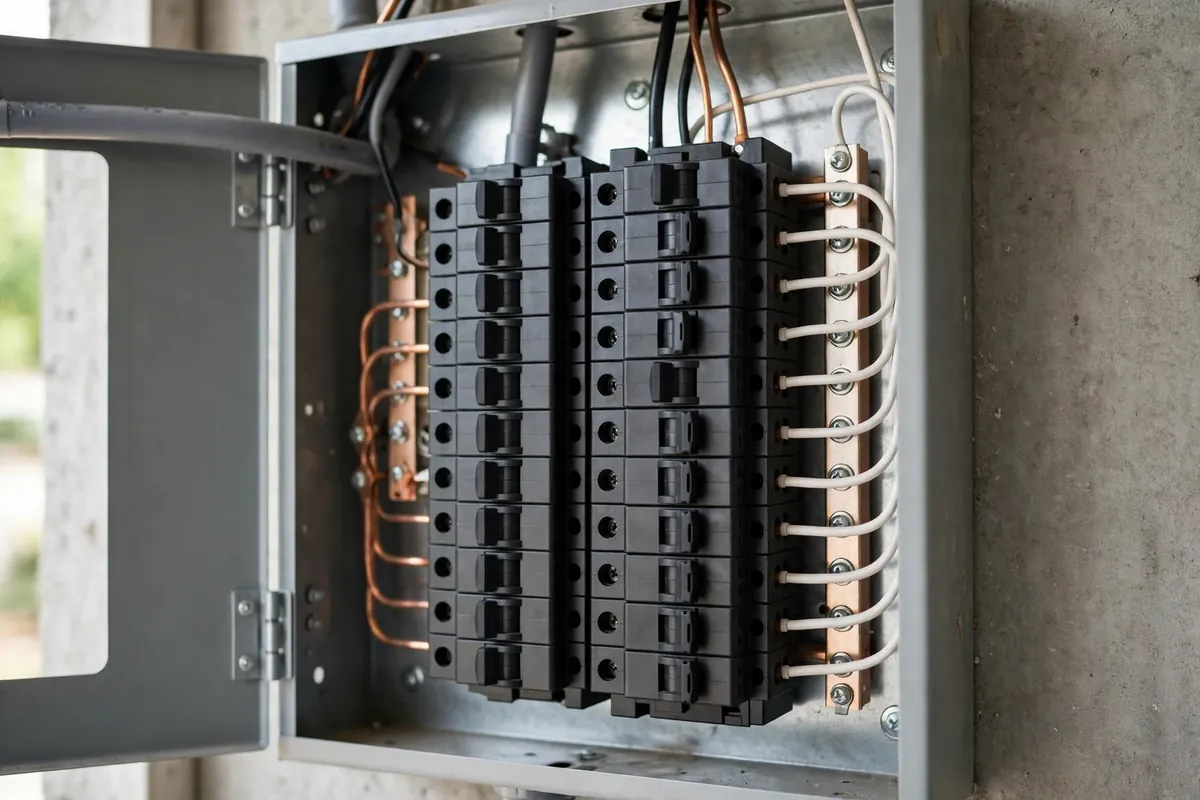
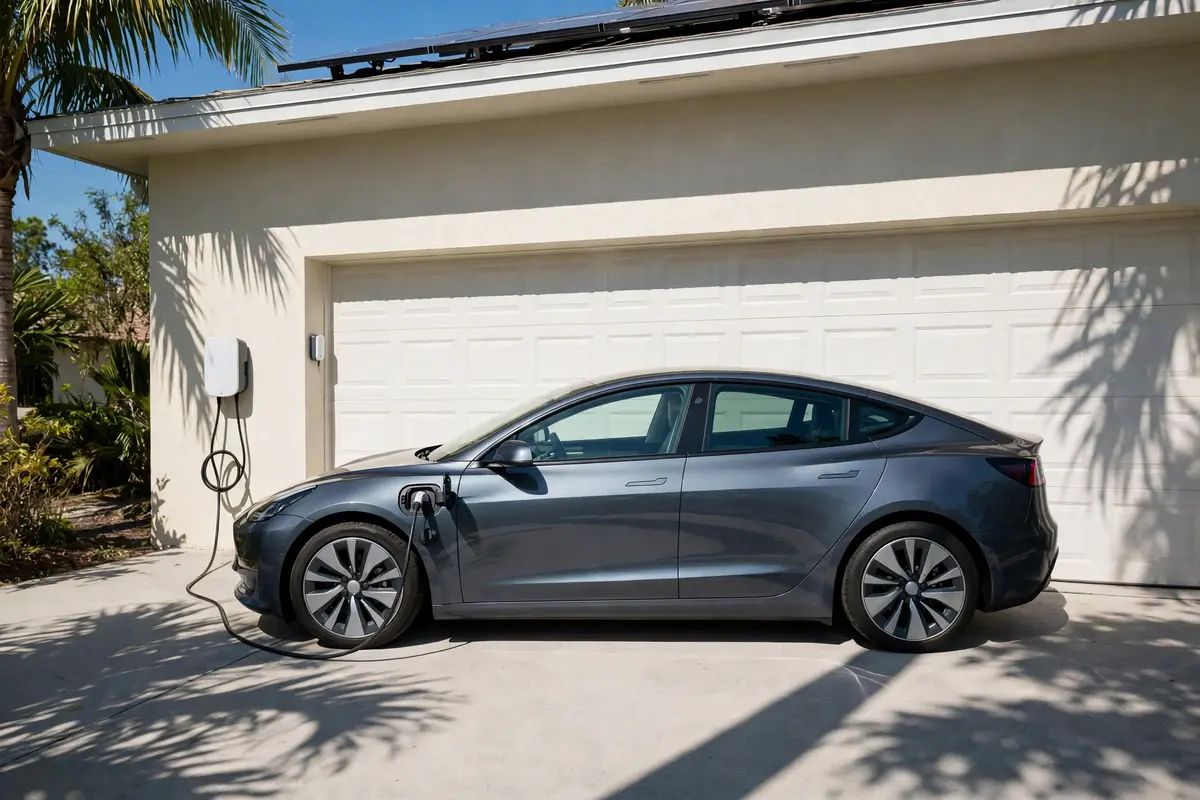
If both projects are on your horizon, sequence them as one design. The electrical decisions interlock: the panel must host the solar backfeed breaker and the charger circuit; in a full panel, the two projects compete for the same space, and discovering that after the solar install means paying twice for panel work. Charger placement relative to where the car parks, conduit routes, and the possible addition of a current sensor for solar modes are all cheaper to decide on one site visit than two.
Tell the electrician doing the charger about the solar — installed or planned — and tell the solar installer about the EV. Ask the load question out loud: with solar backfeeding and a charger drawing, does this panel stay within its busbar limits? That single question, asked early, prevents the most common combined-install headache. When the charger goes in first, choosing a model with a solar mode available keeps the future option open at no present cost. Permits for both kinds of work follow the process in our Orlando EV charger permit guide, and a combined project simply runs both through it together.
Key Takeaways
- Your car charges from your home's panel, not directly from the roof: solar reaches the car when charging coincides with production, or balances through net metering when it does not.
- Timing is the whole game for a car that is home midday: schedule into the late-morning and early-afternoon solar window, and consider that a slower, longer session absorbs more surplus than a fast, short one.
- Solar-aware chargers use a current sensor to follow your surplus automatically — convenient and effective, but manual scheduling captures much of the benefit for predictable households.
- Net metering lets a commuting car be solar-balanced on the bill even though it physically charges at night; check your own utility's current credit terms.
- Florida adds thunderstorms, heat, and hurricanes to the plan: front-load charging, protect against surges, and inspect after storms.
- Installing solar and a charger in the same season? Design them together — panel capacity and placement decisions are shared, and rework is the expensive way to learn that.
Can I charge my EV directly from my rooftop solar panels?
Not through a literal panel-to-car connection — and you would not want one. Your panels feed your home's electrical system through an inverter, and the charger draws from that system like any other appliance. When the panels are producing more than the house is using and the car is plugged in, the car is in fact being powered by your solar output at that moment. The difference is that the home's wiring does the routing automatically, and the grid seamlessly covers any shortfall, so the car never depends on a cloud staying away.
What happens to EV charging on cloudy Florida days?
Production drops — sometimes sharply during a storm cell — and the system simply blends: whatever the panels make is used first, and the grid supplies the rest without interruption to the car. A solar-aware charger slows the car down to match the reduced surplus if you have it set to solar-only mode; a standard scheduled charger just keeps charging on the blend. Over a month, Florida's sunny majority does the heavy lifting; individual cloudy afternoons are a rounding error, not a failure of the concept.
Is it better to charge my EV at midday or at night if I have solar?
For using your own solar physically, midday wins — that is when your surplus exists. For pure convenience, night wins for most commuters, whose cars are not home at midday anyway. On the bill, the comparison depends on your utility's net metering credit: if exported energy credits at less than the retail rate you pay at night, midday self-consumption is worth more per unit; if credits are one-to-one, the two patterns come out close. The honest answer is to charge when the car is home, lean midday when you can, and let net metering settle the rest.
Do I need a special charger to charge my EV with solar power?
No. Any Level 2 charger works in a solar home, because the charger simply draws from your panel while your solar system feeds it. A special — solar-aware — charger adds automation: a current sensor lets it follow your surplus production in real time, charging faster when the sun is strong and easing off when clouds or household loads take priority. That is a convenience and optimization upgrade, not a requirement. Our Level 2 charger installation page covers the standard install either way.
What is net metering, and how does it affect EV charging?
Net metering is the billing arrangement between you and your utility that tracks electricity in both directions: surplus solar you export earns credit, and grid electricity you import is charged against it over the billing period. For EV owners it is what makes a night-charging commuter car "solar powered" on the books — the noon exports pay for the midnight imports. Credit rates and rules are set by each utility and do change, so confirm the current terms with your utility when you are doing the math for your own home.
Can solar panels and an EV charger be installed at the same time?
Yes, and it is often the smartest sequence. The two projects share the electrical panel, so one load calculation and one panel plan can host both the solar backfeed and the charger circuit — avoiding the classic problem of a solar install consuming the last panel space a charger needed. Placement, conduit runs, and a provision for a solar-monitoring sensor also get decided once. Both projects go through permitting and inspection, which a coordinated installer can run in parallel rather than back to back.
Related Posts
- Will an EV Charger Raise Your Electric Bill?
- Charging Two EVs at Home: One Charger, Two Chargers, or a Smarter Plan?
- How Long Does an EV Charger Last? Lifespan, Wear Signs, and Making Yours Last
Planning solar and charging together? Call now at (407) 555-0100 — we install home EV chargers across Orlando with the panel math done for the solar system you have or the one you are planning.
Sources consulted: FPL net metering and EV program materials; Tesla and Emporia solar-charging (excess solar mode) documentation; NEC Article 220/705 interconnected power source provisions; Florida solar homeowner discussions (r/solar, r/evcharging).