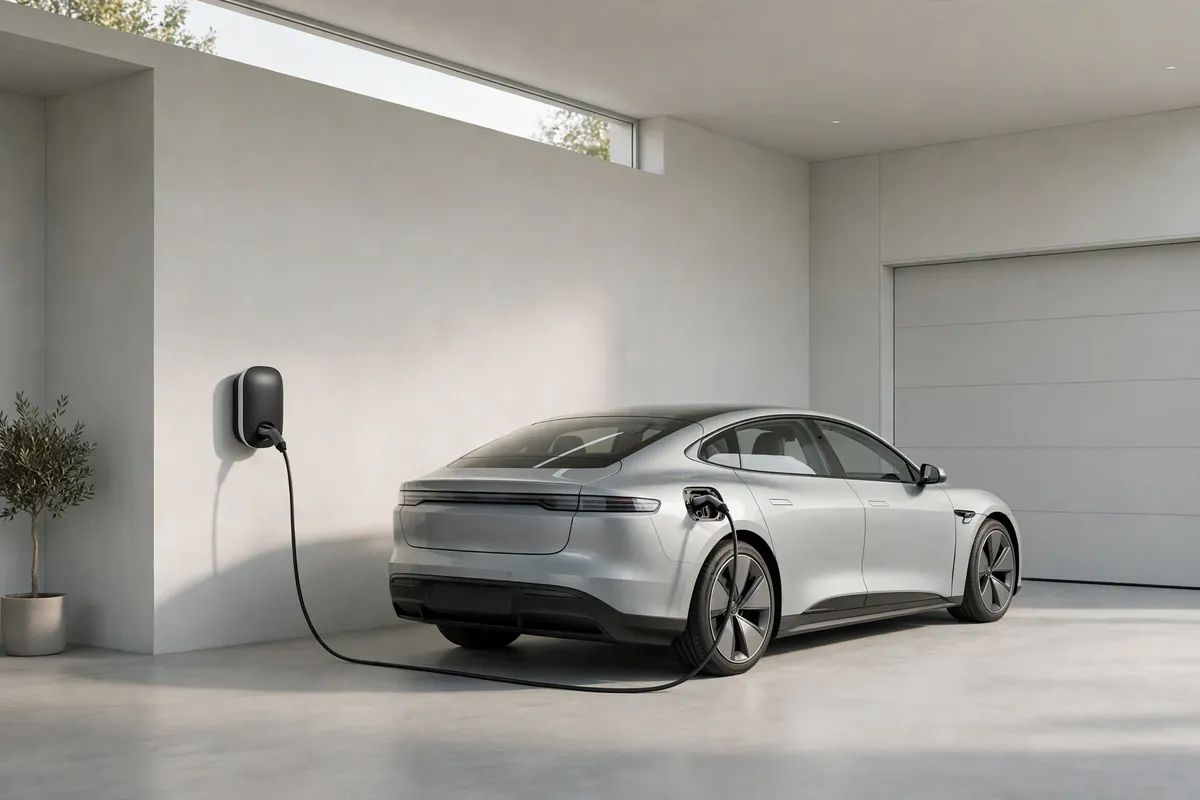
What Is Tesla Wall Connector Installation?
It's the professional installation of Tesla's home charging unit — the Wall Connector (Tesla plug) or the Universal Wall Connector (built-in J1772 adapter that also charges non-Tesla EVs). The job: a dedicated circuit from your electrical panel to the garage — typically a 60A breaker feeding up to 48A of continuous charging — the unit mounted and wired to Tesla's specs, a permit pulled, and the unit commissioned on your Wi-Fi for firmware updates and power-sharing configuration.
The Wall Connector delivers up to 11.5 kW (about 44 miles of range per hour on most models), roughly 6–7× faster than the mobile connector on a standard outlet. But that speed demands real electrical work: correctly sized copper conductors, a two-pole breaker, proper grounding, and — critically — the charger's internal amperage setting matched to the circuit it's on. Set a Wall Connector to 48A on a 40A circuit and you have a fire hazard. This is why the install belongs to a licensed electrician.
"Just Plug It In" Doesn't Apply Here
Tesla forums are full of Orlando owners asking the same questions: which electrician actually knows the Wall Connector, why do quotes for the identical job range so wildly, and can the mobile connector on a dryer outlet tide them over? The mobile connector tops out around 7 kW on a good day — fine as a backup, slow as a daily driver for a Model Y doing an Orlando commute.
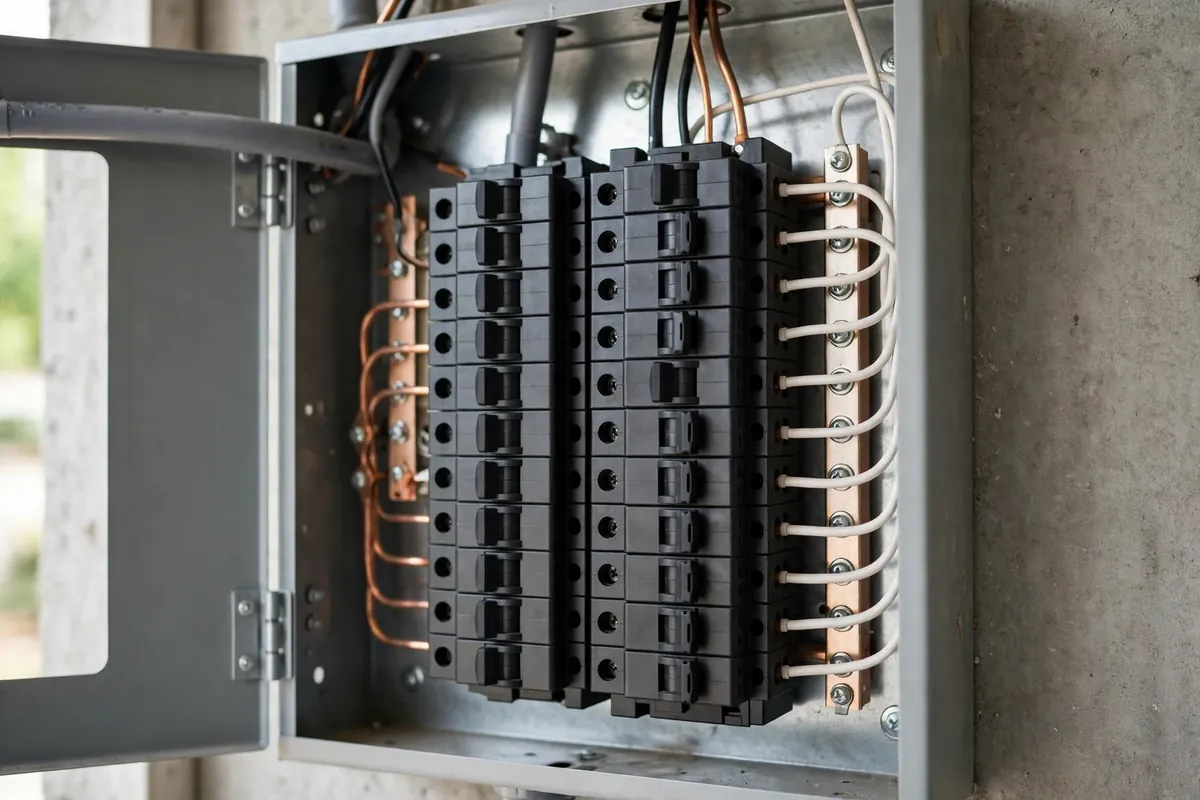
The bigger issue is the circuit. The Wall Connector's headline 48A charging needs a 60A breaker (NEC's 80% continuous-load rule: 48 × 1.25 = 60). Many Orlando homes — especially with 100-amp service — don't have 60 amps of spare capacity sitting around. Some electricians will happily sell you the install without a load calculation; others will insist you need a panel upgrade you might not. Five electricians, five different answers — it's the most common complaint in every EV forum.
The Right Circuit, Calculated First
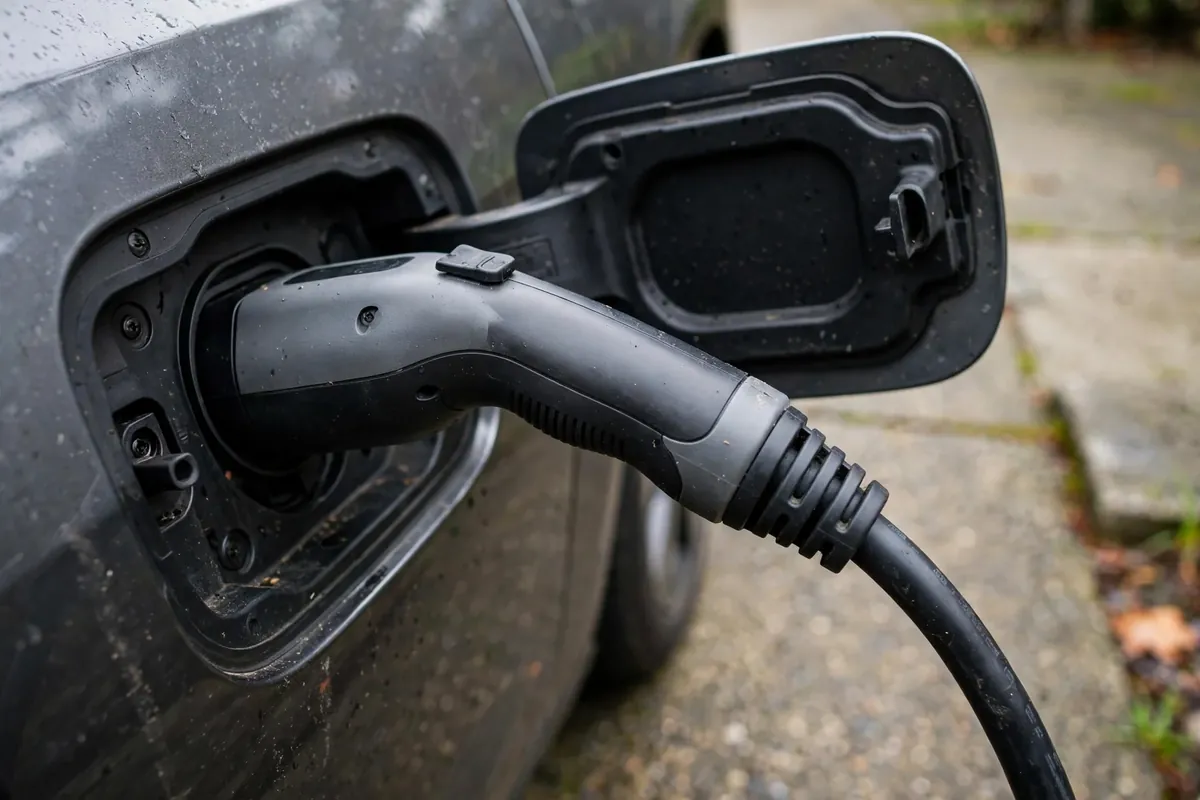
We start with a load calculation on your panel — the actual NEC math, not a guess. If your service supports a 60A Wall Connector circuit, we run it: correct wire gauge, proper breaker, clean conduit, mounted at the right height with cable reach to your charge port. If your panel is tight, we talk options honestly: a lower amperage setting (32A still charges overnight for most drivers), a load-management device, or a panel upgrade — see our panel upgrade page.
For two-Tesla households, we configure power sharing: two Wall Connectors on one circuit, dynamically splitting power so you don't need double the electrical capacity. And every install is permitted and inspected, which matters for insurance and resale.
How It Works
1. Tell us your Tesla model and panel location
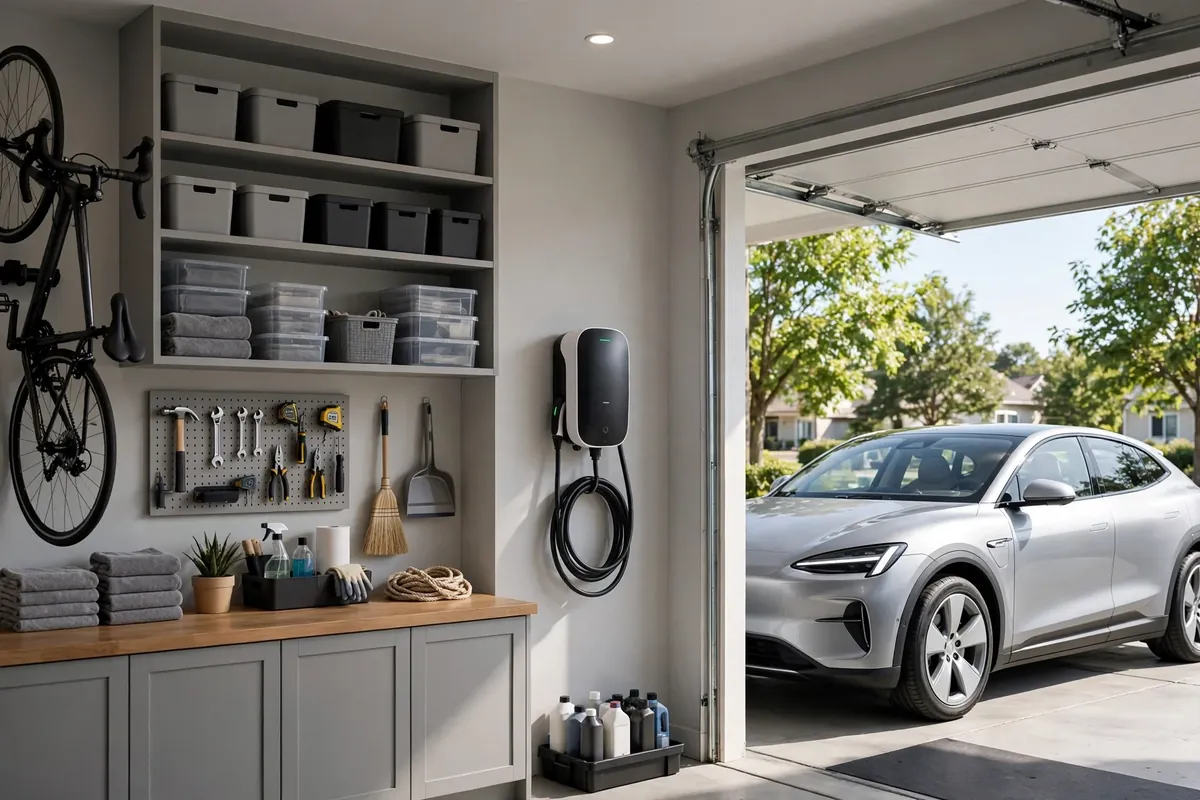
Model 3, Y, S, X, or Cybertruck — plus where your panel is and where you park. Photos of the panel and the panel-to-garage path help us plan the wire run.
2. Load calculation and circuit sizing
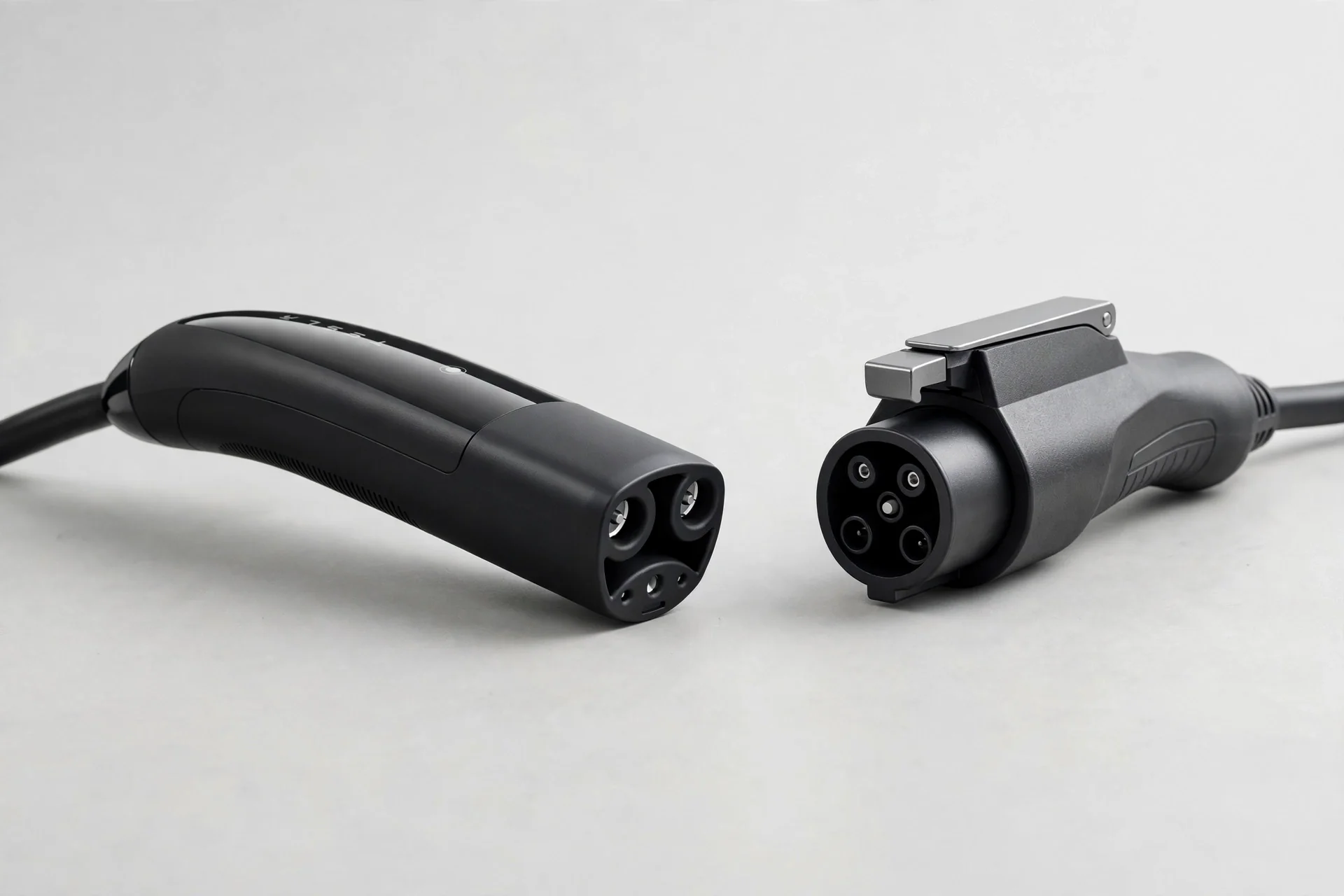
A licensed electrician verifies your panel can support the Wall Connector's circuit (typically 60A for full 48A charging) and confirms the wire route. You'll know the full scope before work starts.
3. Circuit install and Wall Connector mounting
We pull the permit, run the circuit, mount the Wall Connector, land the conductors to Tesla's torque specs, and set the internal amperage to match your circuit exactly.
4. Commissioning and power-sharing setup
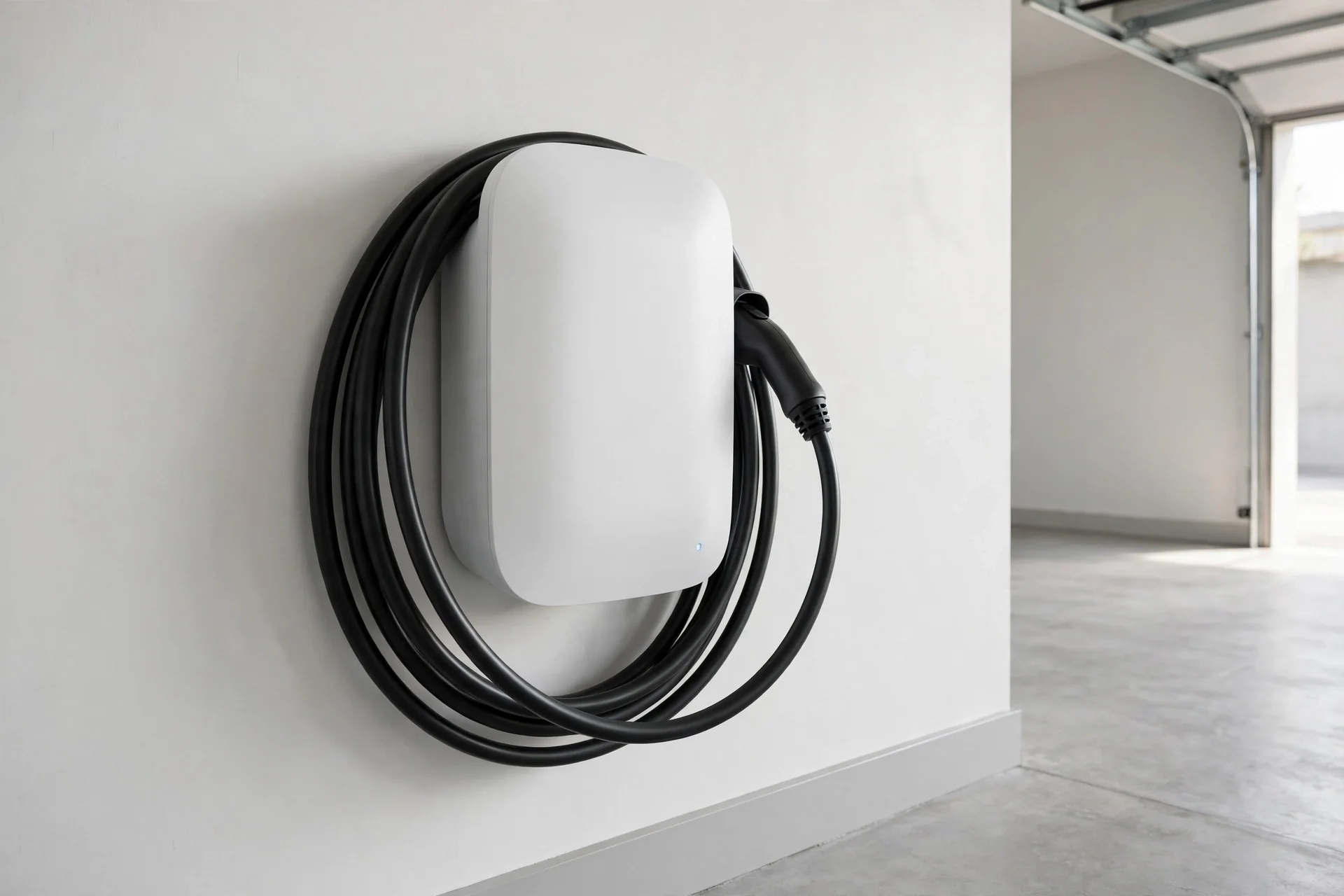
We connect the unit to your Wi-Fi, confirm firmware is current, test a live charging session, and configure power sharing if you have (or plan) a second Wall Connector.
Wall Connector vs Mobile Connector: Honest Comparison
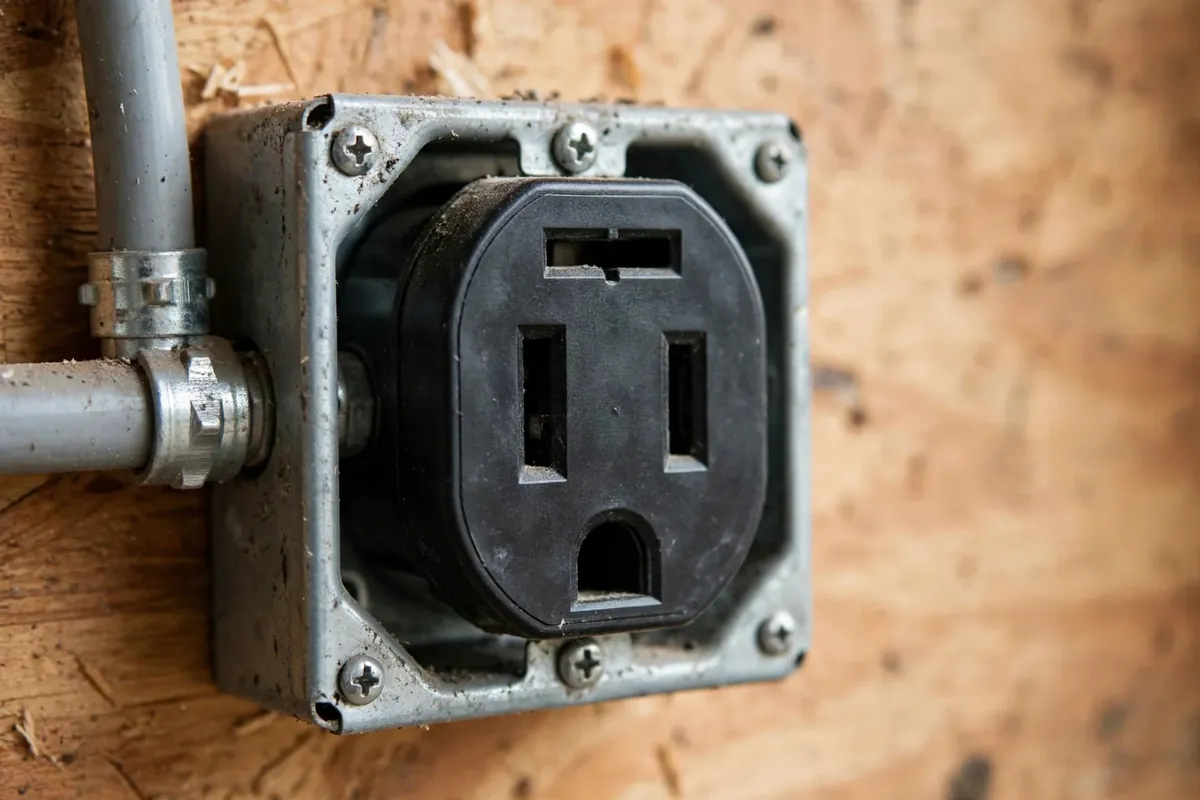
| Wall Connector | Mobile Connector | |
|---|---|---|
| Max power | Up to 11.5 kW (48A) | Up to ~7.6 kW (32A) |
| Range per hour | Up to ~44 miles | Up to ~30 miles |
| Circuit required | Dedicated 15–60A circuit | Existing outlet (120V/240V) |
| Install | Licensed electrician + permit | Plugs into an outlet |
| Weatherproofing | Indoor/outdoor rated | Indoor use recommended |
| Smart features | Wi-Fi, power sharing, scheduled charging | Basic |
| Charges non-Teslas | Universal Wall Connector version does | With J1772 adapter |
Bottom line: the Mobile Connector is a capable backup and travel charger. For daily home charging — especially with a real commute — the Wall Connector's speed, weatherproofing, and power-sharing make it the unit most Tesla owners end up with. If you also own (or plan to own) a non-Tesla EV, ask about the Universal Wall Connector.
Why Choose Us for Tesla Wall Connector Installation
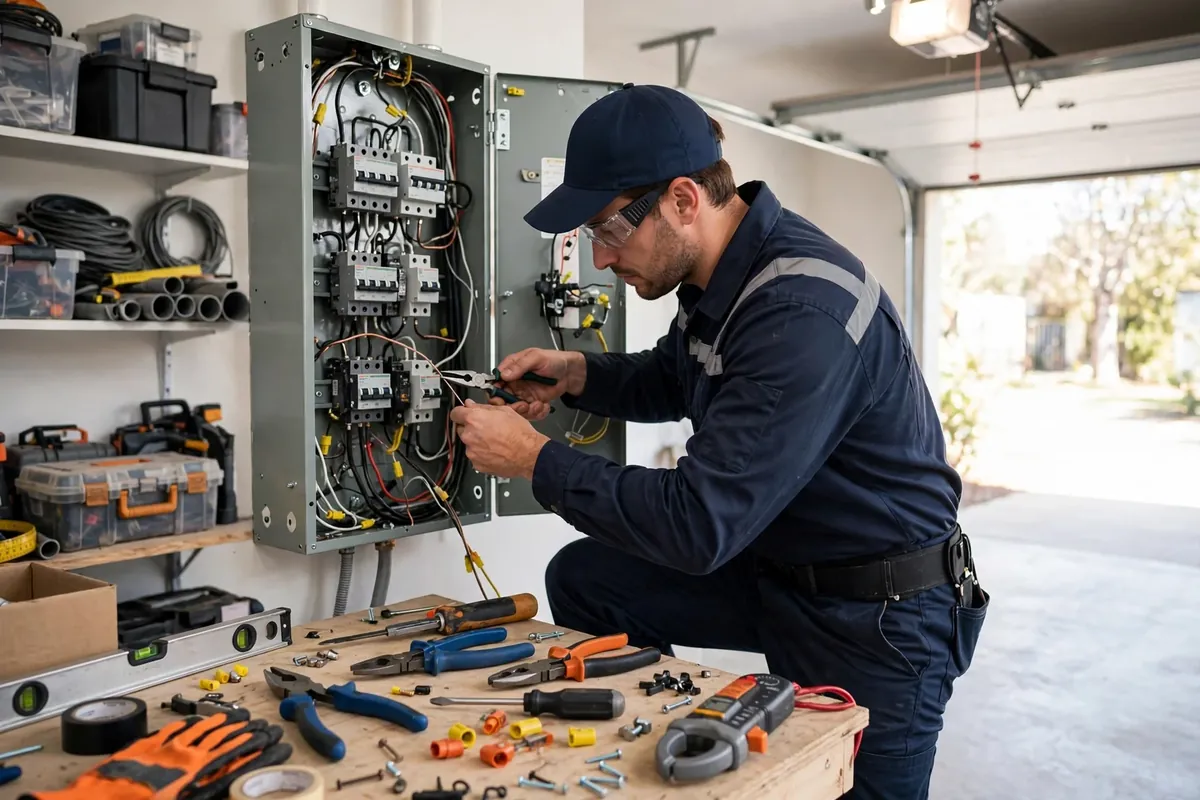
- Licensed electricians with deep Wall Connector experience — Gen 3 units, commissioning, amperage configuration, power sharing
- Load calculation before every install — the circuit is sized to your panel's real capacity, not upsold by default
- Permits handled — filed with Orlando or your county, inspection scheduled and passed
- Code-compliant work — correct conductor sizing, torque specs followed, no GFCI-breaker nuisance tripping (the Wall Connector has built-in GFCI)
- Orlando local expertise — we install Wall Connectors across Orange, Seminole, and Osceola counties weekly
- All EVs welcome — Universal Wall Connector installs for mixed Tesla + non-Tesla households
Tesla Service Areas
Winter Park 32789 · Lake Nona 32827 · Windermere 34786 · Dr. Phillips 32819 · Downtown Orlando 32801 · Altamonte Springs 32714 · Kissimmee 34741 · Oviedo 32765
Does a Tesla Wall Connector need its own dedicated circuit?
Yes — always. The Wall Connector must be on its own dedicated circuit sized to its configured amperage (up to 60A breaker for 48A charging). It cannot share a circuit with a dryer, water heater, or another charger (except in a configured power-sharing pair, which is still one circuit with two units). Sharing a circuit outside of power sharing is a code violation and a safety risk.
Can a Tesla Wall Connector charge non-Tesla EVs?
The standard Wall Connector has a Tesla (NACS) plug — it can charge non-Tesla EVs only with a NACS-to-J1772 adapter. The Universal Wall Connector has a built-in Magic Dock adapter, so it charges both Tesla and non-Tesla EVs from the same unit. For mixed households, the Universal version is the cleaner choice.
Tesla Wall Connector vs NEMA 14-50 outlet — which should I install?
The Wall Connector charges faster (up to 48A vs 40A max on a 14-50), is weatherproof for outdoor mounting, supports power sharing for two Teslas, and gets firmware updates over Wi-Fi. A NEMA 14-50 keeps your options open — any portable EVSE plugs in, and you can take the charger if you move. Many owners install the 14-50 first and upgrade to a Wall Connector later; the circuit work overlaps.
Can I install a Tesla Wall Connector myself?
Tesla's own documentation and Florida electrical code point the same way: this is licensed-electrician work. The install involves a 240V high-amperage circuit, a permit, and commissioning steps (amperage configuration, Wi-Fi setup) that must match the circuit exactly. An incorrectly configured unit on an undersized circuit is a fire risk — and unpermitted electrical work can create insurance problems.
Is the Tesla Wall Connector weatherproof for outdoor installation?
Yes — the Wall Connector carries an outdoor rating (IP55-type protection) and is designed for exterior mounting. In Central Florida, we still recommend mounting it in shade where possible, using weatherproof conduit fittings, and adding panel-level surge protection, because direct afternoon sun and lightning-driven surges age any outdoor electronics faster.
What size breaker does a Tesla Wall Connector need?
It depends on the charging speed you configure: 48A charging needs a 60A breaker, 40A needs a 50A breaker, 32A needs a 40A breaker (NEC 80% continuous-load rule). The Wall Connector's internal rotary switch must be set to match the breaker. During the assessment we confirm which size your panel supports and configure accordingly.
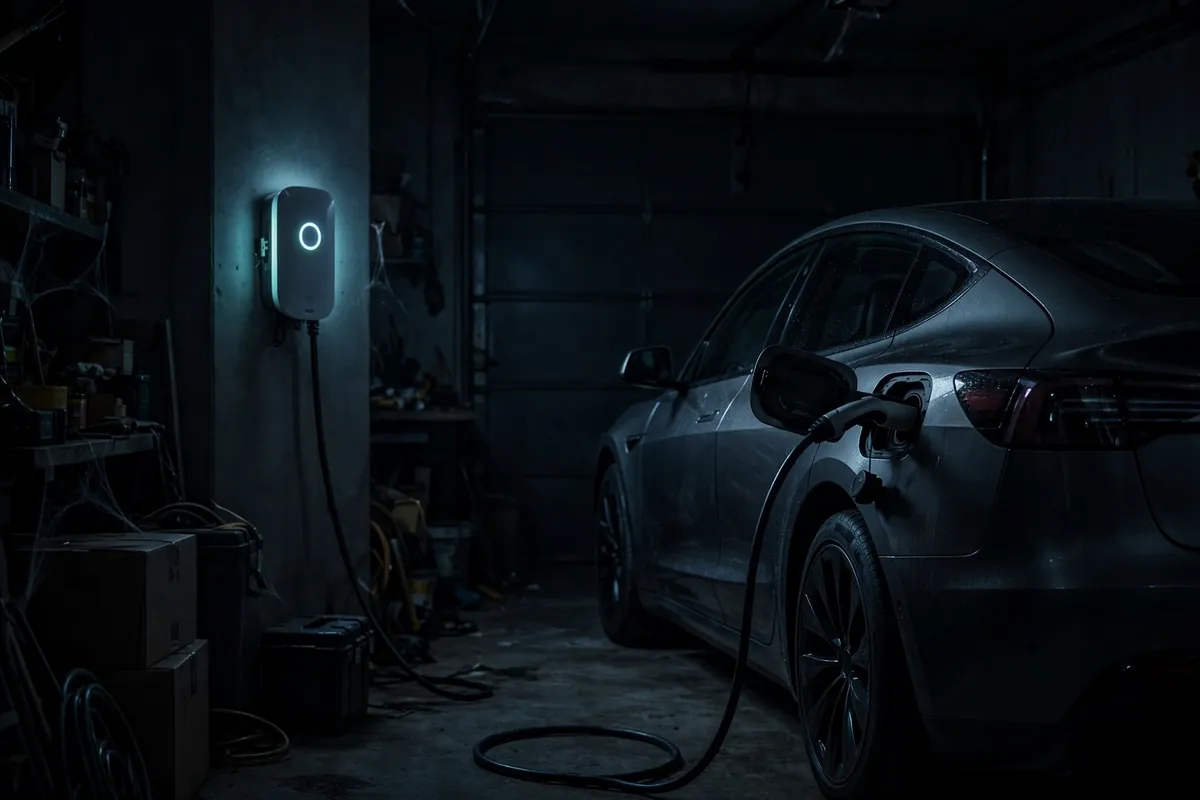
Get Your Wall Connector Installed by a Licensed Electrician
Proper circuit, proper permit, full-speed charging. One call.
Back to EV Charger Installation Orlando