TL;DR
Problem: Charger listings throw around "Level 1," "Level 2," and "Level 3" without explaining what actually changes for you — and plenty of new EV owners overbuy (or underbuy) their home setup.
Solution: Level 1 is a standard 120V outlet (slow, 3–5 miles of range per hour). Level 2 is a 240V home charger (the sweet spot, roughly 25–35 miles per hour). Level 3 is DC fast charging at public stations (not a home product). Match the level to your daily driving and you will not waste money or wait around.
When to call: If you are unsure which level your panel can support — especially in an older Orlando home — a site survey and load calculation settle it before you buy anything. Call now.
Quick Answer
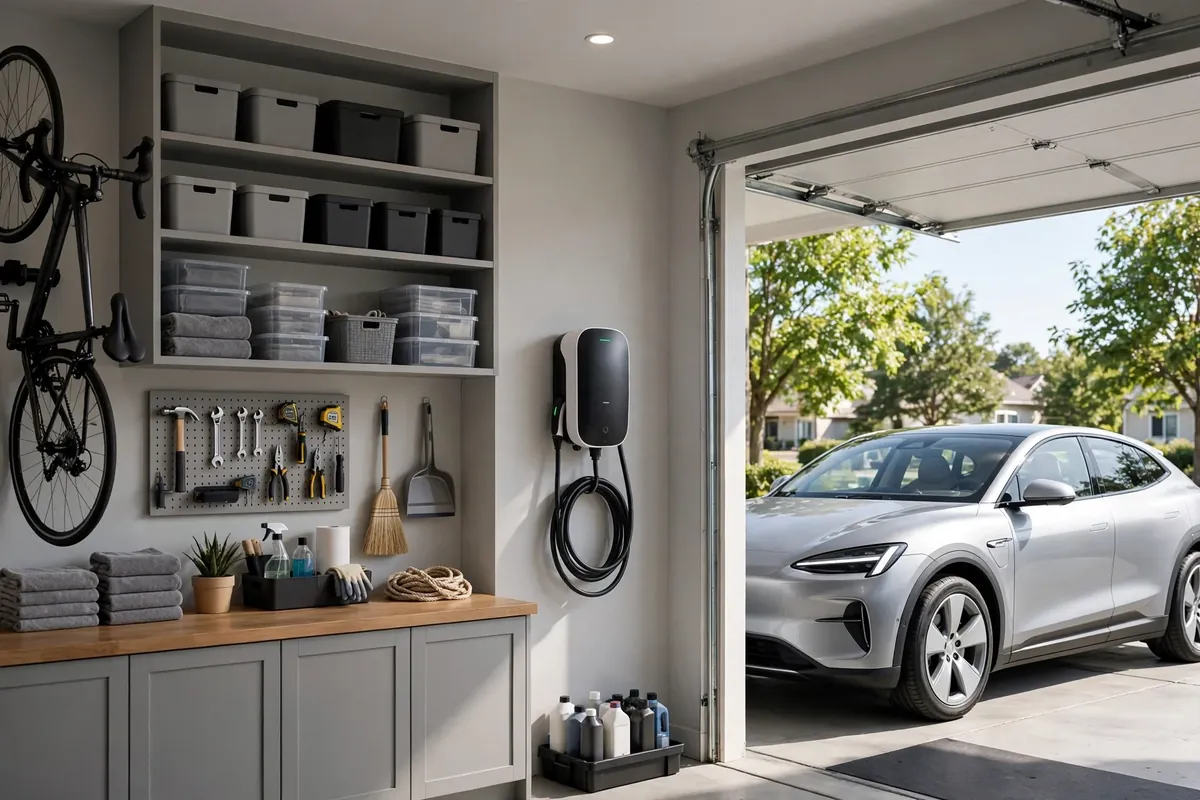
Level 1 charging uses a regular 120V household outlet and adds about 3–5 miles of range per hour — fine for light driving. Level 2 uses a 240V circuit and adds roughly 25–35 miles per hour, fully charging most EVs overnight; it is the standard home setup. Level 3 (DC fast charging) is commercial-grade equipment at public stations that can add hundreds of miles per hour and is not installed in homes.
1. What Is Level 1 Charging?

Level 1 is the simplest charging there is: plug the mobile charging cable that came with your car into any standard 120V outlet. No installation, no electrician, no permit. It adds roughly 3–5 miles of range per hour of charging.
That sounds slow — and it is — but do the math on your actual driving. If you drive 30 miles a day and the car sits in the garage for 12 hours overnight, Level 1 gives you back 36–60 miles. For a plug-in hybrid or a short-commute second car, Level 1 is genuinely enough. Many new EV owners charge on Level 1 for the first few weeks while they decide whether they need more.
The limits show up fast, though. A full charge from empty can take 40+ hours. If you drive 60+ miles daily, have a long-range EV with a big battery, or need the car ready after a short turnaround, Level 1 starts to feel like filling a swimming pool with a garden hose.
2. What Is Level 2 Charging?
Level 2 is what most people picture when they say "home charger." It runs on a 240V circuit — the same kind of power your electric dryer or stove uses — and adds roughly 25–35 miles of range per hour, depending on the amperage and the car. Most EVs charge from empty to full in 4–8 hours overnight.
This is the level a professional Level 2 charger installation covers. It requires a dedicated circuit (typically 40–60 amps), a licensed electrician, and a permit in Orlando. In return, you wake up every morning to a full battery, you can take advantage of overnight off-peak electricity rates, and you stop thinking about charging the way you stop thinking about your phone charger — it is just handled.
3. What Is Level 3 (DC Fast) Charging?
Level 3 — properly called DC fast charging — is the equipment you see at highway rest stops and public charging plazas. It delivers direct current straight to the battery at very high power, adding hundreds of miles of range per hour (often 150–350 kW on modern stations).
It is not a home product. DC fast chargers need commercial-grade electrical service (think 480V three-phase), cost as much as a car to install, and require utility coordination no residence has. When someone asks "can I install Level 3 at home," the honest answer is no — and you don't need it. Home charging happens overnight, when speed barely matters.
4. Level 1 vs Level 2: Which One Fits Your Driving?
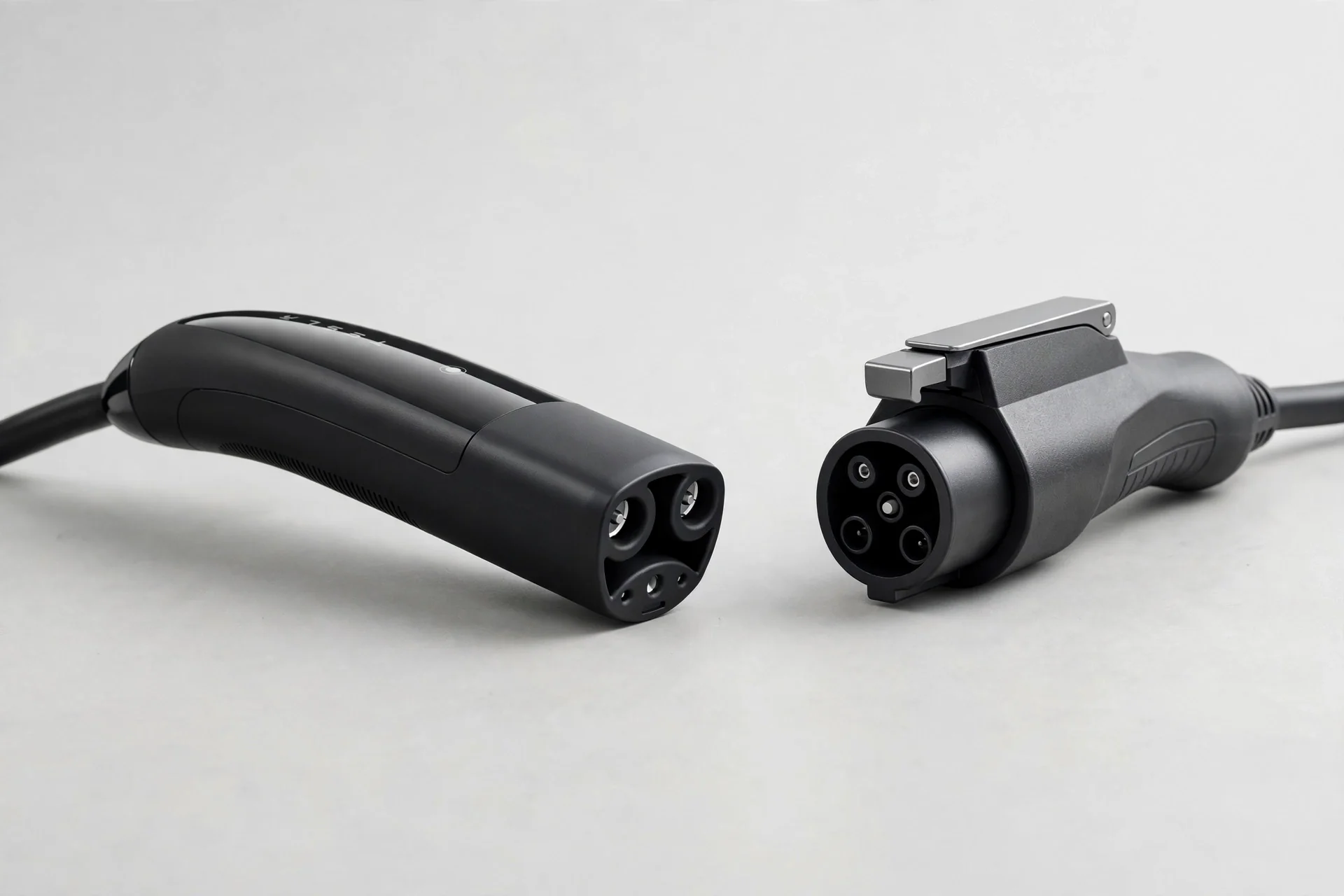
Forget the marketing and look at your odometer. This is the decision framework electricians actually use:
- Stick with Level 1 if: you drive under ~40 miles a day, the car sits parked 10+ hours overnight, you have a plug-in hybrid with a small battery, or you want to try EV life before investing in an install.
- Move to Level 2 if: you drive 40+ miles daily, you own a long-range EV, you want overnight off-peak charging, your household has two EVs sharing one garage, or you are tired of planning around a slow trickle charge.
One useful rule from installer forums: 99% of home charging happens overnight, so "fast enough" means "done by morning." A Level 2 charger finishes the job while you sleep. A Level 1 charger might too — but only if your daily miles are modest. Be honest about your driving and the answer picks itself.
5. 40-Amp vs 48-Amp: What Do the Numbers Mean?
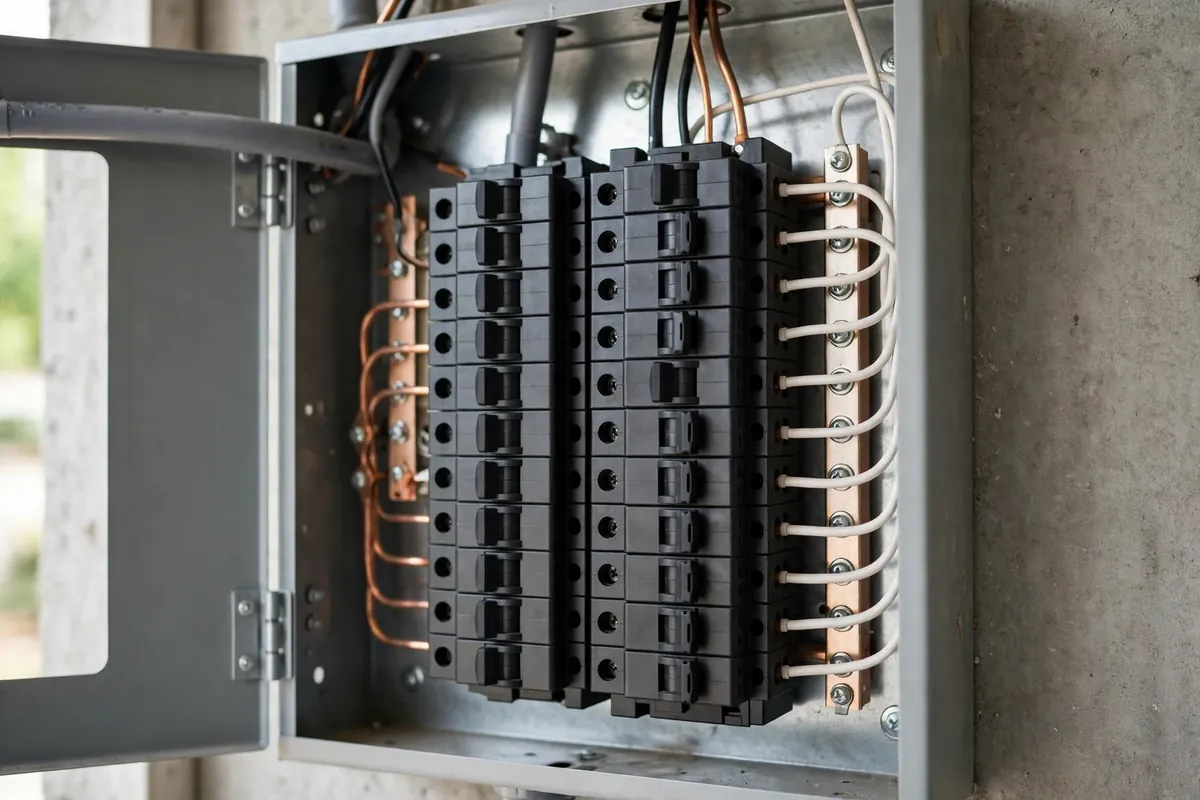
Within Level 2, chargers are sold by amperage — commonly 32, 40, or 48 amps. The NEC's continuous-load rule says a circuit can only run at 80% of its rated capacity for hours at a time, so:
- A 40-amp charger needs a 50-amp breaker and adds roughly 25–30 miles per hour
- A 48-amp charger needs a 60-amp breaker and adds roughly 30–37 miles per hour
Is 48 amps "better"? It charges about 25% faster — but your car has to accept that rate, and many EVs max out below 48 amps anyway. Check your car's onboard charger rating before paying for more amperage than the car can use. For most drivers, 40 amps is plenty; 48 amps makes sense for large-battery EVs and households that want maximum future-proofing.
6. Plug Types in 2026: NACS, J1772, and What "Universal" Means
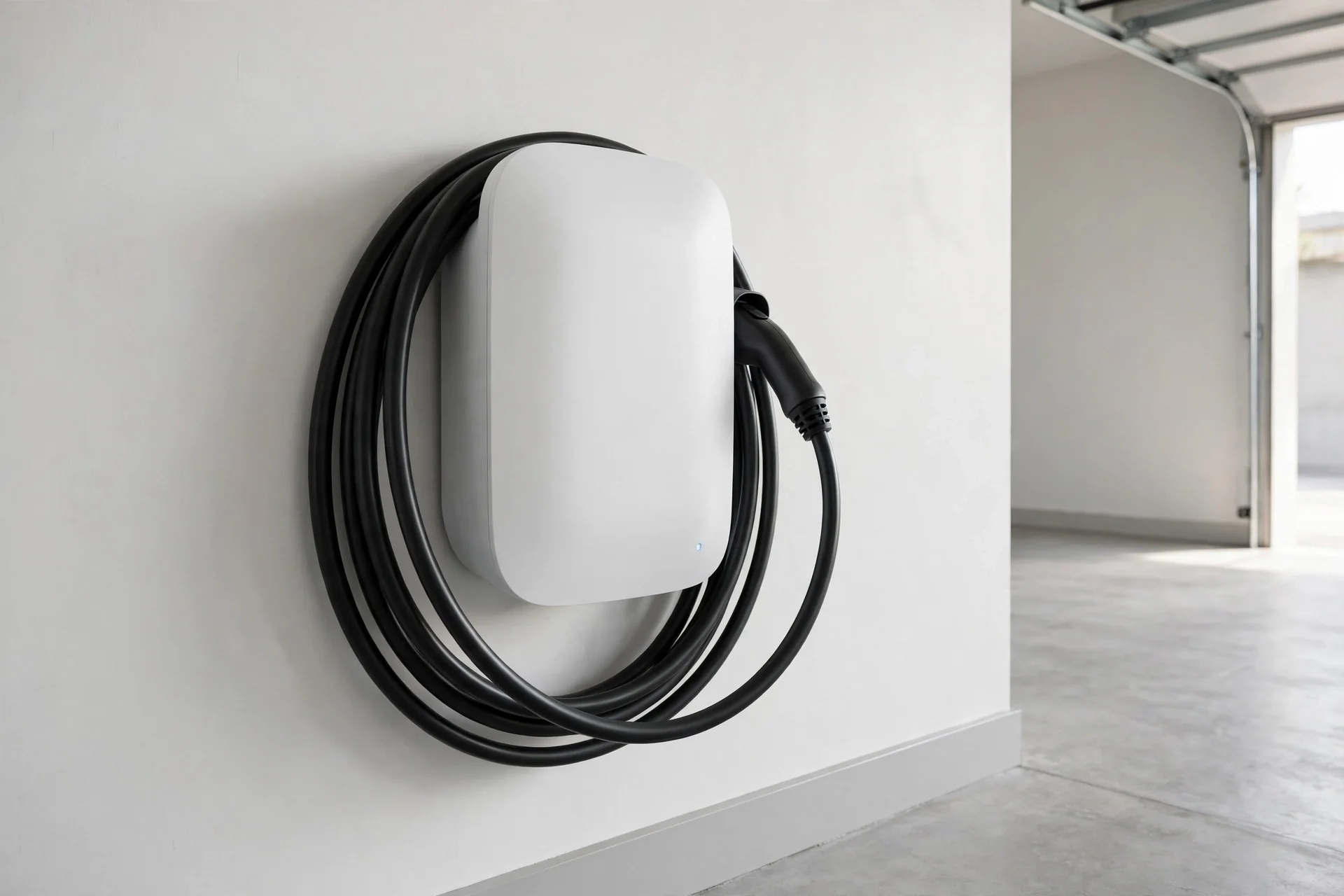
Charging plugs have mostly settled on one standard. NACS (the Tesla-style connector, now SAE J3400) is the de facto standard — most automakers shipping 2025–2026 models use NACS ports natively. J1772 is the older universal plug still found on many existing EVs.
What this means when you buy a charger:
- NACS charger: charges any Tesla directly; charges non-Tesla EVs that have NACS ports.
- J1772 charger: charges non-Tesla EVs directly; charges Teslas with the small adapter Tesla includes.
- "Universal" chargers (like the Tesla Universal Wall Connector): have a built-in docked J1772 adapter, so one unit charges everything without loose adapters.
If you might own a different EV brand in a few years, a universal/J1772-compatible unit is the flexible pick. If your household is all-Tesla for the foreseeable future, a native NACS unit keeps things simple.
7. Hardwired vs Plug-In: The Decision That Comes With Level 2
A Level 2 charger can be hardwired (wired directly into the circuit) or plug-in (connected to a NEMA 14-50 receptacle, like a dryer outlet). Electricians increasingly recommend hardwired, and their reasoning is practical:
- Fewer failure points. A hardwired unit has two fewer connections that can loosen, overheat, or fail over years of daily use.
- Higher amperage. Plug-in setups top out around 40 amps; hardwired units reach 48 amps.
- Simpler code compliance. Receptacles for EV charging need GFCI protection under current code, and GFCI breakers on EV circuits are a known source of nuisance tripping. Hardwired chargers have GFCI protection built into the unit itself, avoiding the conflict.
Plug-in still has a place: it is portable (take the charger when you move), and if you already have a properly wired 240V receptacle in the garage, it can be the faster path. But for a fresh installation, hardwired is the pro consensus.
8. Choosing the Right Setup for an Orlando Home
Orlando adds a few local wrinkles worth thinking about:
- Off-peak charging matters here. FPL's overnight rates reward charging while you sleep — and Level 2 is what makes overnight charging actually finish by morning. Schedule your charging in the car's app or the charger's app and let the off-peak hours do the work.
- Heat and humidity. If your charger will live outdoors or in an unconditioned garage, pick a unit rated for outdoor use and mount it out of direct afternoon sun. Florida weather shortens the life of electronics that bake in it.
- Older homes. Many Orlando neighborhoods have 100-amp panels. That doesn't automatically rule out Level 2 — a load calculation often shows room for a 40-amp circuit, and load-management devices can make it work even when the math is tight. See our panel upgrade guide.
- Two-EV households. Power-sharing chargers let two units split one circuit intelligently — often simpler than running two full circuits.
Key Takeaways
- Level 1 (120V): ~3–5 miles/hour. Fine for light driving and plug-in hybrids; no installation needed.
- Level 2 (240V): ~25–35 miles/hour. The standard home setup; most EVs charge fully overnight.
- Level 3 (DC fast): public stations only — not a residential product.
- 40-amp vs 48-amp is a real choice, but check your car's onboard charger limit before upsizing.
- NACS is the 2026 standard; universal/J1772-compatible units offer the most flexibility.
- Hardwired beats plug-in for fresh installs: fewer failure points, higher amperage, cleaner code compliance.
How many miles per hour does a Level 2 charger add?
Typically 25–35 miles of range per hour, depending on amperage. A 40-amp charger on a 50-amp circuit lands around 25–30 miles per hour; a 48-amp charger on a 60-amp circuit lands around 30–37. Your car's onboard charger can also cap the rate — check the car's specs.
Will Level 2 charging hurt my EV battery?
No. Level 2 is gentle AC charging that every EV is designed to handle daily. Battery wear concerns apply mainly to frequent DC fast charging, which generates more heat. Charging to 80–90% for daily use (rather than 100%) is the standard advice for battery longevity regardless of level.
Can I install a Level 3 DC fast charger at home?
Practically speaking, no. DC fast chargers require commercial-grade electrical service, utility coordination, and equipment that costs many times more than the car itself. No residence needs one — Level 2 finishes the job overnight, when speed doesn't matter.
Is Level 1 enough for my daily commute?
Do the math: multiply your daily miles by your overnight parking hours at ~4 miles per hour. If you drive 30 miles and park 10 hours, Level 1 returns about 40 miles — enough. If you drive 60+ miles daily or need quick turnarounds, Level 2 is the comfortable answer.
What is the difference between a 40-amp and a 48-amp home charger?
About 25% more charging speed — roughly 25–30 vs 30–37 miles per hour. The 48-amp unit needs a heavier 60-amp circuit (vs 50-amp for 40A) under the NEC 80% continuous-load rule. Check your car's onboard charger first: if the car maxes out at 32 or 40 amps, a 48-amp charger buys you nothing today.
Can I charge a non-Tesla EV on a Tesla Wall Connector?
With the right setup, yes. The Tesla Universal Wall Connector has a built-in J1772 adapter that charges any EV. A standard Tesla Wall Connector (NACS plug) charges non-Tesla EVs that have NACS ports, or older J1772-port EVs with an adapter. See our full Tesla Wall Connector vs ChargePoint comparison.
Related Posts
- What to Expect During EV Charger Installation in Orlando
- Tesla Wall Connector vs ChargePoint Home Flex
- Do You Need a Panel Upgrade for an EV Charger?
Not sure which level fits your home? Talk it through with a local specialist: Call Now
Sources: NEC continuous-load (80%) rule; SAE J3400/NACS adoption coverage; ElectricianTalk pro forum (hardwired vs receptacle consensus); Tesla Motors Club and Macheforum owner threads on real-world charging speeds; AnswerThePublic-style PAA research on charging-level questions.