TL;DR
Problem: "Do I need a permit for an EV charger?" is one of the most-asked Orlando EV questions — and the most common bad answer ("nah, you don't need one") comes from installers cutting corners.
Solution: In Orlando and most of Central Florida, a hardwired Level 2 EV charger requires an electrical permit. The process is straightforward, permit fees are modest, and the inspection protects you. Your installer should handle the paperwork.
When to call: If an installer tells you no permit is needed for a hardwired Level 2 charger, get a second opinion before they touch your panel: Call Now.
Quick Answer
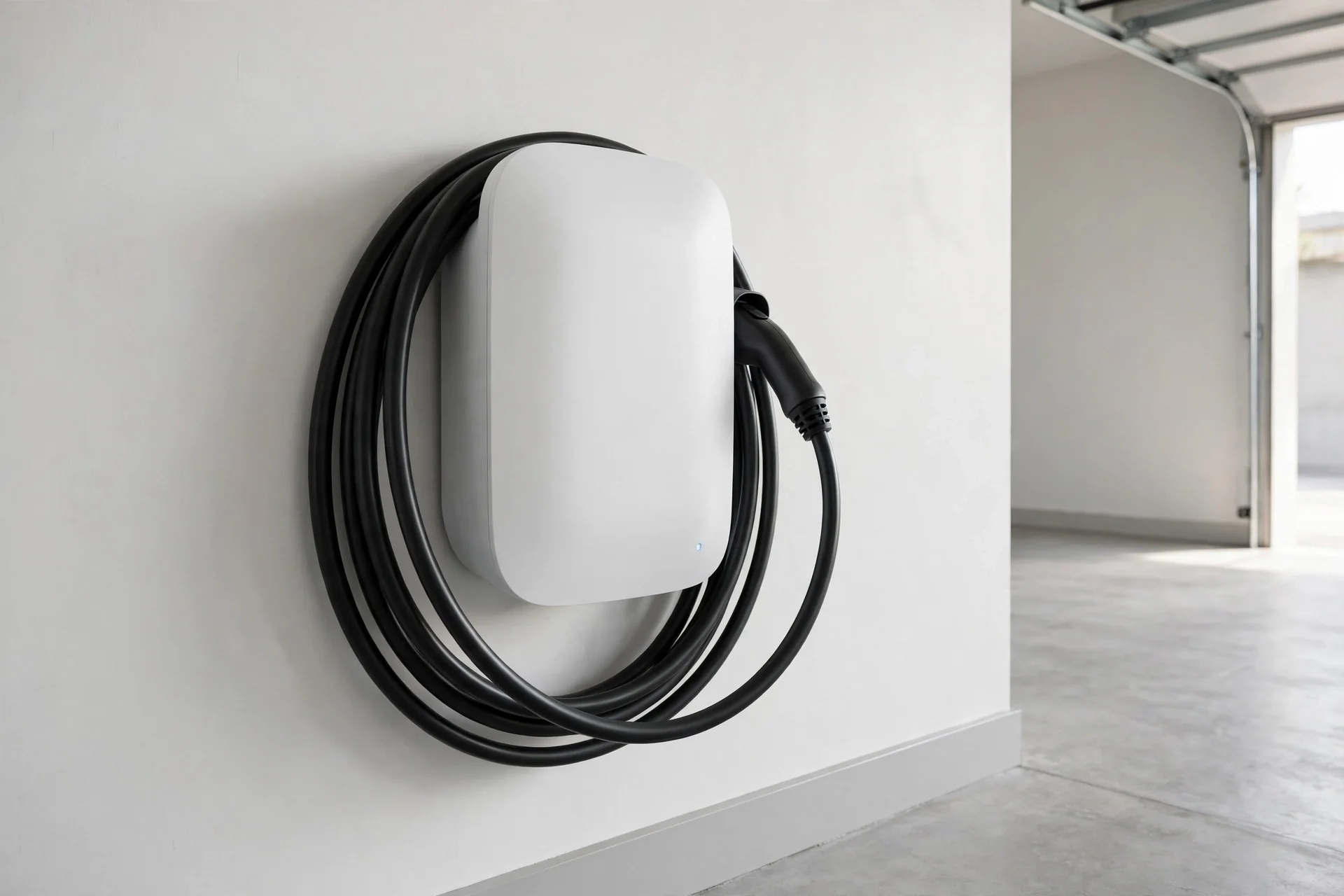
Yes — in the City of Orlando and most surrounding jurisdictions, installing a hardwired Level 2 EV charger requires an electrical permit. The installer typically submits the application, the city reviews the scope of work (usually a few business days), the work is completed, and a city inspector verifies it meets code. Permit fees are modest. Skipping the permit risks problems with home insurance claims and future home sales.
1. When Do You Need a Permit for an EV Charger in Orlando?
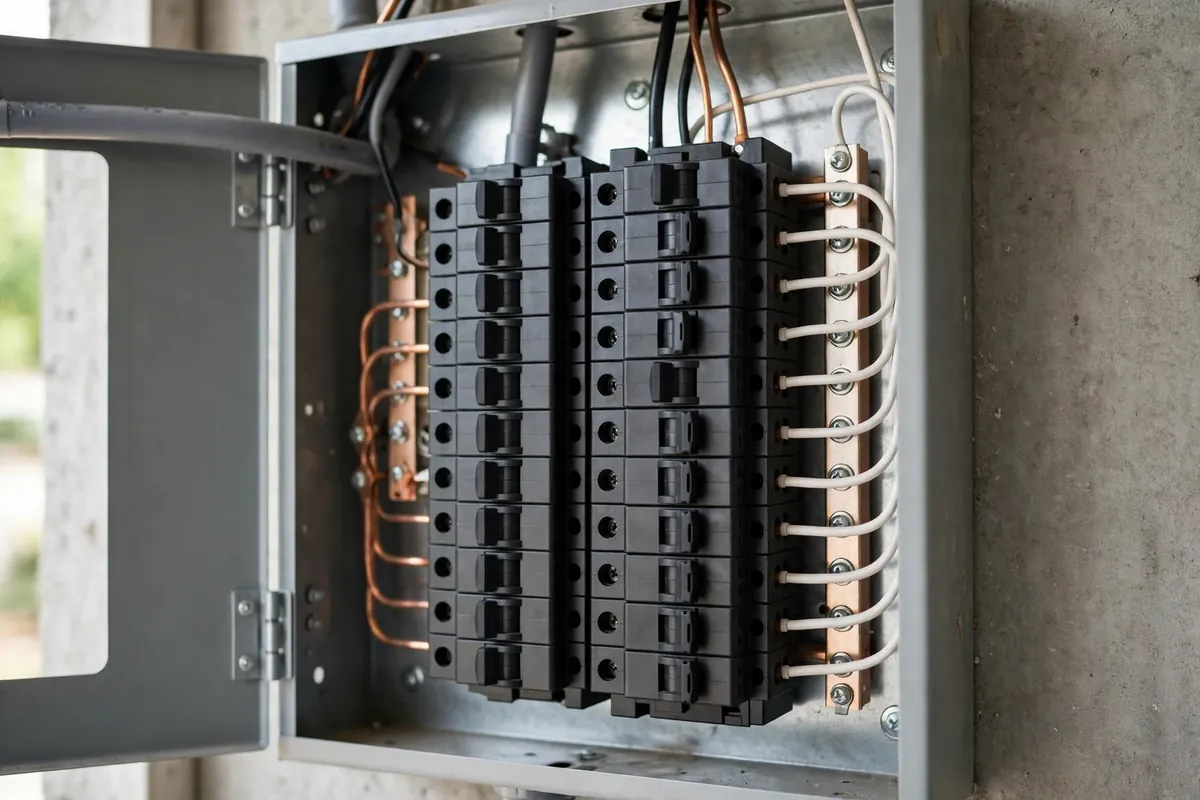
The rule of thumb Florida electricians use:
- Permit required: Adding a new 240V circuit, installing a hardwired Level 2 charger, upgrading a panel or adding a subpanel, running new conduit or trenching for the charger.
- Usually no permit: Plugging a portable Level 1 charger into an existing 120V outlet, or plugging a portable Level 2 unit into an existing, properly wired 240V receptacle (no new electrical work involved).
The distinction is about the electrical work, not the charger. The moment new wiring, a new breaker, or a new circuit enters the picture, you're in permit territory. Since the vast majority of Level 2 installations involve a new dedicated circuit, the vast majority need a permit.
2. Why the Permit Matters More Than the Paperwork
A permit isn't bureaucracy for its own sake — it's the paper trail that proves the work was done to code:
- Insurance. Unpermitted electrical work is one of the things home insurers ask about after an electrical fire. Permitted, inspected work removes that question entirely.
- Home sales. Buyers' inspectors and title processes in Florida surface unpermitted work. A permitted EV charger is a documented home improvement; an unpermitted one is a negotiation problem.
- Safety verification. The inspection is a free second opinion from someone whose job is catching mistakes — wrong breaker sizing, improper wire gauge, missing disconnects.
- Incentive paperwork. Federal tax credits and any utility rebates go smoother with permitted, inspected, documented work.
This is also why "the electrician told me a permit wasn't required" is a documented pain point in owner forums — it contradicts local rules, and the homeowner is the one left holding the risk.
3. The Orlando Permit Process, Step by Step
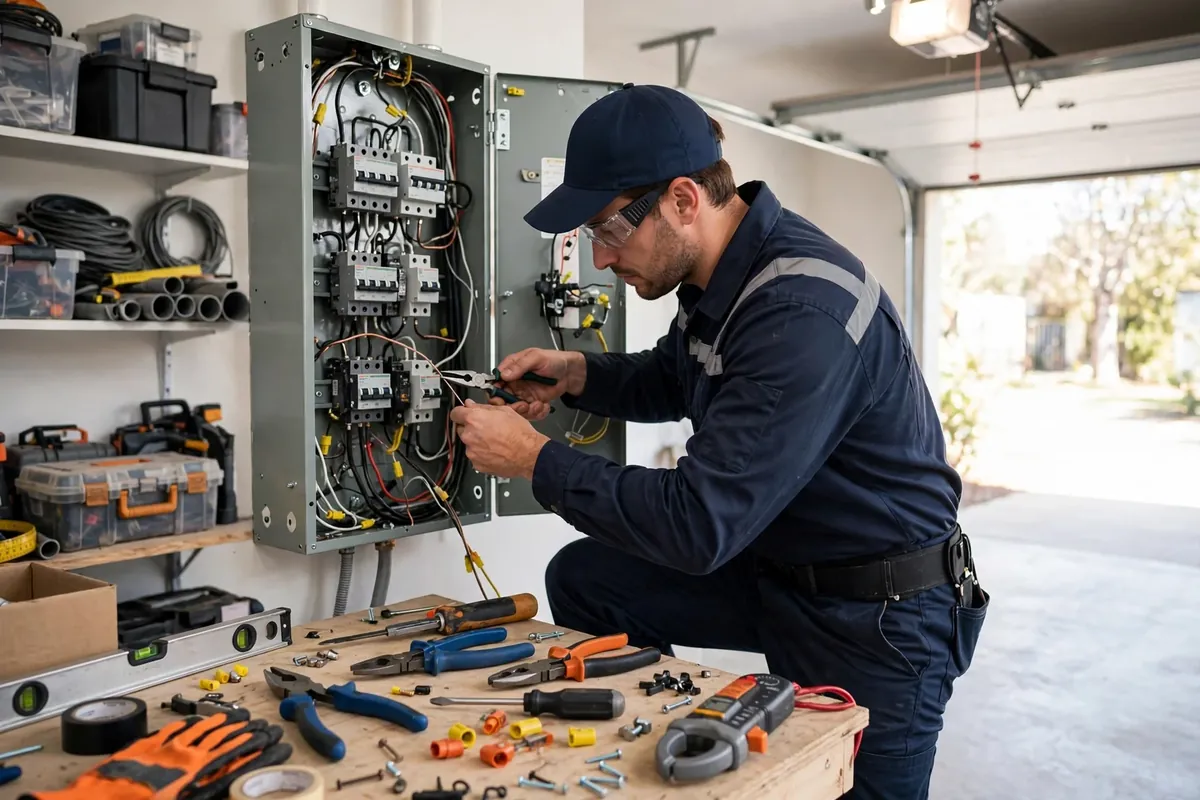
While exact steps vary slightly between the City of Orlando, Orange County (unincorporated), and surrounding cities like Winter Park or Kissimmee, the shape is the same:
- Application. The installer submits an electrical permit application describing the scope: new 240V circuit, breaker size, charger model, hardwired vs receptacle.
- Review. The building department reviews the application for code compliance. For a standard residential EV charger, this is routine — typically a few business days.
- Permit issuance. The permit card is issued; work can begin.
- Installation. The electrician completes the work per the permitted scope.
- Inspection. The installer schedules the final inspection. A city/county inspector verifies the wiring, breaker, and installation match the permit and the NEC.
- Sign-off. The permit is closed. Keep the records — they matter for insurance, resale, and incentive claims.
Who pulls the permit? Your installer should. It's standard practice, and an installer who asks you to pull the electrical permit is waving a small red flag — it can signal they're not properly licensed for the jurisdiction.
4. How Long Does Permitting Take in Orlando?
For a straightforward residential EV charger, plan on:
- Application to issuance: a few business days in most cases. Simple electrical permits move faster than structural ones.
- Inspection scheduling: usually within a few days of requesting it.
- Total permit-related timeline: roughly one to two weeks, though it can stretch during busy construction seasons.
This is why the full "first call to first charge" timeline for an EV charger installation in Orlando runs one to three weeks — the physical install is a day; the permit process is the calendar time. If you're on a deadline (new EV arriving, for example), start the process early rather than hoping for rush treatment.
5. What the Permit and Inspection Actually Cover
An EV charger electrical permit covers the electrical scope of work:
- The new dedicated circuit (breaker size, wire gauge, wire type)
- The wiring method (in-wall, attic, surface conduit, underground)
- The charger connection (hardwired termination or receptacle installation)
- Panel work included in the job (new breaker, subpanel, or service changes)
- Code compliance items: proper grounding, GFCI protection where required, working clearances around the panel, labeling
The inspector checks that what's in the walls matches what was permitted and that it meets the National Electrical Code as adopted locally. They don't evaluate your choice of charger brand — that's your business.
6. City of Orlando vs Orange County vs Surrounding Cities
Permit jurisdiction follows the property address, not the mailing address:
- Inside Orlando city limits: City of Orlando permitting.
- Unincorporated Orange County: Orange County permitting (different office, similar process).
- Winter Park, Maitland, Kissimmee, St. Cloud, etc.: each city has its own building department.
Your installer should know which jurisdiction your address falls in — it's a basic local-competence check. If you're in one of our Orlando-area service neighborhoods, the installer handles the right office as a matter of routine.
7. What Happens If Work Is Done Without a Permit?
Three realistic consequences, all documented in homeowner forums:
- Insurance complications. After an electrical incident, insurers investigate. Unpermitted work gives them grounds to dispute a claim — on the EV circuit or, worse, on unrelated electrical damage.
- Resale headaches. Florida buyers' inspections flag unpermitted electrical additions. You may end up permitting the work retroactively (with the walls already closed, which is harder) or crediting the buyer.
- No official record. If a future electrician works on your panel, the undocumented circuit is a surprise. Permitted work shows up in the panel directory and the permit history.
None of this is theoretical — "unpermitted electrical work, insurance claim problems" is a recurring thread in electrician forums precisely because it keeps happening to real homeowners.
8. HOA and Condo Approval: The Other Permission Slip
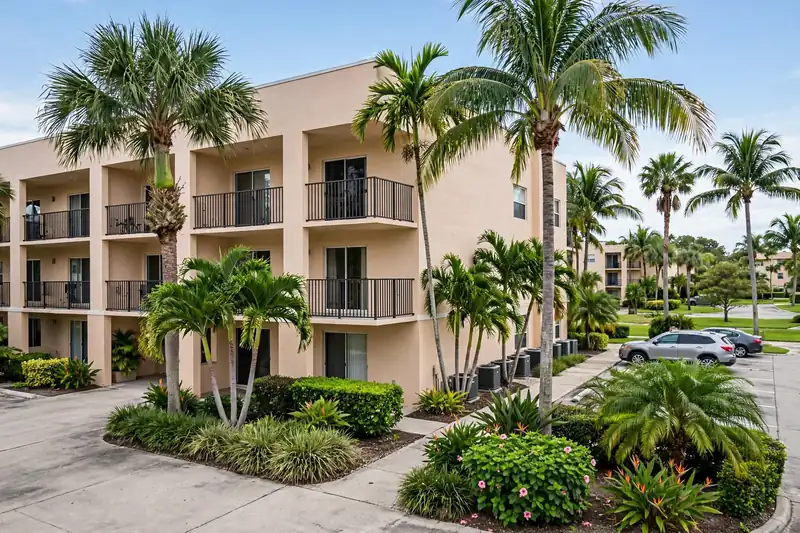
The city permit is one approval; your community may require another. If you live in an HOA community or condo:
- HOAs often require architectural review before exterior electrical work. Get written approval before scheduling.
- Condo owners in Florida have specific protections — state law limits a condo association's ability to prohibit EV charger installation in an owner's designated parking area, though reasonable requirements can still apply.
Start the HOA/condo conversation early — community approvals can take longer than the city permit. Our related post on EV charging for apartments and condos covers this in depth.
Key Takeaways
- A hardwired Level 2 EV charger needs an electrical permit in Orlando and most of Central Florida; permit fees are modest.
- The installer should pull the permit — it's standard practice and a licensing competence check.
- Expect roughly one to two weeks of permit-related calendar time; the install itself is usually a day.
- Permitted, inspected work protects your insurance coverage, your resale, and your incentive paperwork.
- "You don't need a permit" for a new 240V circuit is a red flag — get a second opinion.
Do I need a permit for a Level 2 EV charger in Orlando?
Yes, in nearly all cases. Installing a hardwired Level 2 charger means adding a new 240V dedicated circuit, which requires an electrical permit in the City of Orlando and surrounding jurisdictions. Your installer should handle the application and inspection scheduling.
Do I need a permit for an EV charger anywhere in Florida?
Rules are set locally, not at the state level — but across Florida, adding a new 240V circuit or hardwired EV charger requires an electrical permit in virtually every city and county. The specifics (which office, exact process) vary by jurisdiction.
How long does the EV charger permit process take in Orlando?
For a standard residential installation, typically one to two weeks from application to final inspection sign-off: a few business days for review and issuance, then a few more days to schedule the inspection after the work is done. Start early if you're on a deadline.
What does an EV charger permit actually cover?
The electrical scope of work: the new dedicated circuit (breaker size, wire gauge), the wiring method, the charger connection, any panel work, and code compliance items like grounding, GFCI protection where required, and panel working clearances. It does not cover your choice of charger brand.
What happens if electrical work is done without a permit?
You risk insurance claim disputes after any electrical incident, complications when selling the home (buyers' inspectors flag unpermitted work), and no official record of the circuit for future electricians. Retroactive permitting with finished walls is harder than doing it right the first time.
Does the installer pull the permit, or do I?
The installer should. Pulling the electrical permit is standard practice for licensed electricians, and it confirms they're properly licensed in your jurisdiction. An installer who asks the homeowner to pull it is worth a second look.
Related Posts
- What to Expect During EV Charger Installation in Orlando
- Do You Need a Panel Upgrade for an EV Charger?
- Florida EV Charger Incentives and Rebates Guide
Want the permit handled for you? That's standard on every installation we do: Call Now
Sources: City of Orlando and Orange County permitting processes; NEC permit requirements for new branch circuits; Reddit r/askelectricians threads on unpermitted work and insurance; Tesla Motors Club Orlando threads; AnswerThePublic-style PAA research on EV charger permit questions.