Quick Answer
Under Florida Statute 718.113(8), a condominium association generally cannot prohibit a unit owner from installing an electric vehicle charging station in the owner's designated parking area. The association may adopt reasonable requirements — such as permits, insurance, and architectural standards — and the owner is typically responsible for installation and ongoing maintenance. Rules differ for single-family HOA communities, so know which type of community you live in.
1. Why HOA Pushback Happens in Florida Communities
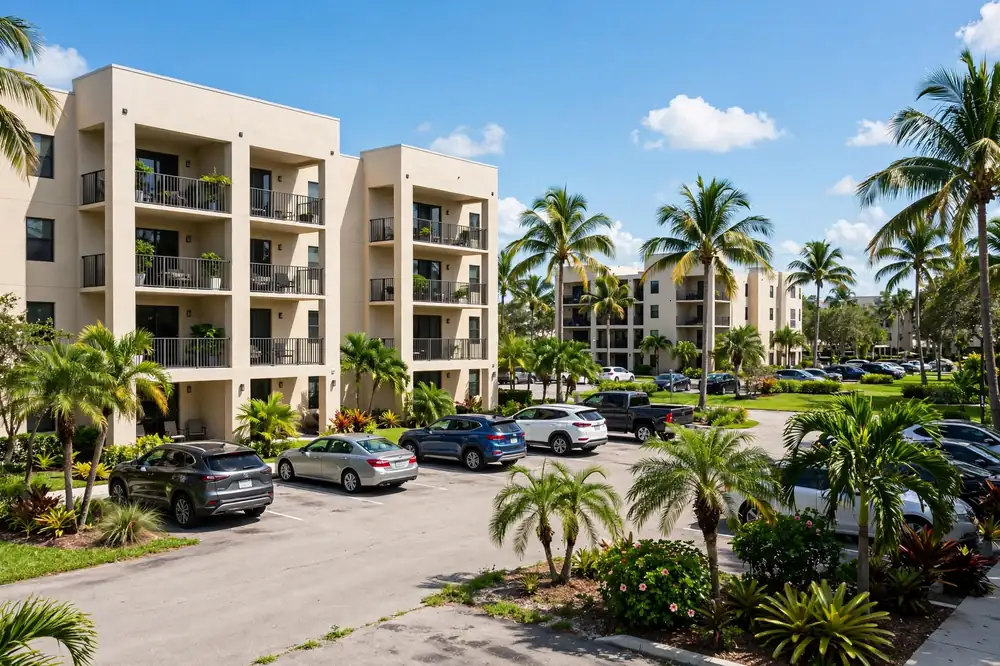
Orlando has thousands of condo communities, townhome developments, and HOA-governed neighborhoods — from high-rises near Downtown Orlando to gated communities in Lake Nona, Windermere, and Celebration. When an EV owner in one of these communities asks to install a charger, boards often hesitate. The reasons are predictable: they worry about who pays for the electricity, whether the building's electrical system can handle the added load, what happens when the owner sells, and whether the installation will look right.
Real owner stories from Florida and beyond show how frustrating this gets. On owner forums, condo residents describe boards taking months to respond, demanding unusual conditions, or simply saying no without citing any rule. If that is happening to you, know this: in a Florida condominium, a flat "no" is often not the end of the story.
2. Florida Statute 718.113(8): What It Actually Says
Florida Statute 718.113(8) — part of the Florida Condominium Act — was written for exactly this situation. In plain language, it says:
- A unit owner has the right to install an electric vehicle charging station within the boundaries of the owner's unit or within a limited common element parking area assigned to that owner.
- The association cannot prohibit the installation. A rule or board vote that bans EV chargers outright in owners' parking areas runs against the statute.
- The association can set reasonable requirements. This is the part boards lean on — and it is legitimate. Typical requirements include architectural standards, compliance with building and electrical codes, permits, and inspections.
- The owner generally bears the costs. Installation, maintenance, repair, removal, and the electricity the charger uses are ordinarily the installing owner's responsibility, not the association's.
- Insurance is commonly required. Associations frequently require the owner to carry liability coverage for the charging station and to name the association as an additional insured party.
- Indemnification. The owner is generally expected to hold the association harmless for claims connected to the station.
Read that list again: the law gives you the right, but it does not give you a free pass on the details. Boards that understand the statute usually shift from "can we stop this" to "here are our requirements." That is the productive conversation you want.
3. Condo Associations vs. Single-Family HOAs: Different Rules
This distinction matters enormously, and mixing them up is the most common mistake owners make:
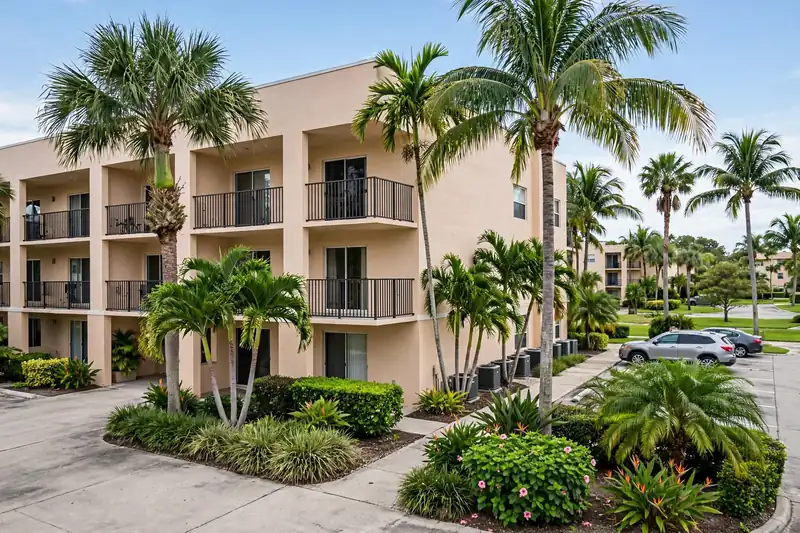
- Condominiums (Chapter 718): Covered by 718.113(8). The statute is explicit, and courts have the clearest guidance here. If you own a condo with an assigned parking space, this is your law.
- Single-family HOA communities (Chapter 720): There is no identical, equally explicit EV-charger provision for HOAs in the same way. Your rights depend on your community's declaration, covenants, and architectural review rules. Many HOAs approve chargers routinely through their architectural review committee — especially garage installations, which are straightforward — but the legal analysis is different and more fact-specific.
Before you quote any statute at your board, confirm which chapter governs your community. Your declaration of condominium or HOA covenants will tell you.
4. What Your Board Can Still Require
Even in a condo, the board is not powerless — and honestly, most of what a reasonable board asks for protects you too:
- Permits and inspections. The installation must comply with the Florida Building Code and local electrical code, with permits pulled and inspections passed. In Orlando and surrounding cities, EV charger installations are typically permitted electrical work.
- Licensed electrician. Boards routinely require the work to be performed by a licensed electrical contractor. This is also in your interest — unpermitted or unlicensed electrical work can create insurance and liability problems.
- Architectural standards. Conduit routing, charger placement, and cable management should meet the community's appearance standards.
- Electrical capacity review. The board may ask for confirmation that the building's electrical system can support the added load — a load review by a qualified professional.
- Metering or reimbursement. If the charger draws from common-area power rather than your own meter, the board will want a fair way to bill you for the electricity. Separately metered circuits or sub-metering solve this cleanly.
- Insurance and indemnification. As noted above, expect to carry liability coverage and indemnify the association.
None of these are a "no." They are the normal paperwork of a serious installation.
5. How to Submit an Approval Request That Gets Approved
Boards approve clean, complete applications and stall messy ones. Make yours easy to say yes to:
- Put it in writing. Submit a formal architectural modification request (or whatever your community calls it) with your name, unit, and parking space identified.
- Reference the statute. For condos, cite Florida Statute 718.113(8) calmly and factually — not as a threat, as context.
- Attach an installation plan. Include the charger model, the proposed location, conduit routing, and confirmation that a licensed electrician will perform the work and pull permits.
- Address electricity. State clearly whether the charger connects to your own metered panel or common power, and how you propose to handle billing if it is the latter.
- Include insurance documentation. If you already have or can obtain the liability coverage the association requires, say so.
- Offer a site walk. Invite the property manager or board representative to walk the parking area with you and the electrician. Transparency defuses suspicion.
Owners who show up with a professional plan get approved far more often than owners who show up with an argument.
6. What to Do If Your Board Says No
If the board denies your request or stops responding:
- Get the denial in writing. Ask for the specific rule or reason cited.
- Check whether the denial is really a prohibition. A denial that is actually a list of conditions you can meet is not a denial — it is an approval with homework.
- Respond point by point. Address each concern with documentation: permits, licensed contractor, insurance, load review.
- Escalate through proper channels. Many disputes resolve at a hearing before the board or through the association's dispute-resolution process.
- Talk to an attorney. If the board is prohibiting installation outright in a condo despite 718.113(8), or imposing conditions that look designed to make installation impossible, a Florida community-association attorney can advise you on your options.
Document everything in writing from the start. Email beats memory.
7. Special Cases Worth Knowing About
- Townhouses with attached garages. If your garage and its electrical panel are part of your unit, installation is usually the simplest case — it is inside your own space. HOA architectural review may still apply to exterior changes like conduit runs.
- Detached garages and carports. The wire run from the panel to a detached structure can be long, and routing across common areas needs association approval for the path.
- Assigned vs. deeded parking. The statute contemplates parking areas appurtenant to your unit. If your "assigned" space can be reassigned by the board, clarify in writing that the charger approval travels with your current space assignment.
- Renters. If you rent, the unit owner's rights under the statute belong to the owner, not the tenant. Get the owner's written consent and cooperation before approaching the board.
- Workplace and guest parking. The statute covers the owner's parking area — not guest spots or shared lots. Those are association decisions.
8. Getting the Installation Done Right in Orlando
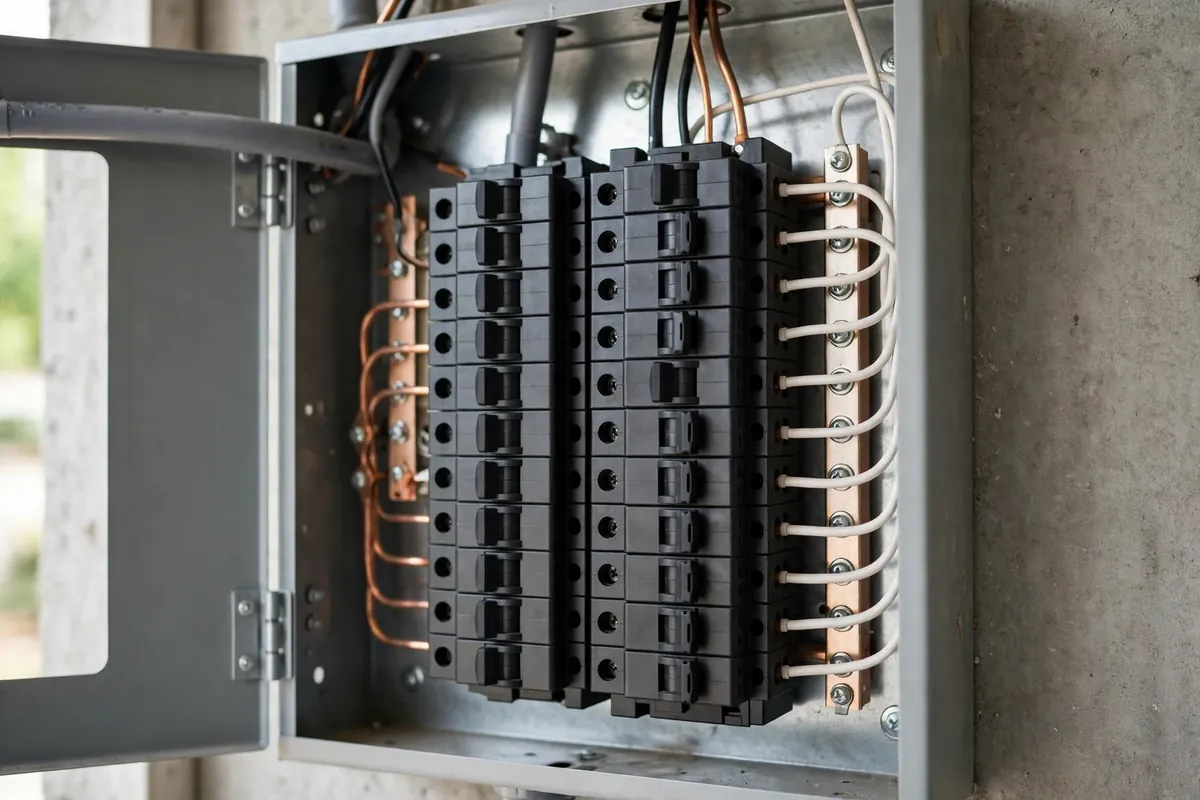
Once approval is in hand, the installation itself needs to be done to code: proper circuit sizing, correct wire and breaker selection, GFCI protection where required, permits, and a passed inspection. Orlando-area condos range from 1970s buildings with limited electrical capacity to new Lake Nona towers built EV-ready — a qualified electrician should evaluate your specific building before anyone signs off on a plan.
For a deeper look at what the installation involves, see our guide to Level 2 charger installation and residential EV charger installation in Orlando.
Key Takeaways
- Florida Statute 718.113(8) protects condo owners' right to install EV chargers in their designated parking areas — associations generally cannot prohibit it.
- Boards can still require permits, licensed contractors, insurance, architectural standards, and fair electricity billing.
- Single-family HOA communities operate under different rules — confirm which chapter governs you.
- A complete, professional approval package gets approved; an argument gets stalled.
- Get denials in writing, respond point by point, and consult an attorney if a condo board prohibits installation outright.
Can my Florida condo association legally ban EV chargers in my parking space?
Generally, no. Florida Statute 718.113(8) gives unit owners the right to install an EV charging station in their designated parking area, and associations cannot prohibit it. They can impose reasonable requirements around permits, insurance, appearance, and electrical safety. This is general information, not legal advice — consult a Florida attorney for your specific situation.
What does Florida Statute 718.113(8) actually say in plain English?
It says a condo unit owner may install an EV charging station in the owner's unit or assigned parking area, the association may not prohibit it, and the association may adopt reasonable requirements covering things like building-code compliance, permits, insurance, and maintenance. The installing owner is generally responsible for the costs of installation, upkeep, and electricity.
Do I need HOA approval before installing a charger in a single-family HOA community?
In most deed-restricted communities, yes — exterior electrical work typically goes through architectural review. The review process varies by community, so read your covenants and submit a complete application with your installation plan. Garage installations with no exterior changes are usually the simplest approvals.
Who pays for installation and maintenance of a condo EV charger?
The installing unit owner, in the typical arrangement contemplated by the statute. That includes the charger, the electrical work, ongoing maintenance, the electricity it consumes, and eventually removal if required. The association's common funds are not expected to subsidize an individual owner's charger.
Can the HOA require liability insurance for my EV charger?
Yes — requiring the owner to maintain liability insurance covering the charging station, and to name the association as an additional insured, is one of the reasonable requirements associations commonly impose. Check your association's specific insurance requirements before you buy a policy, so the coverage matches what they ask for.
What if my parking space is assigned by the board and could be reassigned?
Clarify this in writing before you install. Ask the board to confirm that your charger approval is tied to your current space, and get a written understanding of what happens if spaces are reassigned. Installing expensive electrical work in a space you might lose is a risk you want addressed on paper first.
Related Posts
- Do You Need a Permit for an EV Charger in Florida?
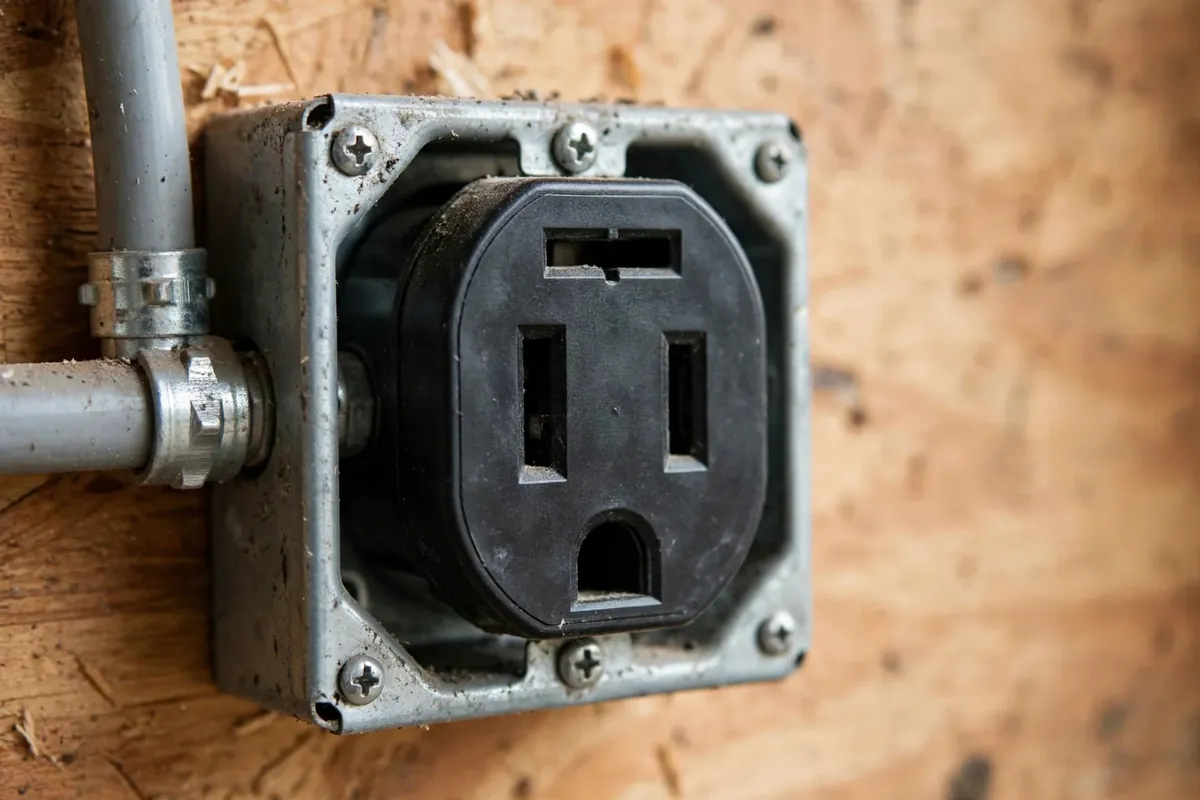
- NEMA 14-50 Outlet vs Hardwired EV Charger: Which Is Right for You?
- Can You Install a Level 2 Charger on a 100-Amp Panel?
Ready to move forward with your condo or HOA charger project? Call now at (407) 555-0100 — we handle code-compliant EV charger installation across Orlando, from Winter Park to Lake Nona to Windermere.
Sources consulted: Florida Statute 718.113(8) (Florida Condominium Act); owner discussion threads on HOA and condo EV charger approvals (Tesla Motors Club, r/evcharging via The Cooldown coverage); Florida Building Code electrical provisions. Statute summaries are general information, not legal advice.