TL;DR
Problem: "Will my panel handle a Level 2 charger?" is the question behind half of all EV installation anxiety — and the internet answers it with everything from "definitely upgrade" to "you'll be fine," usually without doing any math.
Solution: The answer comes from a load calculation, not opinions. Many 100-amp panels can support a Level 2 charger; many can't. And even when the math is tight, load-management devices can often avoid a full panel upgrade.
When to call: Don't guess about your panel — a site survey with a real load calculation gives you the actual answer: Call Now.
Quick Answer
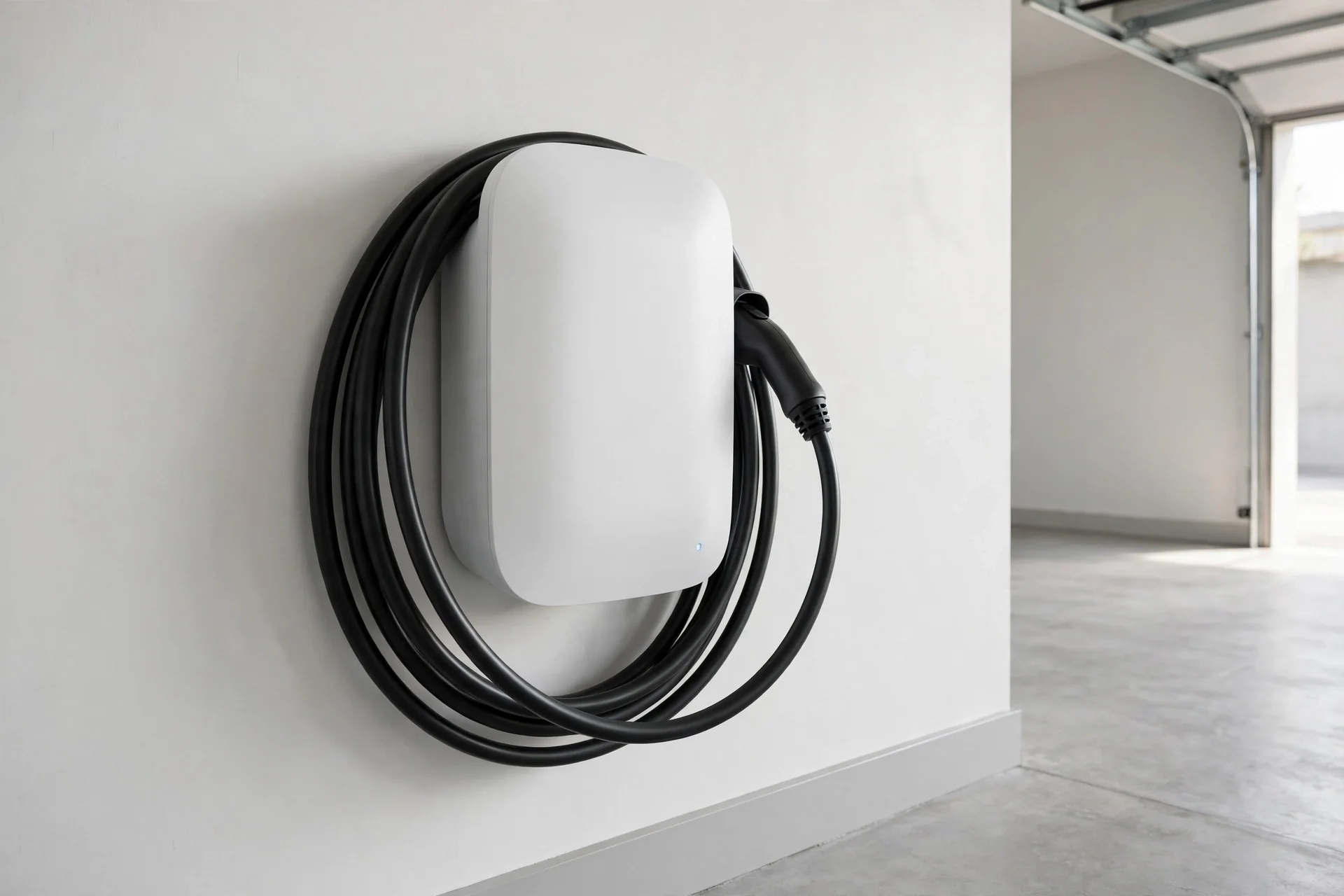
Not necessarily. Whether you need a panel upgrade depends on your panel's capacity (100-amp vs 200-amp), how much of that capacity your home already uses, and the size of the EV circuit you want — determined by a standardized NEC load calculation. Many 100-amp panels can support a 40-amp Level 2 circuit; when the math is tight, load-management devices that let the charger share capacity with another large load can avoid a full upgrade.
1. What Your Electrical Panel Actually Does
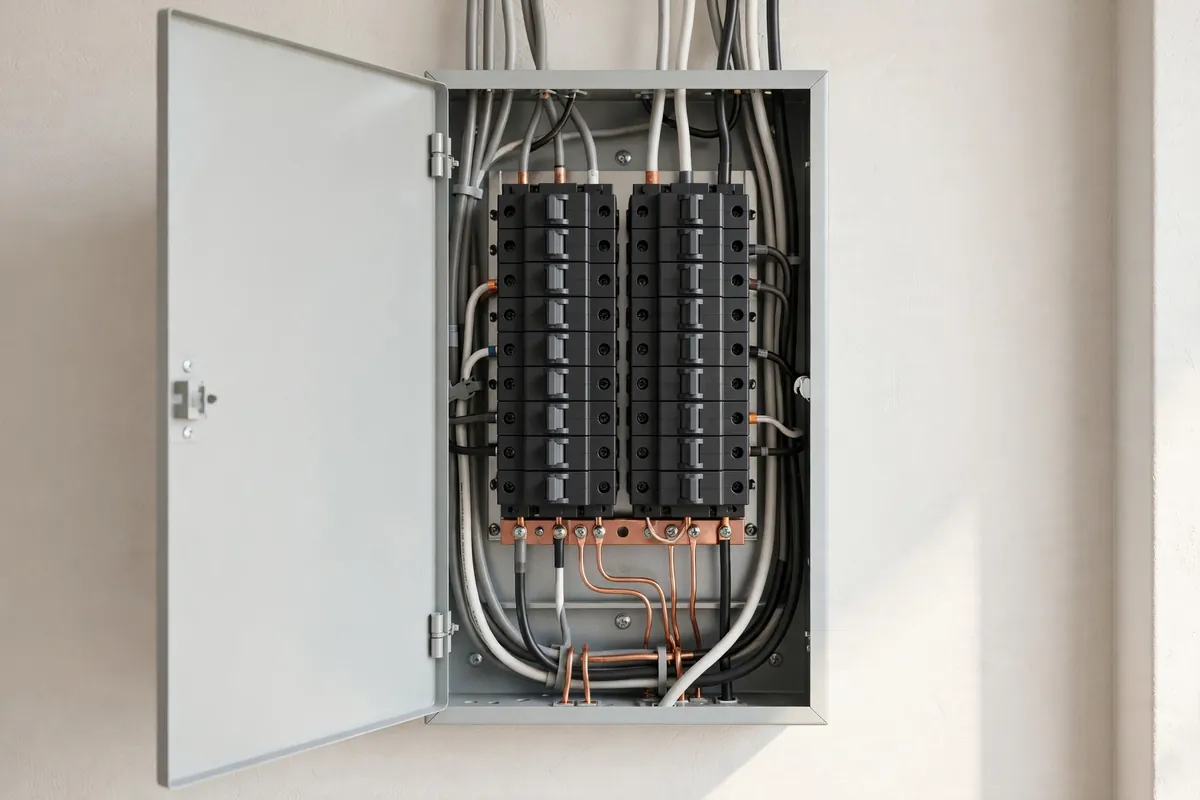
Your panel is the distribution hub for your home's electricity. Its main breaker rating — commonly 100 or 200 amps in Orlando-area homes — is the maximum current your entire house can draw at once. Every circuit in the house (AC, water heater, dryer, lights, outlets) shares that total.
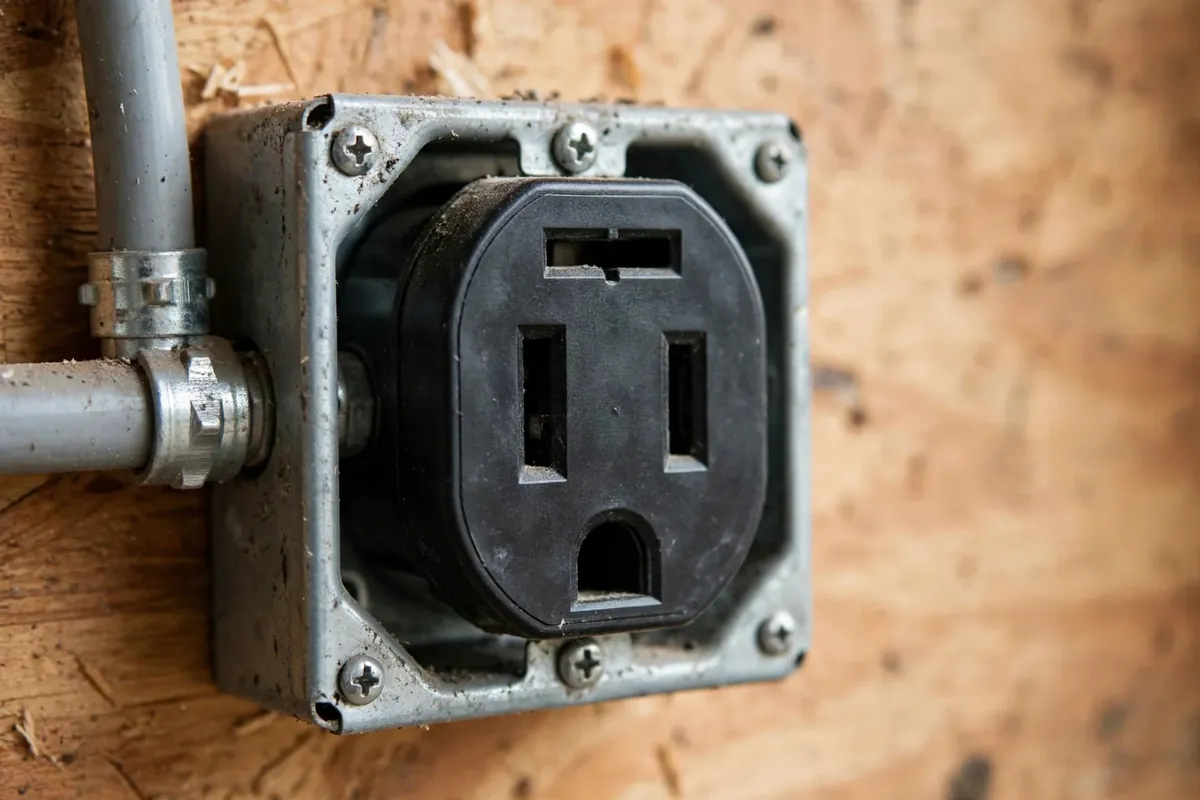
A Level 2 EV charger is one of the hungriest single loads in a modern home: a 40-amp charger draws 40 amps continuously for hours. That's why the panel question matters — you're adding a load roughly the size of an electric dryer, running all night, every night.
2. 100-Amp vs 200-Amp: What the Numbers Mean for EV Charging
- 200-amp service (common in newer homes and many renovated ones): usually has comfortable room for a 40- or 48-amp EV circuit. Most 200-amp homes add Level 2 charging without touching the panel.
- 100-amp service (common in older Orlando homes, especially pre-1990s builds): the answer is "it depends." A 100-amp panel running electric heat, an electric water heater, a dryer, and central AC may be maxed out. The same 100-amp panel in a home with gas appliances and modest loads may have room to spare.
The panel's age matters too. An older 100-amp panel that's full of tandem breakers with no open slots is a different situation from a 100-amp panel with space to spare — even before the load math enters the picture.
3. The Load Calculation: How Electricians Actually Decide
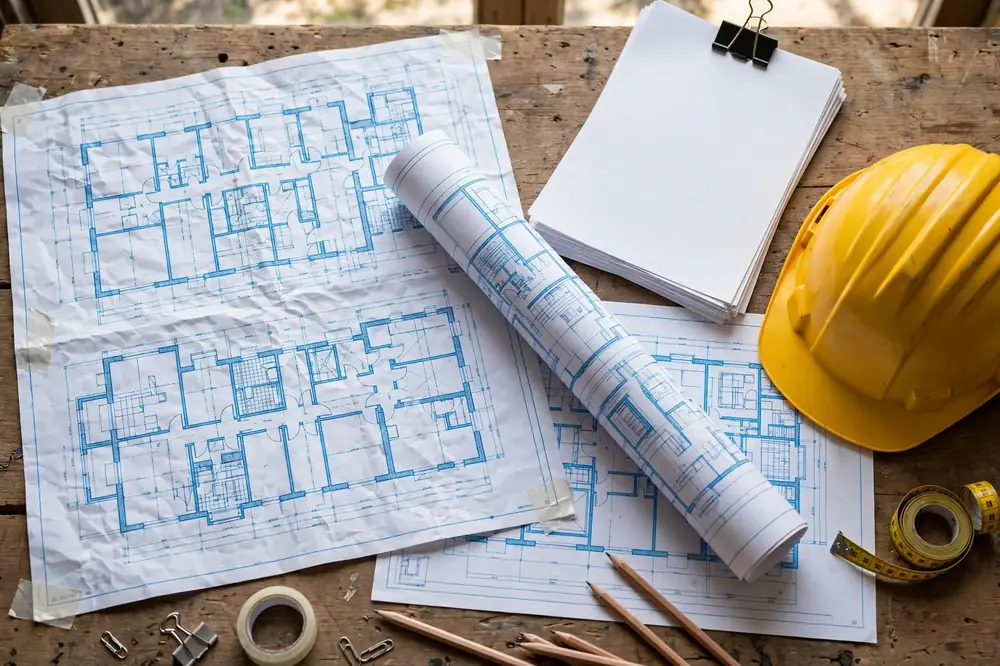
This is the step that separates professional advice from guessing. The NEC load calculation is a standardized formula that estimates your home's peak electrical demand:
- General loads: square footage-based lighting and outlet loads, plus small-appliance and laundry circuits.
- Major appliances: water heater, dryer, range, HVAC — each counted at its rated draw, with demand factors the code specifies.
- The EV charger: added at its full rated current (EV charging counts as a continuous load, so no demand-factor discount).
If the total stays under the panel's rating, the charger fits. If it exceeds it, you need options — which is the next section. The key insight from pro forums: the load calc is conservative by design, and real-world usage is almost always lower than the calculated peak. But "conservative" is the point — it's a safety standard, not a suggestion.
Always ask: "Did you run a load calculation?" An installer who sizes your job from the calculation is doing it right. One who eyeballs the panel and declares you need a new one — or declares you're fine — is guessing.
4. Signs Your Panel Might Need Attention
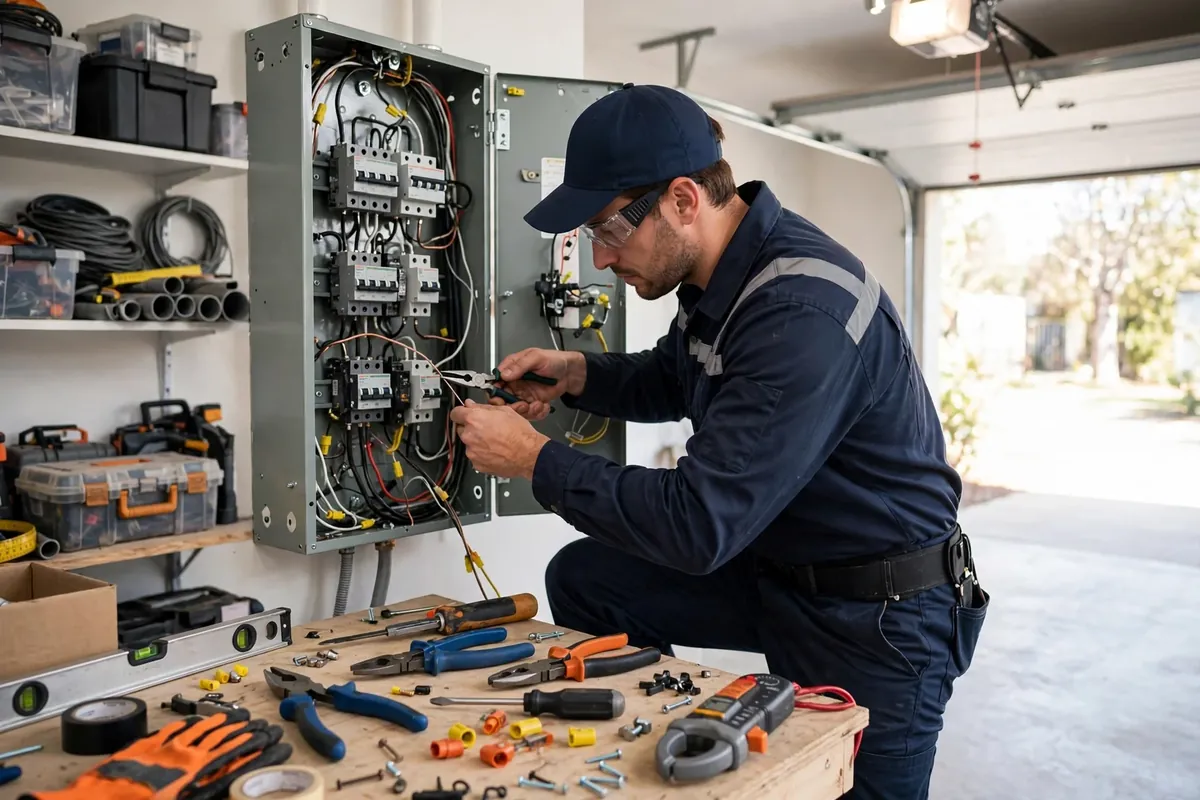
You don't need to be an electrician to spot the warning signs. Call for an assessment if:
- Your panel is 100 amps and your home has electric heat, electric water heater, and central AC
- The panel is full — no open breaker slots, breakers doubled up everywhere
- Breakers trip regularly today, before any EV charger is added
- The panel is an older brand with known issues, shows corrosion, or feels hot
- You see flickering lights when large appliances kick on
Any of these warrants a professional look before charger shopping — not after.
5. Alternatives to a Full Panel Upgrade
Here's what many homeowners don't hear: a full service upgrade (new panel, possibly new service line from the utility) is the last resort, not the first. Electricians have a ladder of options:
- A smaller EV circuit. If the load calc only leaves room for a 32- or 40-amp circuit instead of 60, that's still a perfectly good Level 2 setup. Adjustable-amperage chargers (like the ChargePoint Home Flex) are made for exactly this.
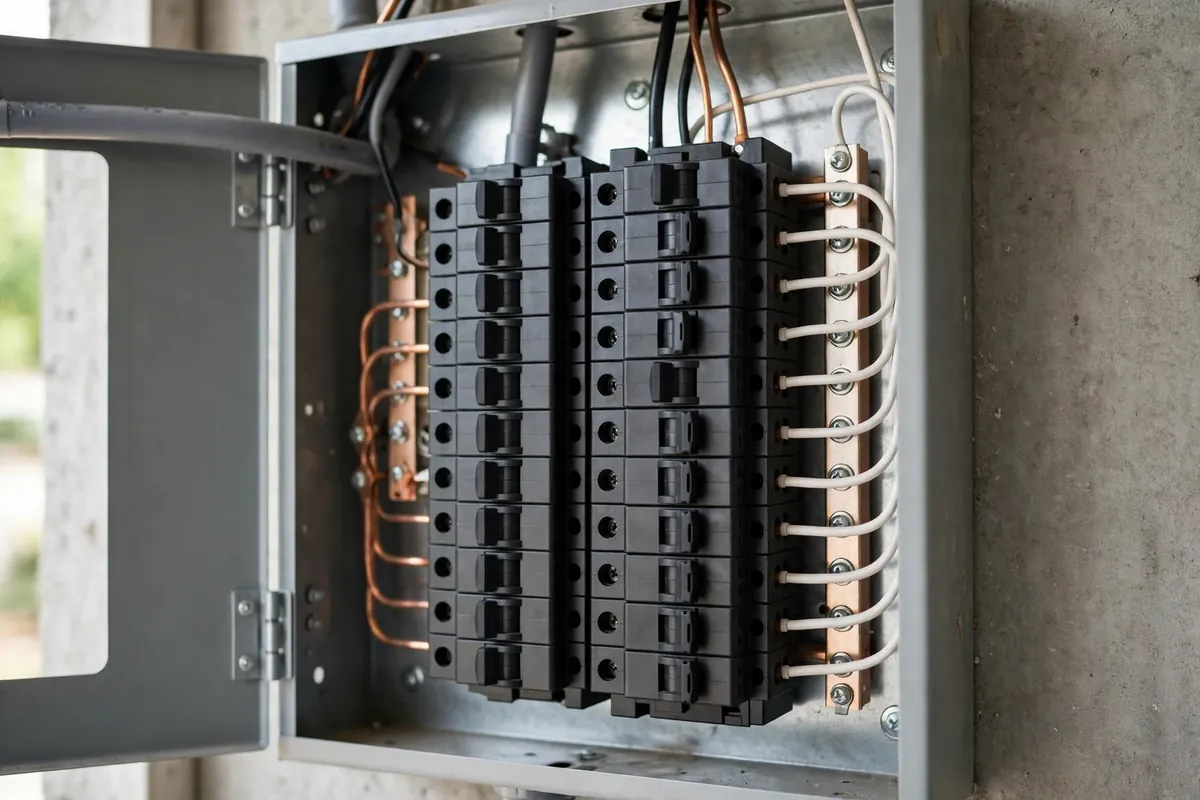
- A subpanel. When the main panel is full of breakers but has capacity to spare, a subpanel adds breaker space without replacing the service.
- Load-management devices. These are the clever option: a current sensor on your main feed watches total home demand in real time and throttles the EV charger when the house needs the power (say, when the AC and dryer run together), then ramps it back up when demand drops. The charger effectively borrows capacity that's idle overnight. This can avoid a service upgrade entirely in borderline cases.
- Circuit sharing with interlocks. In some setups, the EV charger can share a circuit with another large load (like a dryer) via a listed switching device that ensures only one runs at a time.
A good installer walks this ladder from simplest to most involved — and shows you the load calculation behind the recommendation.
6. What a Panel Upgrade Involves (When You Truly Need One)
When the math genuinely doesn't work — typically a maxed-out 100-amp service with all-electric appliances — a service upgrade means:
- New panel (usually 200-amp) with modern breakers and room to grow
- Possibly a new service drop from the utility (overhead or underground feed sized for 200 amps)
- Utility coordination — the power company may need to schedule the service-line work
- Permit and inspection, like any major electrical work
- Power outage during the cutover — usually a few hours, scheduled in advance
It's a bigger project than a charger install alone, and it's worth bundling: if you're upgrading the panel for the EV charger, having the same electrician do both keeps the permit, inspection, and scheduling in one job. See our EV panel upgrade service page for the full picture.
7. Future-Proofing: Thinking Beyond Today's Car
If you're touching the panel at all, think one step ahead:
- Two-EV households are increasingly common. A panel with room for a second EV circuit — or chargers with power sharing — saves a repeat project later.
- 60-amp EV circuits (for 48-amp charging) need heavier wire than 50-amp circuits. If walls are open, running the heavier wire now is smart insurance.
- Solar and battery plans interact with panel capacity too. If rooftop solar is in your future, mention it during the assessment — the electrician can plan for it.
The most economical panel work is the panel work you only do once.
8. The Orlando Angle: Older Homes, Real Answers
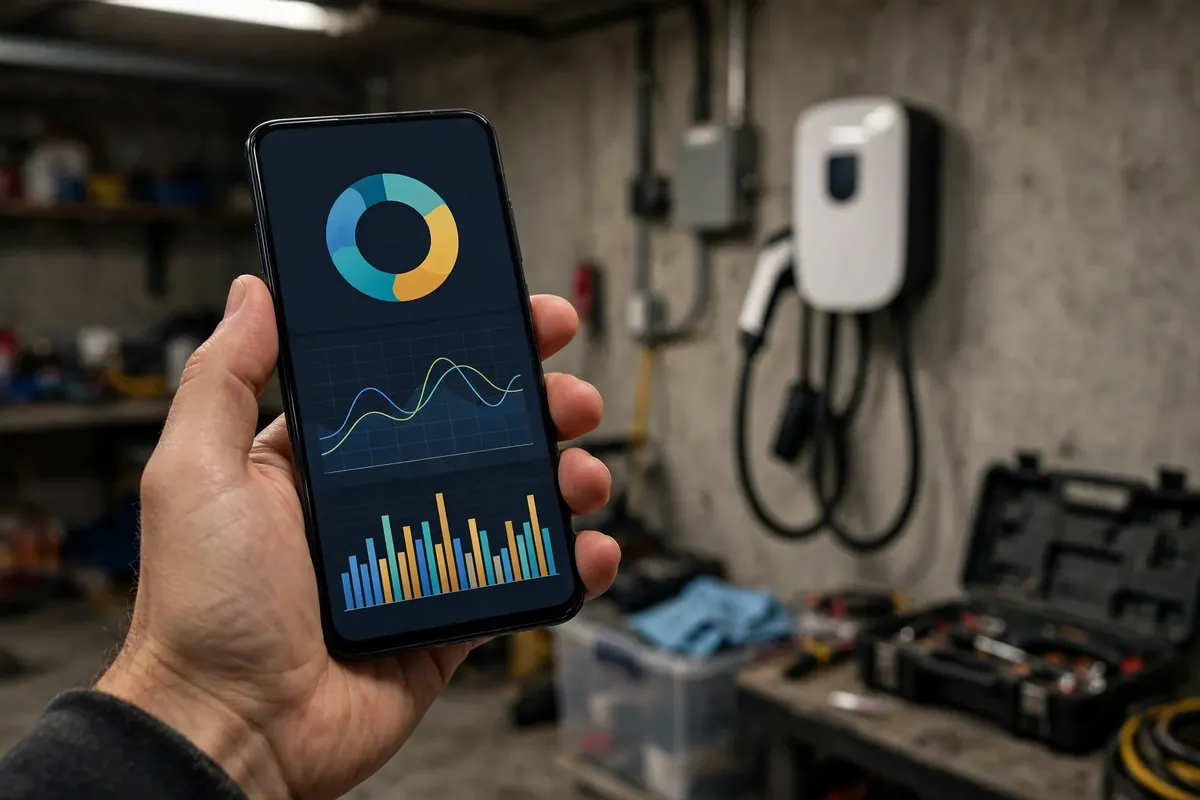
Much of Orlando's housing stock — Winter Park bungalows, College Park ranch homes, older Apopka and Kissimmee properties — was built with 100-amp services that have served fine for decades. EVs are the first appliance in a generation to challenge that.
The good news from local installer experience: a large share of these homes can take a Level 2 charger without a full upgrade — via a right-sized circuit, a subpanel, or load management. The bad news: nobody can tell you which group your home falls in without the load calculation. That's a site visit, not a phone guess.
Key Takeaways
- A panel upgrade is sometimes needed, often not — the NEC load calculation gives the real answer, not opinions.
- 200-amp panels usually accept Level 2 charging easily; 100-amp panels need the math checked.
- Alternatives to full upgrades: smaller EV circuits, subpanels, and load-management devices that share capacity intelligently.
- Warning signs: full panel, frequent tripping, 100A service with all-electric appliances, flickering lights.
- If you do upgrade, bundle it with the charger install and think about two EVs and solar while the walls are open.
Can I install a Level 2 charger on a 100-amp panel?
Often yes. It depends on what the rest of the house uses — a 100-amp panel with gas appliances and modest loads frequently has room for a 40-amp EV circuit. A 100-amp panel with electric heat, electric water heater, and central AC may not. Only a load calculation gives the real answer.
What size breaker does an EV charger need?
It follows the NEC 80% continuous-load rule: the breaker must be rated at least 125% of the charger's current. A 32-amp charger needs a 40-amp breaker, a 40-amp charger needs a 50-amp breaker, and a 48-amp charger needs a 60-amp breaker. Your installer sizes this from the charger you choose.
What is a load calculation, and how does an electrician do one?
It's the NEC's standardized formula for estimating a home's peak electrical demand: square-footage-based general loads, plus each major appliance at rated draw with code-specified demand factors, plus the EV charger at full current (continuous load). If the total is under the panel's rating, the charger fits. Ask your installer to show you the numbers.
What are load-management devices — can they help me avoid a panel upgrade?
Yes, in borderline cases. A load-management device monitors your home's total current in real time and automatically throttles the EV charger when the house needs the power, then restores full charging when demand drops. It's often far less involved than a full service upgrade — ask your installer if your situation qualifies.
What are the warning signs my panel can't support EV charging?
The honest answer is "get a load calculation." As a rough guide: 200-amp panels usually can; 100-amp panels sometimes can. Factors include your major appliances, open breaker slots, and panel age. A site survey answers it definitively — which is exactly what the survey is for.
How much will home EV charging add to my electric bill?
It depends on how much you drive and when you charge — but scheduled overnight charging on off-peak rates keeps the added usage as low as possible. Most drivers find home charging far less per mile than public fast charging. Check with your utility (FPL, OUC, or Duke Energy) about EV or time-of-use rate options.
Related Posts
- What to Expect During EV Charger Installation in Orlando
- Level 1 vs Level 2 vs Level 3 EV Charging Explained
- Orlando EV Charger Permit Guide
Wondering about your panel? Get a real load calculation, not a guess: Call Now
Sources: NEC Article 220 load calculation method and 80% continuous-load rule; Mike Holt and ElectricianTalk pro forum discussions on 100A panels and load management; Tesla Motors Club and Macheforum owner threads on panel capacity; ChargeOrlando/Facebook installer notes on older Orlando 100A panels; AnswerThePublic-style PAA research on panel upgrade questions.