TL;DR
Problem: Most Orlando homeowners booking an EV charger installation have never done it before — and get surprised mid-job by a full electrical panel, a long wire run across the house, or an HOA approval nobody mentioned.
Solution: A professional installation follows the same five steps every time: site survey, panel assessment with a load calculation, permitting, installation day, and final inspection with charger commissioning. Know the sequence and there are no surprises.
When to call: Call before you buy the charger. A quick site survey tells you exactly what your home can support, so you order the right unit the first time instead of the wrong one.
Quick Answer
EV charger installation in Orlando usually follows five steps: a site survey, an electrical panel assessment that includes a load calculation, pulling a city or county permit, the installation itself (most homes are finished in a single day), and a final inspection plus charger commissioning. From first call to first charge, the whole process commonly takes one to three weeks, with the permit accounting for most of the wait.
1. Step One: The Site Survey
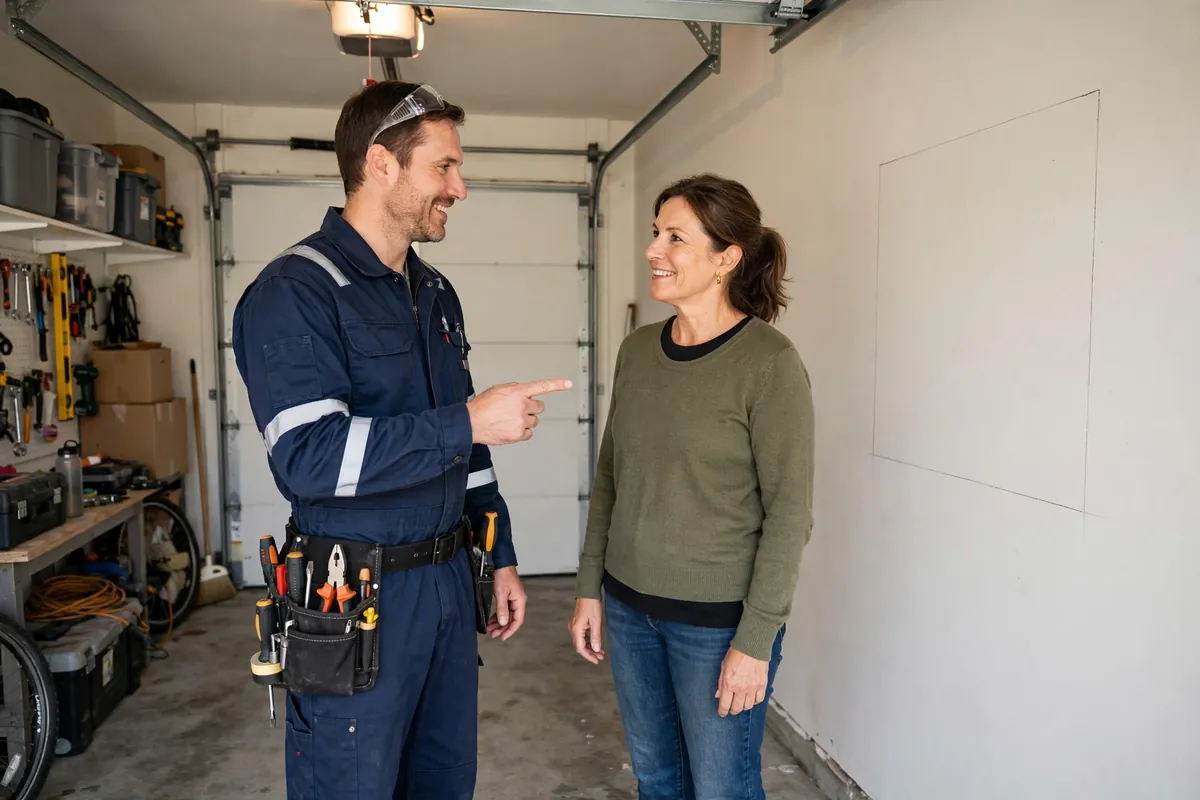
Every good installation starts with someone looking at your actual home — not a guess made over the phone. During a site survey, the installer checks where your electrical panel is, where you want the charger mounted, and how far apart those two points are. That distance matters more than almost anything else, because wire has to run between them, and the route (through an attic, along a garage wall, under a driveway) shapes the whole plan.
The installer also notes which panel you have, how many breaker slots are open, and whether the panel is inside the garage or on an exterior wall. Many Orlando homes have the panel in the garage, which keeps things simple. Homes where the panel sits on the far side of the house need a longer conversation about the wire route.
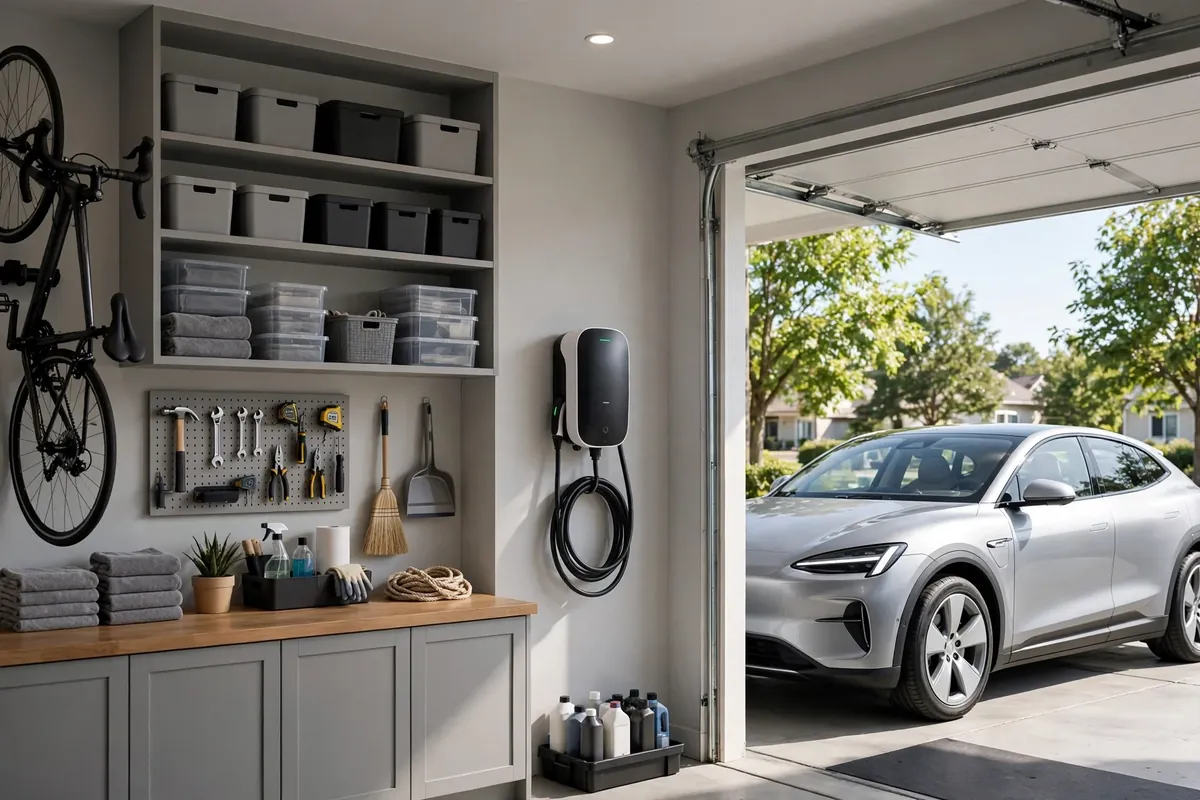
This is also when you should talk about where you park. The charger cable needs to reach your car's charge port comfortably, and the unit itself should sit somewhere shaded from direct afternoon sun if it will live outdoors — Florida heat and UV are hard on electronics over time.
2. Step Two: The Panel Assessment and Load Calculation
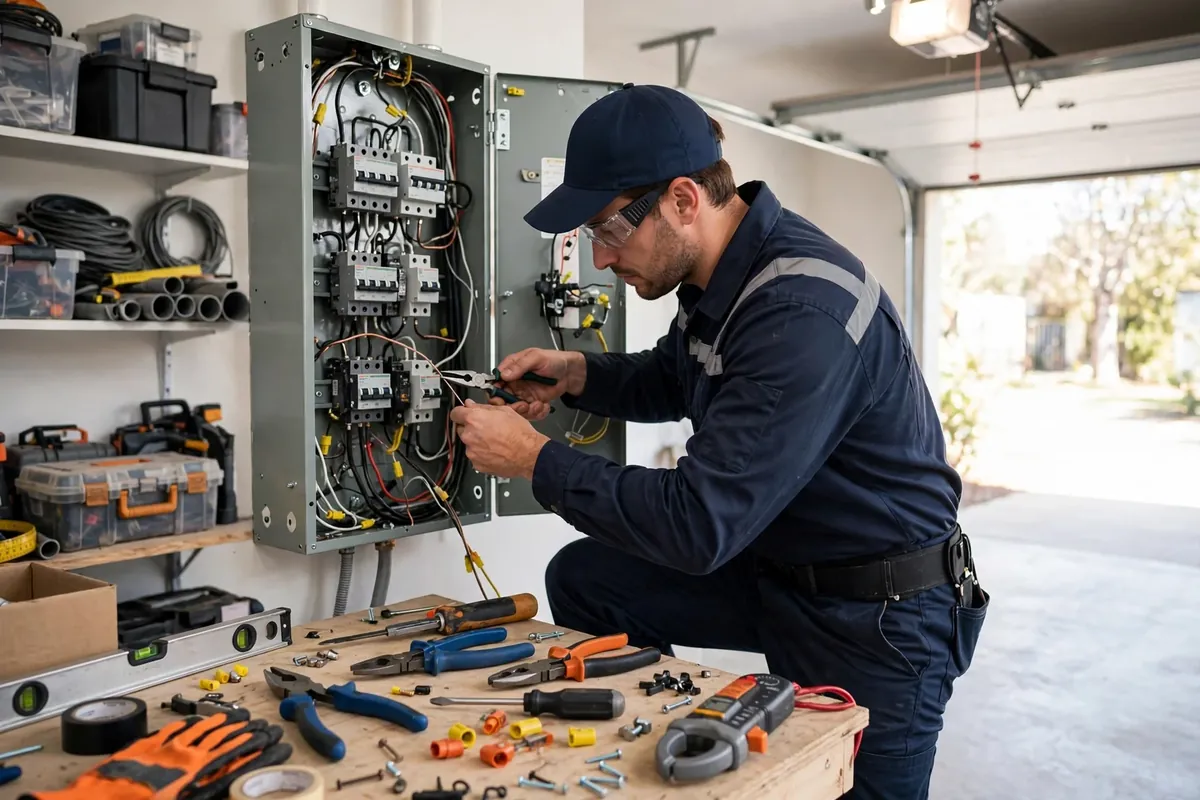
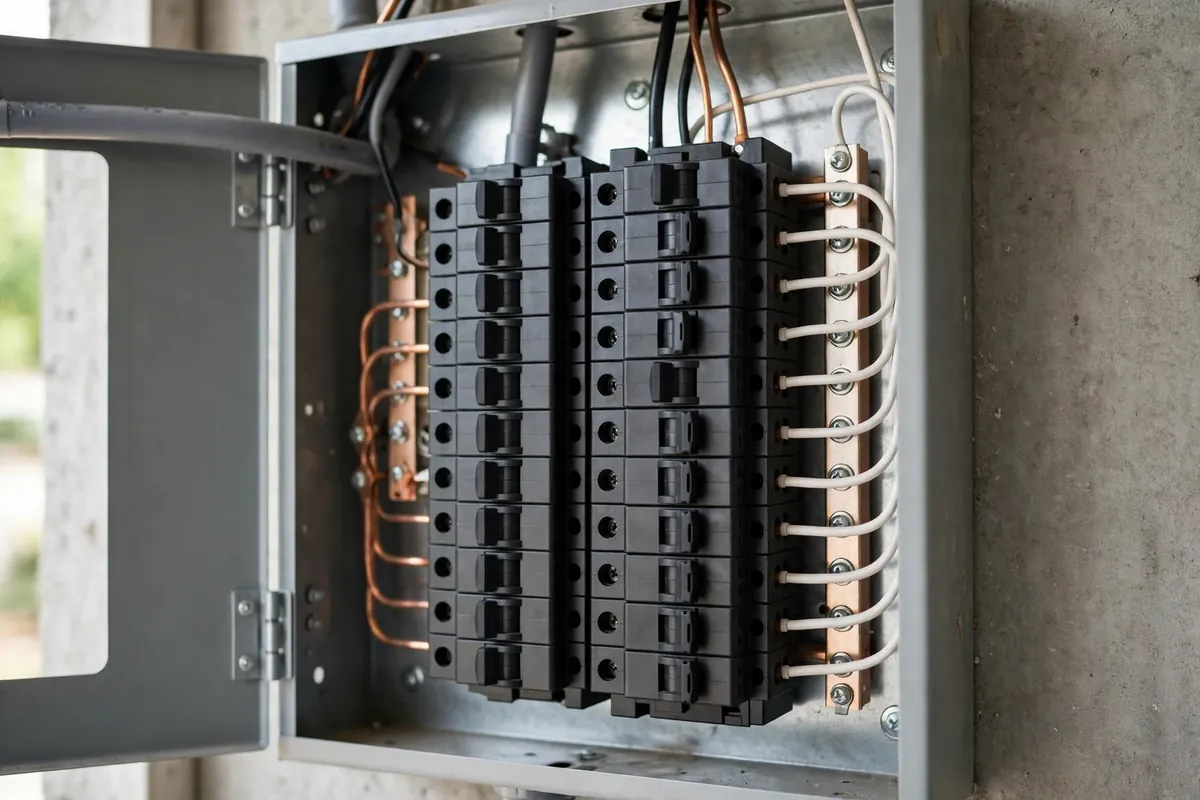
Before anyone quotes the job, a competent installer runs a load calculation. This is a standardized NEC (National Electrical Code) math exercise that adds up everything your home's electrical service already supports — air conditioning, water heater, stove, dryer, pool equipment — and then checks whether there is room left for a 40- or 60-amp EV circuit.
This step is the difference between a quote you can trust and a guess. As one Orlando-area installer puts it: run the load calculation before quoting, so nobody pays for a service upgrade they do not need. If the math shows your panel has capacity, a Level 2 charger can usually go on your existing service. If the math shows the panel is maxed out, you will hear about a panel upgrade or a load-management device that lets the charger share capacity with another large load.
Ask directly: "Did you run a load calculation?" If the answer is vague, get a second opinion. Five electricians can have five different answers about what is safe — the load calc is what turns opinions into facts.
3. Step Three: Permits and Paperwork
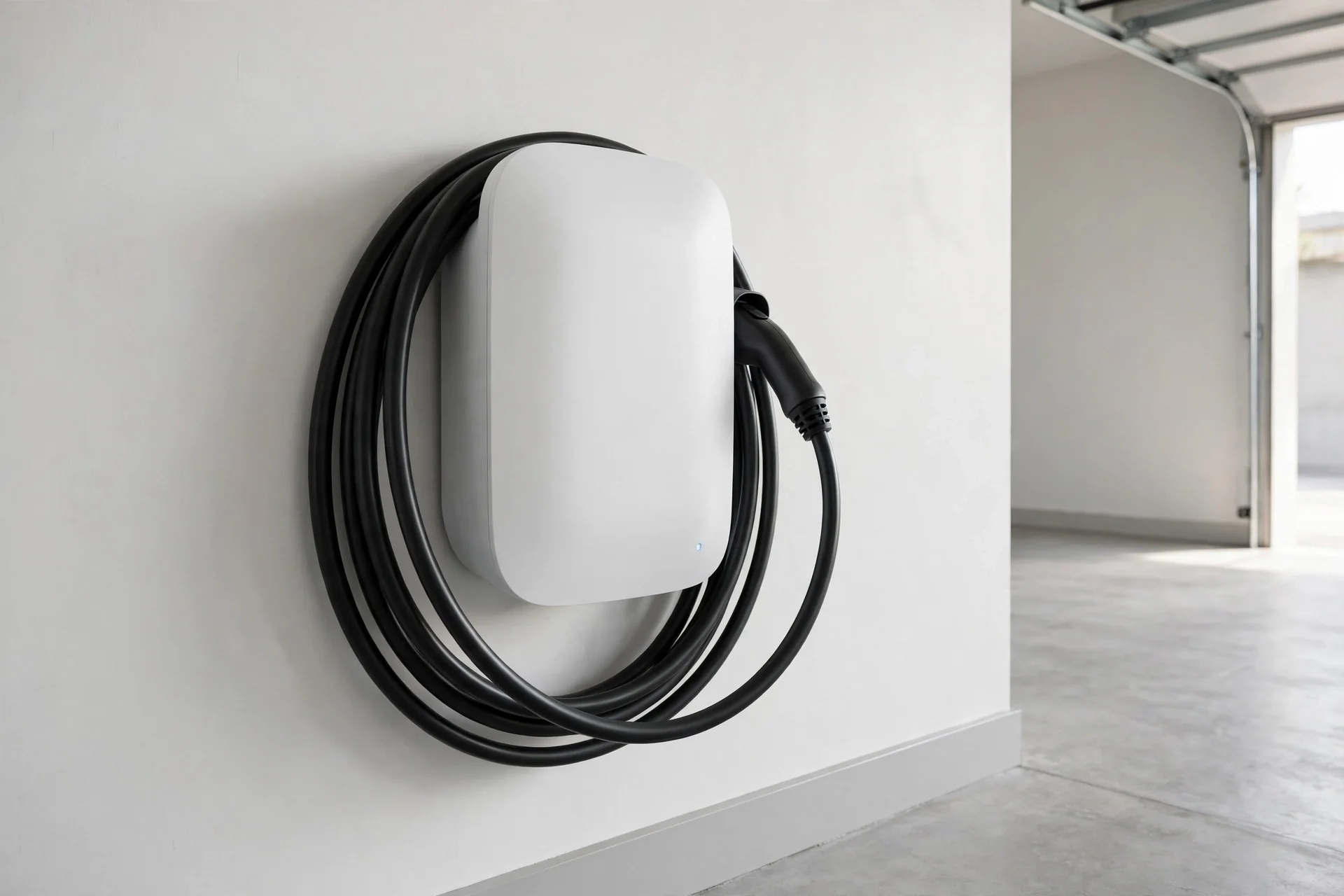
In the City of Orlando and most surrounding jurisdictions, a hardwired Level 2 EV charger needs an electrical permit. Permit fees are modest, and the process is straightforward: the installer (or you, but usually the installer) submits the application with the scope of work, the city reviews it, and the work is scheduled.
Permit review in Orlando typically takes a few business days, though it can stretch longer during busy periods. Your installer should handle the submission and be present for the final inspection. This is one of the easiest ways to judge an installer: if someone tells you a permit "isn't required" for a hardwired Level 2 charger, that contradicts local rules — and unpermitted electrical work can create real problems with a future home-insurance claim.
Read our full Orlando EV charger permit guide for the details on when permits are needed and how the timeline works.
4. Step Four: Installation Day
On installation day, expect the power to be off for part of the job while the new circuit is tied in. A straightforward installation — panel in the garage, charger on the same wall — is often finished in a few hours. More involved jobs (long wire runs, subpanels, trenching to a detached garage or carport) take a full day.
Here is what the installer actually does:
- Mounts the charger bracket on the wall at the agreed location
- Runs wire from your panel to the charger, either inside the wall, through the attic, or in surface-mounted conduit
- Installs the correct breaker in your panel and lands the circuit
- Wires the charger itself (hardwired) or installs the NEMA 14-50 receptacle (plug-in)
- Labels the new breaker in your panel directory
Good installers protect your floors, patch what they open, and clean up before they leave. If you have a smart charger, they should also connect it to your home WiFi and walk you through the app basics. Don't use an extension cord with an EV charger — ever. It is a safety warning repeated across every installer forum for good reason.
5. Step Five: Inspection and Commissioning
After the physical work is done, the city inspects it. The inspector checks that the wiring, breaker sizing, and mounting match the permit and the code. Once it passes, the installer "commissions" the charger: powering it up, confirming the amperage setting matches the circuit, and running a test charge with your car if it is home.
Commissioning matters more than people think. Many "slow charging" and "charger not powering on" complaints trace back to a charger whose internal amperage setting doesn't match the installed circuit — a five-minute fix during commissioning, a frustrating mystery afterward. Make sure your installer verifies the setting before they leave, and ask them to show you how to adjust the amperage in the app in case you ever need to.
6. What Can Change the Scope of the Job (and the Timeline)
Not every installation is a simple panel-to-garage run. These are the factors that turn a half-day job into a bigger project:
- Distance from panel to charger. This is the number-one scope driver. Wire runs through attics and walls are routine; trenching under a driveway or yard to reach a detached garage or carport is a different job entirely.
- Panel capacity. Older Orlando homes with 100-amp services may need a panel upgrade, a subpanel, or a load-management device before a Level 2 circuit can be added safely.
- Hardwired vs. plug-in. A hardwired charger connects directly to the circuit. A plug-in setup uses a NEMA 14-50 receptacle, which adds GFCI protection requirements under current code. Electricians increasingly recommend hardwired for Level 2 — two fewer points of failure.
- Amperage choice. A 48-amp charger needs a 60-amp breaker; a 40-amp charger needs a 50-amp breaker (the NEC 80% continuous-load rule). Higher amperage can mean heavier wire.
- Two EVs. Households with two electric cars can sometimes share one circuit with power-sharing chargers instead of running two full circuits.
- HOA or condo approval. If you park in a shared garage or your community has an architectural review process, get written approval before scheduling. Condo owners in Florida have specific legal protections — see our related post on apartments and condos.
7. How to Prepare Your Home Before Installation Day
A little prep makes installation day smoother:
- Clear the garage around the panel and the planned charger location. Move cars, boxes, and anything blocking wall access.
- Clear a path to the panel and make sure the installer can reach it easily.
- Have your WiFi password ready if you bought a smart charger — the installer needs it for setup.
- Send photos of your panel ahead of time. Many installers quote from panel photos; a clear shot of the panel with the door open, showing the breaker labels, saves a trip.
- Know your parking plan. Which side of the car is the charge port on? Where will you park every night? The charger goes where the car lives, not where the wall looks nicest.
- Be reachable. You don't always need to hover, but the installer will have questions during the day.
8. Questions Worth Asking Before You Book
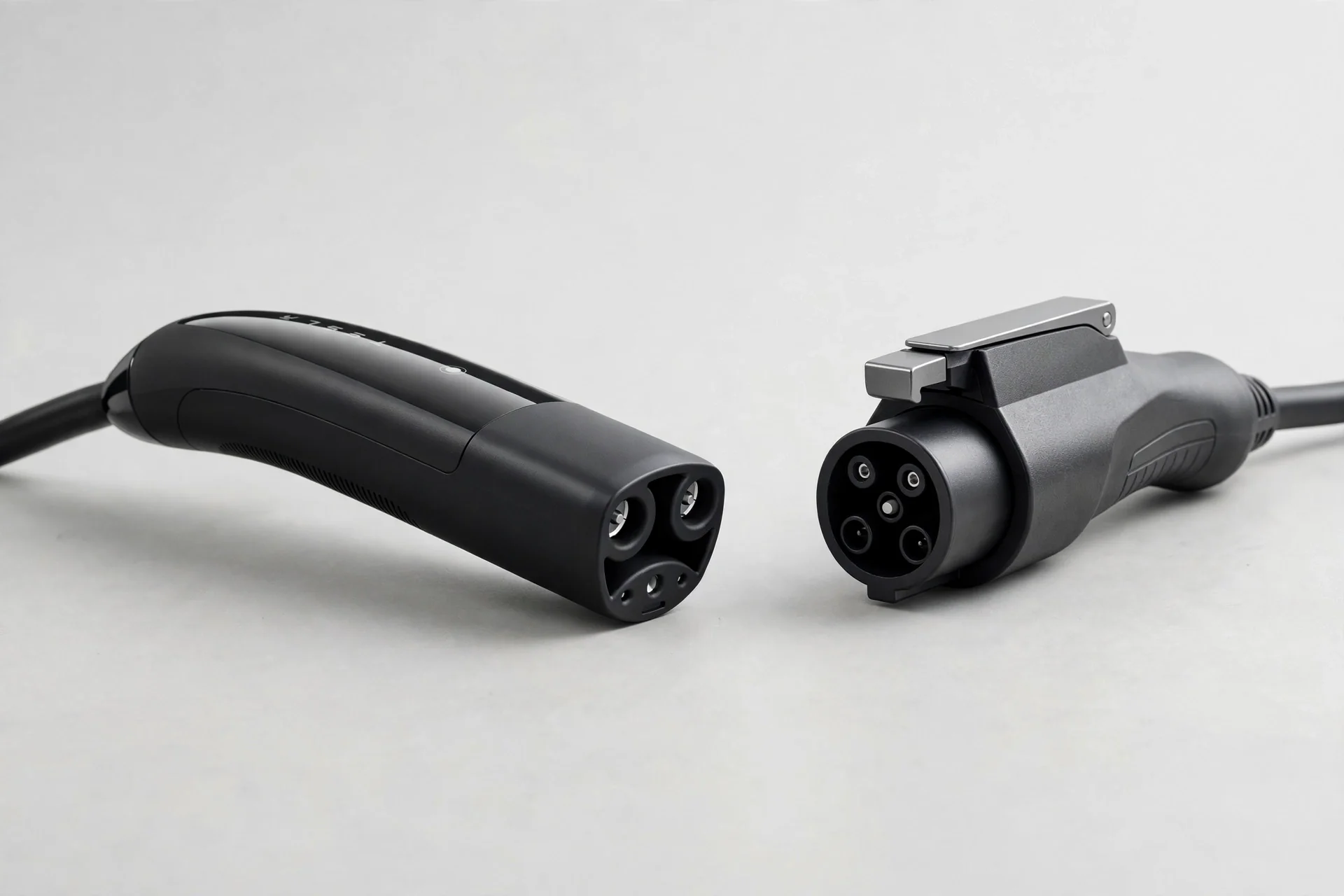
Borrow these from the real questions Orlando homeowners ask in local forums and Facebook groups:
- Are you a licensed electrician, and will you pull the permit?
- Will you run a load calculation before quoting the panel work?
- Hardwired or plug-in — which do you recommend for my setup, and why?
- What exactly is included: wire run, breaker, mounting, commissioning, drywall patching?
- What happens if the panel is full — what are my options?
- Will you connect the charger to my WiFi and set the correct amperage?
- Do you offer a warranty on the installation work itself?
- Can I send photos of my panel for an initial estimate?
The photo-quote question is worth asking twice. Local installers increasingly give initial estimates from panel photos — it is faster for everyone and it means the on-site visit is about confirming details, not starting from zero.
9. Red Flags That Mean "Keep Looking"
- A quote with no site visit or panel photos. Nobody can price an EV install blind.
- No mention of a load calculation. This is the core safety step; skipping it is a shortcut.
- "You don't need a permit." For a hardwired Level 2 charger in Orlando, you do.
- Upsell pressure on day one. If the first conversation jumps straight to a full panel replacement before anyone has done the math, slow down.
- Wildly inconsistent scopes. If three installers propose three completely different wiring routes, ask each one to explain why. The one who explains the reasoning is usually the one who thought it through.
Key Takeaways
- A proper EV charger installation has five steps: site survey, panel assessment with load calculation, permitting, installation day, and inspection plus commissioning.
- Most installations finish in a single day; permits account for most of the one-to-three-week total timeline.
- The load calculation is the step that separates a trustworthy quote from a guess — always ask for one.
- Hardwired Level 2 chargers need a permit in Orlando; unpermitted work risks insurance problems later.
- Send panel photos for faster, more accurate initial estimates.
How long does EV charger installation take from start to finish?
The physical installation usually takes a few hours to a full day, depending on the wire run and whether panel work is needed. The full process — site survey, permit approval, installation, and inspection — commonly takes one to three weeks in Orlando, with the permit review being the longest single stage.
What does an electrician check before installing an EV charger?
Panel capacity and open breaker slots, the results of an NEC load calculation, the distance and route from the panel to the charger location, whether the charger will be hardwired or plugged in, WiFi signal strength for smart chargers, and mounting location relative to where you park.
What can I safely do myself before the electrician arrives?
Electrical work in Florida must be done by a licensed electrician, and a hardwired Level 2 charger requires a permit and inspection. A plug-in charger on an existing, properly wired 240V receptacle is a different story — but adding a new 240V circuit is not a DIY job. When in doubt, hire a professional.
Will the installation require cutting into my walls or drywall?
Sometimes, but often not. If the charger mounts on the same wall as the panel, the wire run may need no wall openings at all. Longer runs through finished walls or attics can require small openings, which a good installer patches and closes. Ask about drywall work during the site survey.
What if my electrical panel is on the opposite side of the house from my garage?
The installer will plan a wire route — through the attic, along exterior walls in conduit, or underground if needed. Longer runs are routine for experienced installers, though they do increase the scope of the job. This is exactly the kind of thing a site survey (or panel photos) reveals early.
Do I need to be home while the charger is installed?
Usually yes, at least at the start and end. The installer needs access to the panel and garage, your WiFi password for smart charger setup, and your car for the test charge. Many homeowners stay for the first hour and return for commissioning.
Related Posts
- Level 1 vs Level 2 vs Level 3 EV Charging Explained
- Do You Need a Panel Upgrade for an EV Charger?
- Orlando EV Charger Permit Guide
Ready to get started? Call now to schedule your site survey: Call Now
Sources: Tesla Motors Club Orlando-area installer threads; ElectricianTalk professional forum guidance on hardwired vs. receptacle installs; Reddit r/evcharging homeowner experiences; City of Orlando permitting process; AnswerThePublic-style PAA research on installation questions.