Quick Answer
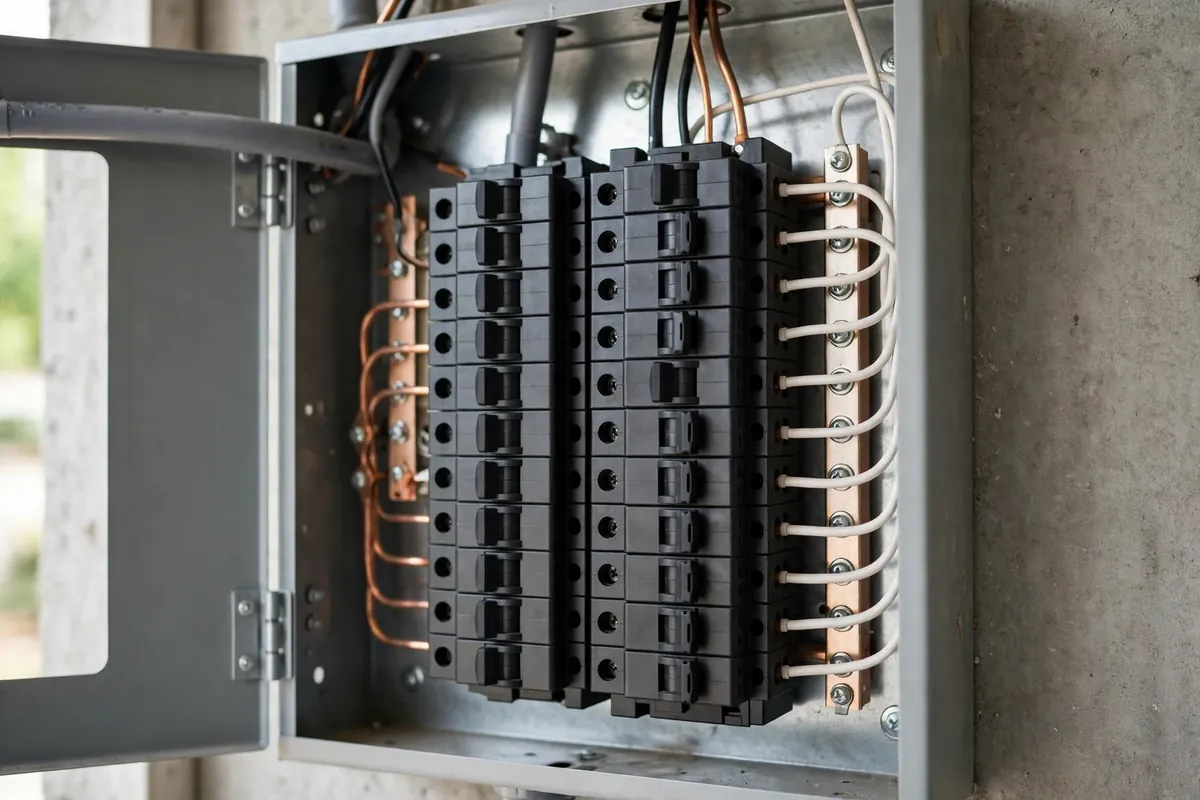
Yes, a home EV charger increases your household electricity use, because the energy that used to come from a gas pump now comes from your electrical panel. The size of the increase depends on your driving distance, your EV's efficiency, and your charging habits. Charging overnight during off-peak hours and using your charger's scheduling features are the most effective ways to keep the added usage modest.
1. The Honest Short Answer
Think of it this way: before your EV, you bought energy for your car at gas stations. Now you buy it from your electric utility. Your electric bill goes up, and your fuel spending goes down — the energy did not disappear, it moved from one bill to another. Whether the total works out in your favor depends on factors no article can calculate for you: your utility's rate structure, how much you drive, and what you were spending on fuel before.
What this article can do is explain every factor that moves the number, so there are no surprises.
2. How Home EV Charging Shows Up on Your Bill
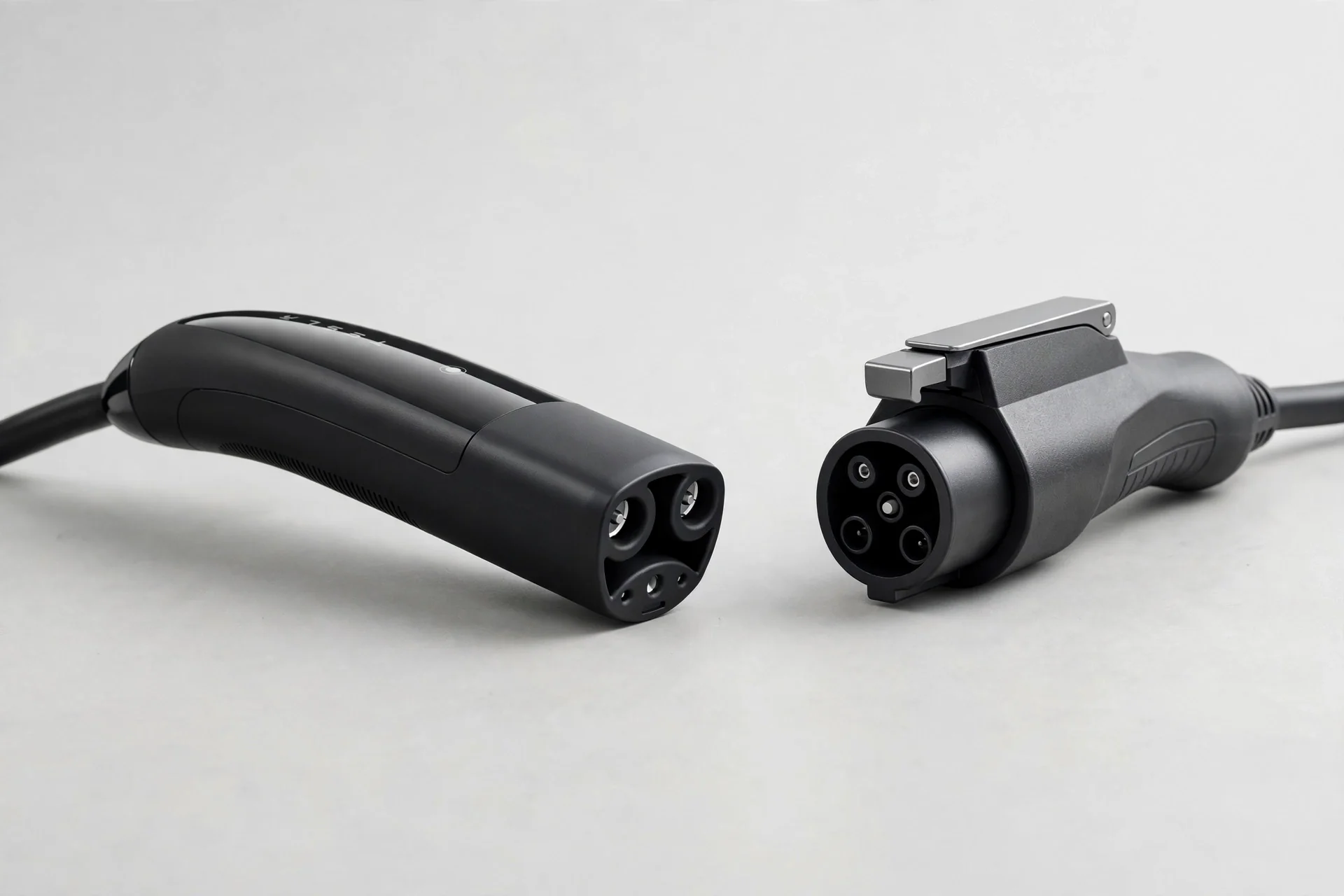
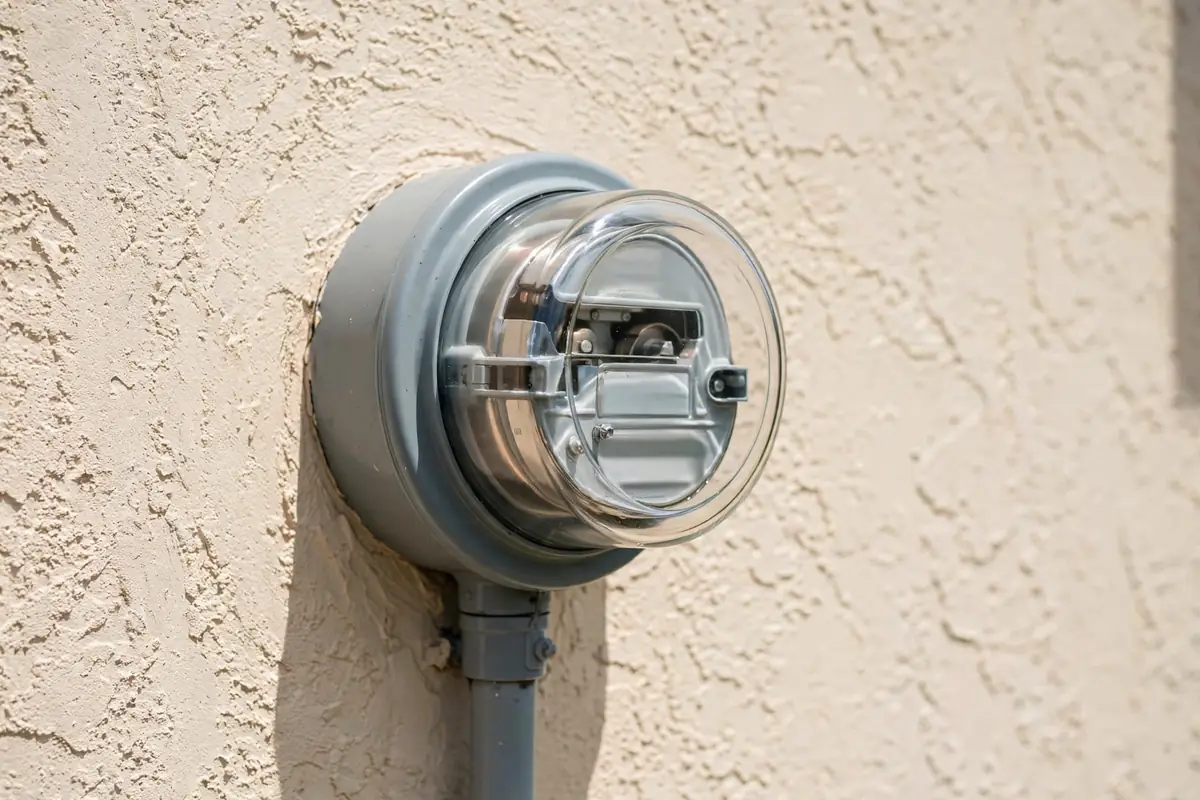
Your utility bills you for kilowatt-hours (kWh) — units of energy. An EV battery stores tens of kWh, and a full charge from empty moves a noticeable amount of energy through your meter. But you rarely charge from empty. Most owners plug in nightly and top up what they used that day, the same way you charge a phone.
A useful mental model: your EV becomes the largest single electrical load in many homes — bigger than the air conditioner on a mild day, though Florida air conditioning in August is formidable competition. The charger draws power for a few hours overnight, then stops. On your bill, that appears as higher total kWh for the month, concentrated in the hours you charge.
3. What Affects How Much Electricity Your EV Uses
Several factors decide how much energy your car pulls each month:
- How far you drive. This is the big one. A 20-mile daily commute and a 100-mile daily commute produce very different charging loads. Your bill impact scales almost directly with miles driven.
- Your vehicle's efficiency. EVs vary. A compact sedan sips electricity; a large electric truck or three-row SUV drinks more per mile. Check your car's efficiency rating (miles per kWh) — it is the EV equivalent of MPG.
- Battery size and charging habits. Larger batteries hold more energy, but you only replace what you use. Charging from 60% to 80% nightly uses far less energy than charging from 20% to 100%.
- Climate and air conditioning. Florida heat matters. Running the cabin A/C while driving uses battery energy, and battery thermal management systems work harder in extreme heat — both slightly increase how much energy each mile requires.
- Driving style. Aggressive acceleration and high highway speeds use more energy per mile, just like a gas car. Smooth driving stretches every kWh.
- Level 1 vs. Level 2 charging. Level 2 charging is slightly more efficient than Level 1 in practice, because the car's onboard systems run for fewer hours per charging session. The difference is modest, but it favors Level 2.
4. When You Charge Matters: Off-Peak Habits
This is the highest-leverage habit in the entire article. Many Florida utilities offer rate plans where electricity is priced differently depending on the time of day — lower overnight when demand is low, higher during afternoon peaks. Charging your EV at 2 AM instead of 6 PM can make a real difference under these plans.
How to do it:
- Use scheduled charging. Nearly every EV and every modern Level 2 charger lets you set charging hours. Tell the car or the charger to charge between, say, midnight and 6 AM, and it handles the rest automatically.
- Check your utility's rate options. Duke Energy, OUC, and FPL each have their own rate structures and time-of-use offerings in the Orlando area. Call your utility or check their website for the EV or time-of-use rate plans available at your address — the right plan depends on your household's overall usage pattern, not just the car.
- Precondition while plugged in. On hot Florida afternoons, cooling the cabin while still connected to the charger uses grid power instead of battery power, so you start your drive with a full battery.
- Avoid stacking big loads. If your rate plan penalizes peak demand, try not to run the EV charger at the same time as the electric dryer, oven, and pool pump during peak hours. Staggering heavy loads is a simple, free habit.
5. Smart Charger Features That Help
A basic charger delivers power; a smart charger helps you manage it. When choosing a unit, these features directly affect your bill:
- Scheduling. Set charging windows so the car only charges during off-peak hours, even if you plug in at 6 PM.
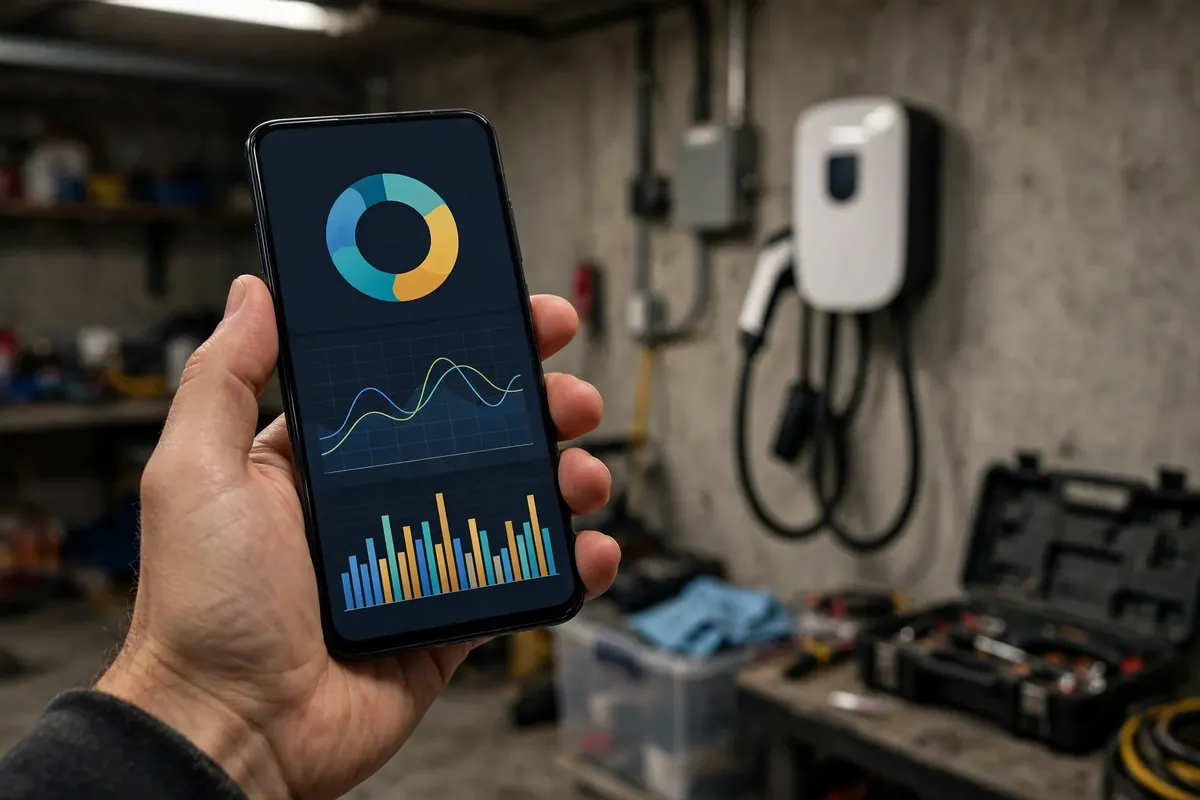
- Energy monitoring. See exactly how many kWh each charging session used, so you can connect your driving to your bill with real data.
- App control and alerts. Get notified if charging starts outside your scheduled window or if a session uses unusual amounts of energy.
- Load management. In homes with limited panel capacity, dynamic load management can pause or slow charging when the house's other loads peak — useful for both the panel and the bill.
These features are standard on most current Level 2 chargers and are worth prioritizing if bill awareness matters to you.
6. Home Charging vs. Public Fast Charging
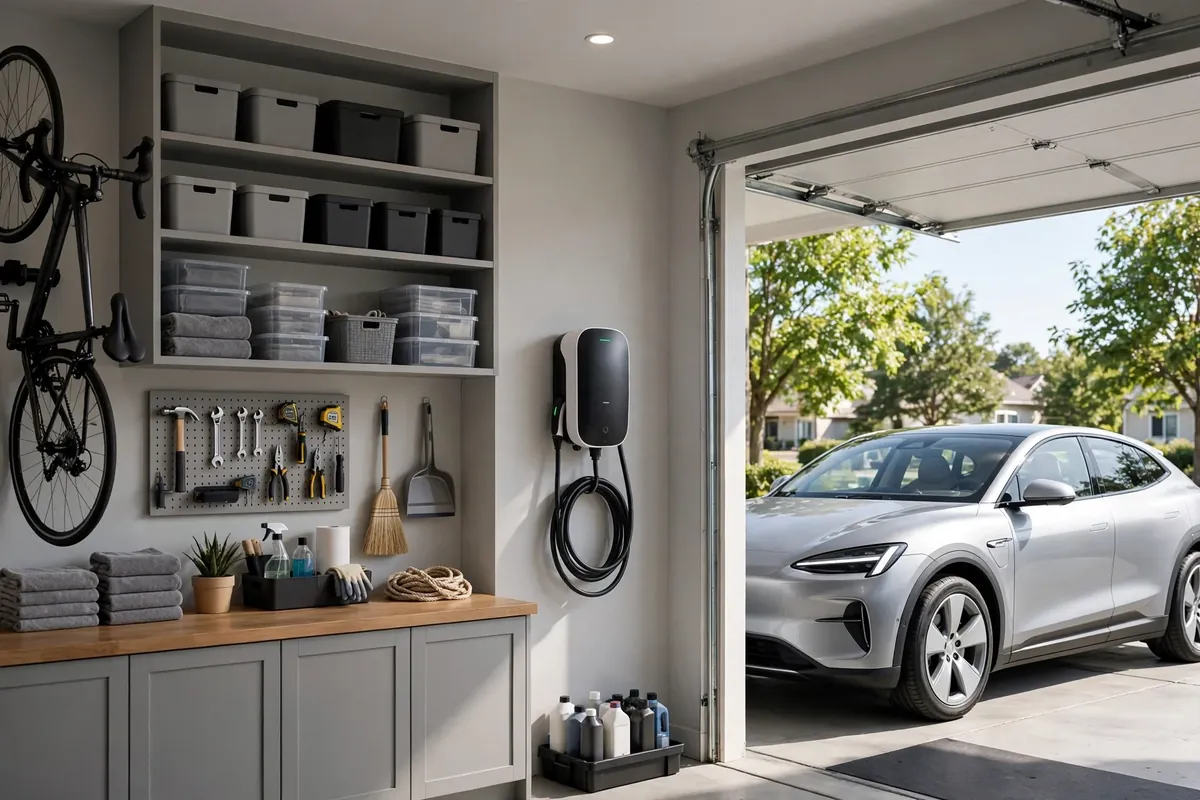
Many new owners wonder whether they even need a home charger, given the public fast chargers along I-4 and the Turnpike. For daily life, home charging wins on convenience alone: you plug in at night and wake up to a full battery, with no stops, no waiting, and no detours. Public fast charging is built for road trips — it gets you back on the highway in under an hour, which is exactly what you want 200 miles from home and exactly what you do not need in your own garage.
As a daily habit, home charging is also gentler on your battery than repeated fast charging, and it lets you take full advantage of overnight off-peak hours that public stations cannot offer. Most EV owners end up doing the large majority of their charging at home and reserving public chargers for longer trips.
7. Simple Habits That Keep Usage in Check
- Charge overnight on a schedule, every night — small daily top-ups are more efficient than occasional deep charges.
- Keep tires properly inflated; under-inflated tires measurably increase energy use per mile.
- Use your car's eco or efficiency driving mode for routine commuting.
- Precondition the cabin while plugged in during summer.
- Review your charger's energy reports monthly so you can spot unusual usage early.
- If your household has two EVs, stagger their charging windows rather than charging both at full power simultaneously.
For more on choosing the right equipment, see our Level 2 charger installation guide and residential EV charger installation page.
Key Takeaways
- A home EV charger adds to your electricity use — you are moving fuel spending from the gas pump to your electric bill.
- Miles driven is the dominant factor; vehicle efficiency, climate, and driving style shape the rest.
- Charging overnight during off-peak hours is the single most effective habit for keeping added usage modest.
- Check your utility's time-of-use or EV rate plans — Duke Energy, OUC, and FPL serve different parts of the Orlando area.
- Smart chargers with scheduling and energy monitoring make off-peak charging automatic.
- Home charging remains the most convenient daily routine; public fast chargers are for road trips.
Will a Level 2 charger raise my electric bill?
It will increase your household electricity usage, since the energy powering your car now flows through your home's meter. How noticeable the increase is depends on how far you drive and when you charge. Overnight charging on an off-peak-friendly rate plan keeps the added usage as low as possible.
What time of day should I charge my EV to keep usage efficient?
Overnight — typically between late evening and early morning — when overall grid demand is lowest. Most EVs and Level 2 chargers let you schedule charging windows, so you can plug in when you get home and have charging start automatically during off-peak hours.
What affects how much electricity my EV uses each month?
Daily miles driven (the biggest factor), your vehicle's efficiency rating, battery size, Florida heat and A/C use, driving style, and whether you charge on Level 1 or Level 2. Two identical EVs can have very different monthly usage if one is driven 30 miles a day and the other 90.
Does charging two EVs double the impact on my bill?
Roughly, yes — two cars driven similar distances use roughly twice the charging energy of one. The practical fix is staggering: schedule each car in its own overnight window so they are not both drawing full power at once, which also helps if your panel capacity is limited.
Is it better to charge a little every night or a lot once a week?
A little every night. Frequent shallow top-ups are gentler on the battery, keep you ready for unexpected trips, and spread the load across many off-peak windows. Letting the battery run low and then doing one long session concentrates the energy use and leaves you with less range during the week.
Do I need to tell my utility company that I installed an EV charger?
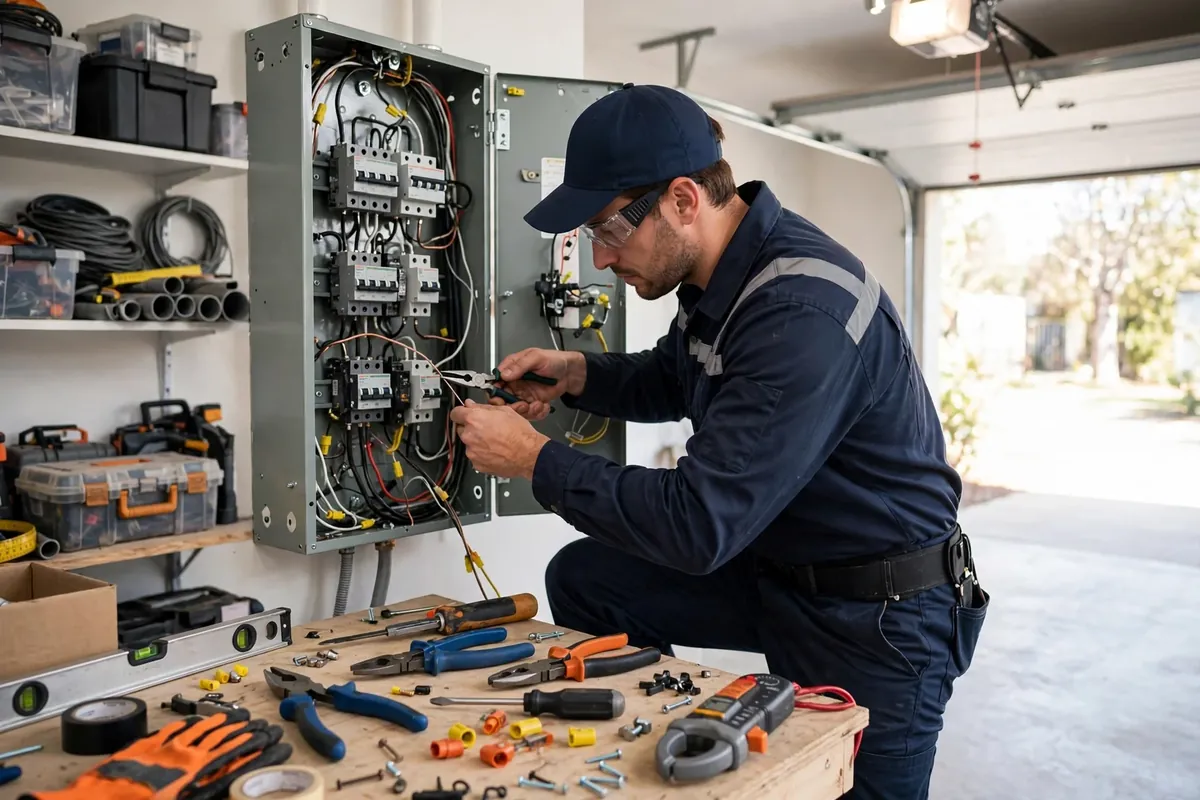
It is a good idea. Your utility can confirm your home is on the most suitable rate plan, flag any service or metering considerations, and tell you about EV-specific programs or time-of-use options at your address. A quick call before or after installation can prevent surprises.
Related Posts
- How Long Does EV Charger Installation Take?
- Can You Install a Level 2 Charger on a 100-Amp Panel?
- Florida EV Incentives and Rebates 2026
Want a charger that makes off-peak charging automatic? Call now at (407) 555-0100 — we install smart Level 2 chargers across Orlando with scheduling and energy monitoring built in.
Sources consulted: Florida utility time-of-use and EV rate program pages (Duke Energy, OUC, FPL); EV efficiency and charging-habit discussions (Tesla Motors Club, r/evcharging); smart charger feature documentation (ChargePoint, Tesla, Emporia).