What Is Fleet EV Charging Installation?
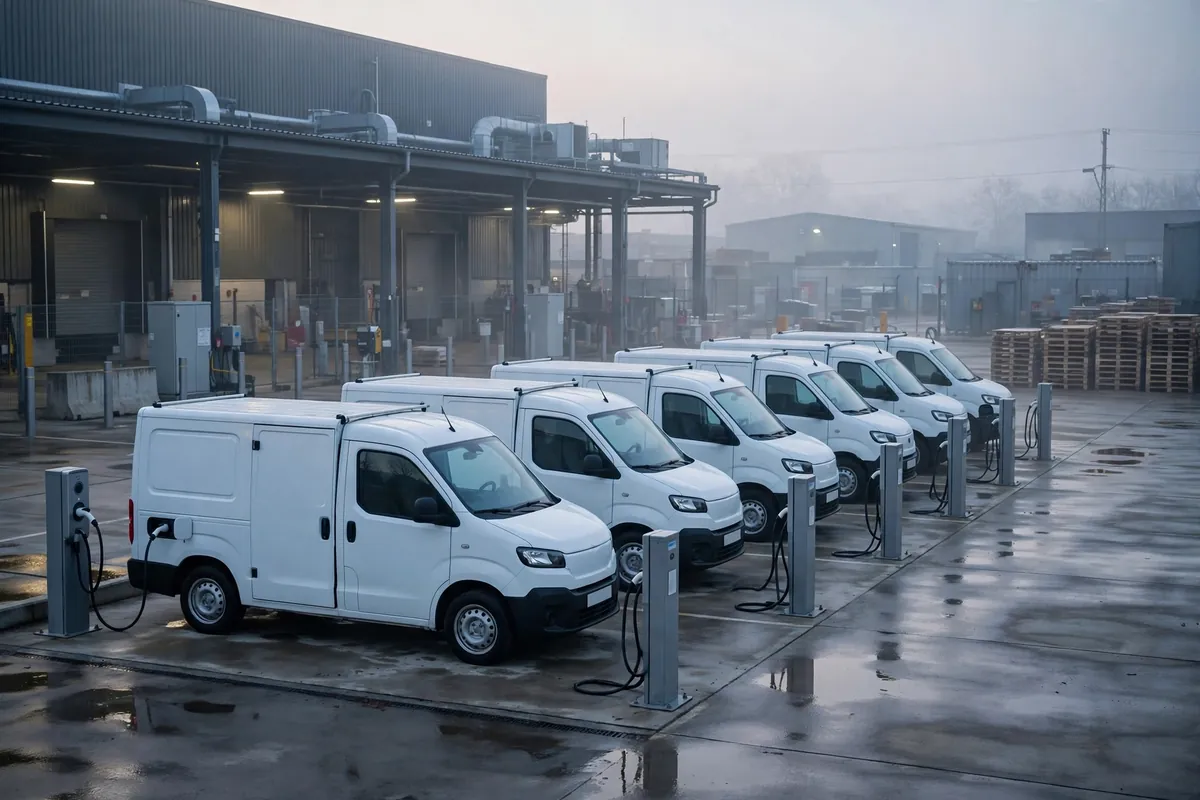
It's the electrical infrastructure that lets a business charge multiple EVs at its own facility: charging stations mounted in the depot lot or garage, wired from the building's service (or a new dedicated service), with the management layer fleets need — scheduled charging windows, per-vehicle usage tracking, driver access control, and load management that staggers or shares power so the whole fleet charges without tripping the building's service.
Fleet charging is an engineering exercise more than an electrical one. The questions that matter: how many vehicles, what battery sizes, what time they return, what time they dispatch, how many miles each route needs, and how much electrical capacity the site has. A last-mile delivery fleet that parks from 8 PM to 6 AM has ten quiet hours — Level 2 overnight charging covers it easily. A shuttle running back-to-back airport trips may need DC fast charging between runs. The design follows the duty cycle.
Public Charging Doesn't Scale for Fleets
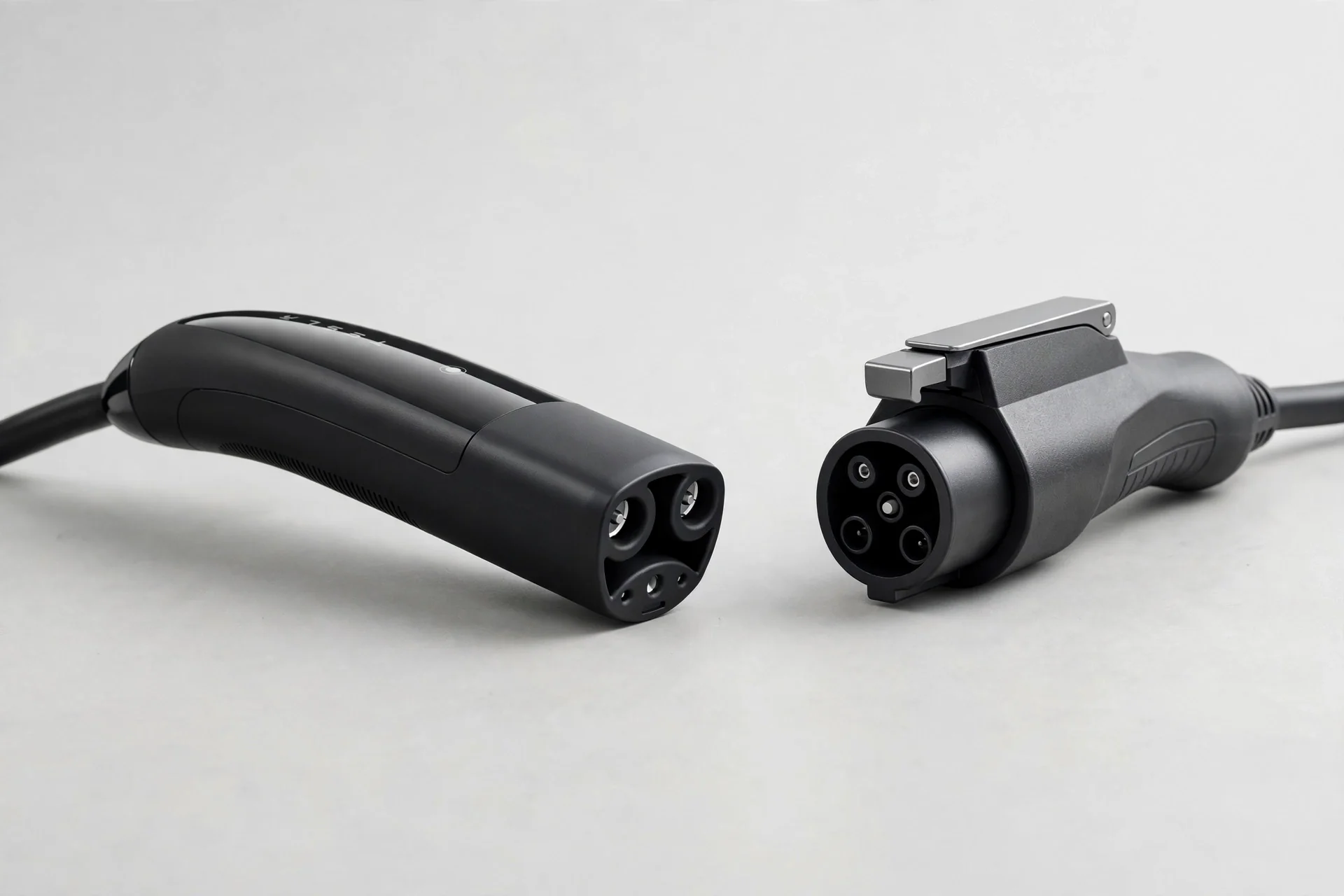
Run the numbers on a five-vehicle fleet using public fast chargers: drivers detouring off route, 30–45 minutes per session, higher per-kWh pricing than depot power, no assurance an open charger is waiting when the van arrives — and vehicles that still aren't reliably full at dispatch.
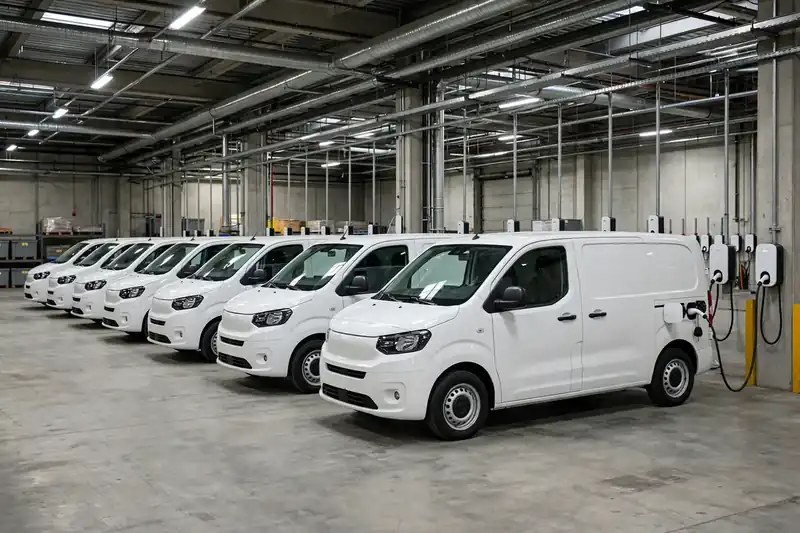
Depot charging flips the economics. The vehicles are parked for 8–12 hours anyway; that dwell time becomes charging time at overnight utility rates. Drivers plug in at end of shift and unplug at dispatch — no detours, no waiting, no mid-route surprises. And with scheduled charging, the whole fleet can charge in the overnight off-peak window without exceeding the site's electrical capacity.
The catch is infrastructure: a 10-vehicle depot on Level 2 can draw serious amperage if every charger runs full-bore simultaneously. That's where load management and proper service sizing come in — designed up front, not discovered during the first tripped main breaker.
A Depot Designed Around Your Routes
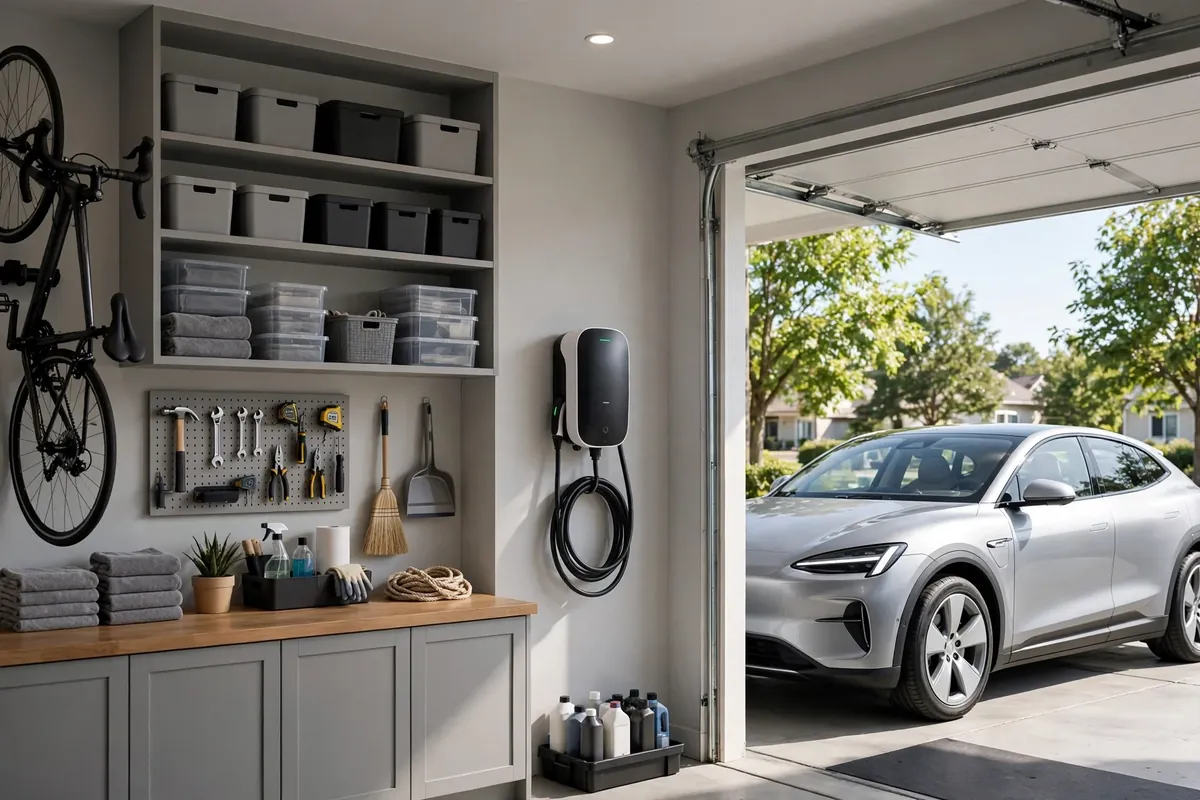
We design fleet charging from your duty cycle outward. Vehicle count, battery sizes, return and dispatch times, and required range per route determine the charger mix — usually Level 2 across the depot, with DC fast charging added only where turnaround times demand it. Load management sequences and shares power across stations so the fleet charges fully within the overnight window on your existing service wherever possible.
The layout plans for growth: conduit roughed in for future stations, panel space reserved, and a service sized for the fleet you'll have in three years, not just the two EVs arriving next month. Permitted, inspected, and commissioned with your fleet manager trained on the scheduling dashboard.
How It Works
1. Fleet and site assessment
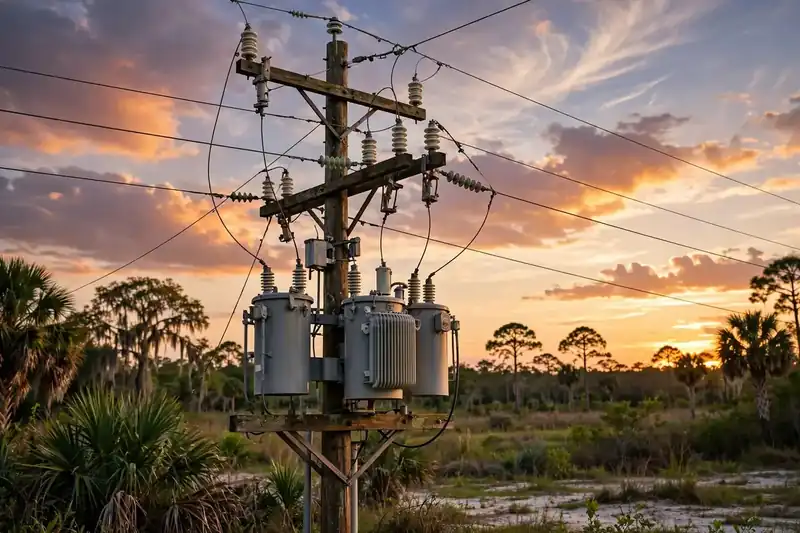
We document your vehicles, routes, dwell times, and dispatch schedule, then assess the site: electrical service capacity, parking layout, trenching routes, and lighting/security for overnight charging areas.
2. Charging system design
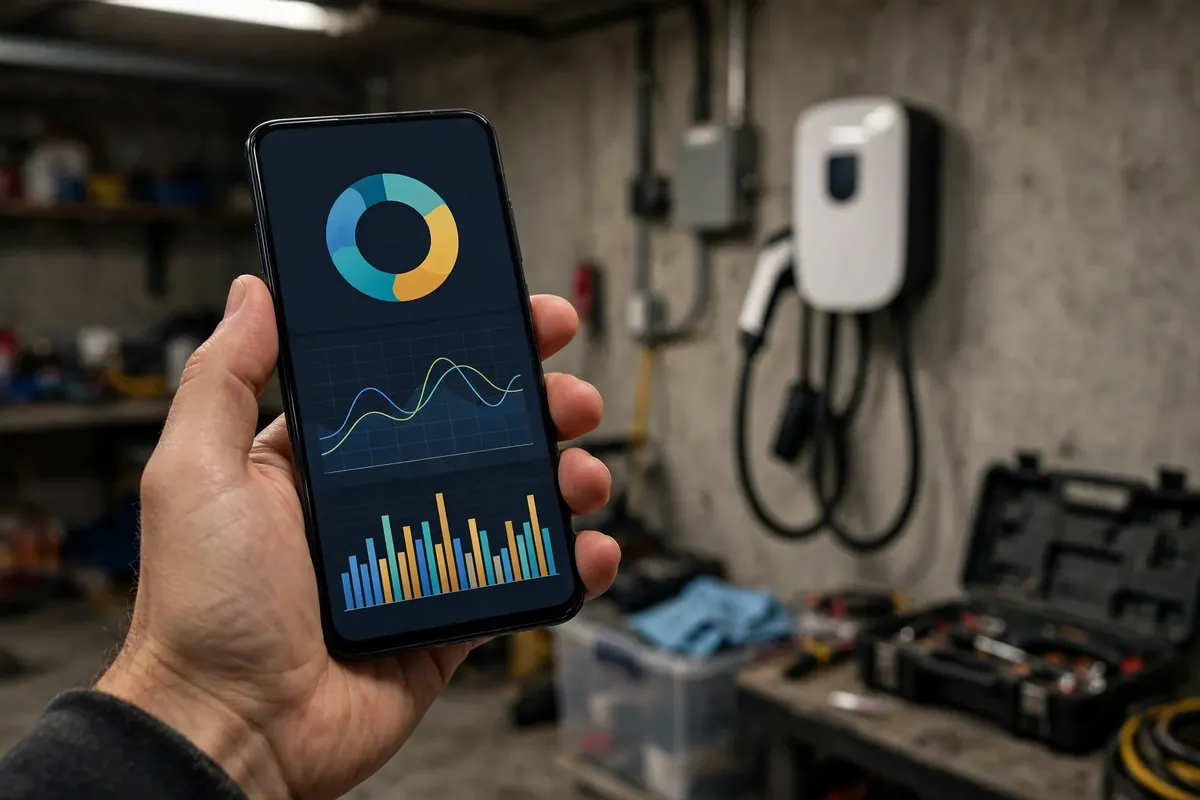
You get an engineered plan: charger count and mix (Level 2 vs. DC fast), circuit sizing, load-management strategy, scheduled charging windows aligned with off-peak rates, and phased growth capacity.
3. Permitted installation

Commercial permits pulled, conduit and trenching completed, pedestals or wall mounts set, disconnects installed, stations wired and networked. We coordinate around your operations to minimize disruption.
4. Commissioning and fleet-manager training
Every station tested under load, scheduling configured for your dispatch times, per-vehicle tracking set up, and your team trained on the management dashboard and basic troubleshooting.
Why Choose Us for Fleet Charging
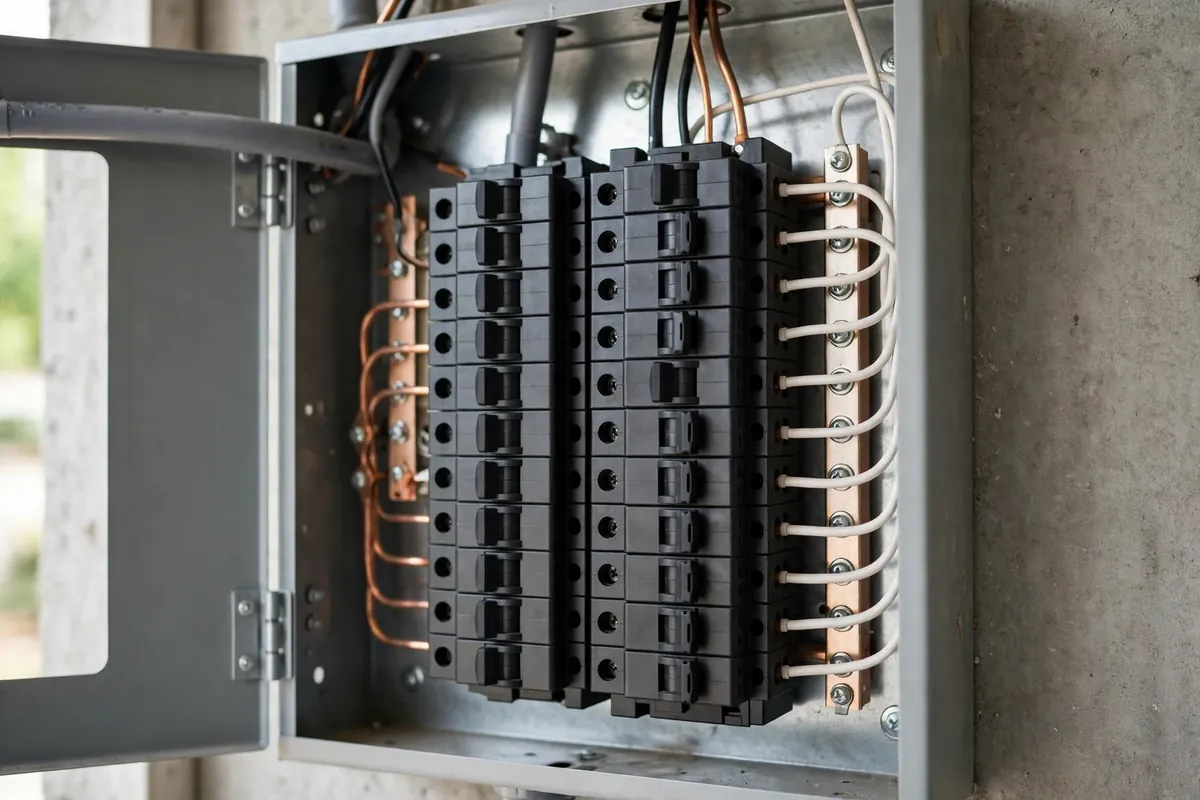
- Licensed commercial electricians experienced with multi-station EVSE layouts and load-management systems
- Duty-cycle-based design — the charger mix follows your routes and dwell times, not a one-size template
- Load calculation and power management — full overnight charging without oversizing your service
- Permits and utility coordination handled — commercial permits, inspections, and service upgrades where needed
- Orlando local expertise — depots, warehouses, and service businesses across Orange, Seminole, and Osceola counties
- Scalable infrastructure — conduit and capacity roughed in for the fleet you'll grow into
Fleet Charging Service Areas
Downtown Orlando 32801 · Winter Park 32789 · Altamonte Springs 32714 · Kissimmee 34741 · Lake Nona 32827 · Oviedo 32765 · Dr. Phillips 32819 · Windermere 34786
How many chargers does a fleet need?
Usually one port per vehicle for overnight depot charging — each vehicle gets its own station and charges during its dwell window. The exception is staggered shifts: if half the fleet runs days and half runs nights, fewer ports can serve more vehicles. Your routes and parking schedule determine the count, which is why the assessment comes before the design.
Can fleet chargers share one circuit?
Yes, with power-sharing and load management. Multiple stations on managed circuits dynamically split available power — when one vehicle tapers off near full, others get more. This is standard practice for overnight depot charging, where ten hours of dwell time means no vehicle needs full power all night. It dramatically reduces the electrical service the depot requires.
Do fleet vehicles need DC fast chargers, or is Level 2 enough?
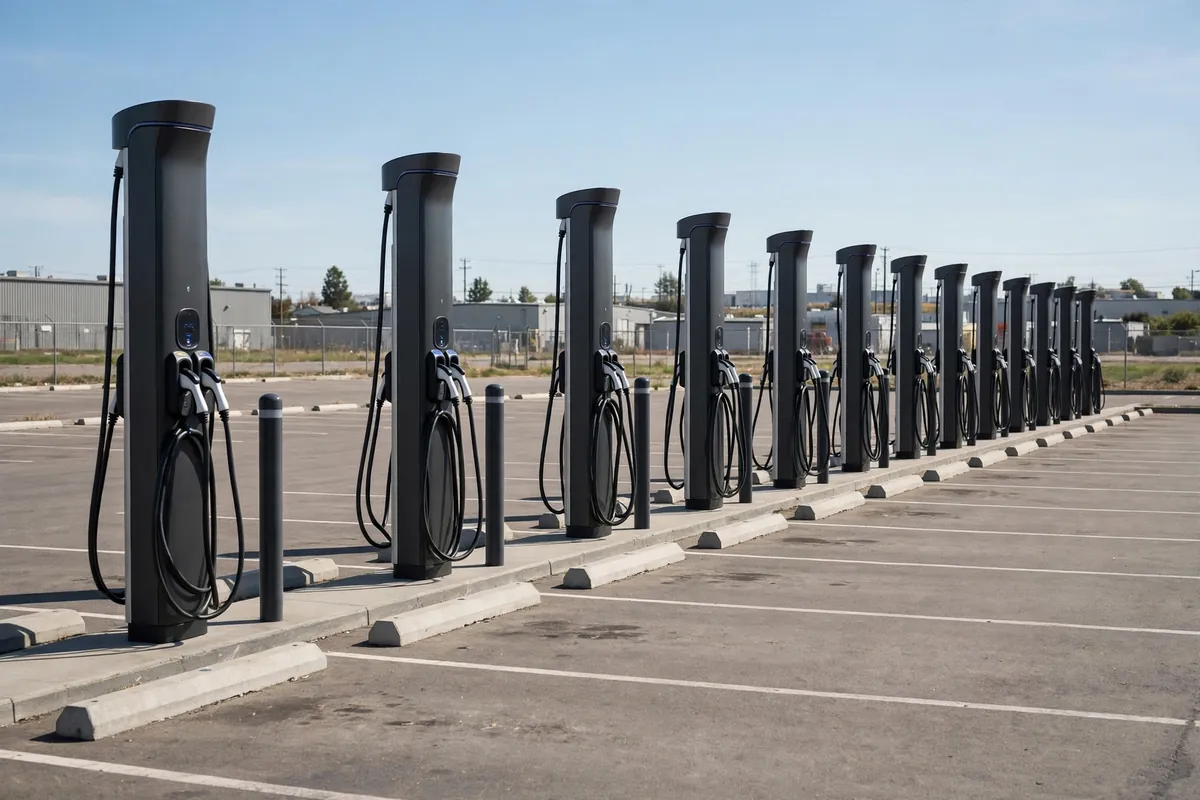
For most fleets, Level 2 is enough. Any vehicle parked 8+ hours overnight fully charges on Level 2 — that covers delivery vans, service trucks, and company cars on normal duty cycles. DC fast charging earns its place only where turnaround is tight: shuttles, airport runs, or multi-shift operations with under two hours between dispatches. We size the mix to your actual routes.
How do fleet charging stations handle scheduling and driver access?
Through the charging network's management software: each vehicle or driver gets an RFID card or app credential, charging windows are scheduled for off-peak hours, and the dashboard shows per-vehicle energy use, session history, and station status. Fleet managers see exactly which vehicles charged, when, and how much energy they used — useful for cost allocation across departments or clients.
Can fleet charging be paired with solar panels?
Yes, and Orlando's sun makes it worth considering. Solar can offset daytime charging loads and, paired with the right rate plan, reduce demand charges. The practical setup for most fleets is solar covering the facility's daytime load while vehicles charge overnight on off-peak grid power. We design the electrical side to accommodate solar integration now or later.
What does a fleet site assessment cover?
Five things: (1) your fleet's vehicles, battery sizes, and daily mileage; (2) return/dispatch times that define the charging window; (3) the site's electrical service size and spare capacity; (4) parking layout, trenching routes, and station mounting options; and (5) growth plans — how many EVs you expect in the next 2–3 years. The assessment output is a phased infrastructure plan, not just a quote.
Electrify Your Fleet the Right Way
Depot charging designed around your routes, your schedule, and your growth. Talk to a licensed electrician.
Back to EV Charger Installation Orlando