Quick Answer
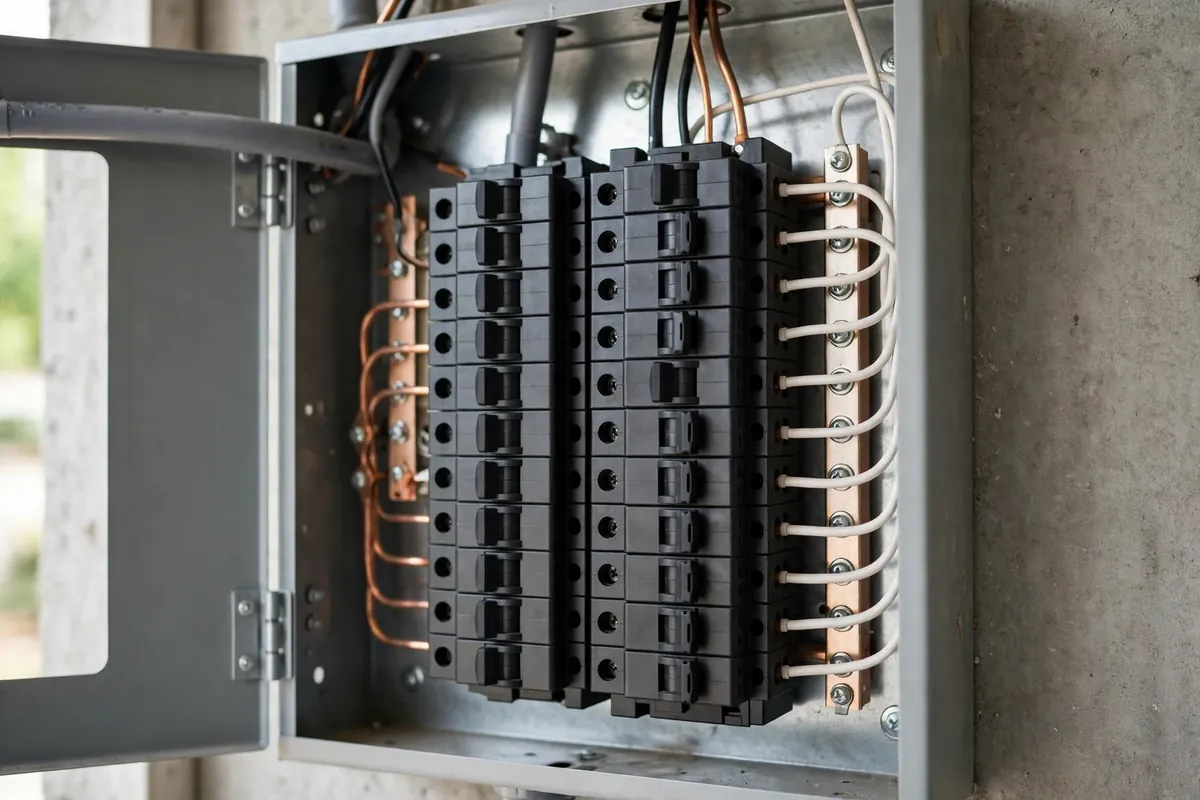
A 100-amp panel can support a Level 2 EV charger in many cases, but only a proper NEC load calculation can say for sure. The calculation adds up your home's existing electrical demand and checks whether enough capacity remains for the charger. If the numbers are tight, options like a lower charger amperage setting or a load management device can make it work without a full panel upgrade.
1. The Short Answer: Sometimes Yes
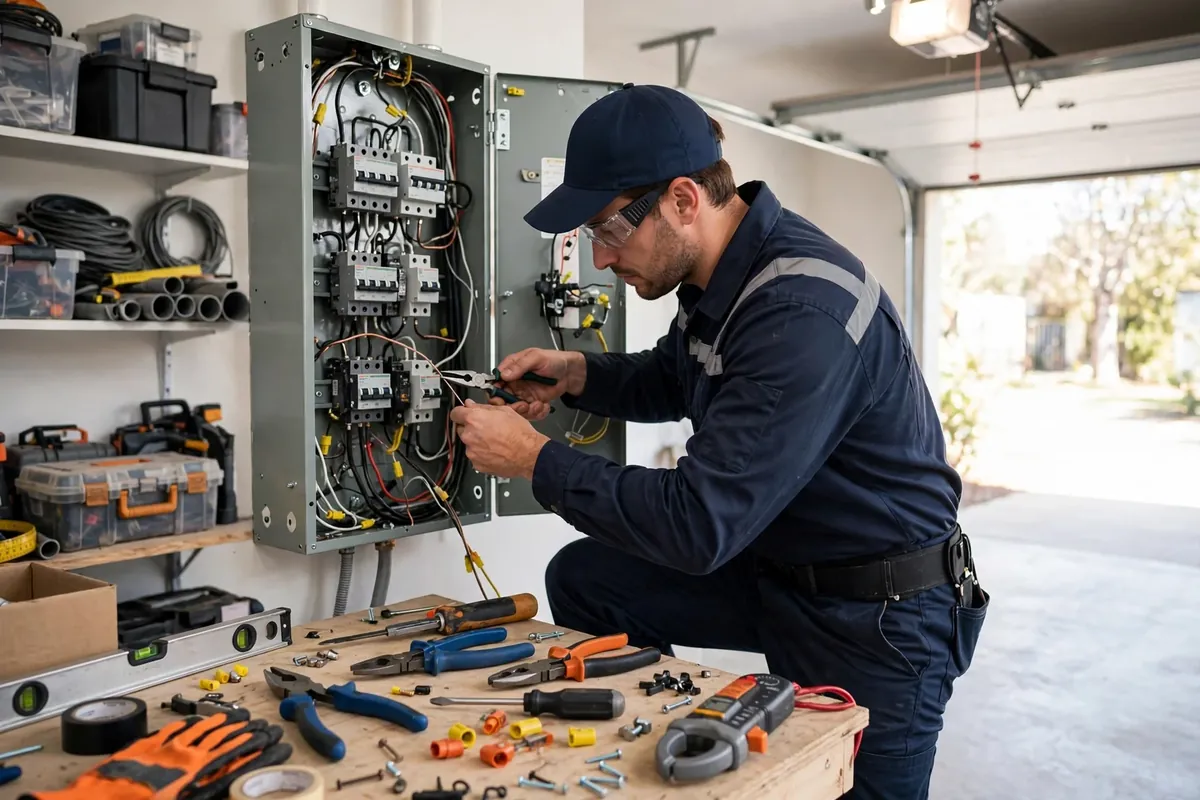
"Will my home's electrical panel handle a Level 2 charger?" is one of the most asked questions in every EV forum, and "can I install a Level 2 charger on a 100-amp panel?" is its sharper form. The honest answer frustrates people: it depends on your house, not just your panel.
A 100-amp panel means your home's electrical service can deliver up to 100 amps total. Your house already uses a share of that — air conditioning, electric water heater, dryer, oven, pool equipment. The question is never "is 100 amps enough for an EV charger" in the abstract. It is "is 100 amps enough for an EV charger plus everything else in this specific house." Two identical 100-amp panels can give opposite answers if one house has gas appliances and the other is all-electric with a pool.
2. What a Load Calculation Is
The load calculation is the formal method from the National Electrical Code (NEC Article 220) that electricians use to answer the panel question with math instead of opinions. Here is what it does, in plain terms:
- Lists every significant electrical load in the home — square footage (for general lighting and receptacles), major appliances, HVAC, water heater, dryer, oven, pool equipment.
- Applies demand factors. Code recognizes that not everything runs at once. The calculation discounts loads accordingly — your dryer and oven are unlikely to run at full blast simultaneously at 3 AM.
- Adds the proposed EV charger as a continuous load at its configured amperage.
- Compares the total to the service size. If the calculated demand fits within 100 amps with appropriate margin, the panel can take the charger. If not, something has to change.
This is why "my neighbor did it" is not evidence. Your neighbor's load calculation is not your load calculation. Any electrician who answers the panel question without doing this math is guessing.
3. How Electricians Evaluate Your Panel
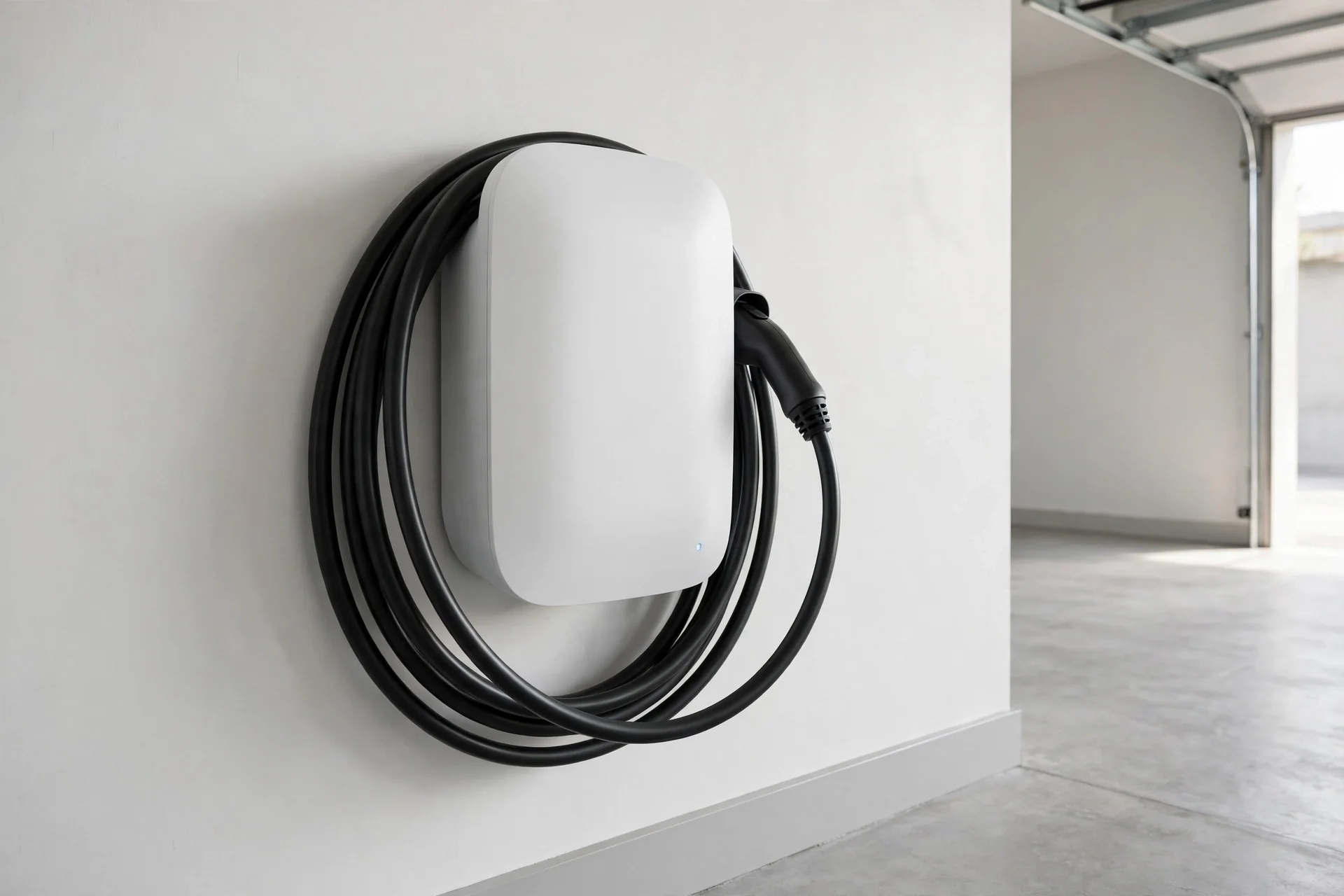
Beyond the calculation, a good electrician looks at the physical panel:
- Available breaker spaces. A Level 2 charger needs a dedicated double-pole breaker. A panel with no open spaces may need tandem breakers, a subpanel, or reorganization — or it may signal the panel is due for replacement anyway.
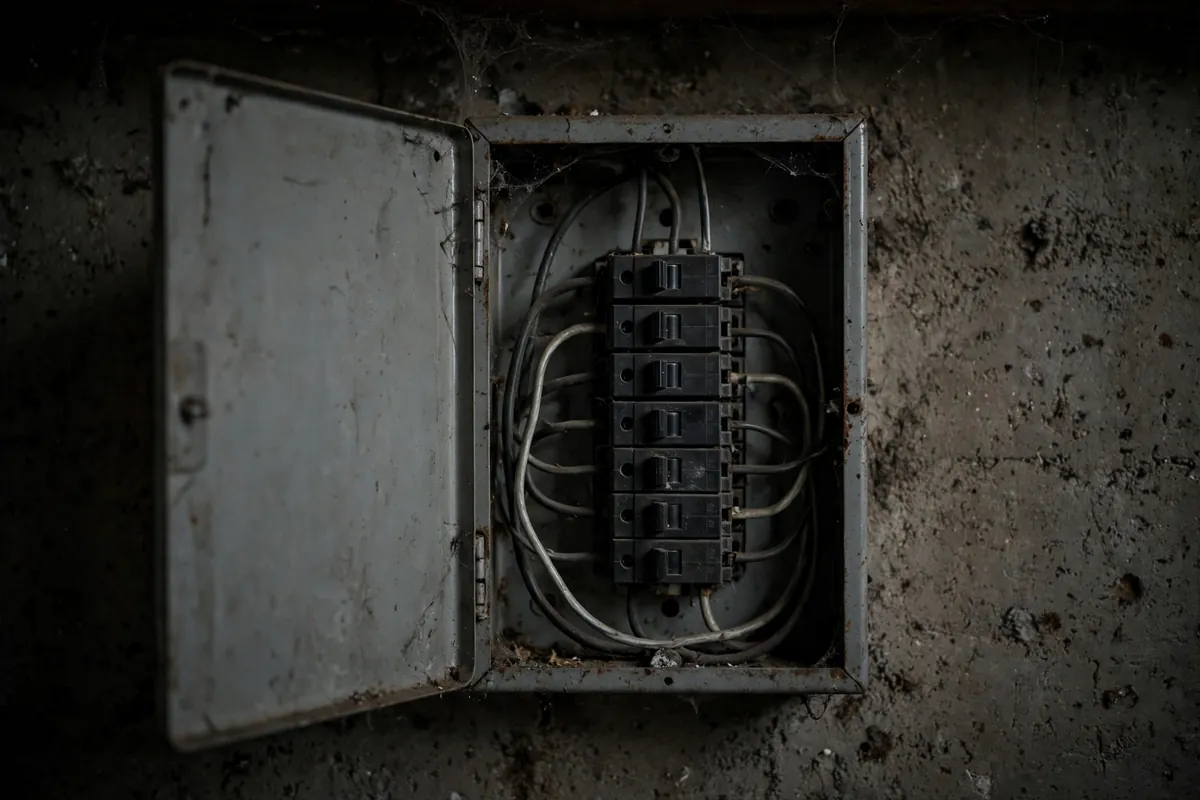
- Panel age and condition. Many Orlando homes still run on panels installed decades ago. Certain older panel brands have documented safety issues, and a panel showing corrosion, heat damage, or recalled breakers needs attention regardless of the EV charger.
- Service entry and meter. The panel is one link in a chain: the service drop from the utility, the meter, and the panel all need to support the load.
- Existing 240V loads. An all-electric home with electric heat, water heater, dryer, and range leaves far less headroom than a home where the big loads run on gas.
4. Signs Your Panel May Not Have Room
You cannot do the load calculation yourself reliably, but these are signs the answer may be tight:
- Your main breaker has tripped before under normal household use.
- The panel is completely full with no open breaker spaces.
- You have an all-electric home: electric heat or heat strips, electric water heater, electric dryer, electric range, plus a pool.
- The panel is very old, shows rust or heat discoloration, or uses a brand with known safety concerns.
- Lights dim noticeably when large appliances kick on.
Any of these means the assessment deserves extra care — not that a charger is impossible.
5. Options When Capacity Is Tight
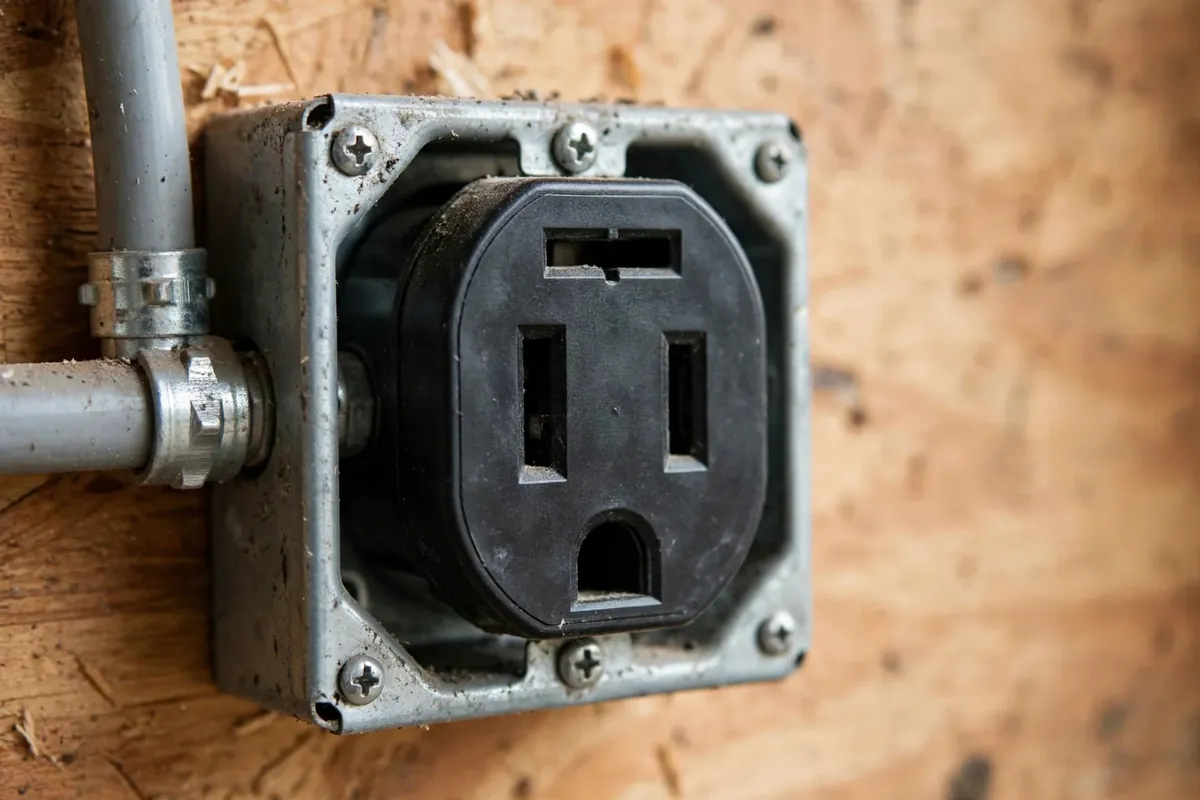
If the load calculation comes back tight, you have more options than just "upgrade the panel." In practice, electricians work through these in order:
Option A: Configure the charger at a lower amperage. Most Level 2 chargers let the installer set the maximum charging current. A charger set to 24 or 32 amps instead of 48 still delivers far faster charging than a standard outlet, while drawing much less from the panel. For a typical daily commute, 24 amps overnight is plenty — the car sits in the garage for ten hours and needs perhaps two hours of charging.
Option B: Load management devices. These use current sensors on your main service wires to monitor total household demand in real time. When the house's other loads peak, the device automatically slows or pauses EV charging; when demand drops, charging resumes at full speed. It is an elegant solution that effectively lets the charger borrow unused capacity, and it is often far less disruptive than a service upgrade.
Option C: A subpanel. If the issue is breaker spaces rather than total capacity, a subpanel can create room without touching the main service.
Option D: Panel or service upgrade. When the calculation genuinely does not fit — an all-electric home with a pool and a 100-amp service, for example — upgrading to 200-amp service is the right answer. It is the most involved option, since it can require utility coordination for the service drop and meter, but it future-proofs the home for the EV plus whatever comes next.
A trustworthy electrician presents these in order and explains the trade-offs. Be cautious of anyone whose first and only answer is the most expensive option.
6. The Adjustable-Amperage Trick Worth Knowing
This deserves emphasis because it resolves so many 100-amp situations: you do not have to charge at the charger's maximum rating. A 48-amp-capable charger installed on a circuit configured for 32 amps is a completely normal, code-compliant setup. The charger, breaker, and wire are all sized for the configured amperage, and the car charges at that rate.
Real owners do this routinely. One Florida owner documented running a Level 2 charger on an existing 100-amp panel at a reduced amperage setting with no issues — the car charged fully overnight every night, because the car was parked for ten hours and only needed a fraction of that. Match the amperage to your actual driving, not to the charger's maximum.
7. An Orlando Note: Older Homes
Much of Orlando's housing stock — the bungalows near downtown, mid-century homes in Winter Park and Maitland, older builds in Altamonte Springs and Apopka — was built when 100-amp service was standard and nobody imagined charging a car in the garage. These homes are exactly where the panel question comes up most.
The good news: many of these homes also have gas water heaters or modest electrical loads, which leaves more headroom than the panel's age suggests. The only way to know is the calculation. If you live in an older Orlando home, get the panel assessed before you buy the charger — the assessment result drives the equipment choice, not the other way around.
For the full picture on panel work, see our EV panel upgrade service page, and for project timing, How Long Does EV Charger Installation Take?.
Key Takeaways
- A 100-amp panel can support a Level 2 charger in many cases — the panel label alone does not decide.
- The NEC load calculation is the definitive test; it accounts for your home's actual loads with code demand factors.
- Tight capacity has multiple solutions: lower charger amperage settings, load management devices, subpanels — upgrade is the last resort, not the first.
- Most Level 2 chargers can be configured below their maximum amperage; match the setting to your driving, not the spec sheet.
- Older Orlando homes with 100-amp panels are the most common case — get assessed before buying equipment.
- Choose the electrician who does the math, not the one who guesses.
Can I install a Level 2 charger with a 100-amp electrical panel?
Often, yes — but only a formal NEC load calculation on your specific home can confirm it. The calculation totals your existing electrical demand and checks whether the charger fits within the 100-amp service. Many homes pass, especially with the charger configured at a moderate amperage. Get the calculation done before assuming you need an upgrade.
Can I do a load calculation myself, or does it need an electrician?
In theory the NEC method is published, but in practice the calculation needs to be done — and documented — by a licensed electrician. It involves demand factors, correct load classifications, and judgment calls about your specific equipment that come from training and experience. More importantly, the permit office and your own protection both rely on a professional's calculation, not a homeowner's spreadsheet. This is a quick, standard part of any EV charger assessment.
What are the signs my panel cannot handle an EV charger?
A main breaker that has tripped under normal use, a panel with zero open breaker spaces, an all-electric home with many large 240V loads, visible corrosion or heat damage, and lights that dim when appliances start. These signs mean the assessment needs extra care — they do not automatically mean an upgrade is required.
Can a load management device help me avoid a panel upgrade?
Yes, in many borderline cases. A load management device monitors your home's total electrical demand in real time and automatically slows or pauses EV charging when other household loads peak, then resumes when demand drops. It lets the charger use capacity that would otherwise sit idle overnight, and it is far less disruptive than a full service upgrade.
Can I just set my charger to a lower amperage instead of upgrading?
In many cases, yes — and it is one of the most underused solutions. Most Level 2 chargers allow the installer to configure the maximum charging current. A charger set to 24 or 32 amps still charges far faster than a standard wall outlet, and for typical daily driving the car finishes charging long before morning. The circuit is then designed around the configured amperage, which often fits comfortably on a 100-amp panel.
Will adding an EV charger require the utility company to get involved?
Only if the project includes a service upgrade (for example, 100-amp to 200-amp service), which can require utility coordination for the service drop and meter. A charger added to an existing panel with adequate capacity does not involve the utility beyond your normal billing.
Related Posts

- How Long Does EV Charger Installation Take?
- NEMA 14-50 Outlet vs Hardwired EV Charger: Which Is Right for You?
- DIY vs Professional EV Charger Installation: What's Safe and What's Not
Wondering about your panel? Call now at (407) 555-0100 — we will run the load calculation on your home and tell you honestly whether your panel is ready or what it needs. EV charger installation in Orlando done right starts with the math.
Sources consulted: NEC Article 220 (load calculation method); Mike Holt NEC forums on 100-amp panels and load management devices; owner threads on reduced-amperage charging setups (Tesla Motors Club, Macheforum).