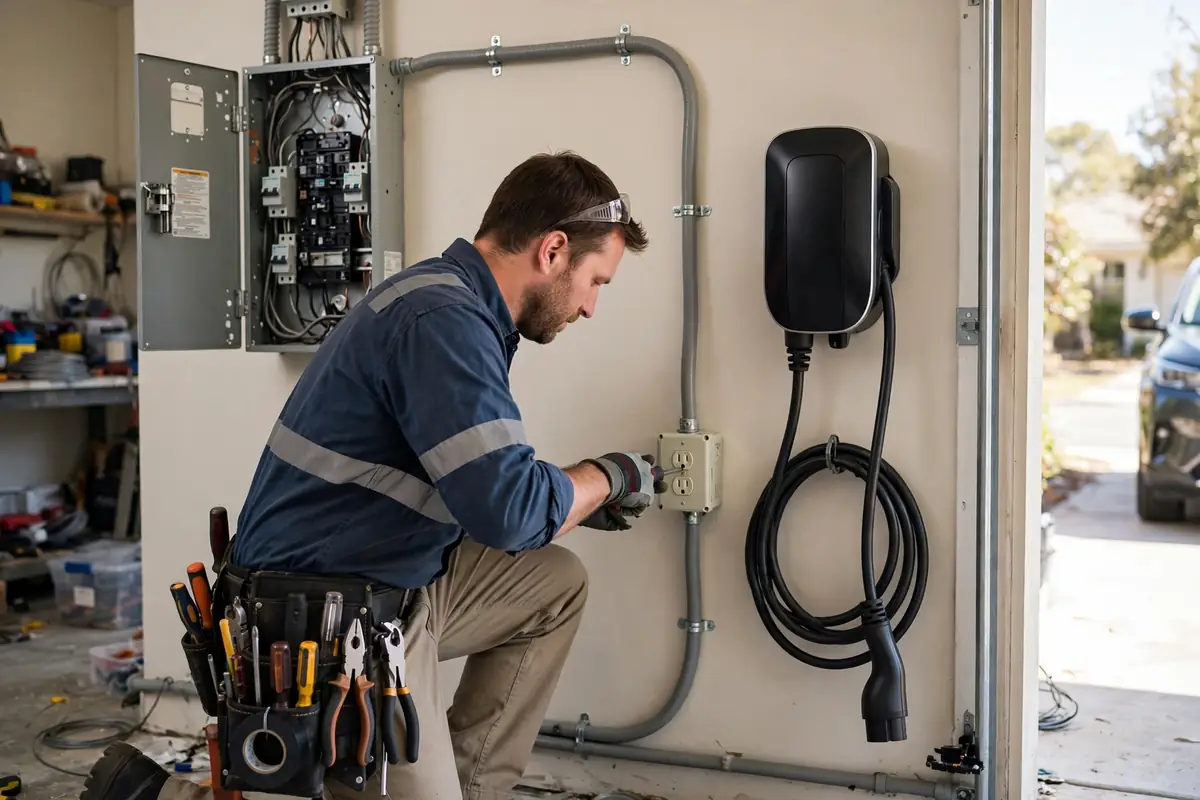
What Is a NEMA 14-50 Outlet?
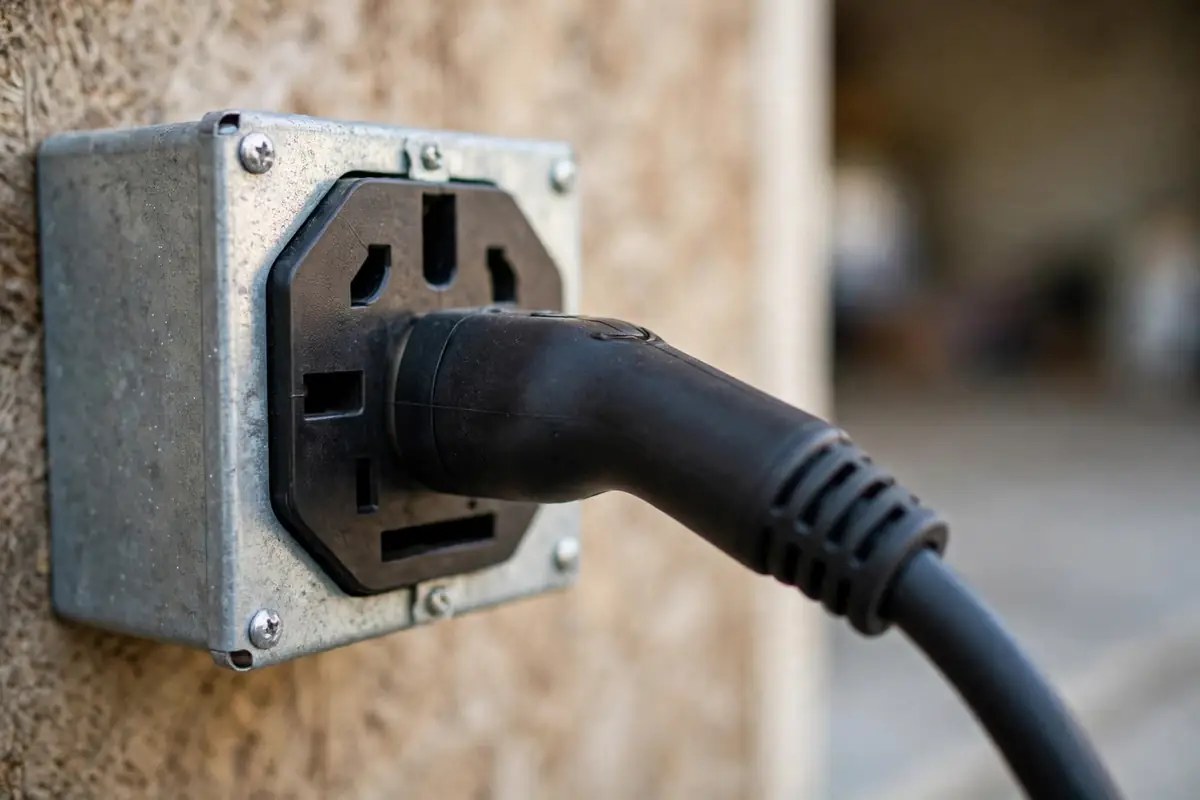
NEMA is the National Electrical Manufacturers Association, and its configuration numbers describe the shape and rating of plugs and receptacles. The 14-50 is a 125/250-volt, 50-amp, four-wire receptacle: two hot legs, a neutral and a ground — the four prongs you will see on the plug. It earned its place in EV charging by accident of availability: RV parks and electric ranges had already made it the most common high-power receptacle in North America, so when home charging arrived, charger makers built their plug-in units and mobile cords around it.
For EV duty, one number matters more than the 50 on the label. Charging is a continuous load — it runs at full draw for hours — and electrical code limits a continuous load to 80% of the circuit rating. A 50-amp circuit therefore delivers 40 amps to the car, around 9.6 kilowatts: roughly 30 to 37 miles of range per hour of charging for most EVs, and a full overnight refill for essentially every daily-driving pattern in Central Florida.
What it is not: a dryer outlet. The older 14-30 dryer receptacle looks similar, takes a different plug, and runs on a 30-amp circuit — charging adapters exist, but a dryer circuit shared with a laundry room is not a charging plan. A proper installation gives the charger its own dedicated 14-50 circuit, used for nothing else.
The Problem With a Quick Outlet Install
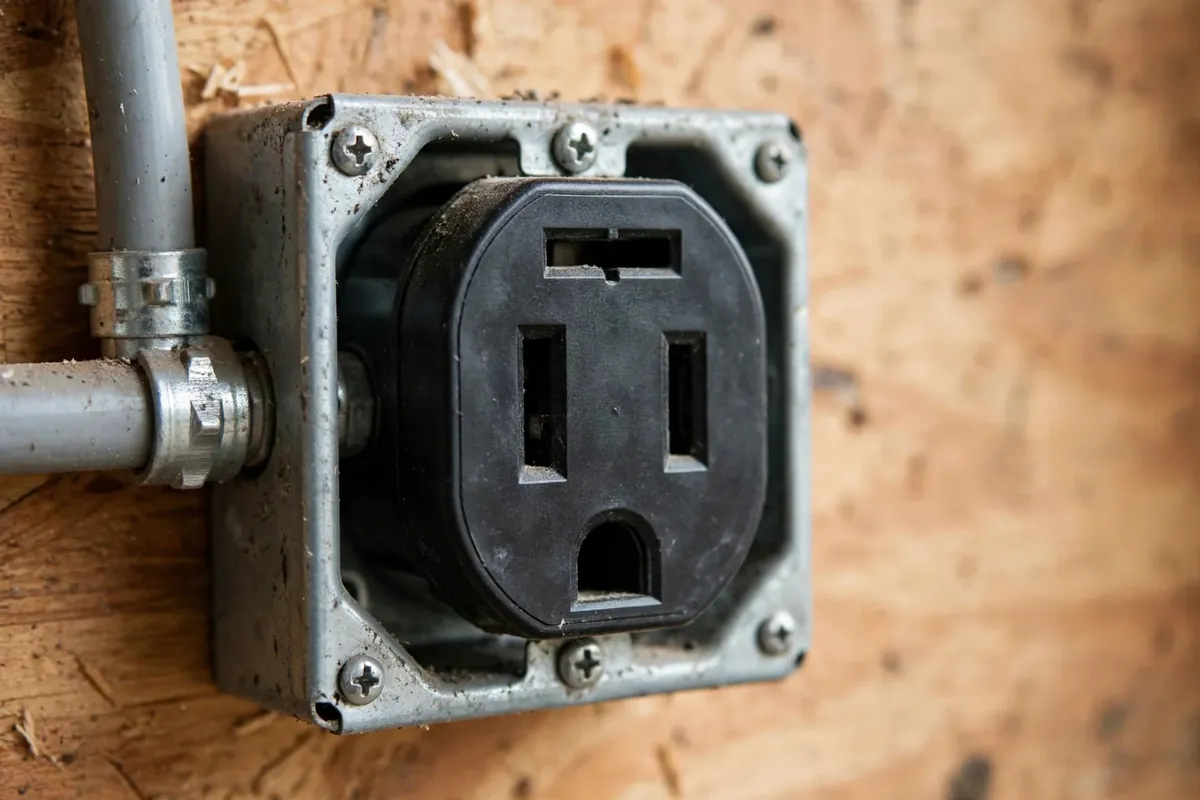
The 14-50 is also where home charging goes wrong, in two predictable ways. The first is the outlet itself. The inexpensive 14-50 receptacles sold for ranges are built for an oven's duty cycle — heat up, cook, cool down. An EV charger holds near-maximum current for six, eight, ten hours straight, night after night. Under that duty, light-duty receptacle contacts loosen and overheat; scorched and melted outlets are a well-documented failure, and they fail inside your garage wall. The second failure is the circuit behind it: an outlet added to a panel that never got a load calculation, on wire sized by guess, without the GFCI protection garage receptacles require — a charger that trips the breaker at 2 a.m., or worse, one that doesn't.
An Outlet Installed Like a Charger Circuit
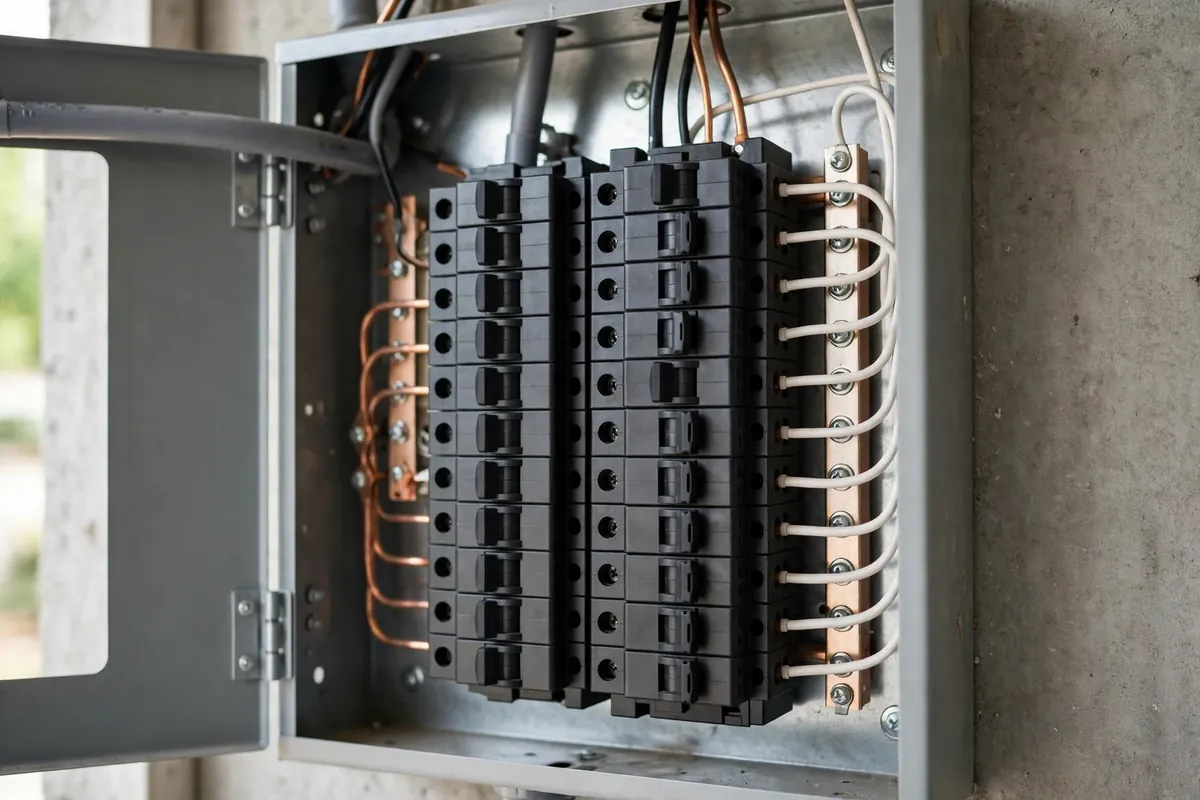
We treat a 14-50 installation as charger work, not handyman work:
- Load calculation first. Your panel is measured before anything is promised; if it cannot carry a 50-amp circuit, we show you the managed-charger and panel options instead of forcing it.
- Industrial-grade receptacle. We specify heavy-duty 14-50 outlets built for continuous EV duty — the commercial-grade receptacles with the contact pressure and heat tolerance this load demands.
- GFCI protection. Garage receptacles require ground-fault protection under the electrical code, so the circuit goes on a GFCI breaker — the detail quick installs most often skip.
- Dedicated circuit, correct wire. One circuit, one purpose, copper conductors sized for the run length from your panel to the parking spot.
- Permitted and inspected. The work is permitted, inspected, and tested under load before we hand it over.
How Does NEMA 14-50 Outlet Installation Work?
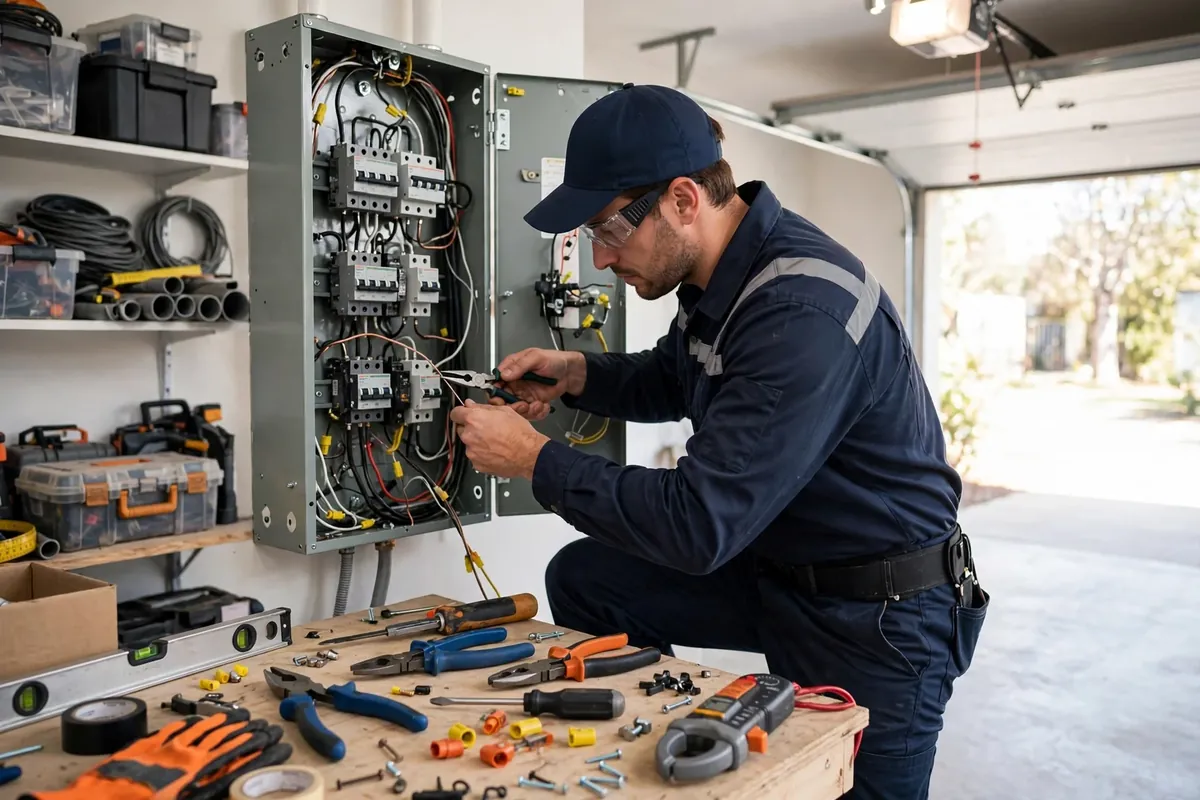
So what does the installation actually involve, step by step? This is professional electrical work — new circuit, breaker and panel work are not DIY territory in Florida — but understanding the process tells you exactly what you are paying for and what a proper job looks like.
Step 1: Load calculation and site check
We open your panel, inventory the existing loads, and run the calculation that proves whether a 50-amp circuit fits. At the same time we look at where the car parks, where the outlet should sit so the charging cord reaches without strain, and how far the wire has to run.
Step 2: Circuit and materials
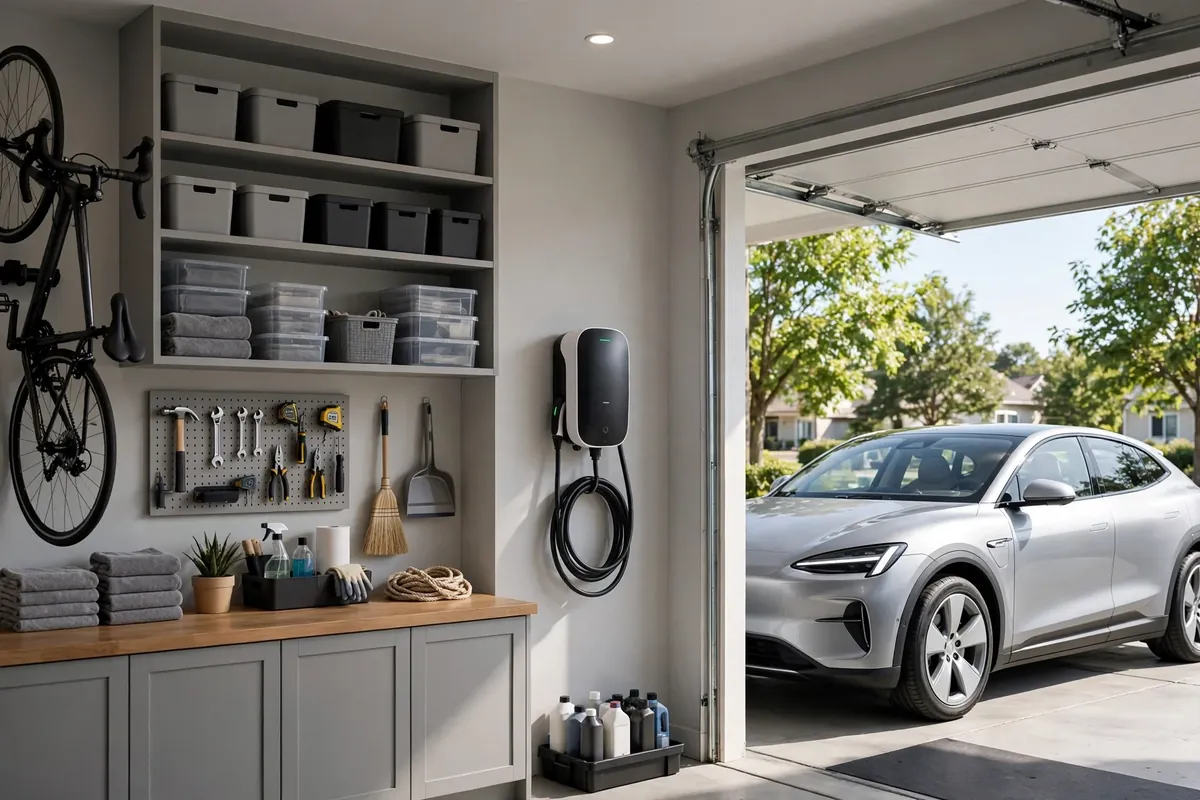
The route is planned — through the garage wall, across an attic, or in conduit — and the materials are set: copper wire sized for the length of the run, a 50-amp GFCI breaker, and an industrial-grade 14-50 receptacle in a proper box.
Step 3: Installation day
The circuit is run, the breaker fitted, the outlet mounted at the planned height and position, and every termination torqued to specification — loose terminations are the quiet cause of hot outlets, and they are a workmanship detail, not a parts detail.
Step 4: Testing under load and walkthrough
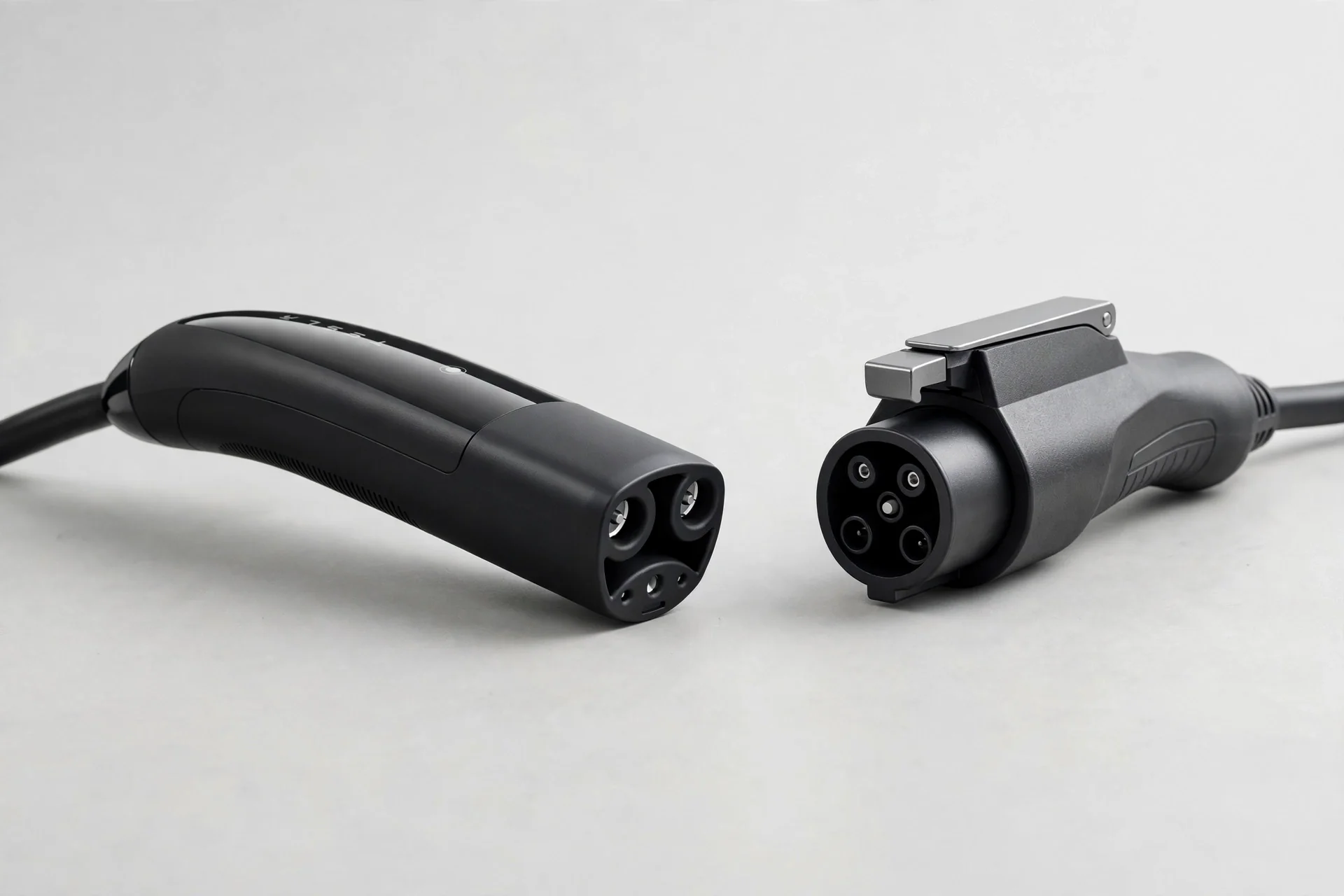
We plug in your charger or mobile cord, run a real charging session, confirm the car is drawing the expected rate, and verify the GFCI protection trips and resets correctly. Then we walk you through plugging in, unplugging, and what the charger lights mean.
NEMA 14-50 Outlet vs Hardwired Charger
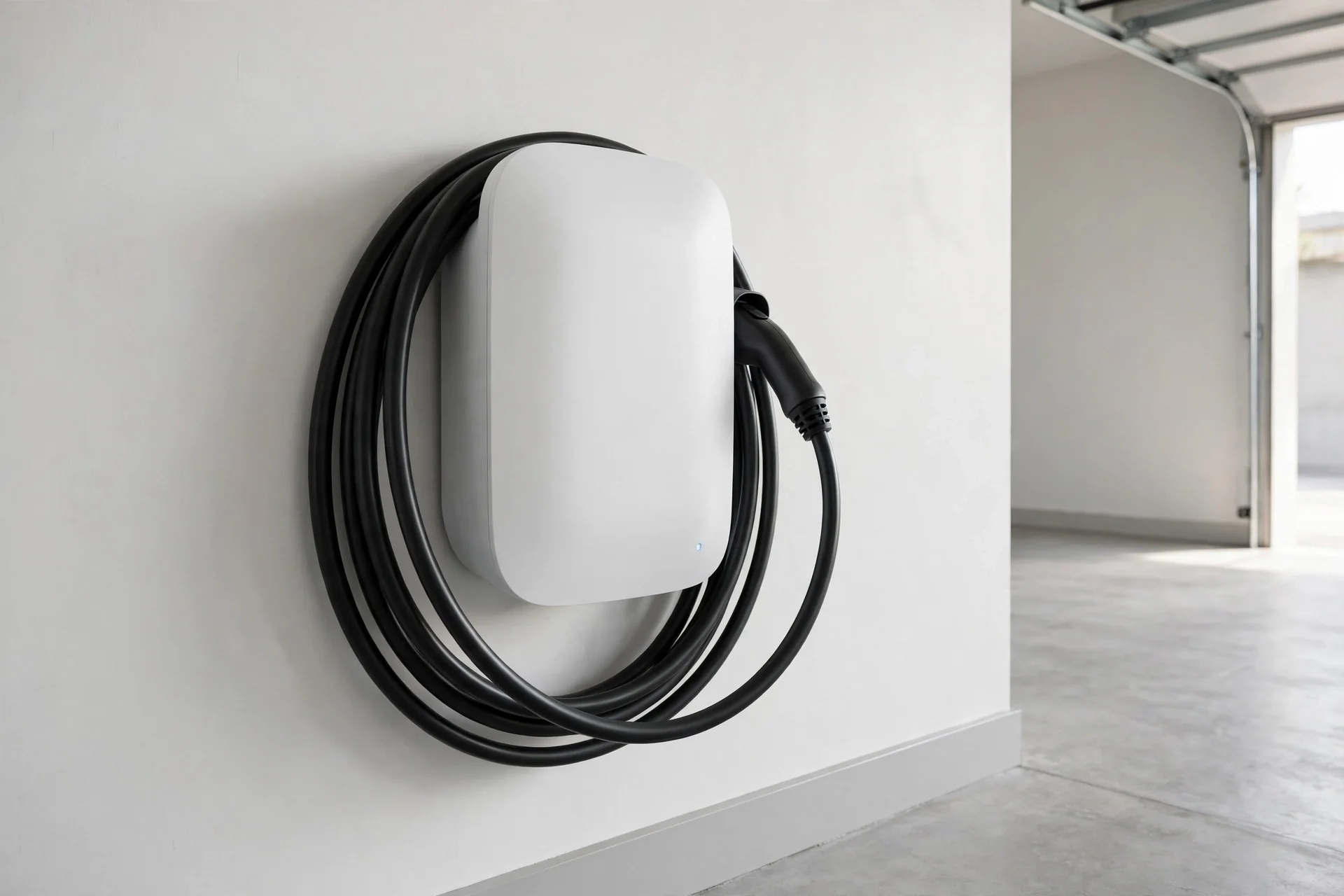
The plug-in route and the hardwired route are the two ways to charge at Level 2, and the honest comparison is this one — our guide on NEMA 14-50 vs hardwired EV charging goes deeper, and both options are installed the same careful way.
| Feature | NEMA 14-50 Outlet | Hardwired Charger |
|---|---|---|
| Charging speed | Up to 40A continuous (9.6 kW) | Up to 48A continuous (11.5 kW) |
| Flexibility | Unplug and swap chargers, or take the charger with you when you move | Charger is fixed to the wall |
| Best for | Plug-in chargers and mobile cords, renters planning ahead, future charger changes | Maximum speed, outdoor installs, the cleanest permanent setup |
| Protection | GFCI breaker required for the garage receptacle | GFCI built into the charger unit |
| Failure points | The plug connection itself — why outlet quality matters | No plug connection to wear |
| Moving house | Take your plug-in charger; leave the outlet as a selling point | Charger usually stays with the home |
Neither answer is wrong. If your car came with a capable mobile cord, a 14-50 outlet may be all you ever need. If you want the fastest overnight charging a home circuit can give you, the Level 2 charger installation page covers the hardwired route.
Which Chargers and Vehicles Use a 14-50 Plug?
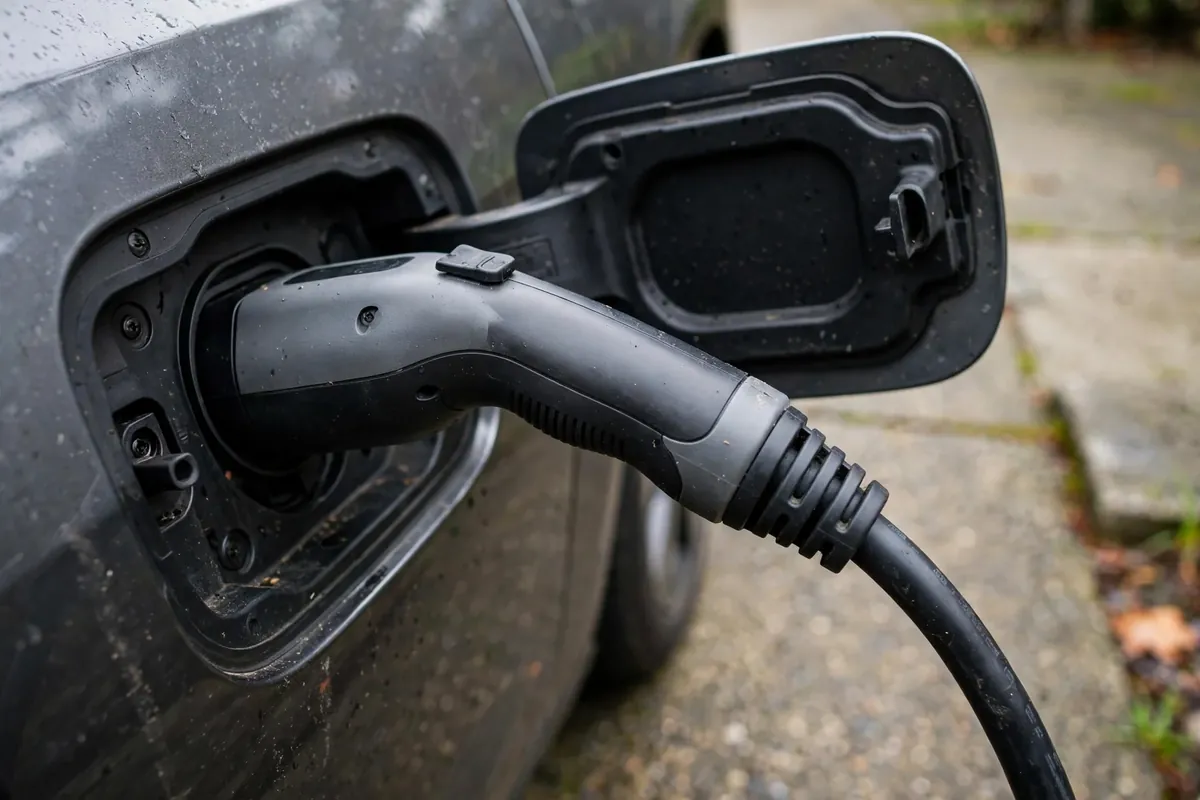
Most plug-in Level 2 chargers ship with a 14-50 plug or offer it as the standard option — the plug-in versions of the popular home units from ChargePoint, Emporia, Grizzl-E and Wallbox among them. Just as common is the mobile-cord route: Tesla's Mobile Connector with its 14-50 adapter (charging at up to 32 amps), the dual-level cords supplied with many Chevrolet, Ford and Hyundai EVs, and Rivian's portable charging cable all plug into this same receptacle. If a cord or charger in your garage has four prongs in a 14-50 pattern, this is its outlet — and if you are not sure what you have, a photo of the plug on the call settles it in seconds.
What Does NEMA 14-50 Outlet Installation Cost in Orlando?

The honest answer is that the job is priced by your house, not by the outlet. The receptacle itself is a small part of the work; what moves the total is the distance from your panel to the parking spot (a panel in the garage versus one across the house), the wire run's route (open attic, finished walls, or exterior conduit), whether your panel has the capacity and the physical breaker space for a 50-amp circuit, the GFCI breaker the code requires, and the permit. A panel upgrade is only needed where the load calculation shows the room genuinely is not there — and that is a finding, not a default. Our EV charger installation cost factors guide breaks down every one of these drivers in plain language. What we promise is a written quote after the assessment, built from the calculation — never a number invented before anyone has seen your panel.
Why Choose Us for Outlet Installation in Orlando
- Qualified Florida electricians — permitted, inspected, code-compliant work
- EV circuits are the specialism — continuous-load duty is what we install every day
- Industrial-grade receptacles only — we will not fit a light-duty outlet to an EV circuit
- Load calculation before promises — if the panel says no to 50 amps, you hear it from us first
- Both routes installed — outlet or hardwired, the recommendation follows your situation, not our inventory
Outlet installation is one of our core EV charger services — compare it there with hardwired installation and panel work.
Service Areas
We install NEMA 14-50 outlets across our full service area: Orlando, Winter Park, Lake Nona, Dr. Phillips, Windermere, Downtown Orlando, Altamonte Springs, Kissimmee, Oviedo, Winter Springs, Ocoee, Lake Mary, Apopka, Maitland and the surrounding Central Florida communities.
How much does it cost to install a NEMA 14-50 outlet in a garage?
The price is set by your home's specifics: how far the outlet sits from your panel, the route the wire takes, whether the panel has capacity and breaker space, the GFCI breaker, and permitting. A garage with the panel on its wall is the short version of the job; a panel on the far side of the house with finished walls between is the long one. After an assessment we give you a written quote based on your panel and your layout — and if the load calculation says the circuit needs panel work first, you hear that before any number, not after.
Can I plug my EV charger into a regular outlet instead?
You can — a standard 120-volt household outlet is Level 1 charging, and every EV can do it. What you get is roughly 3 to 5 miles of range per hour: fine for a short-hop second car, frustrating for a commuter. A weekend of Level 1 can leave a typical Orlando driver behind by Monday. The 14-50 outlet is what turns home charging into full-every-morning charging; it is the same idea with a circuit actually sized for the car.
Is a NEMA 14-50 outlet 220V or 240V?
240 volts. "220" is the older household term that stuck around in everyday speech; modern North American homes are supplied with 120/240-volt service, and the 14-50 uses both hot legs to deliver 240V (along with a neutral and ground, which is why it has four prongs). Your charger and your car are built for that 240V supply.
Does a NEMA 14-50 outlet for EV charging need a GFCI breaker?
In a garage, yes — ground-fault protection for garage receptacles is an electrical-code requirement, and for a plug-in EV outlet it is met with a GFCI breaker in the panel. This is the step informal installs most often skip, and it matters twice over: it is required for the permit, and a charger is a high-draw appliance plugged in beside a car, in a room that sees water, hoses and wet tyres. Hardwired chargers handle this differently — the protection lives inside the unit — which is one of the genuine differences between the two routes.
What is the difference between an industrial-grade and a standard 14-50 outlet?
It comes down to duty. A standard range outlet is built for an oven's pattern — heavy draw for a while, then rest. An EV holds near-full current for hours every night, and under that pattern a light-duty receptacle's contacts can relax, arc and overheat. Industrial-grade 14-50 receptacles use heavier contacts, better heat tolerance and stronger clamping — they cost more than the hardware-store version and they are the correct part for this circuit. It is the one upgrade we specify on every outlet install, without exception.
Can I install a NEMA 14-50 outlet myself in Florida?
Electrical work in Florida belongs to qualified electricians, and a new 240-volt circuit is not a homeowner project: it involves panel work, a continuous-load calculation, permitting and inspection. There is also a practical point beyond the rules — an EV circuit runs at high load for hours while everyone sleeps, which is the least forgiving circuit in the house to learn on. Our DIY vs professional installation guide covers honestly what homeowners can do themselves — choosing the charger, preparing the space — and where the line sits.
Will a 14-50 outlet charge my EV as fast as a hardwired charger?
Almost, but not quite. The outlet route tops out at 40 amps continuous — about 9.6 kW, or roughly 30 to 37 miles of range per hour. A hardwired charger on a 60-amp circuit reaches 48 amps and about 11.5 kW. For overnight charging the difference rarely matters: both refill a typical day's driving with hours to spare. It matters for high-mileage drivers squeezing a short overnight window, and for the largest-battery vehicles — those are the households we usually steer toward hardwired.
Can the outlet be installed outdoors or in a carport?
Yes, with weatherproof equipment: an in-use rated cover, a weather-resistant receptacle arrangement, and conduit for the exposed run. Outdoor plug-in installs are common for Orlando carports and driveway parking. The assessment looks at where the car actually parks, how the cord will reach, and how the run crosses the exterior wall — then the outlet goes where it will be used, not where it was easiest to put.
What if my panel does not have room for a 50-amp circuit?
Then the load calculation has done its job, and you have three honest options: a smaller circuit with a charger set to match (a 40-amp circuit charging at 32 amps still refills most cars overnight), a load-management device that lets a full-rate charger share capacity with the rest of the house, or panel upgrade work that makes room properly. What you will not get from us is a 50-amp breaker fitted anyway and a hope that it holds.
Do I need a permit to install a NEMA 14-50 outlet in Orlando?
Yes — a new 240-volt circuit is permitted electrical work in Orlando and Orange County, and the permit is part of doing this properly: it puts an inspector between the workmanship and your family's safety, and it keeps the install clean for insurance and for a future home sale. We pull the permit and schedule the inspection as part of the job. Our Orlando permit guide explains the process step by step.
Ready to Get Your 14-50 Outlet Installed?
One call gets the load calculation booked, the right outlet specified, and a written quote after we have seen your panel.